


Why LVP Is Becoming the Default Choice in UK Renovations

Luxury Vinyl Plank (LVP) is a firm favourite for many UK homeowners updating their floors. It combines tough, everyday performance with convincing looks and sensible pricing — ideal for busy family homes, rental properties and modern living spaces. This guide lays out LVP’s main advantages, compares it with other common floor types, and gives straightforward installation and care tips so you can choose the right option for your project.
What Are the Key Benefits of Luxury Vinyl Plank Flooring in UK Homes?
LVP offers a practical mix of durability, water resistance and value — the main reasons it’s become so popular in the UK. It stands up to high-traffic areas and moist rooms, while giving the natural look of wood with much less upkeep.
How Does LVP Deliver Durable, Waterproof Flooring?

LVP is manufactured in layers: a stable core, a printed design layer and a protective wear layer on top. The wear layer resists scratches, scuffs and dents, while the core and sealed joints give many LVP products strong water resistance. The result is a floor that copes with everyday life — spills, boots, pets and the odd dropped item — with minimal risk of water damage.
Why Is LVP Seen as a Cost-Effective Flooring Choice?
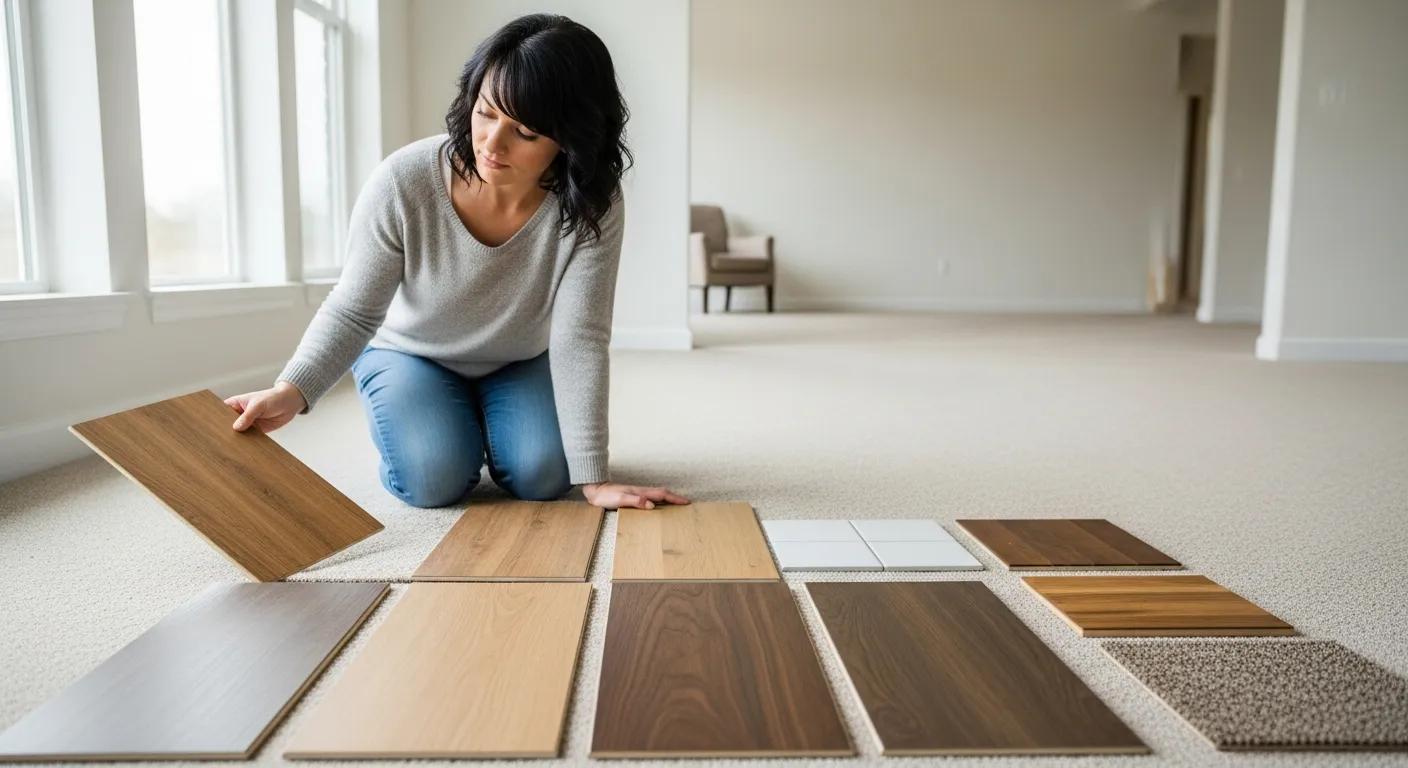
Upfront, LVP usually costs less than solid hardwood or premium tiles. With lower maintenance needs and fewer repair costs over time, the lifetime expense is often much lower. For many renovators, the combination of attractive finishes, robustness and affordability makes LVP a sensible long-term choice.
How Does LVP Compare to Other Popular Flooring Types in the UK?
Understanding how LVP measures up against laminate, hardwood and tile helps you pick the best floor for each room. Its performance profile gives it an advantage where resilience and moisture resistance matter most.
What Makes LVP More Durable Than Laminate and Hardwood?
LVP’s multi-layer build and protective top coat give it better resistance to everyday wear than many laminate options, and it’s far less sensitive to moisture than solid hardwood. That makes it a smarter choice for busy hallways, family kitchens and rental properties where durability is essential.
Further research into hard flooring shows how material choice affects repairability, stain resistance and whole-life costs.
Hard Flooring Durability & Stain Resistance
Hard floors tend to be long-lasting but can be tricky to repair. Some materials resist stains effectively, while others absorb spills more readily, which affects cleaning and maintenance (Harris, 2000).
Life-cycle cost analysis (LCCA): a comparison of commercial flooring, D Harris, 2000
How Do LVP’s Waterproof Features Outperform Traditional Flooring?
Where hardwood can warp or swell when exposed to moisture, many LVP products stay stable — particularly those with a waterproof core or fully sealed installation. That robustness makes LVP well suited to homes with children, pets or busy kitchens and bathrooms, extending the usable life of the floor.
What Are the Essential Installation and Maintenance Tips for LVP Flooring?
Correct installation and simple ongoing care will keep LVP looking and performing well for years. Follow the manufacturer’s guidance and choose the right accessories to get the best result.
Can Homeowners Install LVP Flooring Themselves?
Many LVP ranges use click-fit systems that are straightforward for capable DIYers. Start with a clean, level subfloor and follow the supplier’s instructions. Because these systems often don’t require glue or nails, installation can be quicker and tidier than traditional methods.
Which Maintenance Practices Extend LVP’s Longevity?
Regular sweeping or vacuuming and an occasional damp mop with a mild cleaner will keep LVP in good condition. Place mats at entrances to trap grit, and avoid harsh chemicals or abrasive tools that can damage the finish. These simple habits preserve appearance and performance.
What UK Market Trends Are Driving LVP Adoption in Renovations?
The UK market is shifting towards resilient, low-maintenance surfaces as homeowners prioritise practicality alongside style. Advances in printing and wear-layer technology mean LVP now offers ever-more convincing wood and stone visuals.
How Are Waterproofing Needs Changing Flooring Choices?
Demand for moisture-resistant floors is increasing, especially in urban homes and flexible living spaces where water exposure is a real concern. LVP’s waterproof or water-resistant options meet that need while still delivering designer looks.
Which Accessories Complement LVP in UK Homes?
A few well-chosen extras will improve comfort and finish:
- Underlay : Adds cushioning and reduces sound transfer, so the floor feels and sounds better underfoot.
- Transition Strips : Provide neat joins between different floor types and reduce trip hazards.
- Floor Mats : Protect high-traffic areas and catch dirt before it reaches the floor.
These modest additions help LVP perform better and look more polished throughout your home.
Frequently Asked Questions
What is the lifespan of Luxury Vinyl Plank flooring?
Most LVP products last between 10 and 25 years, depending on build quality and how well they’re looked after. Premium options usually have thicker wear layers, which boost scratch resistance and longevity. With sensible use and basic maintenance, LVP can be a reliable long-term floor.
Can LVP flooring be installed over existing floors?
In many cases, yes — provided the existing surface is clean, dry and level. Installing over a suitable substrate can save time and waste, but always check the manufacturer’s guidelines; some installations require extra underlayment or preparatory work to perform correctly.
Is LVP flooring environmentally friendly?
LVP is made from PVC, which raises environmental questions, but the industry is responding. Some manufacturers now offer phthalate-free ranges, recycled-content products and independent certifications such as FloorScore or GREENGUARD. Because LVP can last a long time, it may also reduce replacement waste compared with less durable options.
How does LVP perform for sound insulation?
LVP’s acoustic performance depends largely on the underlayment. A quality underlay will absorb impact noise and reduce sound transfer between floors, making LVP quieter than tile or bare hardwood in many installations.
What are the best cleaning products for LVP flooring?
Use a gentle cleaner made for vinyl or a mild solution of warm water with a few drops of dish soap. Avoid abrasive pads, strong solvents or wax-based products that can dull or damage the finish. Regular dry cleaning followed by an occasional damp mop is usually enough.
Can LVP flooring be repaired if damaged?
Minor scratches and scuffs can often be improved with targeted cleaners or repair kits. For deeper damage, individual planks can usually be replaced without lifting the whole floor, keeping repair costs and disruption low.
Why LVP Is Becoming the Default Choice in UK Renovations
Luxury Vinyl Plank flooring offers a practical, stylish and cost-effective solution for many UK renovations. Its durability, water resistance and ease of installation make it a strong option for family homes, rental properties and busy living spaces. If you value low maintenance and long-term value with designer looks, LVP is worth considering — explore available ranges to find the finish that suits your home.


