Can Old Flooring Become New Again With Recyclable Flooring
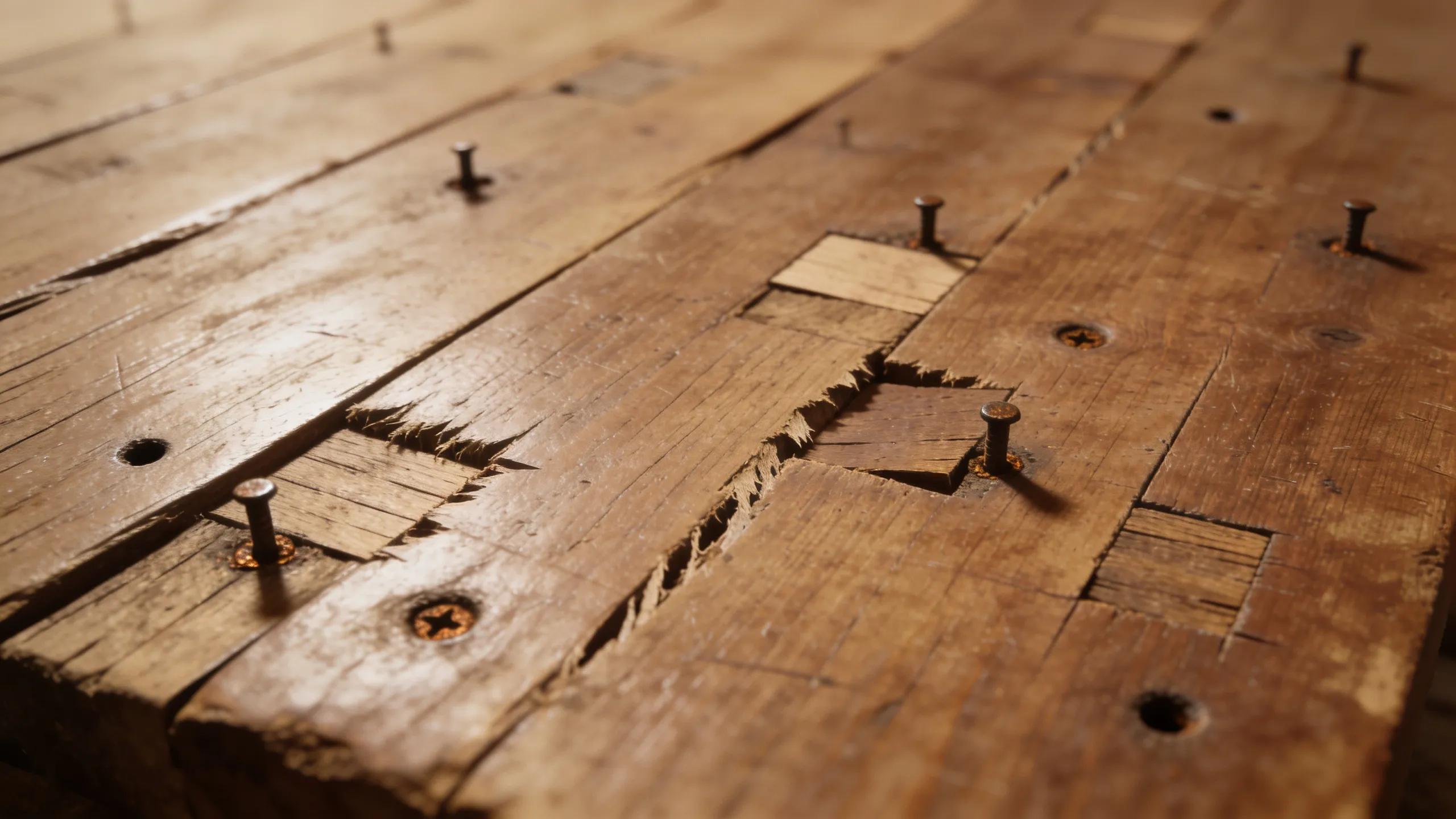
Old flooring gains new life through reclaimed and recycled wood, where recovered boards carry grain polished by decades of use, nail holes, and repairs. Specialists assess, restore, and remake this timber into flooring with authentic character no new material replicates, giving renovators a durable, eco-conscious choice full of genuine history.
Key Takeaways
-
Reclaimed wood flooring preserves original character marks including grain patterns, saw marks, and nail holes from previous use.
-
Stories Flooring delivers quality discount branded floors across multiple styles including Engineered Wood and Solid Oak for over 25 years.
-
Recycled flooring reduces landfill waste by recovering and restoring timber boards and beams for valuable second-life applications.
What Gives Reclaimed Wood Its Character?
Old marks tell the story. Polished grain, saw cuts, nail holes, patched repairs, and shifts in color remain visible on reclaimed boards long after the original building has vanished. These signs of past use give each plank a distinct history that new timber simply cannot replicate.
Reclaimed flooring gives previously used boards and beams a second working life. Recovered from old structures, the timber gets restored and remade for a fresh setting rather than sent to waste. That process of reuse sits at the core of what makes reclaimed wood appealing to eco-conscious homeowners.
Is There a Way to Get the Reclaimed Look Without Genuine Antique Timber?
Yes. Several modern flooring styles replicate the aged, characterful look of reclaimed wood without relying on genuine antique boards. Options include Herringbone, Engineered Wood, Vinyl (LVT), Laminate, Solid Oak, and SPC Click Vinyl.
-
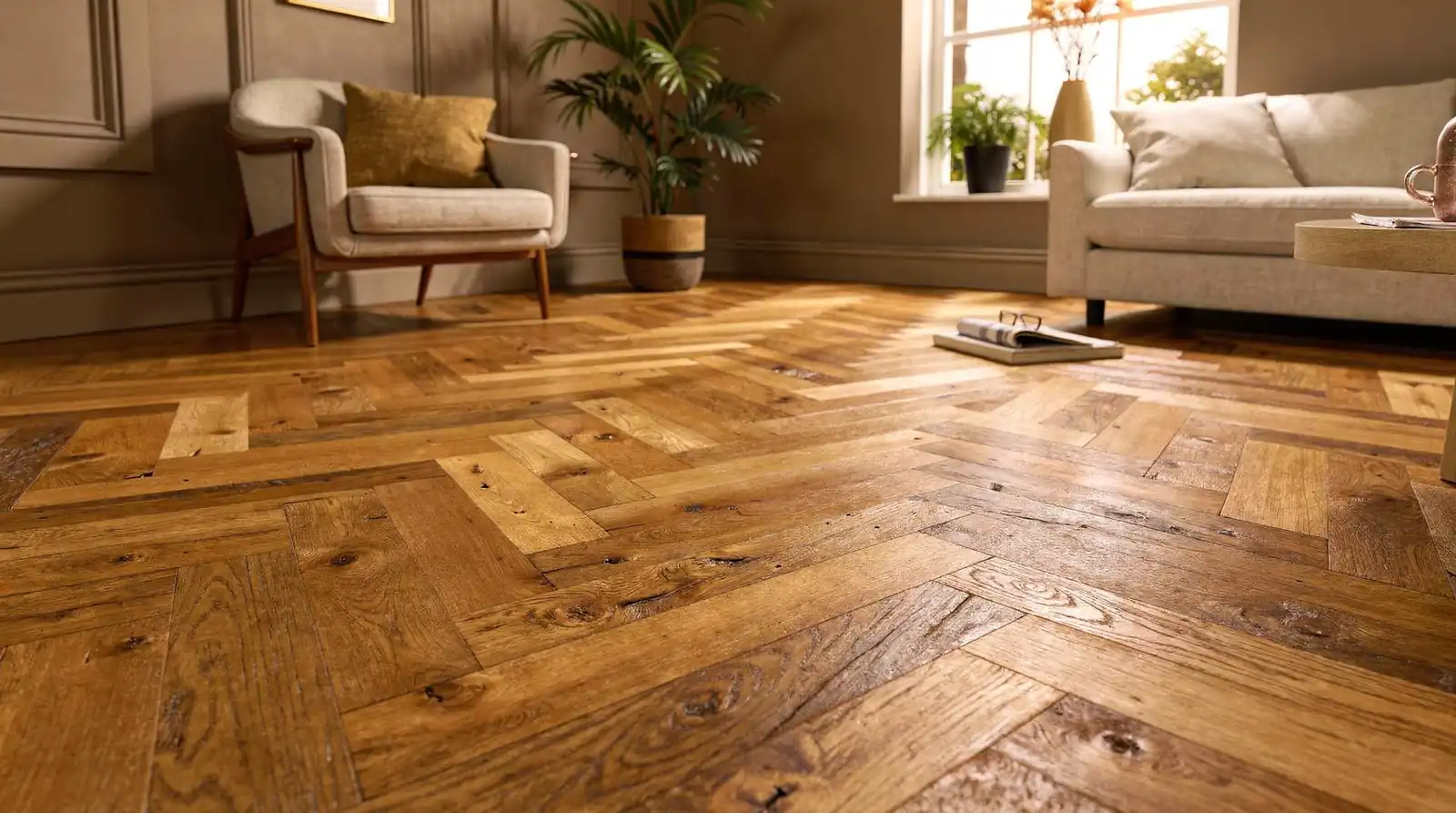
Herringbone — a patterned layout that echoes traditional parquet character
-
Engineered Wood — authentic wood appearance with added durability and stability compared to solid hardwood
-
LVT and SPC Click Vinyl — practical alternatives suited to busy households
-
Laminate and Solid Oak — classic finishes for a range of interior styles
Engineered wood, in particular, offers the visual warmth associated with reclaimed timber while standing up better to daily wear. For renovators drawn to weathered character. Wary of the unpredictability of true reclaimed stock, these styles offer a steadier, more consistent starting point.
Is Reclaiming An Old Floor Worth It?
Reclaiming an old floor pays off for homeowners who value character over convenience. A wood floor can serve a household for hundreds of years. Boards pulled from a period property are often far from worn out. The surface may look tired, but the timber underneath frequently has decades of life left. That durability is a big part of why reclaimed hardwood has grown in popularity among homeowners. Designers chasing environmentally responsible, visually distinctive rooms.
The trade-off is labor. Recovering solid boards for reuse means pulling old nails. Milling the wood down before it can go back on a floor. That process takes considerable time and skill.
Is Reclaiming Old Floorboards More Work Than Buying New?
Yes, generally. Preparing salvaged boards involves cleaning, de-nailing, and re-milling before installation, work a new product skips entirely. Homeowners weighing recyclable flooring against reclaimed originals should factor this labor into any renovation timeline.
How Can Homeowners Compare Options Before Committing?
Ordering free next-day samples allows a side-by-side look at color and texture at home, under real light, before choosing between reclaimed character and a newer alternative. This step also helps homeowners think ahead about eventual flooring disposal and flooring waste. Materials suited to reuse or recycling reduce landfill impact later on.
How Can You Choose Sustainable Flooring Now?
Sustainable flooring choices now favor engineered wood over reclaimed timber for most residential renovations. Reclaimed boards carry genuine history. Supply stays limited and inconsistent, which pushes many buyers toward manufactured alternatives that deliver similar character without the sourcing headache. Engineered wood answers that gap directly.
Its multi-layered construction gives homeowners the strength. Durability needed for high-traffic zones like hallways and living rooms, areas where reclaimed boards often show uneven wear. That layered build also resists the warping that older, single-piece timber can develop over decades of use.
Is herringbone flooring a sustainable option?
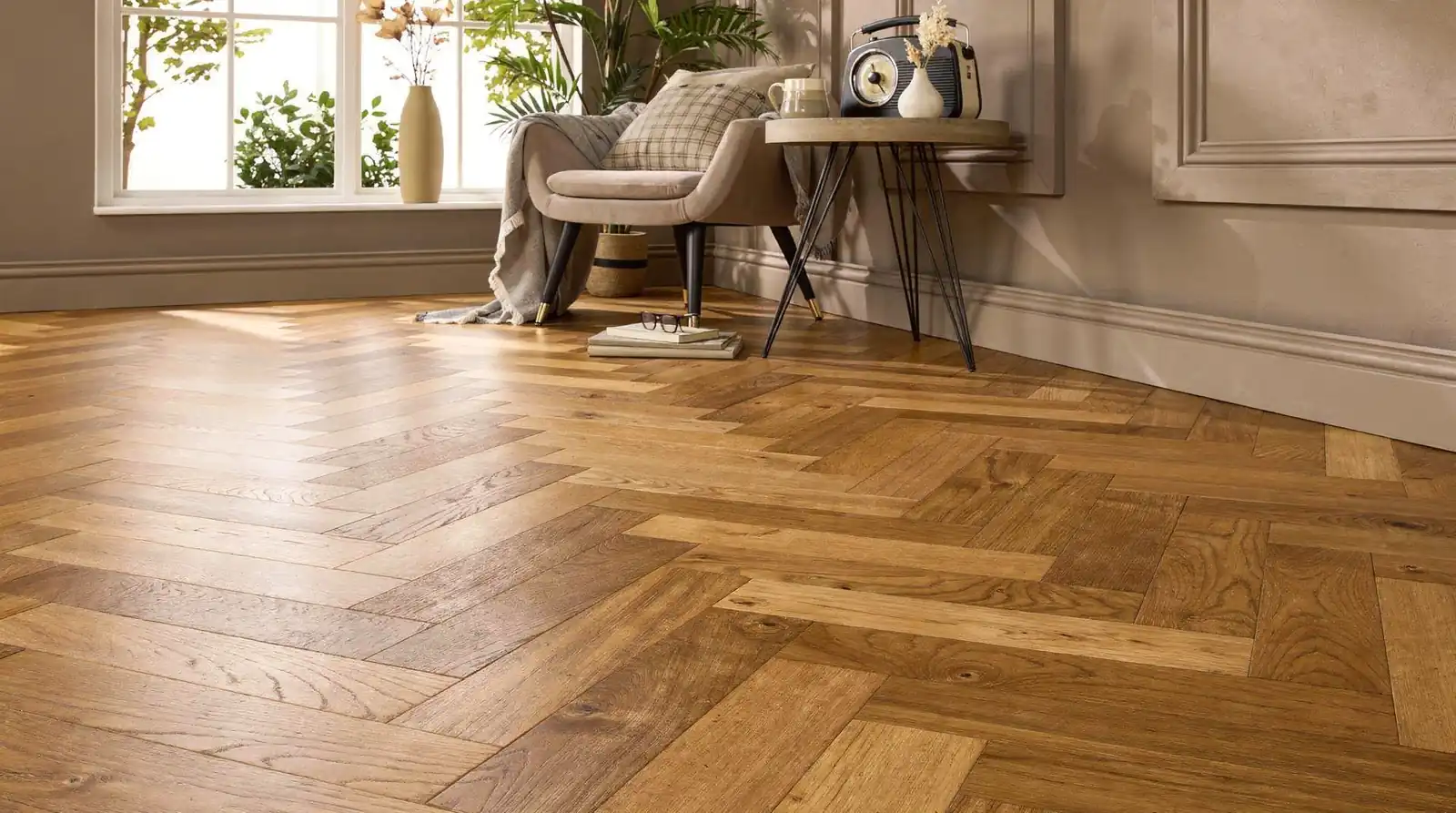
Herringbone-pattern engineered wood combines the visual richness of solid timber with more efficient, modern manufacturing methods. Buyers get the parquet look associated with period reclaimed floors, minus the unpredictable stock and higher waste tied to salvaged wood.
Where can homeowners find durable, character-rich flooring at lower cost?
Stories Flooring, a UK supplier of discount branded floors, has delivered floors for more than 25 years. That track record gives homeowners a long-established source for durable alternatives to reclaimed timber, often at lower prices than genuine salvaged wood.
Practical criteria for choosing sustainable flooring now include:
-
Durability under everyday foot traffic
-
Manufacturing efficiency compared with restoring old timber
-
Cost relative to authentic reclaimed boards
-
Availability without waiting on limited reclaimed stock
FAQ
What gives reclaimed wood floors their character?
Polished grain, saw cuts, nail holes, patched repairs, and color shifts remain visible on reclaimed boards, giving each plank a distinct history that new timber simply cannot replicate..
Is reclaiming old floorboards more work than buying new flooring?
Yes, preparing salvaged boards involves cleaning, de-nailing, and re-milling before installation, work that buying new flooring skips entirely. Homeowners should factor this labor into renovation timelines.
Can Old Flooring Become New Again With Recyclable Flooring
In closing, reclaimed and recycled flooring transforms old materials into genuinely new spaces—not through restoration alone. Through intentional reuse that combines environmental responsibility with distinctive character. Whether sourcing salvaged wood, repurposed tiles, or recycled composites, homeowners gain authentic aesthetics alongside reduced waste. The durability and uniqueness these floors deliver make the investment worthwhile, provided proper assessment and installation occur upfront. Old flooring becomes new again not by looking pristine, but by telling a richer story.


About The Author