Why “Invisible Flooring” Is Becoming a Thing
Why Invisible Flooring Is Taking Off: Minimalist Ideas and Seamless Installation

Invisible flooring removes visible joints and interruptions to create a continuous surface that makes rooms feel larger, brighter, and calmer. Designers value its clean lines and practical benefits—improved light distribution, easier upkeep, and a refined minimalist base. Below we explain what it is, common materials and installation approaches, and why it’s popular in contemporary interiors.
What Is Invisible Flooring and How Does It Enhance Modern Interiors?
Invisible flooring produces an uninterrupted floor plane—using transparent or continuous materials—so the room reads as one cohesive element. The approach reduces visual clutter, improves flow, and boosts natural light. Key features are seamless joins, durable finishes, and a neutral backdrop that highlights furniture and architecture.
Defining Invisible Flooring and Its Key Characteristics
At its core, invisible flooring removes visible seams to give rooms a smooth, unified base. Common systems include resin, epoxy, and engineered glass: resin for toughness and adaptability, epoxy for a glossy, reflective finish, and glass for light-transmitting, modern effects. These options provide durability, stain resistance, and a sense of expanded space when specified correctly.
How Minimalist Flooring Ideas Create Open and Seamless Spaces

Minimalist flooring emphasizes simple, unobtrusive finishes that enhance flow. Using large-format surfaces, poured finishes, or continuous panels reduces interruptions and clarifies how furniture and architecture read within a space. The result is a calmer, more cohesive interior with intentional light and proportion.
Minimalist Design — The "Less Is More" Principle in Interior Aesthetics
Minimalist design champions restraint in materials, palette, and lighting, favoring form that serves function. Its modern roots are visible across Germany, Northern Europe, and Japan—think Bauhaus clarity and Japanese simplicity—where designers prioritized utility and pared-back expression.
The application of minimalist style in interior design, 2017
Which Materials Are Used for Transparent and Seamless Flooring?
Material selection determines optical qualities, durability, and installation needs. Choose based on traffic, desired appearance, and maintenance expectations.
Exploring Resin, Epoxy, and Glass Flooring Materials
Resin systems offer versatility and toughness for homes and commercial settings. Epoxy gives a high-gloss, reflective finish that amplifies light and cleans easily. Engineered glass panels create a distinctive, light-transmitting look and pair well with integrated lighting. When properly specified these systems resist stains, scratches, and heavy use.
How Flooring Without Visible Joints Is Achieved Through Material Choice
Seamless floors come from large, continuous pours or precision-fitted panels. Resin and epoxy are applied to minimize seams; glass panels are engineered to align tightly on stable subframes. Correct adhesives, underlays, and substrate prep prevent movement and help maintain an uninterrupted appearance over time.
How Is Seamless Floor Installation Performed for Invisible Flooring?
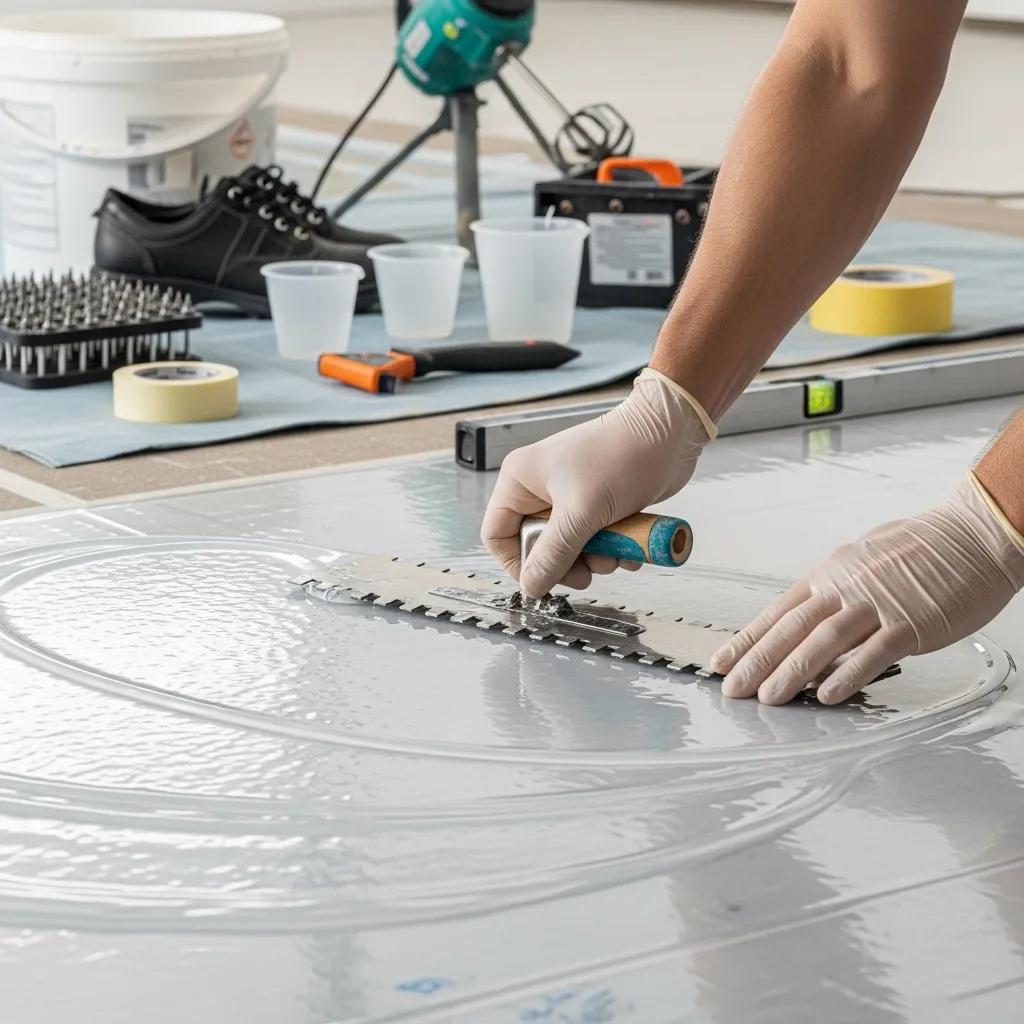
Installing invisible flooring requires careful preparation and experienced installers. A flawless finish depends on a sound substrate, controlled layering, and correct curing. The following outlines common steps and helpful accessories.
Step-by-Step Installation Techniques for Seamless Floors
Work begins with cleaning and leveling the subfloor. Materials are applied in controlled layers, each cured to reach the desired thickness and finish. Proper edge treatments, transitions, and expansion details ensure durability and appearance. Installers monitor humidity and temperature during curing to avoid imperfections.
What Accessories Enhance the Seamless Flooring Effect?
Flush trims, specialized underlays, and flexible adhesives help maintain a continuous surface while adding comfort and stability. For glass floors, discreet support frames and integrated lighting enhance the floating effect. Thoughtful accessory choices preserve aesthetics and extend service life.
Why Are Modern Flooring Trends Favoring Invisible and Minimalist Floors?
The move toward invisible floors reflects broader preferences for simplicity, utility, and longevity. Homeowners want open, ordered spaces; designers seek systems that support light and flexible use. Invisible flooring meets both with a streamlined look and practical performance.
Benefits of Invisible Flooring for Durability and Maintenance
Invisible floors perform well in busy environments. Resin and epoxy resist scuffs and stains and are easy to clean—regular sweeping and occasional damp mopping are usually sufficient. Their long service life and low-maintenance profile suit both homes and commercial projects.
How Invisible Flooring Supports Sustainable and Stylish Interiors
Many seamless-floor systems align with sustainable practices: responsibly sourced materials, long lifespans that reduce replacements, and, in some cases, recyclability. By requiring fewer finishing materials and improving light reflection, these floors can lower environmental impact while maintaining a refined aesthetic.
| Material Type | Characteristics | Applications |
|---|---|---|
| Resin | Durable, versatile, easy to maintain | Residential and commercial spaces |
| Epoxy | High-gloss finish, stain-resistant | High-traffic areas, garages |
| Glass | Unique aesthetic, light-reflective | Showrooms, modern homes |
The table summarizes common invisible-floor materials, their strengths, and typical uses. Choosing the right system depends on use, appearance, and long-term maintenance needs.
Invisible flooring is more than a trend—it’s a practical route to visual clarity and cohesion. As minimalism and thoughtful design continue to influence interiors, seamless floors remain a powerful option for shaping space.
Frequently Asked Questions
What are the main advantages of using invisible flooring in homes?
Invisible flooring creates a continuous surface that visually enlarges rooms and raises natural light levels. Systems like resin and epoxy are hard-wearing and stain-resistant, and require minimal upkeep—regular sweeping and occasional mopping keep them looking fresh.
Can invisible flooring be installed in outdoor spaces?
Yes. Outdoor use needs specialized formulations and careful detailing to withstand UV, moisture, and temperature changes. Proper drainage and surface prep are critical. When done correctly, seamless outdoor floors can connect interior and exterior areas with a consistent aesthetic.
How does invisible flooring compare to traditional flooring options?
Unlike traditional floors with visible seams or joins, invisible flooring reads as one continuous plane and can improve perceived space. Resin and epoxy often offer superior stain resistance and longer wear than carpet or some wood finishes, though traditional materials retain distinct warmth and character.
Is invisible flooring suitable for commercial spaces?
Absolutely. Its durability and ease of maintenance make it ideal for offices, retail, showrooms, and other high-traffic settings. The seamless aesthetic also creates a modern, professional backdrop for many commercial interiors.
What are the potential drawbacks of invisible flooring?
Consider higher upfront costs and the need for skilled installation—errors in preparation or curing can cause problems. The modern aesthetic may not suit every taste. Weigh long-term benefits against initial investment to decide if it’s right for your project.
How can I maintain invisible flooring to ensure its longevity?
Maintenance is straightforward: sweep or vacuum regularly, mop with a mild detergent as needed, and avoid abrasive cleaners. Use protective mats in high-wear areas and inspect the floor periodically so repairs can be addressed early.
Conclusion
Invisible flooring provides a refined, seamless base that enhances light, space, and order in modern interiors. With durable materials such as resin and epoxy and careful installation, it offers a low-maintenance, long-lasting solution for homes and commercial settings. If you want a minimalist, enduring look that supports sustainability and easy upkeep, invisible flooring is worth considering—explore available systems to find one that fits your space.


About The Author