Why Your Floor Feels Warm: Underfloor Heating Explained

For underfloor heating, thermal conductivity determines how warm a floor feels underfoot. Materials like vinyl LVT and laminate retain heat closer to the surface. Stone and tile draw warmth away from your feet rapidly.
Floors feel warm underfoot primarily because certain materials, like solid oak. Engineered wood, conduct and retain heat efficiently, transferring warmth directly to bare feet.
Flooring materials with low thermal conductivity — such as engineered wood and laminate. Retain surface heat more effectively than stone or tile, making floors feel warm underfoot. Underfloor heating compatibility, a feature confirmed in products like the Lusso Flooring Siena Helsinki Herringbone 12mm laminate, further enhances that warmth by distributing heat evenly across the floor surface.
Key Takeaways
- Timber flooring conducts heat efficiently, allowing warmth to travel rapidly throughout your home.
- Water leaks beneath floors create localized hot spots that spread and intensify over time.
- Slab leaks cause specific floor areas to feel warmer than surrounding sections without obvious heat sources.
- Stories Flooring supplies engineered wood and solid oak options that deliver superior warmth underfoot.
Why Does Your Floor Feel Warm Underfoot?
A floor that feels warm to the touch has three primary causes: the thermal properties of the flooring material, an active heating system beneath the surface. A plumbing issue within the structure. Identifying the correct cause early prevents minor discomfort from becoming a costly structural problem.
Warm flooring sensations generally fall into one of these categories:
- Intentional heat — a functioning underfloor heating system radiating warmth evenly across the floor
- Material conductivity — flooring types such as engineered wood that conduct and distribute heat efficiently
- Hidden plumbing faults — a leak beneath the slab transferring heat to the surface above
When Should Homeowners Be Concerned About a Warm Spot?
Localized warmth without an obvious explanation — no nearby heater vent, no direct sunlight, no appliance. Points toward hidden plumbing trouble beneath the floor. That kind of warmth tends to concentrate in one area rather than spread evenly across the room.
What Happens If a Warm Spot Is Left Unaddressed?
Ignoring an unexplained warm patch leads to consequences well beyond discomfort. Over time, an undetected leak beneath the floor can compromise the foundation and drive up water bills significantly. Homeowners who act quickly protect both the structural integrity of the property and the long-term performance of their flooring investment.
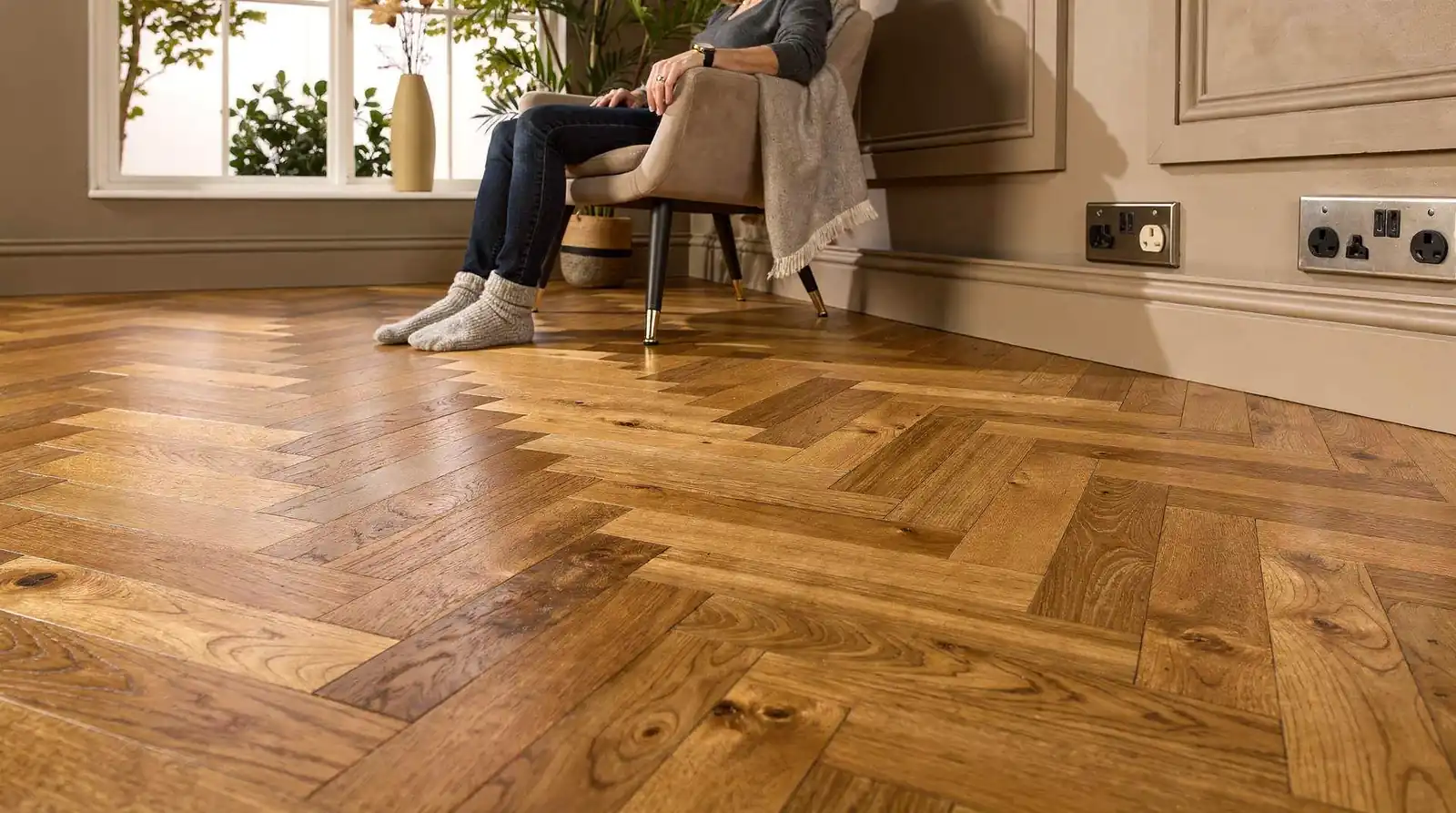
Which Flooring Materials Feel Warmest Underfoot?
Engineered wood and solid timber rank as the warmest flooring materials underfoot, because timber is an excellent heat conductor that moves warmth through a home faster than most alternatives. Choosing the wrong material means homeowners lose both comfort and energy efficiency — a costly trade-off on cooler nights.
| Material | Warmth Underfoot | Notes |
|---|---|---|
| Engineered Wood / Solid Timber | High | Excellent heat conductor; thicker boards add insulation |
| Laminate | Neutral | Warmth depends on subfloor and underlayment |
| Hybrid / Vinyl | Neutral | Cosy factor comes from what sits beneath |
Does Flooring Thickness Affect How Warm a Room Feels?
Thickness makes a measurable difference. Thicker engineered wood boards provide meaningful insulation, helping spaces stay warm and quiet. Qualities that standard thinner boards cannot match. For homeowners creating cosy living areas, selecting a thicker profile is a practical, high-impact decision.
How Does Underfloor Heating Change the Equation?
Underfloor heating transforms neutral materials into genuinely warm surfaces. Laminate, hybrid, and vinyl flooring are neutral in terms of heat on their own, but pairing any of these with a quality warm flooring system beneath dramatically improves comfort. Engineered wood remains the strongest performer here, conducting heat efficiently upward rather than trapping it below.
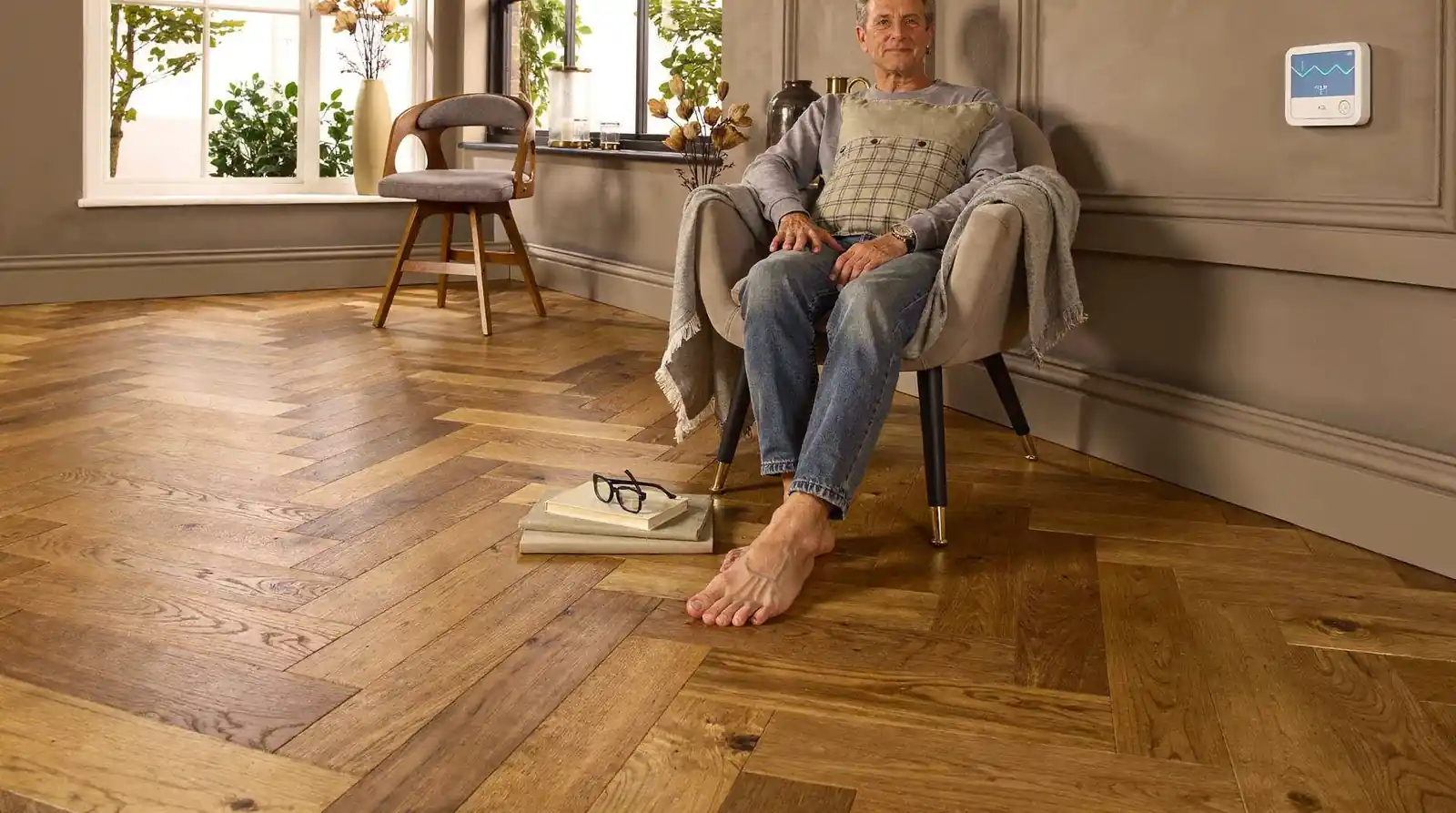
Does Underfloor Heating Make Floors Feel Warm?
Underfloor heating does not necessarily make the floor surface feel hot — and a floor that feels cool to the touch is actually a sign the system is working correctly. A well-designed underfloor heating system targets comfortable air temperature throughout the room, not a warm floor surface.
Why Does the Floor Feel Cool Even When the Heating Is On?
Most homes reach comfortable conditions at an air temperature of around 21°C. Underfloor heating is engineered to achieve that ambient warmth by radiating heat upward gradually. Not by heating the floor itself to a noticeable degree. Homeowners who expect a toasty surface underfoot may mistake an efficient system for a faulty one.
What Flooring Works Best With Underfloor Heating?
Choosing the right floor covering is essential. Engineered wood conducts heat effectively, making it a strong performer over underfloor heating systems. Warm flooring choices that are compatible with underfloor heating include:
- Engineered wood — stable construction resists expansion and contraction
- Laminate options such as the Lusso Flooring Siena Helsinki Herringbone, rated suitable for underfloor heating
- SPC Click Vinyl and LVT, both dimensionally stable under heat
Understanding why flooring feels warm underfoot empowers you to make informed decisions that enhance both comfort and aesthetics in your space. Whether you prioritize the natural warmth of solid oak, the practical performance of engineered wood. The contemporary appeal of vinyl and laminate options, the right flooring choice transforms how your environment feels beneath your feet. Style work together to create spaces that truly resonate with your lifestyle and preferences.
FAQ
Which flooring materials feel warmest underfoot?
Engineered wood and solid timber rank as the warmest options. Timber conducts heat efficiently and moves warmth through a home faster than most alternatives.
Does flooring thickness affect how warm a room feels?
Thicker engineered wood boards provide meaningful insulation, helping spaces stay warmer and quieter than standard thinner boards deliver.
What causes a floor to feel warm underfoot?
Three primary causes exist: the thermal properties of the flooring material, an active underfloor heating system beneath the surface. A hidden plumbing fault within the structure.


About The Author