The Quiet Evolution of Flooring Nobody Noticed
Flooring has changed more than many homeowners realize. Advances in materials and manufacturing, together with a stronger focus on sustainability, have made floors both a design statement and an environmental choice. This article unpacks what’s shaping today’s flooring—from material innovation and popular styles to sustainability priorities and practical care tips—so you can weigh style, performance, and impact when updating a space.
What Are the Latest Modern Flooring Trends in Today's Market?
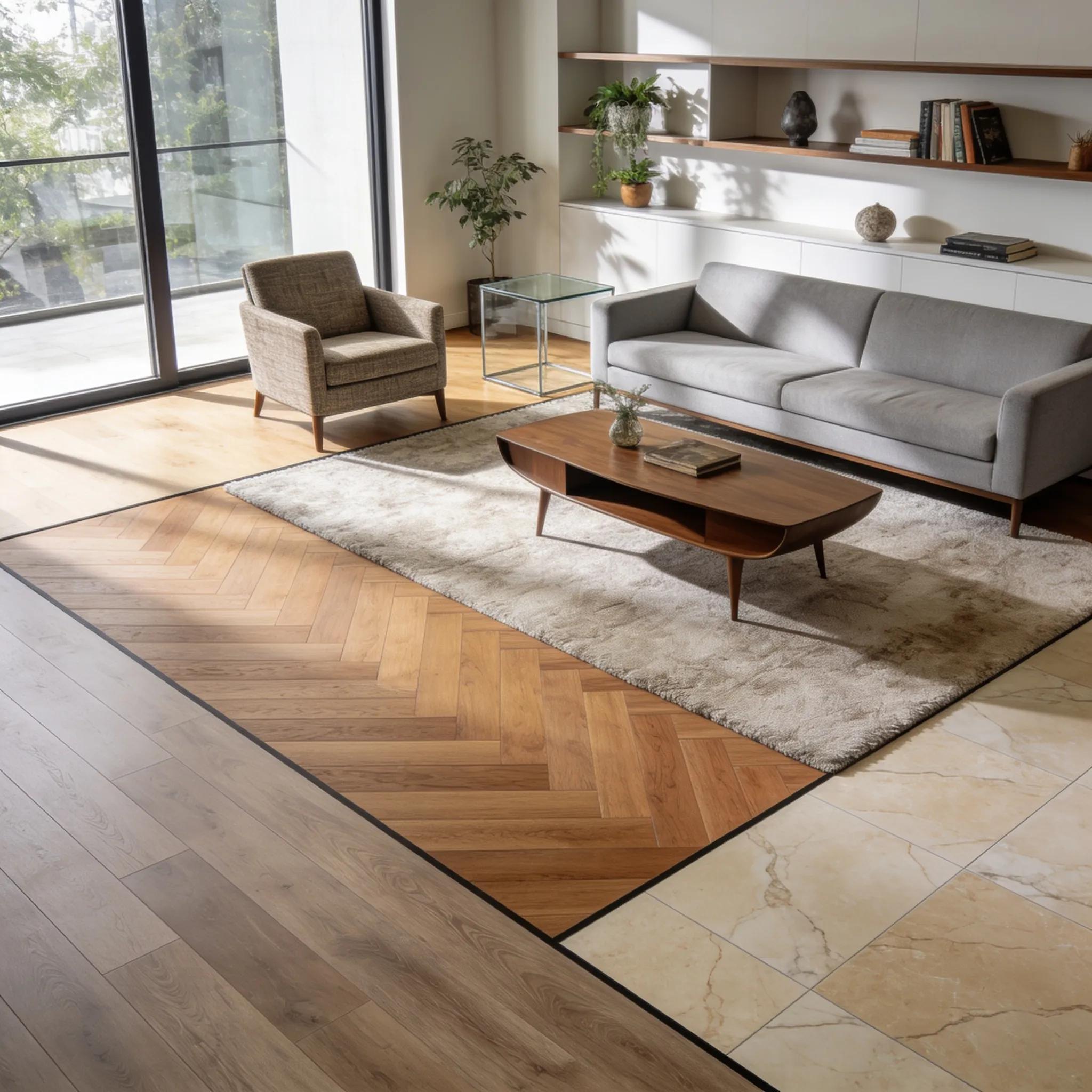
Trends today pair style with practicality. Hybrid floors give natural looks plus durability, and many designers aim for seamless indoor-outdoor transitions so flooring can connect rooms and outdoor areas for a cohesive home flow.
How Are Innovative Flooring Materials Shaping Floor Design?
Materials like luxury vinyl, responsibly sourced wood, and natural stone expand design options. Luxury vinyl mimics wood and stone while resisting daily wear, and renewable choices such as bamboo and cork are valued for lower environmental footprints and warm textures that suit contemporary interiors.
Which Flooring Design Ideas Reflect Current Consumer Preferences?
Buyers want floors that look good and work hard. Wide planks and herringbone add depth and character; textured surfaces and richer tones let people personalize rooms. Practical comfort—how a floor feels underfoot and fits a lifestyle—matters as much as appearance.
How Do Sustainable Flooring Options Contribute to Eco-Friendly Homes?
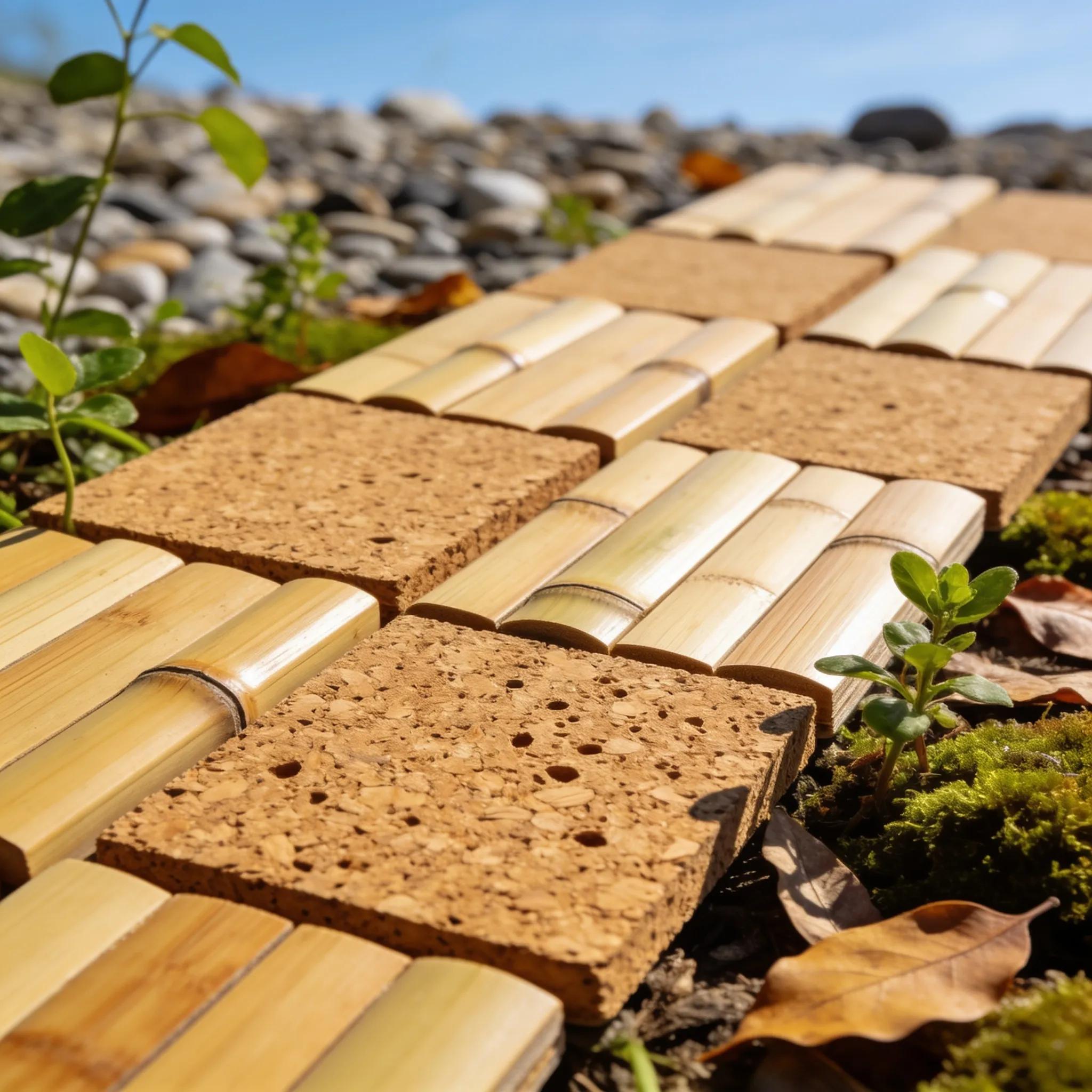
Sustainable flooring lowers the environmental cost of building and remodeling. Many eco-friendly options come from renewable or reclaimed sources and often have smaller carbon footprints than conventional materials. They can also improve indoor air quality and support responsible sourcing practices.
| Flooring Type | Sustainability Feature | Long-Term Benefit |
|---|---|---|
| Bamboo | Fast-growing, renewable resource | Lower environmental impact |
| Cork | Harvested without harming the tree | Natural insulation and comfort |
| Reclaimed Wood | Reduces demand for new timber | Distinct character and history |
These materials show you can combine sustainability with style—each delivers a distinct look plus practical benefits for the home.
What Are the Benefits of Using Sustainable Flooring Materials?
Sustainable floors often prove durable and low-maintenance, lowering lifetime costs. Options such as cork and bamboo resist mold and pests naturally, improving indoor health. Choosing responsibly sourced or reclaimed materials also reduces waste and eases pressure on forests.
Which Eco-Friendly Flooring Types Are Gaining Popularity in 2026?
Into 2026, bamboo remains popular for renewability and a clean look; cork is prized for thermal and acoustic comfort; reclaimed wood retains appeal for its unique character and conservation benefits.
Why Are Luxury Vinyl Flooring Advantages Quietly Transforming the Industry?
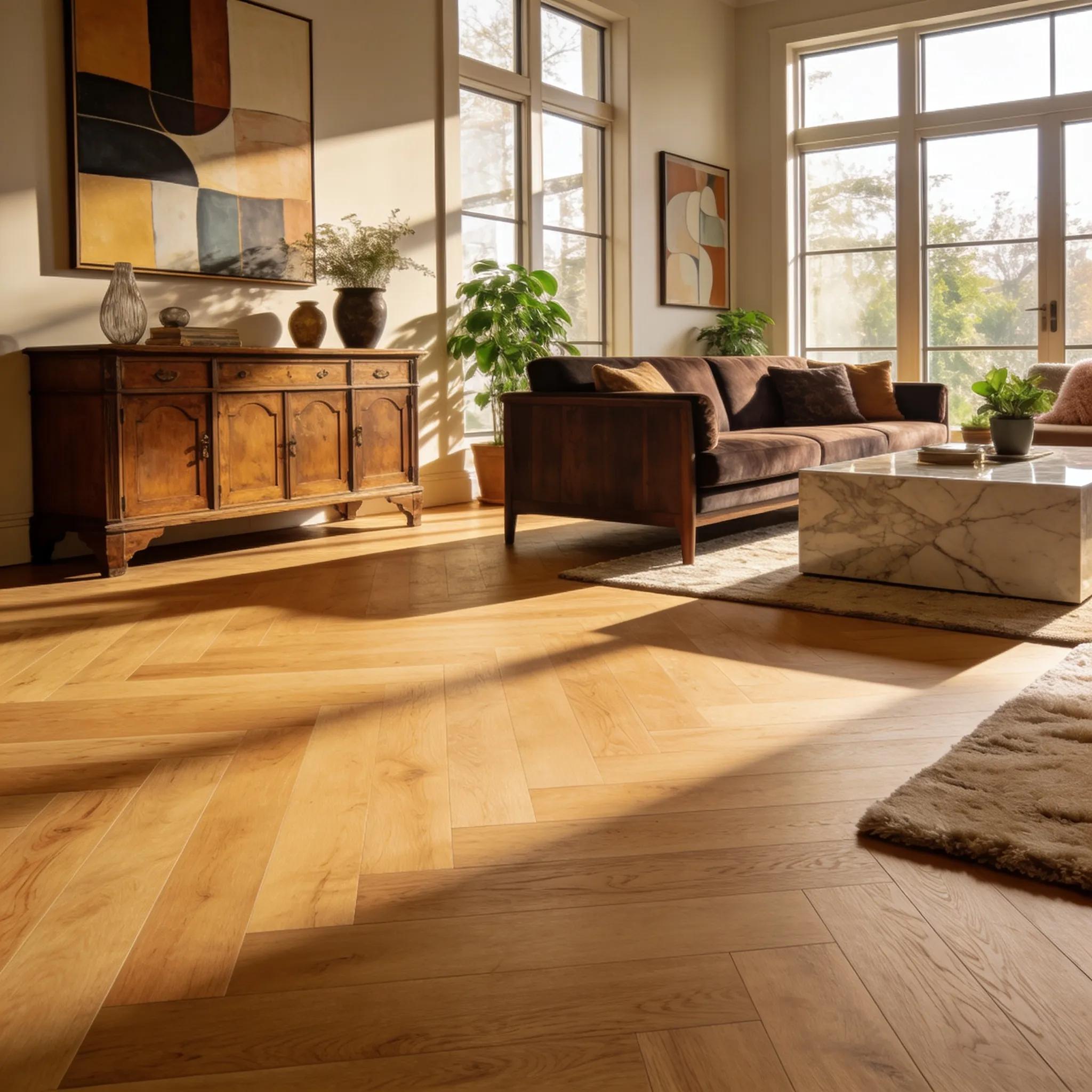
Luxury vinyl blends durability, variety, and cost-effectiveness. It convincingly imitates natural materials, resists moisture and wear, and suits kitchens, bathrooms, and busy family areas where natural materials might struggle.
What Makes Luxury Vinyl Flooring More Durable Than Hardwood?
Many luxury vinyl products have a tough wear layer that resists scratches and stains and are moisture-resistant, so they tolerate rooms where hardwood would be vulnerable. With routine care, they can remain attractive for years.
How Does Luxury Vinyl Flooring Support Design Versatility and Innovation?
Advances in manufacturing let luxury vinyl reproduce wood, stone, and bold patterns with realism, opening options from classic to modern looks without the upkeep natural materials demand.
What Are Essential Flooring Accessories and Maintenance Tips for Longevity?
Proper accessories and care extend any floor’s life. Place mats and rugs in high-traffic spots, clean to remove grit, and use protective pads under furniture. Small, consistent habits preserve appearance and performance.
Which Accessories Enhance Flooring Performance and Appearance?
Underlayments add comfort and sound control, transition strips create neat joins, and furniture pads prevent dents. Use floor-care products made for your material—using the right cleaner preserves finish and performance. For more options, see our cleaning products guide.
What Maintenance Practices Best Preserve Modern Flooring Investments?
Sweep or vacuum regularly, then damp-mop with recommended cleaners. Inspect floors and address minor damage early. For hardwood, occasional refinishing restores appearance and extends life.
Focusing on sustainable materials, the practical advantages of luxury vinyl, and smart maintenance helps homeowners choose floors that look great and last.
Frequently Asked Questions
1. How can I choose the right flooring for high-traffic areas?
Choose durable, moisture-resistant, and low-upkeep floors. Luxury vinyl, laminate, and tile are strong options. Look for textured finishes and order samples to test performance at home.
2. What are the eco-friendly certifications to look for in flooring materials?
Look for FSC for responsibly sourced wood and GREENGUARD for low emissions. Cradle to Cradle assesses recyclability, and Energy Star can signal energy-related efficiencies—these labels help compare environmental claims.
3. How does flooring affect indoor air quality?
Flooring can emit VOCs and trap dust. Low-emission materials (certified bamboo, cork, natural linoleum) and regular cleaning, plus low-VOC installation products, help maintain healthier indoor air.
4. What is the average lifespan of different flooring types?
Hardwood: 25–100 years with care; luxury vinyl: 10–20 years; laminate: 15–25 years; tile: 20–75 years. Lifespan depends on quality, installation, and maintenance.
5. Are there any new technologies in flooring installation?
Yes. Click-lock systems speed floating installations without adhesives. Moisture sensors, integrated floor heating, pre-finished products, and improved self-leveling compounds also simplify and protect installations.
6. What maintenance should I expect for eco-friendly flooring options?
It varies: bamboo and cork need sweeping and occasional damp mopping; reclaimed wood may need periodic oiling or refinishing; luxury vinyl benefits from gentle cleaners. Follow manufacturer guidance.
The Quiet Evolution of Flooring Nobody Noticed
Keeping up with flooring trends helps balance aesthetics, function, and environmental impact. Choosing durable, eco-conscious materials and investing in proper care improves indoor comfort and extends floor life. If you’re ready to update your space, explore sustainable flooring options that fit your style and values.


About The Author