


The Evolution of the Kitchen Floor
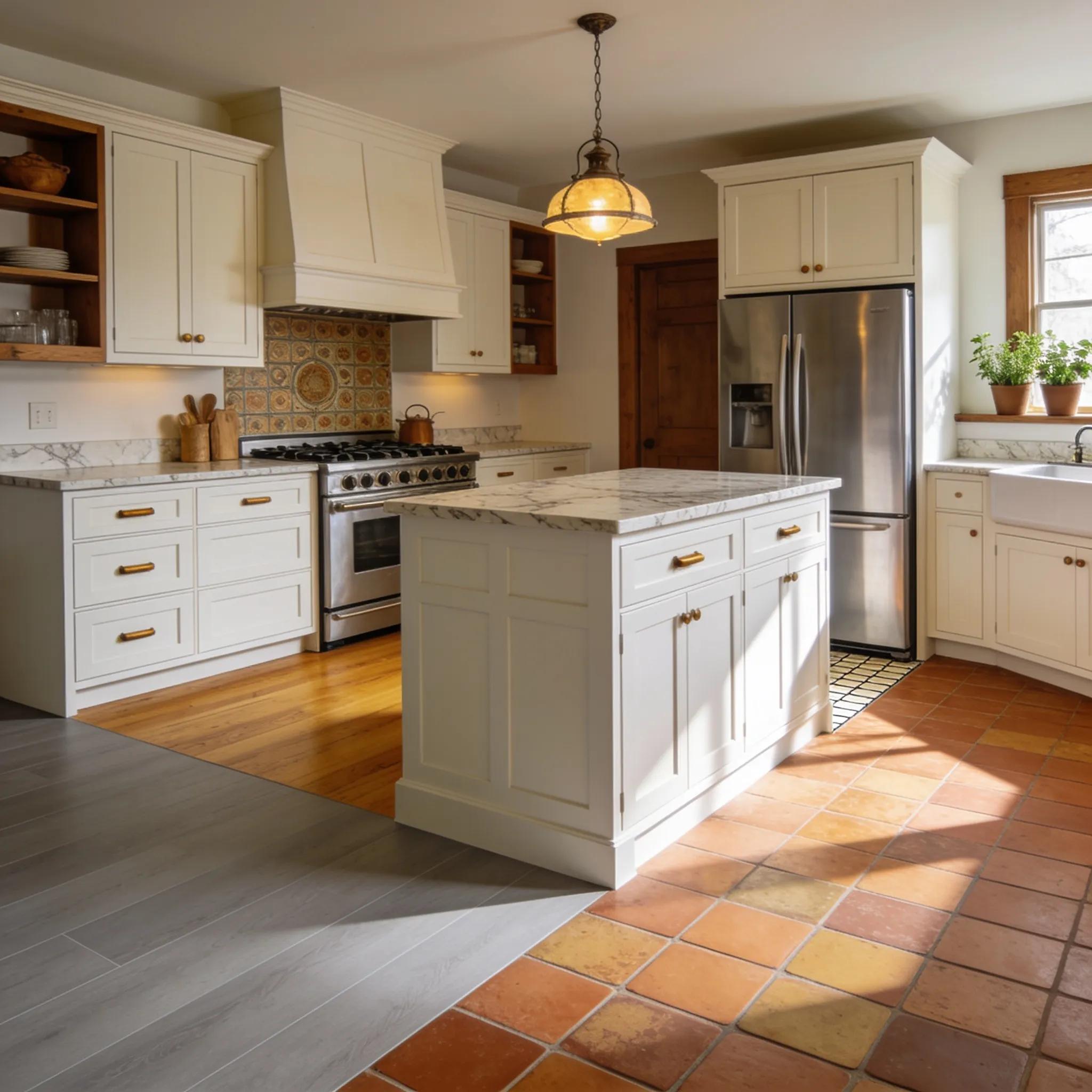
Kitchen floors have evolved from vintage patterns to sleek modern finishes, and many homeowners now favor durable, attractive, and more sustainable choices. This guide summarizes popular materials, DIY tips, retro revival ideas, and eco-friendly options to help you choose a floor that fits your needs and values.
What Are the Latest Modern Kitchen Flooring Materials?
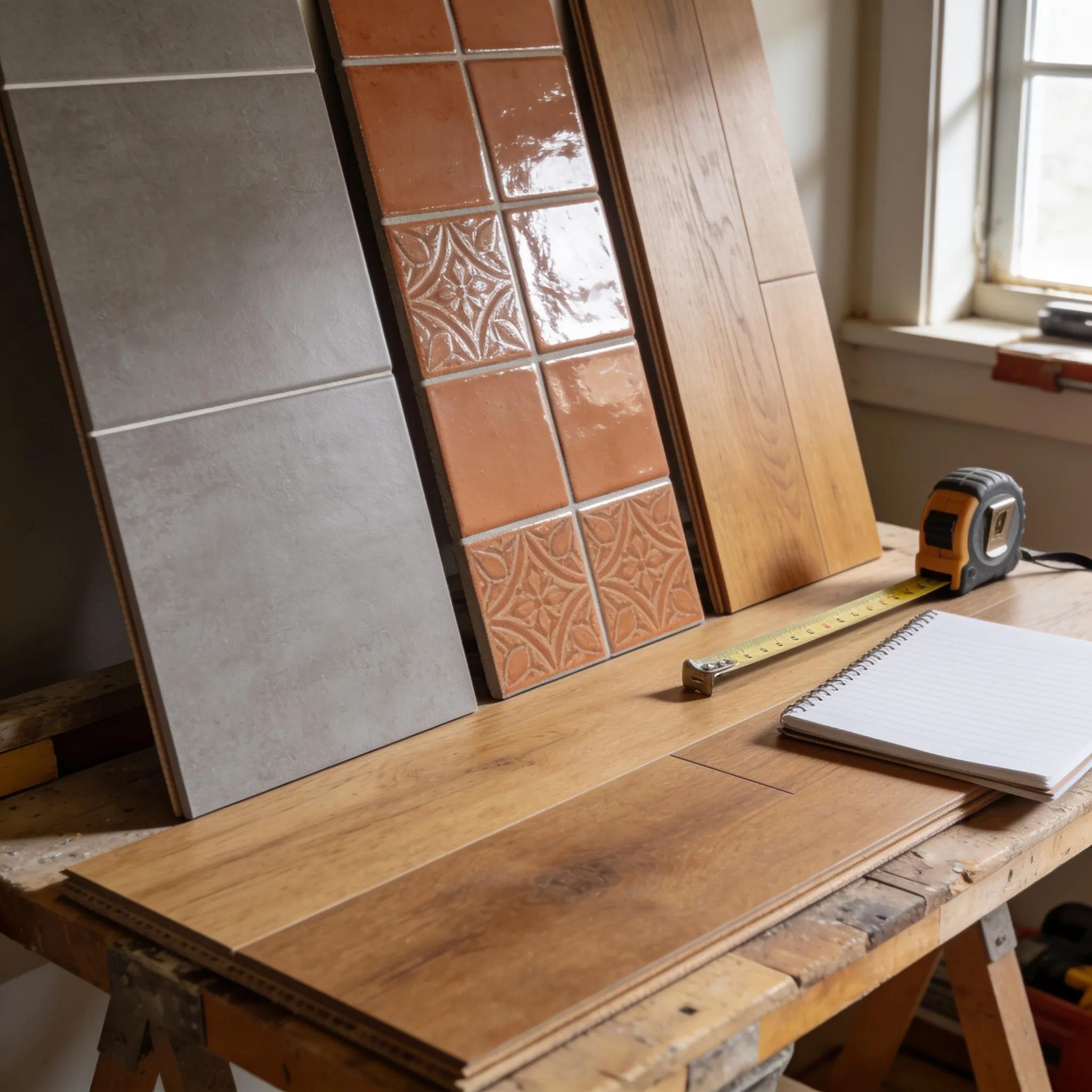
Common modern picks are vinyl, tile, and hardwood. Vinyl is affordable and water-resistant, tile is extremely durable and easy to clean, and hardwood adds warmth and long-term value.
| Material | Durability | Installation Cost |
|---|---|---|
| Vinyl | Moderate | Low (around $1-$3 per sq. ft.) |
| Tile | High | Moderate (about $5-$12 per sq. ft.) |
| Hardwood | Very High | High ($6-$15 per sq. ft.) |
Your choice depends on how you use the kitchen, your budget, and the look you want; match the floor to daily needs and your overall design.
How Do Popular Materials Like Vinyl, Tile, and Hardwood Compare?
Quick comparison:
- Vinyl: Waterproof, stain-resistant, and available in many styles that mimic pricier materials.
- Tile: Extremely durable and low-maintenance, though it can feel hard and cool underfoot.
- Hardwood: Warm and timeless with high resale value; needs more care and moisture protection.
Consider comfort, upkeep, and expected lifespan when choosing.
Which Material Offers the Best Durability for Kitchen Use?
Tile is typically the most durable for heavy use and moisture. Sealed hardwood can last decades with care but is more sensitive to spills. Vinyl holds up well for everyday wear and is low-maintenance, though it generally won’t match tile or hardwood for extreme longevity.
How Can You Install Kitchen Flooring Yourself? Essential Kitchen Floor Installation Tips
DIY installation can save money if you prepare carefully and follow product guidance. Many homeowners get professional-looking results with proper prep and tools.
What Tools and Steps Are Needed for DIY Kitchen Floor Installation?
Useful tools:
- Measuring tape — accurate measurements are essential.
- Tile cutter or utility knife — use the right cutting tool for your material.
- Level — ensure the subfloor is flat.
- Adhesive or nails — depends on the material.
Typical steps:
- Preparation: Remove old flooring, clean, and level the subfloor.
- Measurements: Measure and plan cuts to minimize waste.
- Laying: Start from a chosen reference point for a balanced layout.
- Finishing: Trim, add transitions, and seal edges.
Careful prep and patience are the keys to a neat, durable finish.
How to Choose the Right Installation Method Based on Flooring Material?
Match method to material: vinyl often uses adhesive or click-lock systems; tile needs mortar and grout; hardwood can be nailed, glued, or floated. Use manufacturer guidance for best results.
What Are Trending Retro Kitchen Flooring Ideas and Styles?
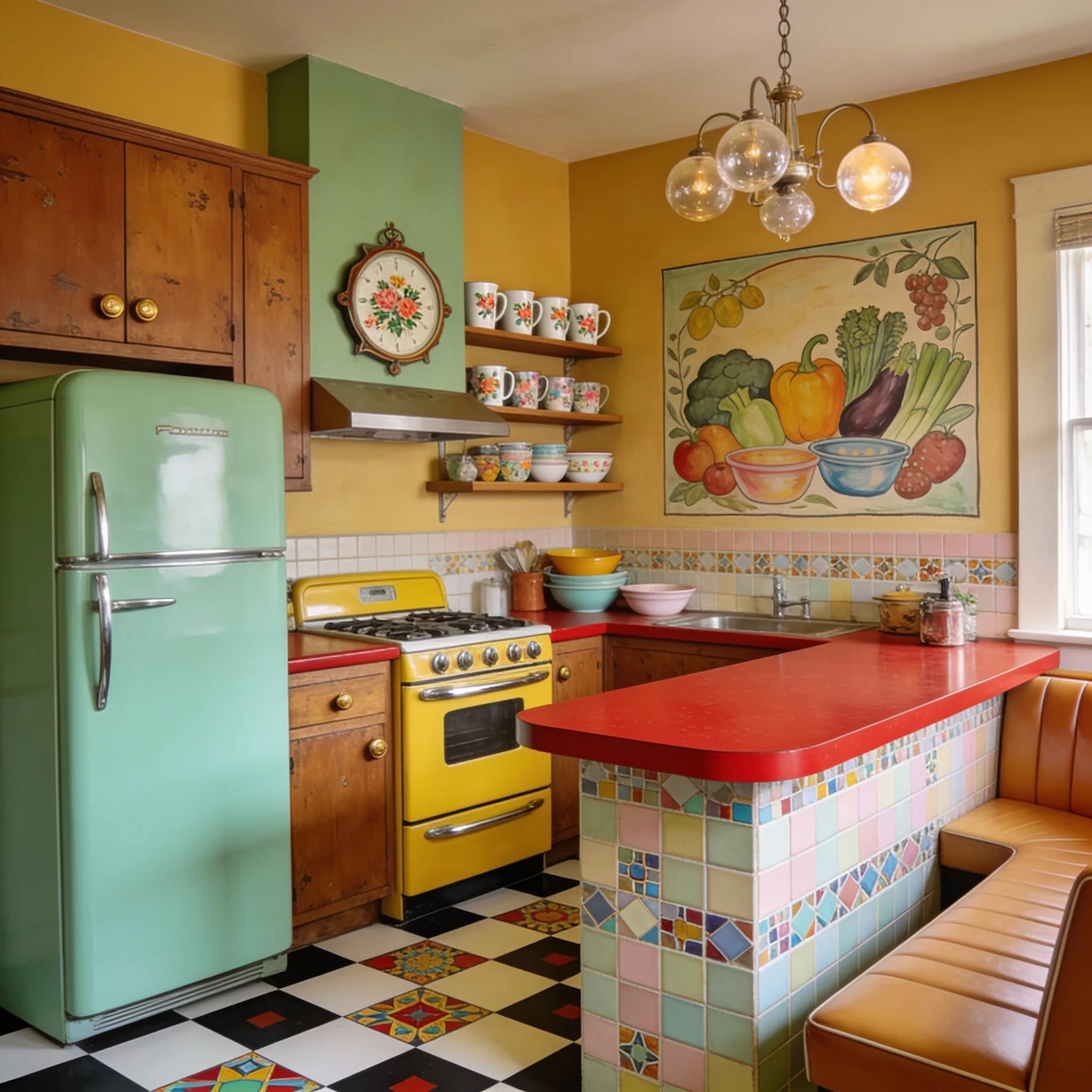
Retro flooring mixes nostalgic patterns with modern finishes to add character and warmth to contemporary kitchens.
Which Vintage Kitchen Flooring Styles Are Making a Comeback?
Popular retro styles include:
- Checkerboard patterns — bold, timeless graphic impact.
- Linoleum — colorful, resilient midcentury options that have returned in updated forms.
- Mosaic tile — small-format tiles for detailed accents or focal areas.
These looks pair well with modern fixtures for an eclectic, layered aesthetic.
How to Restore and Maintain Retro Kitchen Floors?
Restoration depends on material, but core steps are similar:
- Regular cleaning — use gentle cleaners that won’t strip finishes.
- Refinishing — refinish hardwood where appropriate to restore protection and shine.
- Prevention — use rugs or runners in high-traffic areas to reduce wear.
Routine care and occasional maintenance keep retro floors functional and attractive.
Which Eco Friendly Kitchen Floors Are Best for Sustainability and Style?
More sustainable materials now offer practical performance and appealing looks.
What Are the Benefits of Bamboo, Cork, and Recycled Composite Floors?
Key advantages:
- Bamboo — fast-growing, durable, and visually similar to hardwood.
- Cork — soft underfoot, insulating, and biodegradable.
- Recycled composites — made from reclaimed materials to reduce waste while offering low-impact surfaces.
Sustainable choices can balance durability and environmental impact without sacrificing style.
How Do Sustainable Floors Impact Kitchen Durability and Maintenance?
Bamboo and cork are resilient (cork is softer than tile), and many eco floors need milder cleaners. Lower end-of-life impacts make them a sensible long-term option for eco-conscious homeowners.
Frequently Asked Questions
1. What considerations should I keep in mind when choosing kitchen flooring?
Think durability, maintenance, cost, and comfort. Match the floor to how the kitchen is used and your desired look.
2. Are there different installation methods for various kitchen flooring types?
Yes. Vinyl: glued or click-lock; tile: mortar and grout; hardwood: nailed, glued, or floated. Follow manufacturer instructions.
3. How do eco-friendly flooring options compare in price to traditional options?
Prices vary. Bamboo and cork often sit near mid-range hardwood prices; recycled composites can be more budget-friendly. Consider life-cycle costs and resale appeal.
4. How can I blend vintage styles with modern kitchen designs?
Mix eras by pairing vintage floors (like checkerboard or linoleum) with contemporary cabinets, lighting, and simple hardware for balance.
5. What are the best cleaning practices for maintaining kitchen floors?
Sweep regularly and clean spills promptly. Use a slightly damp mop and gentle cleaner for hardwood, pH-neutral cleaners for tile, and manufacturer-recommended products for vinyl. Rugs protect high-traffic zones.
6. Can I install kitchen flooring over existing floors?
Sometimes. Vinyl can often go over sound, level substrates; tile usually needs a flat, solid base. Always check product guidance and prepare the subfloor.
7. What trends are currently popular in kitchen flooring design?
Trends include large-format tiles, natural materials like bamboo and cork, revived vintage patterns, neutral palettes, and textured finishes.
Conclusion
Your kitchen floor affects both function and style. Whether you choose tile, vinyl, hardwood, bamboo, or cork, pick a material that fits daily use, maintenance preferences, and design goals to get lasting results that reflect your values.

