


Why Homeowners Are Choosing “Imperfect” Flooring on Purpose
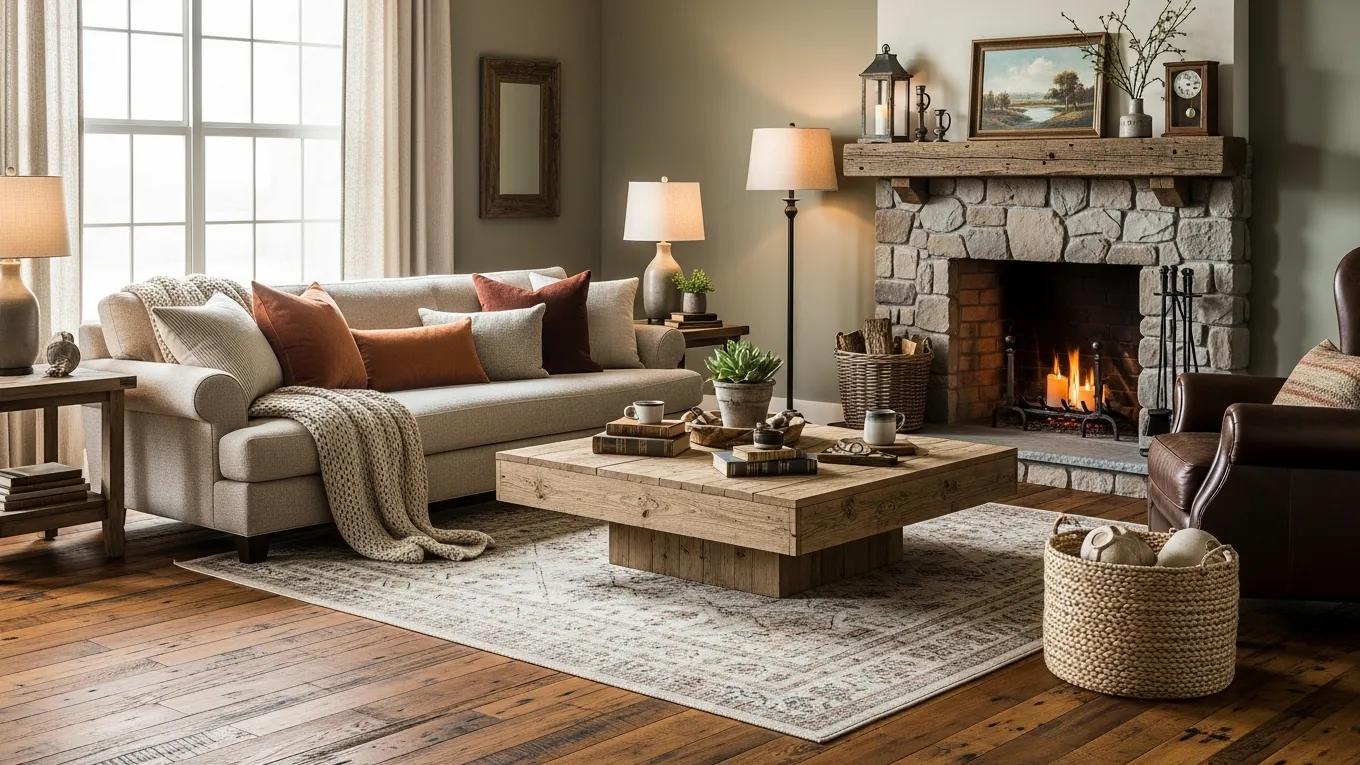
More homeowners are choosing floors that celebrate imperfection — reclaimed planks, rustic hardwood, and textured finishes. These options lend distinctive character and a lived-in warmth that mass-produced floors can’t match. Beyond aesthetics, they often offer environmental and practical advantages. Below we outline why imperfect flooring is a smart, stylish choice and how to care for and complement it.
What Makes Reclaimed Wood Flooring a Popular Choice?
Reclaimed wood appeals because each board carries history: old-growth grain, patina, and marks from years of use. Sourced from barns, warehouses, and deconstructed buildings, reclaimed planks reduce demand for new timber and keep useful material out of landfills. The result is a warm, personal floor with clear sustainability benefits.
How Does Reclaimed Wood Flooring Support Sustainability?
Reclaimed wood lowers the need for fresh lumber and the environmental cost of logging by reusing materials that would otherwise be discarded. Salvaging and repurposing existing wood keeps embodied carbon in place and reduces waste. Reclaimed boards often need less milling and fewer chemical treatments, so their overall footprint is commonly smaller than new lumber.
Aestheticization of Imperfections in Sustainable Design
Using discarded or surplus materials in design is a practical way to advance sustainability while creating a unified aesthetic from items once deemed flawed. This research examines how designers can embrace material imperfections—through psychophysical, organizational, and semantic approaches—illustrated by a case study of an interior door made from waste pinewood.
Aestheticising material imperfections: Diverse waste, N Sander, 2025
What Unique Character Does Reclaimed Wood Bring to Homes?
Reclaimed wood gives rooms an unmistakable individuality: mixed grain patterns, weathered edges, and subtle color shifts that tell a story. No two planks are identical, so the floor becomes a focal point that adds depth and personality. Homeowners seeking a curated, non-cookie-cutter look often choose reclaimed materials for that reason.
Why Are Rustic Hardwood Floors Gaining Appeal Among Homeowners?
Rustic hardwood creates cozy, authentic interiors that feel relaxed and timeless. These floors highlight natural features — pronounced knots, varied boards, and organic tones — helping rooms feel grounded and welcoming. The rustic aesthetic suits everything from modern farmhouse to eclectic urban flats.
How Do Rustic Floors Enhance Aesthetic Warmth and Authenticity?

Rustic floors add warmth by showcasing real wood’s texture and color variation. Knots, bevels, and grain differences create visual interest that softens sharp modern lines and gives rooms a comfortable, lived-in feel. For homeowners who value honest materials, rustic hardwood reads as genuine and inviting.
What Maintenance Is Needed for Rustic Hardwood Floors?
Maintenance is simple with a routine: sweep or vacuum regularly, use a slightly damp mop when needed, and protect high-traffic zones with area rugs. Periodic recoating or resealing preserves the surface; minor scuffs often contribute to the floor’s patina rather than detract from it.
What Are the Advantages of Textured and Distressed Wood Floors?
Textured and distressed floors combine visual depth with practical benefits. Their finishes create shadow and dimension while masking everyday wear. In busy homes, textured surfaces hide scuffs and make maintenance more forgiving without sacrificing style.
How Do Textured Floor Finishes Add Depth and Character?

Finishes such as hand-scraping, wire-brushing, or wire-washing create contrast between grain and surface that reads as texture by sight and touch. These effects catch light unevenly across the floor, giving rooms a richer, layered appearance. Homeowners can select subtle or pronounced texture to match their style.
Are Distressed Wood Floors Durable and Easy to Maintain?
Many distressed finishes are designed to be durable and low-maintenance. Because the finish already includes simulated wear, real nicks and dents tend to blend in, often reducing the need for frequent refinishing and creating a forgiving surface for families and pets.
How Can Flooring Accessories Complement Imperfect Flooring Styles?
The right accessories make imperfect floors look deliberate and polished. Rugs, coordinating furniture, and purposeful décor highlight a floor’s strengths and help create a cohesive room.
Which Accessories Enhance the Look of Reclaimed and Rustic Floors?
Area rugs in natural fibers and muted tones ground reclaimed and rustic floors while protecting high-use areas. Furniture in complementary materials — reclaimed wood tables, iron or matte-metal accents, and vintage pieces — reinforces the floor’s story. Layering textiles and tactile materials unifies the palette and balances textures.
What Installation Tips Ensure Longevity of Imperfect Floors?
Proper installation is essential. Acclimate wood to your home’s humidity, use the correct underlayment to manage moisture, and follow recommended spacing and fastening methods for the species and plank width. Seal edges and transitions to prevent moisture intrusion, and consider hiring an installer experienced with reclaimed or textured products.
Frequently Asked Questions
What are the cost implications of choosing reclaimed wood flooring?
Costs vary by rarity, sourcing, and preparation. Some reclaimed options are pricier up front, but their durability and timeless appeal can deliver long-term value. Savings may come from avoiding frequent replacement, and eco-friendly projects in some regions may qualify for incentives. Consider provenance and milling needs when budgeting.
How does the installation process differ for rustic hardwood floors?
Installation often requires extra care to preserve character: careful acclimation, mindful layout to showcase varied boards, and precise fastening to avoid gaps. Installers may use specific adhesives or nail patterns for wider planks or irregular faces. A pro familiar with rustic installs helps prevent common problems like uneven spacing or poor sealing.
Can textured wood floors be refinished, and how often should this be done?
Textured floors can be refinished, though methods depend on the surface. Hand-scraped or wire-brushed boards sometimes need specialized sanding to maintain their look. Refinishing frequency depends on wear and finish type; many homeowners find every 5–10 years is typical.
What environmental benefits do rustic and textured floors offer?
These floors often use reclaimed or responsibly sourced wood, reducing waste and demand for new timber. Lighter processing and longer useful life also lower environmental impact. Choosing them supports more circular building practices and can be part of a sustainable home strategy.
How do I choose the right flooring accessories for my rustic floors?
Match accessories to the floor’s palette and texture: choose rugs, cushions, and decor that echo natural tones and tactile materials. Layering textures — for example, a woven rug over a hand-scraped floor — adds depth without competing. Aim for balance so accessories highlight rather than overpower the flooring.
What are the common misconceptions about distressed wood floors?
A common myth is that distressed floors are fragile; in fact, many are built to hide wear and perform well in active homes. Another misconception is that they need constant upkeep — their worn-in look often means minor imperfections blend in, so refinishing can be less frequent. Knowing the finish and maintenance needs sets realistic expectations.
Conclusion
Imperfect flooring — reclaimed, rustic, or textured — blends personality, practicality, and sustainability. These floors age gracefully, mask everyday wear, and make rooms feel warm and authentic. With proper installation, care, and the right accessories, they’re a durable, stylish choice that adds long-term value. Explore curated options to find styles that suit your home and lifestyle.


