


What Does "Finished" Floors Actually Look Like?
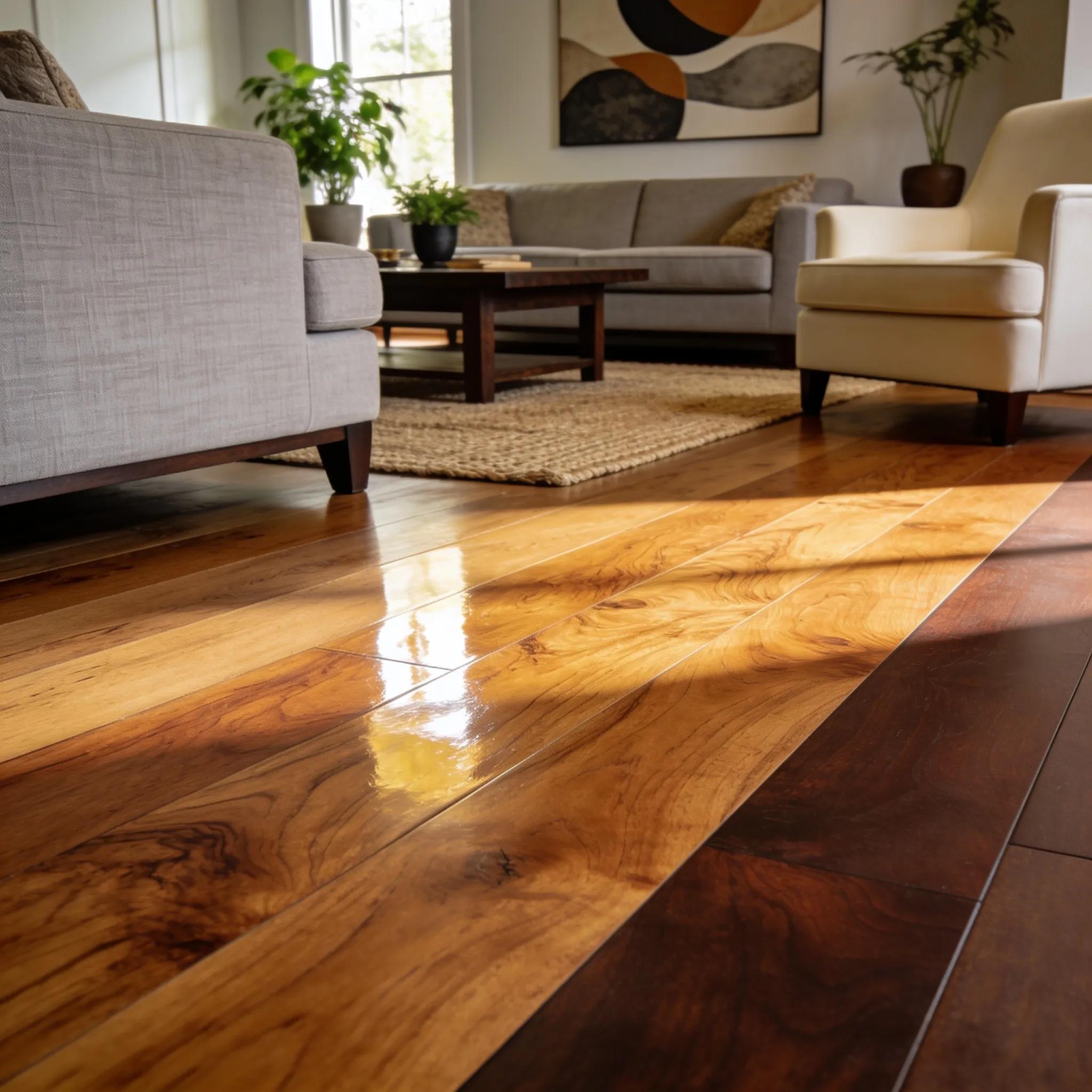
The look of a finished floor shapes the whole feel of a room. Knowing the main finish types and how they affect color, sheen, and texture helps you pick flooring that fits your home and lifestyle. This guide walks through common wood floor finishes, compares hardwood and laminate looks, highlights key 2023 trends, and shares practical care tips to keep your floors looking their best. You’ll learn how each finish changes the appearance and what benefits to expect.
What Are the Common Wood Floor Finish Types and Their Appearances?
Picking a finish starts with understanding the options and their visual effects. The most common finishes — oil-based, water-based, and wax — each give wood a distinct look and offer different levels of protection.
| Finish Type | Appearance Characteristics | Typical Use |
|---|---|---|
| Oil-Based Finishes | Warmer tones, deepens and highlights the grain | Living rooms and busy family spaces |
| Water-Based Finishes | Clearer, less yellowing over time; dries faster | Homes and commercial spaces where quick turnaround matters |
| Wax Finishes | Soft, low sheen that’s easy to spot-repair | Historic homes and furniture restoration projects |
This snapshot makes it easier to match a finish’s look and performance to the room you’re updating.
How Do Polyurethane and Oil-Based Finishes Differ in Look and Feel?
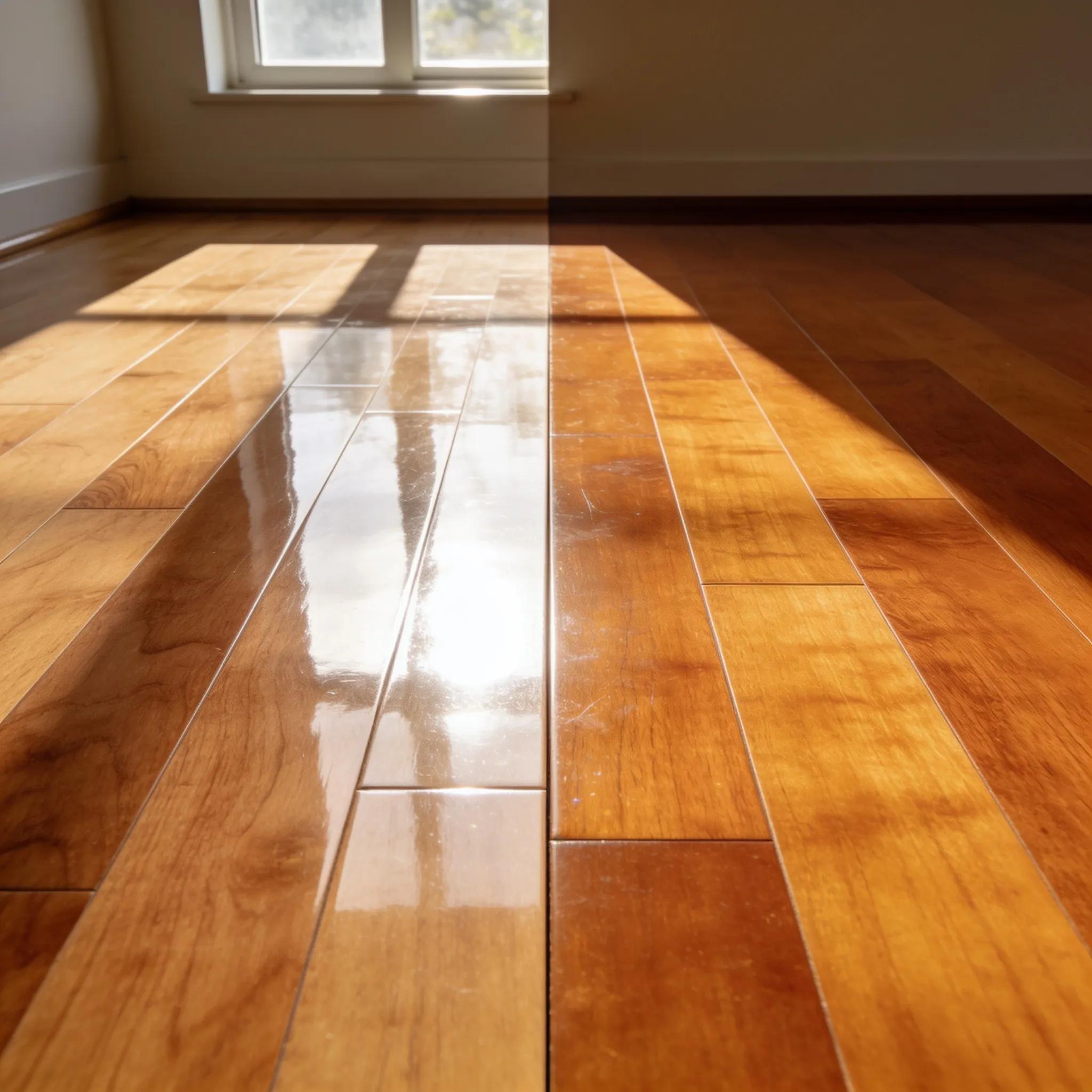
Polyurethane typically creates a tougher, glossier surface that makes colors pop and adds visual depth. Oil-based finishes soak into the wood, producing a warmer, more natural expression of grain and color. Many homeowners prefer the tactile warmth of oil finishes, while polyurethane is often chosen for areas that need extra durability.
What Are the Sheen Levels Explained: Matte, Satin, and Glossy Finishes?
Sheen changes both appearance and practicality. Matte finishes give a flat, understated look that hides imperfections. Satin offers a soft glow that bounces light gently. High-gloss finishes make colors vivid and reflective, but they also show dust and scratches more readily. Choose a sheen based on the look you want and how much upkeep you’re willing to do.
How Can You Compare Hardwood and Laminate Floor Finishes Visually?
Hardwood and laminate can achieve similar styles, but finished hardwood and laminated surfaces read differently in a room. Knowing those differences helps you pick the right material for your design and budget.
What Does a Finished Hardwood Floor Look Like Versus Laminate?
A finished hardwood floor shows natural color and texture variations, with depth that highlights grain. Laminate aims to mimic that look but generally appears more uniform and flat. If you want character and natural variation, hardwood typically delivers; if you prefer consistency and lower cost, laminate can be a good choice.
Which Finish Type Offers Better Durability and Gloss?
For wear resistance, hardwood sealed with a robust polyurethane finish often outperforms many laminate surfaces. Laminate, however, is engineered to resist scratches and moisture and can be very practical in busy areas. Gloss levels vary by product: high-gloss polyurethanes will be reflective, while many laminates trend toward matte or satin looks.
What Are the Trending Flooring Appearance Styles and Colors for 2023?
2023 trends favor natural, grounded looks and eco-conscious choices. Designers and homeowners are leaning toward finishes and colors that feel timeless and pair well with sustainable materials.
Why Are Matte Finishes Rising in Popularity for Modern Floors?
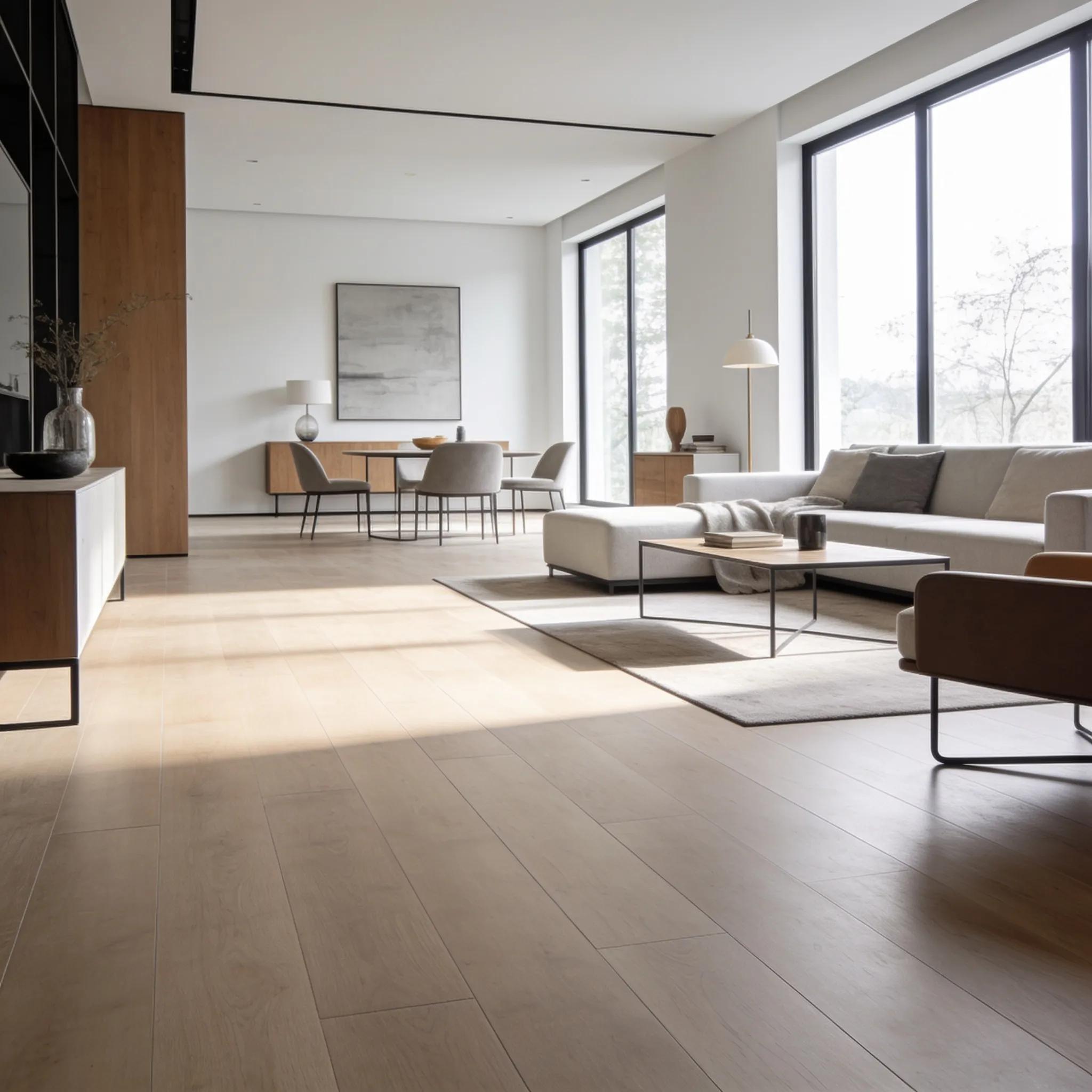
Matte finishes are growing in popularity because they reduce glare, conceal wear, and create a calm, authentic backdrop for modern interiors. They complement minimal and natural design trends, letting textures and furnishings take center stage.
Which Wood Floor Colors and Stains Lead 2023 Flooring Trends?
Neutral and earthy tones are dominant—think soft grays, warm beiges, and gentle browns. These hues provide flexibility and longevity, making it easy to update decor without replacing floors. Test stains in your space to see how light and surrounding colors influence the final look.
How Do You Maintain and Extend the Life of Your Finished Wood Floors?
Routine care keeps finished floors looking great and protects your investment. Different finishes need different care, so tailoring maintenance to the finish type pays off.
What Are the Best Practices for Cleaning and Recoating Finished Floors?
Use a microfiber mop and cleaners made for finished wood to remove dirt without harming the surface. For worn surfaces, recoating with a compatible finish every few years can refresh appearance and strengthen protection, especially in busy spots.
How Often Should Different Floor Finishes Be Reapplied or Polished?
Refinishing schedules vary: oil-based finishes often need attention every 3–5 years, while water-based systems might require touch-ups every 2–4 years depending on traffic. Regular polishing and spot repairs can extend time between full recoats.
Frequently Asked Questions
What factors should I consider when choosing a wood floor finish?
Think about the wood species, how the room is used, and the look you want. Durability matters in high-traffic areas, while warmth and tone might be more important in living spaces. Also weigh maintenance needs and sheen—higher gloss shows flaws more easily, while matte hides them. These considerations help you choose a finish that suits both style and function.
Can I combine different finish types on my floors?
Mixing different finish types is risky because they don’t always bond well together. Different application methods and drying times can lead to peeling or uneven wear. If you’re set on mixing finishes, consult a professional to confirm compatibility—but uniform application across a space is usually safer.
What are the environmental impacts of different wood floor finishes?
Finish types vary in environmental impact. Water-based finishes typically emit fewer VOCs and are better for indoor air quality. Oil-based finishes can be more durable but often have higher VOC levels and require more ventilation during application. Natural oils and waxes offer lower-impact alternatives—look for low-VOC certifications when choosing products.
How do I know if my floor needs re-finishing?
Signs you need refinishing include widespread scratches, persistent dullness, or uneven discoloration despite regular cleaning. A simple test: put a few drops of water on the floor—if it beads, the finish is still intact; if it soaks in, the finish needs attention.
What maintenance tips help preserve the finish on wood floors?
Keep a consistent routine: sweep or use a microfiber mop daily, avoid harsh cleaners, and buff occasionally to maintain sheen. Use rugs in heavy-use areas and felt pads under furniture to prevent scratches. Schedule professional cleaning and recoating as needed based on finish type and wear.
Are there specific stains or colors that enhance the appearance of wood finishes?
Yes. Lighter stains highlight grain and brighten a room, while darker stains add depth and warmth. Grays remain popular for a contemporary look. Always try samples on your actual floor and view them in different lighting before committing.
Conclusion
Knowing how different finishes change the look and performance of wood floors helps you choose the right option for your home. Each finish brings its own mix of durability, appearance, and care needs—so match your choice to how you live and the style you want. Explore our curated finish options to find the perfect fit for your space.


