


The Race for Truly Waterproof Wood Floors
SPC Click Vinyl wins the race for truly waterproof flooring, outperforming engineered wood and laminate. Its rigid stone-polymer core resists water completely, unlike timber-based options, making it the definitive choice for kitchens, bathrooms and busy households nationwide.
Genuine waterproof performance comes from engineered construction and smart core technology, not marketing labels. Genuinely water-resistant Engineered Wood and SPC Click Vinyl represent two categories built around that principle, rather than any single waterproof coating.
Manufacturers chase full waterproofing for solid hardwood, but true wood fiber still swells when soaked. Engineered wood flooring narrows that gap through multi-layered construction, improving stability against moisture compared to traditional hardwood. Resilient categories like LVT, SPC, and WPC currently lead on actual waterproof performance, pushing wood suppliers toward water-resistant innovations rather than full waterproof claims.
Key Takeaways
- Waterproof engineered wood flooring combines real wood veneer with moisture-resistant cores for durability.
- Flooring buyers can choose between multiple styles, including engineered wood, each offering a different level of moisture resistance.
- Vinyl (LVT) and SPC Click Vinyl provide wood-look aesthetics with superior waterproof performance than traditional hardwood.
Why Does Wood Flooring Need to Be Waterproof?
Moisture poses the single biggest threat to real wood floors in a home. Wood boards swell, cup, and discolor when water seeps between the planks or sits on the surface too long. Timeless appeal doesn't mean immunity: wood floors fall prey to moisture just as easily in a modern kitchen as in a century-old farmhouse.
Daily life creates constant opportunities for damage. Homeowners want the warmth and texture of real hardwood, but they also need it to survive everyday spills, wet shoes tracked in from the rain, and the general demands of a busy kitchen. Without protection, a single forgotten puddle near the sink can leave a permanent stain or warp a board beyond repair.
Which Rooms Need Waterproof Flooring Most?
Kitchens, bathrooms, and basements carry the highest risk. Kitchens face spills and dishwasher leaks, bathrooms deal with splashing and humidity, and basements contend with rising damp or occasional flooding. Any room where water regularly meets the floor benefits from a protective approach.
Can Real Wood Handle These Conditions?
Real wood can hold up well when the construction supports it. Engineered wood flooring has become the most popular form of real wood flooring, prized for its authentic grain appearance alongside stronger durability and stability than solid hardwood. Its multi-layered build gives it the strength needed for high-traffic zones like hallways and living rooms. That same layered structure is what allows manufacturers to introduce moisture-resistant features without losing the natural look.
This is where flooring technology comes in. Advances in core construction and surface treatments now aim to give wood floors a fighting chance against water, rather than leaving appearance and resilience at odds.
Is 'Waterproof' Wood Flooring Really Waterproof?
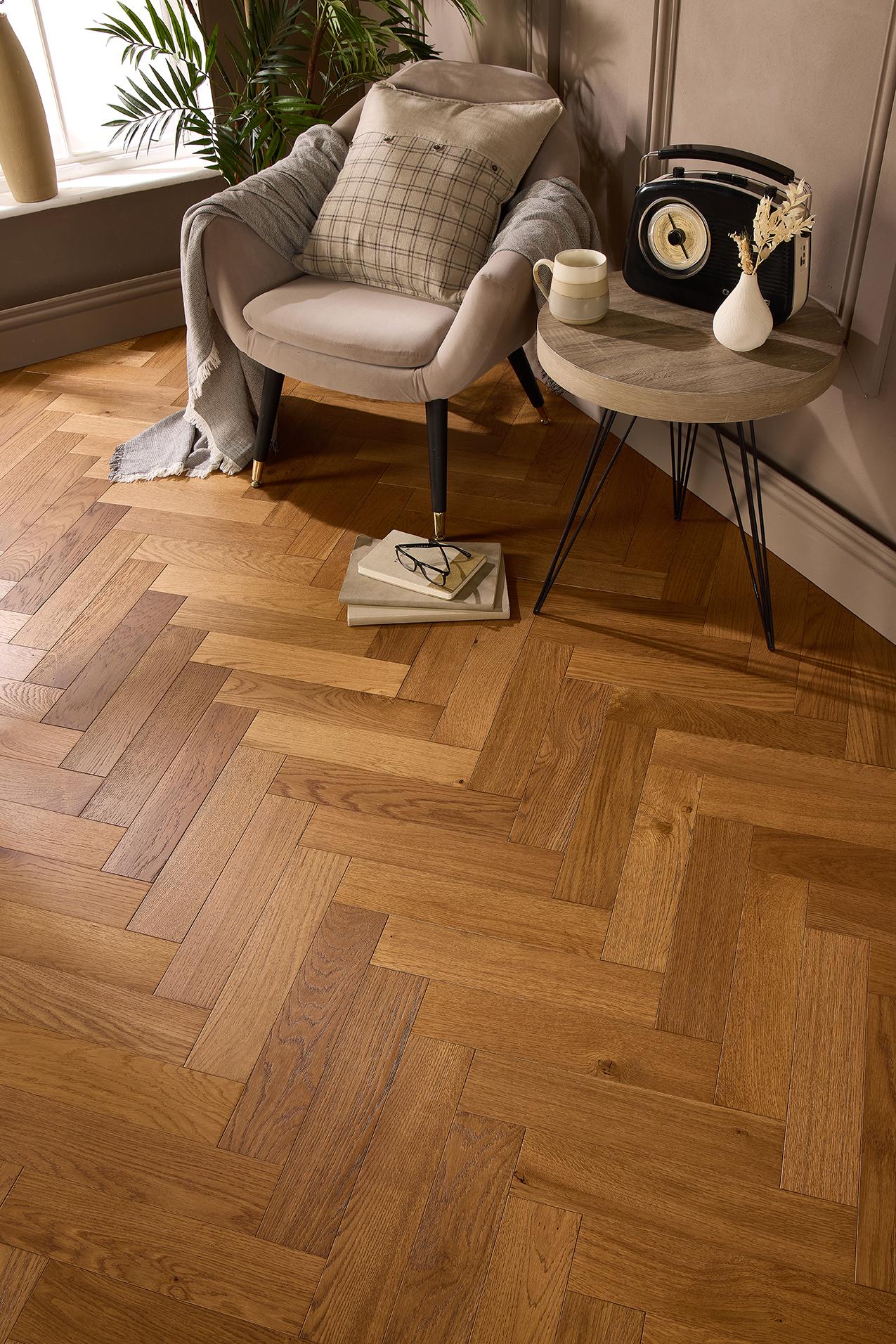
Not every product marketed as waterproof behaves the same way once real wood enters the picture. Manufacturers have flooded the market with items labeled "100% waterproof," but those claims are often inconsistent, and sometimes misleading, once a floor meets daily spills or steam. The gap between marketing language and lab performance is exactly why the term deserves scrutiny before any purchase.
Waterproof wood flooring is not one standardized product. It spans a range of constructions, finishes, and core materials, each with different tolerance for standing water, humidity, and temperature swings. A label alone reveals little about how a plank actually responds to a soaked towel left on a kitchen floor overnight.
What makes engineered wood more water-resistant than solid hardwood?
Engineered wood relies on a layered structure rather than a single plank of solid timber. A stable core sits beneath a real wood veneer, giving the floor natural grain and color variation instead of a printed surface. That layered build resists the swelling and warping that solid hardwood suffers from moisture exposure, though it stops short of making a floor immune to standing water.
Installation method plays a role too. Engineered wood floors come with several fitting options. The chosen method affects how the finished floor handles moisture at the seams:
- Tongue-and-groove fitting, the most common method, relies on tight joints to limit water seeping between boards
- Floating installations allow natural movement but can leave gaps that widen over time
- Glued-down installations create a tighter bond between plank and subfloor, reducing moisture pathways
Advances in flooring technology have improved how these layers and joints resist moisture. Even so, real-world performance depends on construction quality, not on the word "waterproof" printed on a box.
What Flooring Technology Makes Wood Waterproof?
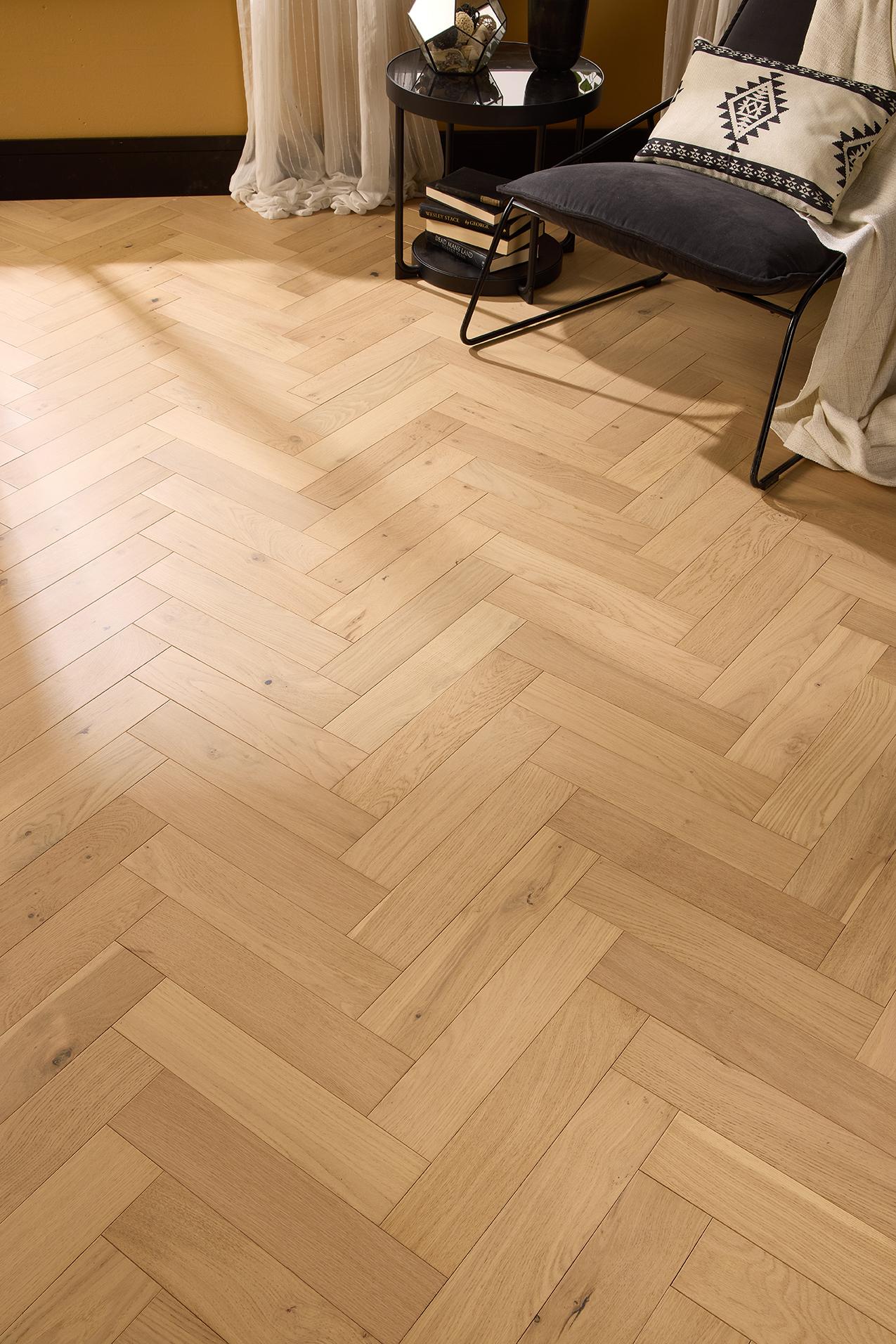
Waterproof wood flooring depends on engineered cores, surface coatings, and sealed installation methods working together, not on a single waterproofing trick. Manufacturers have spent recent years building moisture resistance directly into the plank rather than relying on a finish alone.
The resulting flooring technology generally falls into a few categories:
- Hybrid cores that blend wood fibers with SPC (stone plastic composite) layers for added rigidity and moisture resistance
- Topical treatments applied to the wear layer to slow water penetration from spills or wet feet
- Sealed installation systems, including tightly locking joints, designed to keep moisture from reaching the plank's core
Each approach targets a different weak point. Cores resist swelling from below; coatings resist standing water above; joint systems stop water from creeping sideways into seams.
Is engineered wood flooring waterproof?
Standard engineered wood is not automatically waterproof. Its layered construction gives it an advantage over solid wood in protecting against warping. Engineered wood combines a hardwood veneer with a stable base. Manufacturers have modernized that base with technologies aimed at improving stability. Herringbone-style engineered wood, for example, keeps the traditional parquet look while using these more current manufacturing methods underneath.
Does plank thickness affect performance?
Thickness plays a real role, though mostly in comfort rather than waterproofing. Thicker engineered constructions improve insulation, which keeps rooms warmer and quieter underfoot. That added bulk also contributes to a sturdier feel in high-traffic kitchens and basements. Moisture exposure tends to be highest.
Hardwood suppliers are pushing these innovations partly out of competitive necessity. Resilient categories such as LVT, SPC, WPC, laminate, and ceramic have taken market share from traditional hardwood by mimicking wood-look visuals while delivering stronger waterproof performance. For renovators choosing between real wood. Wood-look alternatives, that competitive pressure is precisely what has driven the recent wave of moisture-resistant wood technology.
Where Should You Install Waterproof Engineered Wood?
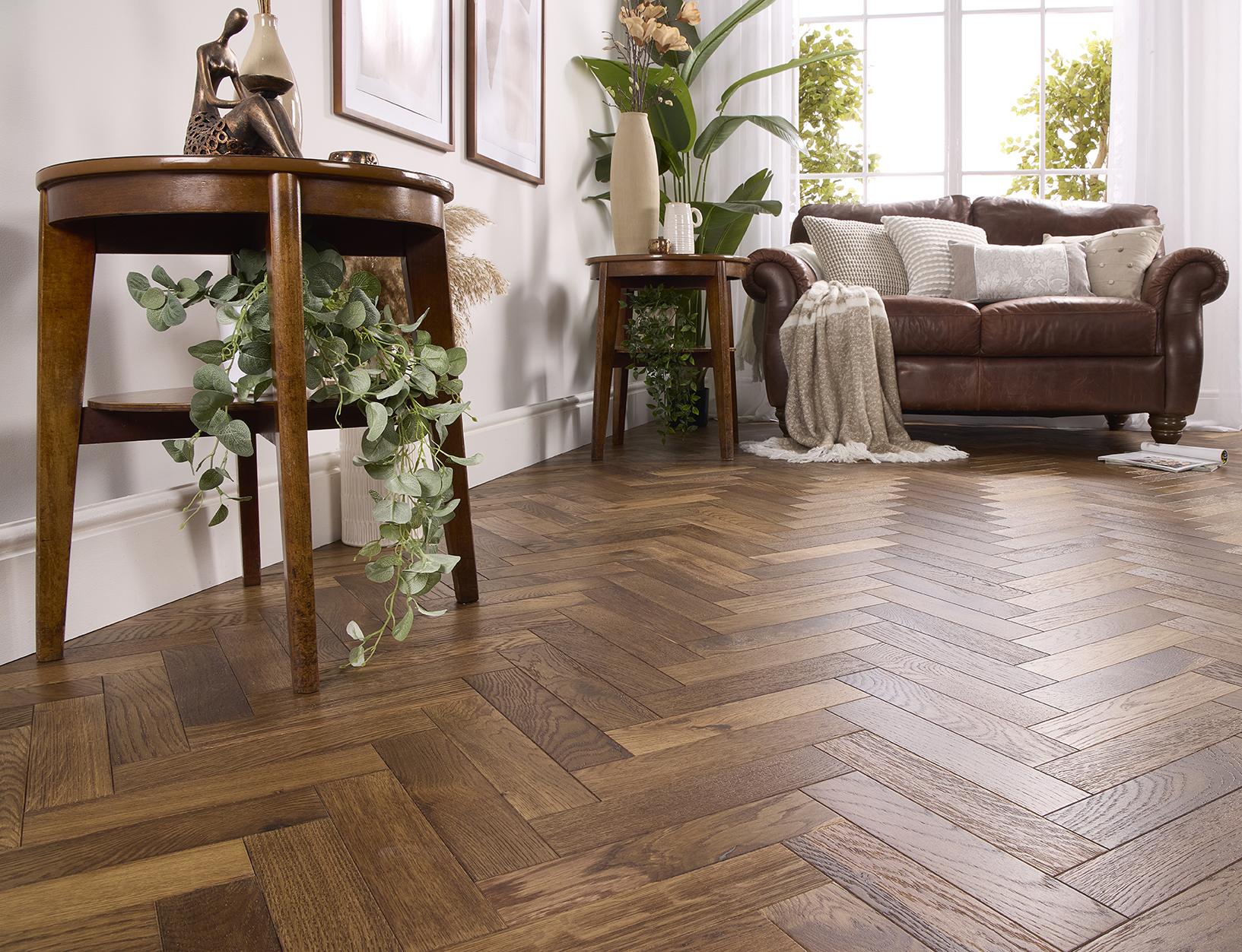
Kitchens, bathrooms, and basements benefit most from waterproof wood flooring, though its use extends well beyond the home. Moisture-prone rooms create daily risk of spills and splashes, and standard hardwood struggles there. Commercial settings face similar demands, often at a larger scale.
Engineered wood flooring was never designed exclusively for residential use. Shops, cafes, restaurants, and bars all see heavy footfall and frequent spills, and the layered construction of engineered wood copes well with that pressure. Durability and design work together here: the structure resists wear while the surface keeps the warm, natural look clients expect from real wood.
Does Engineered Wood Need Extra Preparation Before Installation?
Yes. Underlay is not optional. Every engineered wood floor, whether fitted in a family kitchen or a busy café, should sit on a suitable underlay layer. This supports the planks, helps manage moisture at ground level, and protects the structural integrity of the flooring over time.
Is Waterproof Wood Flooring Just a Design Trend?
No. Interest in waterproof performance stems from genuine household need, not seasonal fashion. Families cook, bathe, and manage pets and children around their floors every day. Basements regularly carry ambient humidity regardless of style preferences.
That practical demand explains why waterproof engineered wood now appears in rooms once considered off-limits for real wood aesthetics. Advances in flooring technology have made this possible, pairing authentic timber veneers with cores built to resist standing water and everyday wear. Property renovators specifying flooring for high-moisture zones. Designers sourcing wood-look surfaces for commercial fit-outs, increasingly rely on this category rather than compromising with laminate or resilient alternatives. Buyers researching these options should confirm underlay requirements and room-specific water exposure before committing to a product.
How Do You Choose a Genuine Waterproof Floor?
Genuine waterproof performance comes down to construction, not marketing copy. A real wood surface shows texture and color variation that a printed wood-look layer cannot replicate. Each plank gets crafted individually from natural oak. That visual depth is one of the clearest signs of authentic waterproof wood.
Installation method matters just as much as the surface layer. Techniques vary between products, so checking manufacturer guidance before fitting protects moisture performance over time. Older engineered wood floors typically rely on tongue-and-groove joints, while newer builds use click systems instead. The joint type affects how well water gets kept out at the seams.
Does Waterproof Engineered Wood Hold Up Long-Term?
Shoppers researching these floors often ask whether a thin veneer over a waterproof core can survive years of daily use. The honest answer: durability depends on whether the surface layer can be sanded or reconditioned later. Homeowners planning a move within 5 to 10 years, for example, often worry about replacing the floor rather than restoring it.
What Should Buyers Check Before Purchasing?
Confirm the installation system matches the room's moisture exposure, whether tongue-and-groove or click-fit. Compare refinishing potential across products before committing, since this advance in flooring technology varies by manufacturer and construction depth.
FAQ
Is engineered wood flooring actually waterproof?
Engineered wood narrows the gap toward waterproofing through multi-layered construction, improving stability against moisture compared to solid hardwood. Genuinely water-resistant Engineered Wood offers homeowners a real-wood look with stronger moisture resistance.
Which flooring type offers the best waterproof performance right now?
Resilient categories like LVT and SPC Click Vinyl currently lead on actual waterproof performance, outperforming traditional hardwood. Both styles deliver wood-look aesthetics without the moisture vulnerability of solid wood.
Should I trust flooring labeled "100% waterproof"?
Treat such claims with scrutiny. Manufacturers often use inconsistent or misleading "waterproof" labels that fail under real spills or steam. Genuinely water-resistant Engineered Wood and SPC Click Vinyl offer dependable alternatives.
Conclusion
In closing, the pursuit of truly waterproof wood flooring represents a fundamental shift in how the industry approaches durability and design. Manufacturers continue refining protective technologies and construction methods to bridge the gap between wood's aesthetic appeal and the practical demands of moisture-prone environments. As these innovations mature, homeowners gain genuine alternatives that deliver both the warmth of wood and the resilience required for kit


