


We Need to Talk About Grey Flooring
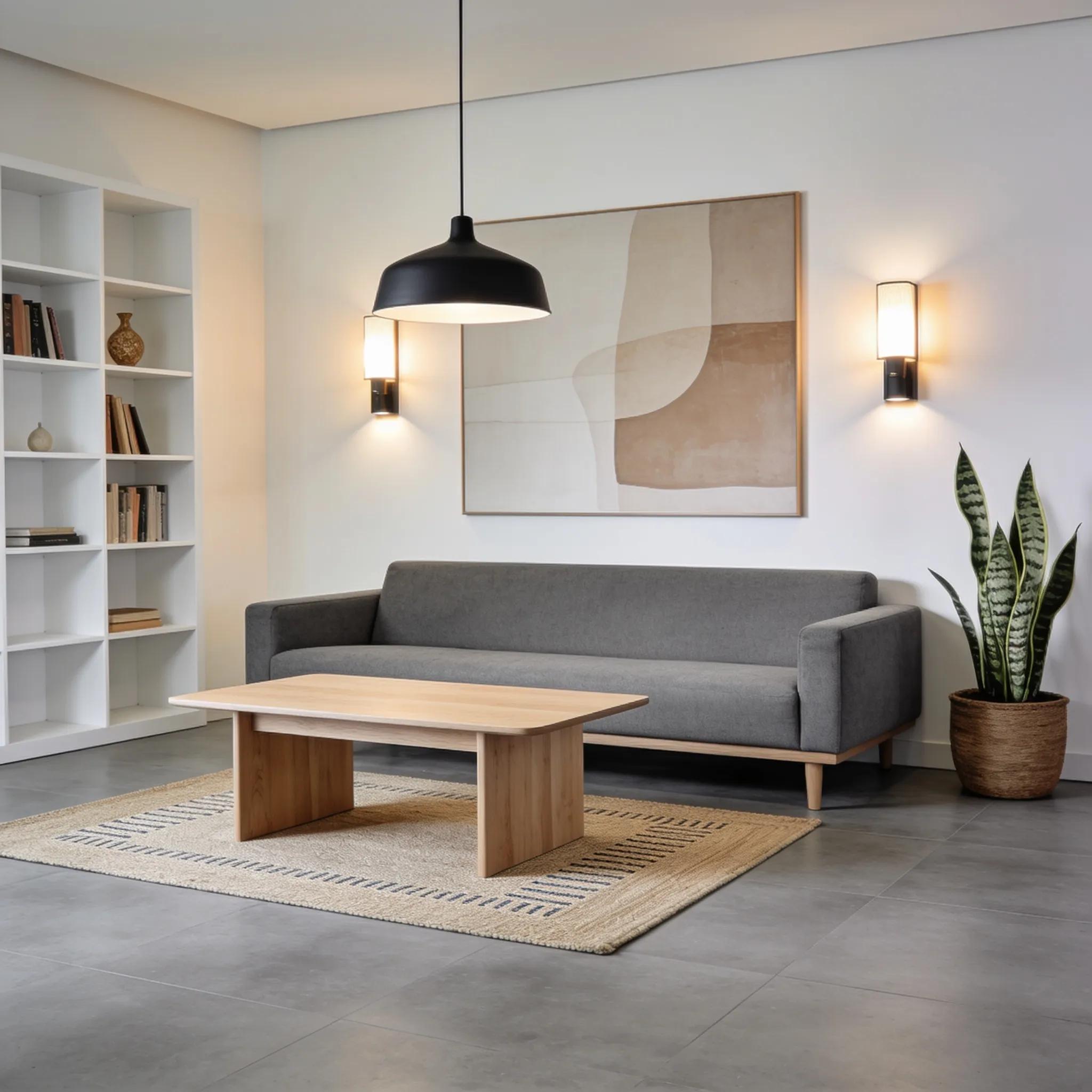
Grey flooring is popular in contemporary interiors for its versatility, modern look, and durability. This guide covers the main materials, practical design pairings, and simple maintenance so you can weigh aesthetic benefits and trade-offs and choose what fits your home.
What Are the Best Grey Flooring Types to Consider?
Pick a material that matches your budget, traffic, and style goals. Here’s a concise look at common options and why you might choose each:
- Grey Laminate Flooring: A budget-friendly option that mimics wood, resists scratches and stains, and is often DIY-friendly.
- Grey Engineered Wood Flooring: Adds natural warmth and long-term value; pricier and requires more care but can be refinished.
- Grey Vinyl Flooring: Waterproof and low-maintenance; available in planks and tiles that recreate wood or stone—good for busy rooms and wet areas.
- Grey Tile Flooring: Durable and stylish; works in modern and classic schemes and handles heavy foot traffic.
Each material has trade-offs in durability, cost, and appearance—consider those when choosing a grey floor.
How Does Grey Laminate Flooring Compare to Hardwood?
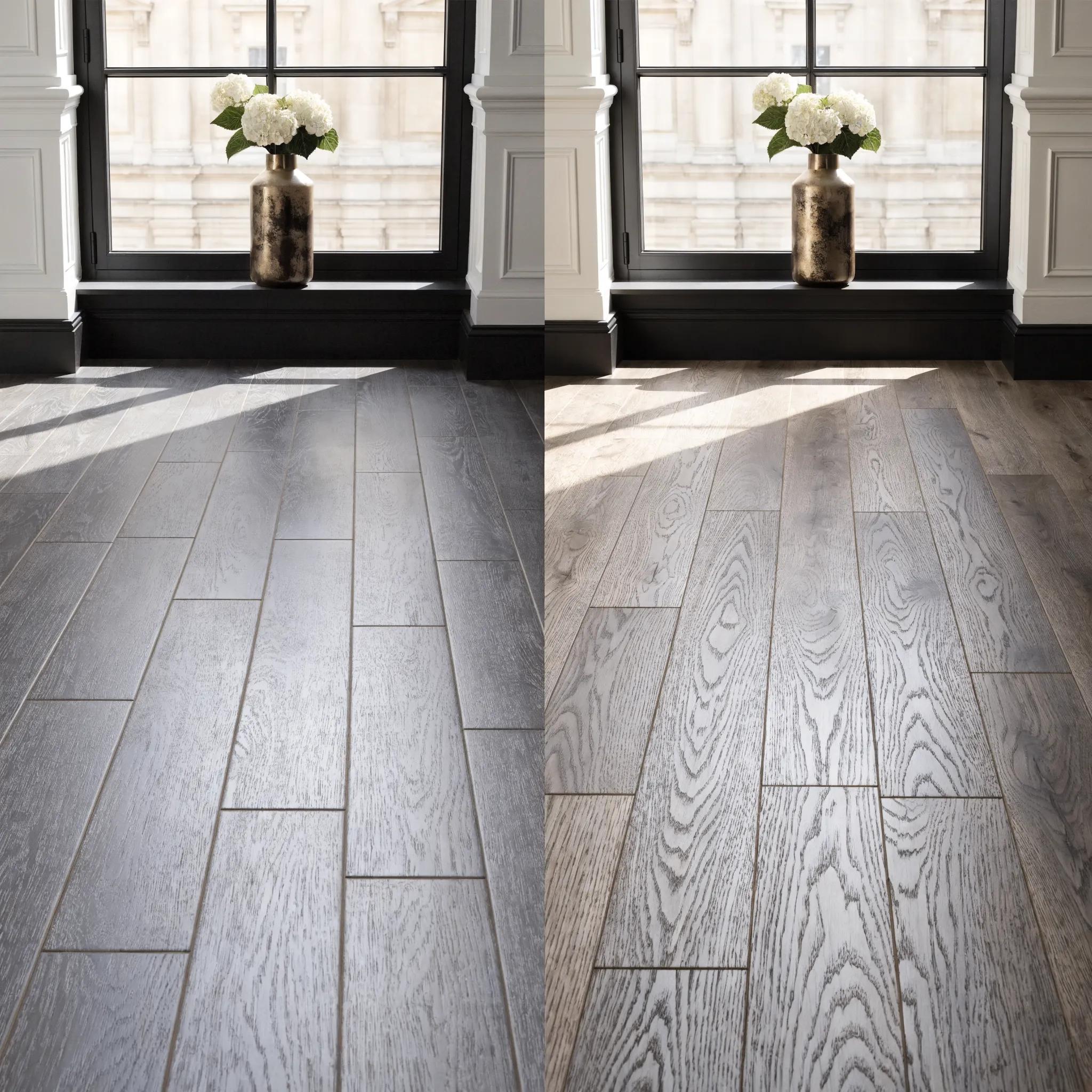
Think about lifestyle and long-term value. Grey laminate flooring is usually more affordable and resists everyday wear—ideal for homes with pets or kids. Hardwood offers an authentic, timeless look and can be refinished, but it needs more upkeep and costs more upfront.
What Are the Features of Vinyl and Tile Grey Flooring?
Vinyl and tile deliver practical performance with style. Vinyl flooring is waterproof and easy to clean, so it’s a smart choice for kitchens and bathrooms. Tile (ceramic or porcelain) is durable and low-maintenance, suited to high-traffic areas and rooms that need frequent cleaning.
What Are Key Grey Flooring Design Ideas and Color Combinations?
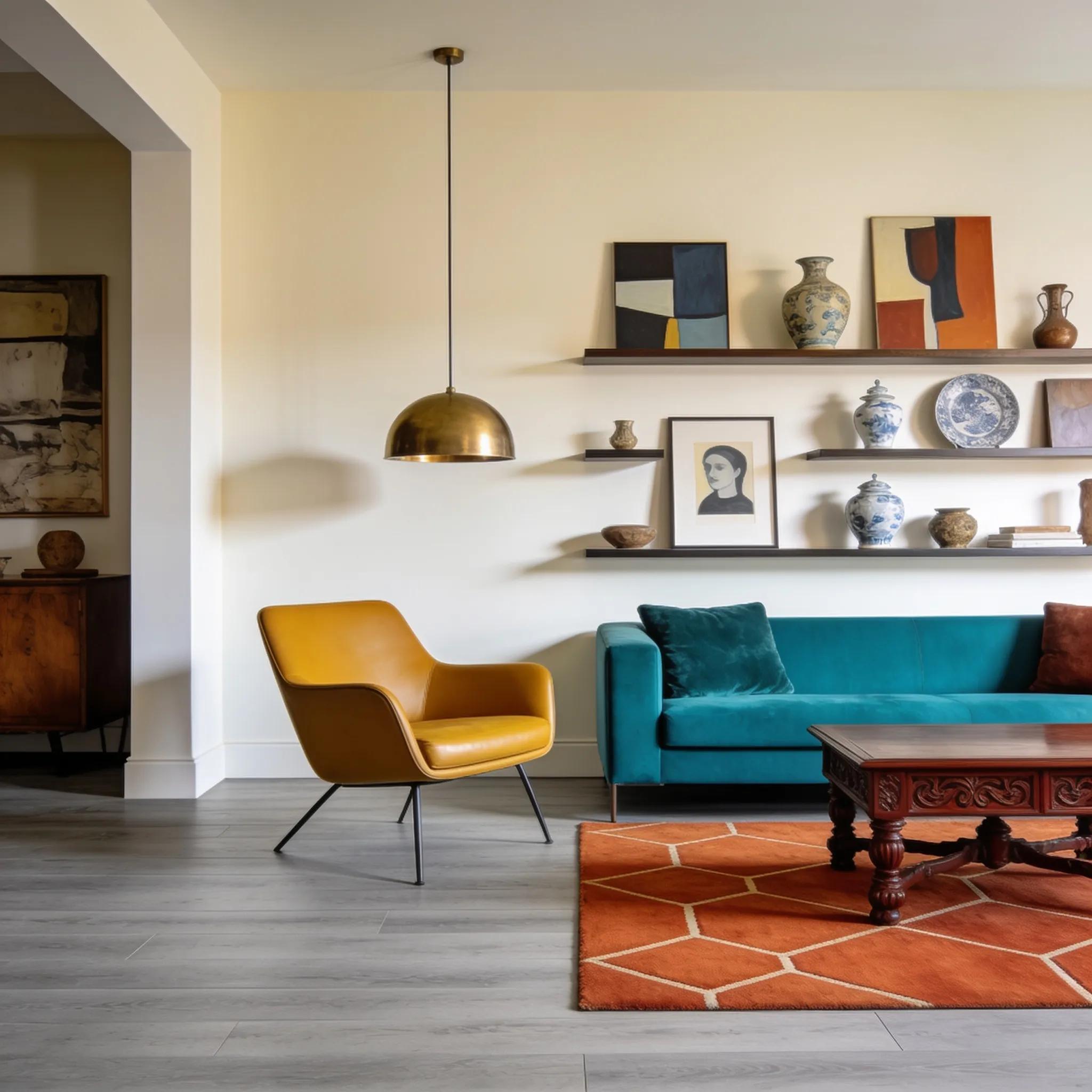
Neutral grey floors provide a flexible foundation. The right color pairings and material contrasts set the mood—calm and airy or bold and dramatic.
- Modern Styles: Pair grey flooring with deep navy, charcoal, or a pop of mustard for crisp contrast and visual energy.
- Traditional Decor: Combine grey floors with warm wood tones, soft whites, and pastels for a cozy, timeless feel.
- Layering Textures: Use rugs, wood furniture, metal accents, and tactile fabrics to add depth over a grey base.
Whether you prefer minimalism or layered texture, grey flooring adapts well.
Which Colors Match Best with Grey Flooring?
Grey pairs well with neutrals like white, beige, and taupe for an understated look. Deeper tones such as forest green or burgundy add richness without overpowering the room. Use bold accents strategically—accent pieces are an easy way to shift the mood.
How to Use Grey Flooring to Enhance Modern and Traditional Rooms?
For modern rooms, keep furnishings streamlined and add metal or glass accents to emphasize clean lines. In traditional spaces, layer plush textiles and warm wood to soften grey’s coolness. Thoughtful lighting—directional or accent—can highlight texture and the floor’s finish.
What Are the Pros and Cons of Grey Flooring Options?
Key benefits and trade-offs to consider:
- Durability: Laminate and tile resist scratches and stains; choices vary by material.
- Aesthetic Versatility: Grey’s neutrality works with many palettes and styles.
- Maintenance: Hardwood may need refinishing; vinyl and laminate are easier to clean.
Weigh durability, aesthetics, and maintenance to find the right fit for your needs.
Is Grey Flooring Durable and Easy to Maintain?
Durability varies by material. Laminate and tile often handle heavy use well; hardwood requires more upkeep to protect its finish. Routine cleaning—sweeping and damp mopping—keeps most surfaces in good condition; choose a product that matches the care you want to do.
How Do Cost and Eco-Friendliness Vary Among Grey Flooring Materials?
Costs range from higher-end hardwood to more affordable laminate and vinyl. For sustainability, seek responsibly sourced hardwood (FSC-certified), quicker-renewing options like bamboo or cork, or manufacturers with low-VOC finishes and recycled content to balance price, performance, and environmental impact.
How Can You Maintain and Care for Grey Flooring?
Regular care preserves appearance and extends life. Practical steps:
- Regular Cleaning Practices: Sweep or vacuum to remove grit, and mop with the cleaner recommended for your floor type.
- Preventative Measures: Use area rugs in busy zones, doormats at entries, and protective pads on furniture feet.
- Signs It Needs Replacement: Deep scratches, persistent warping, or uneven discoloration may signal repair or replacement is needed.
Routine care and prevention help keep grey flooring looking its best.
What Are Essential Grey Flooring Maintenance Tips?
Protect your investment with these habits:
- Use Appropriate Cleaning Products: Use cleaners made for your floor type to avoid damage or residue.
- Establish a Cleaning Schedule: Weekly sweeping and periodic deeper cleans prevent long-term wear.
- Choose the Right Tools: Pick mops and vacuums safe for your surface to avoid scratches or finish wear.
These simple steps reduce repair needs and preserve appearance.
When Should You Repair or Replace Grey Flooring?
Minor damage can often be repaired, but consider replacement when damage is widespread, repair costs approach replacement costs, or when material shows permanent warping or discoloration. Compare estimates to decide which option is sensible financially and aesthetically.
This guide covered materials, design pairings, and upkeep strategies so you can plan grey flooring with confidence.
Frequently Asked Questions
What Are the Environmental Considerations When Choosing Grey Flooring?
Environmental impact depends on material. Sustainably harvested hardwood and FSC-certified products reduce deforestation risk. Bamboo and cork renew faster and often have a smaller footprint. Check for low-VOC finishes and recycled content when possible.
Can I Install Grey Flooring Myself?
Some types are DIY-friendly—many laminate and vinyl products use click-lock systems that are straightforward to install. Hardwood and tile usually require more skill, tools, and precise subfloor work, so hiring a pro is often worth it.
What Trends Are Emerging for Grey Flooring in Interior Design?
Trends pair grey floors with natural textures, plants, and mixed patterns like herringbone or chevron. Designers layer grey tones and add bold accents to create contrast and focal points.
How Do I Choose the Right Shade of Grey for My Space?
Shade choice depends on light and room size: lighter greys open up small or darker spaces; darker greys add depth and warmth. Test samples at different times of day to see how light affects the color.
Are There Specific Maintenance Tips for Each Type of Grey Flooring?
Yes. Laminate: use a slightly damp mop and laminate cleaner. Vinyl: soap and water usually suffice. Hardwood: sweep regularly, use wood cleaners, and plan for occasional refinishing. Tile: mop and reseal grout as needed.
What Is the Lifespan of Different Grey Flooring Materials?
Lifespan varies by quality and care. Laminate can last 15–25 years, vinyl around 10–20 years, hardwood 50+ years with maintenance and refinishing, and tile often exceeds 25 years. Quality products and proper care maximize longevity.
Grey Flooring 101
Grey flooring is a versatile, stylish choice for many homes. By comparing materials, testing colors, and following proper care routines, you can choose a grey floor that balances beauty, function, and budget. Try samples and consider your lifestyle to find the best fit, and enjoy the timeless backdrop grey floors offer.


