The Battle to Build Thinner Flooring Without Making It Weaker
Key Takeaways
- SPC Click Vinyl flooring delivers superior durability and waterproof protection for high-traffic household areas.
- Laminate and vinyl options provide budget-friendly alternatives without compromising on aesthetic appeal or longevity.
- SPC, vinyl LVT, and laminate styles are engineered for lasting strength and performance in demanding household settings.
Does Thin Flooring Mean Weak Flooring?
Slim profile and structural weakness are not the same thing. Strength depends on construction method, not plank thickness alone. A well-engineered thin floor can outperform a thicker, poorly made one in daily use.
Thin flooring owes much of its resilience to layering. Engineered wood demonstrates this clearly: a multi-layered build gives these planks the strength needed for high-traffic hallways and living rooms, despite a finished profile far slimmer than solid wood. Each layer serves a distinct structural purpose, distributing load and resisting warping in ways a single solid cut cannot.
Material engineering shows up differently across product types. SPC flooring replaces timber or ceramic altogether, relying on a stone plastic composite core for its rigidity. Laminate takes a different route, stacking multiple layers arranged specifically to balance durability, appearance, and structural integrity within a slim format.
What flooring options exist for low-profile spaces?
Homeowners and renovators weighing up thin flooring have several constructions to compare, including:
- SPC Click Vinyl: stone-based core for added rigidity
- Laminate: layered construction balancing slimness and strength
- Vinyl (LVT): flexible, low-profile wear layer over a dense base
Does a thinner core compromise flooring durability?
Not inherently. Flooring durability comes from how the layers interact, including the core material, the wear layer, and the backing, rather than overall thickness alone. A thin SPC or laminate floor engineered with the right layer sequence can resist daily traffic as effectively as a bulkier alternative, making profile height a design consideration rather than a durability compromise.
How Does Material Engineering Boost Core Strength?
Core strength depends on how manufacturers apply material engineering beneath the surface, not on overall plank thickness alone. Smart engineering lets thin flooring match or exceed the stability of bulkier boards, which matters for renovators working with tight door clearances or underfloor heating systems. Poor core design, by contrast, risks flex, cracking, and sound transfer that no surface finish can disguise.
Different flooring categories tackle this through distinct construction methods:
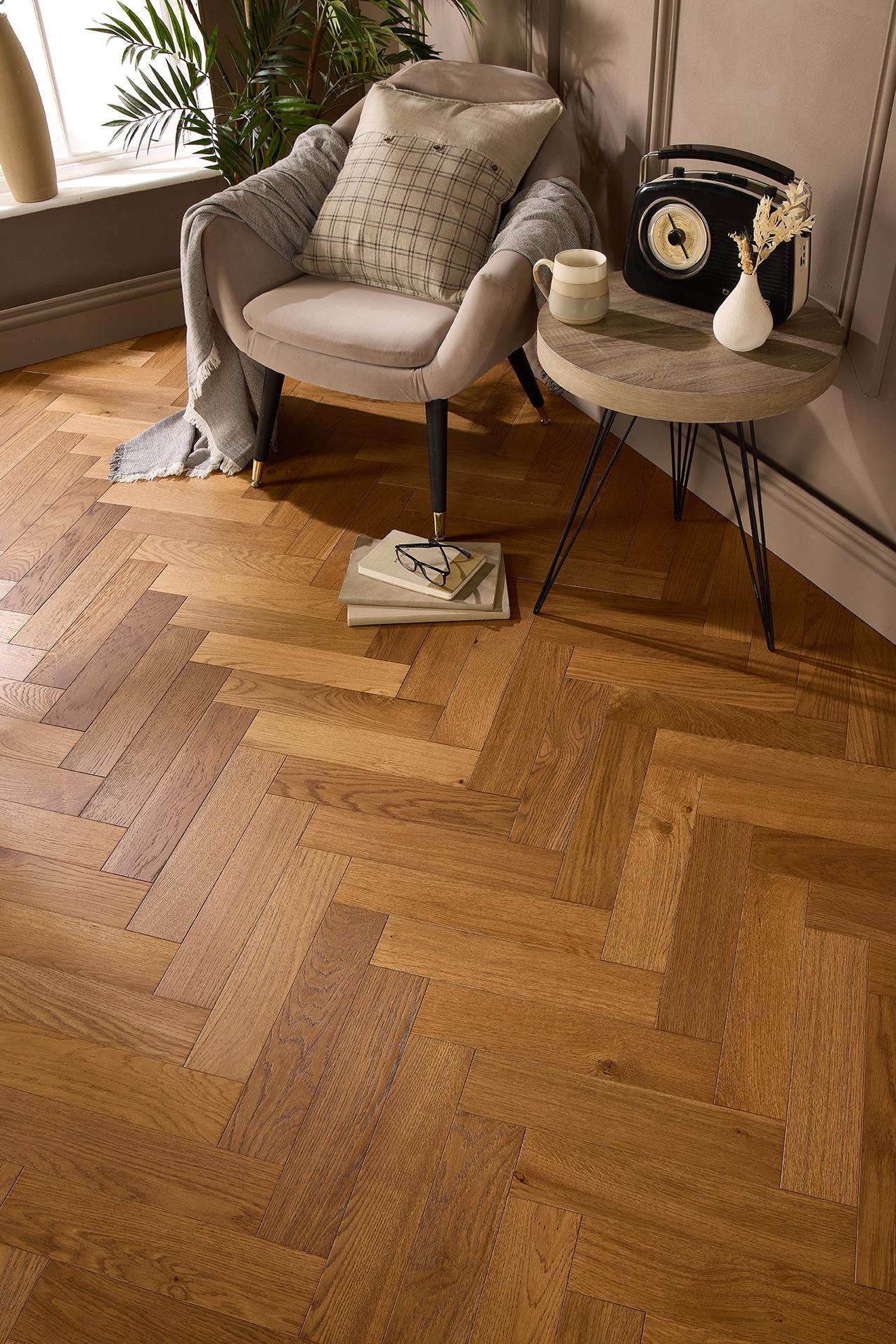
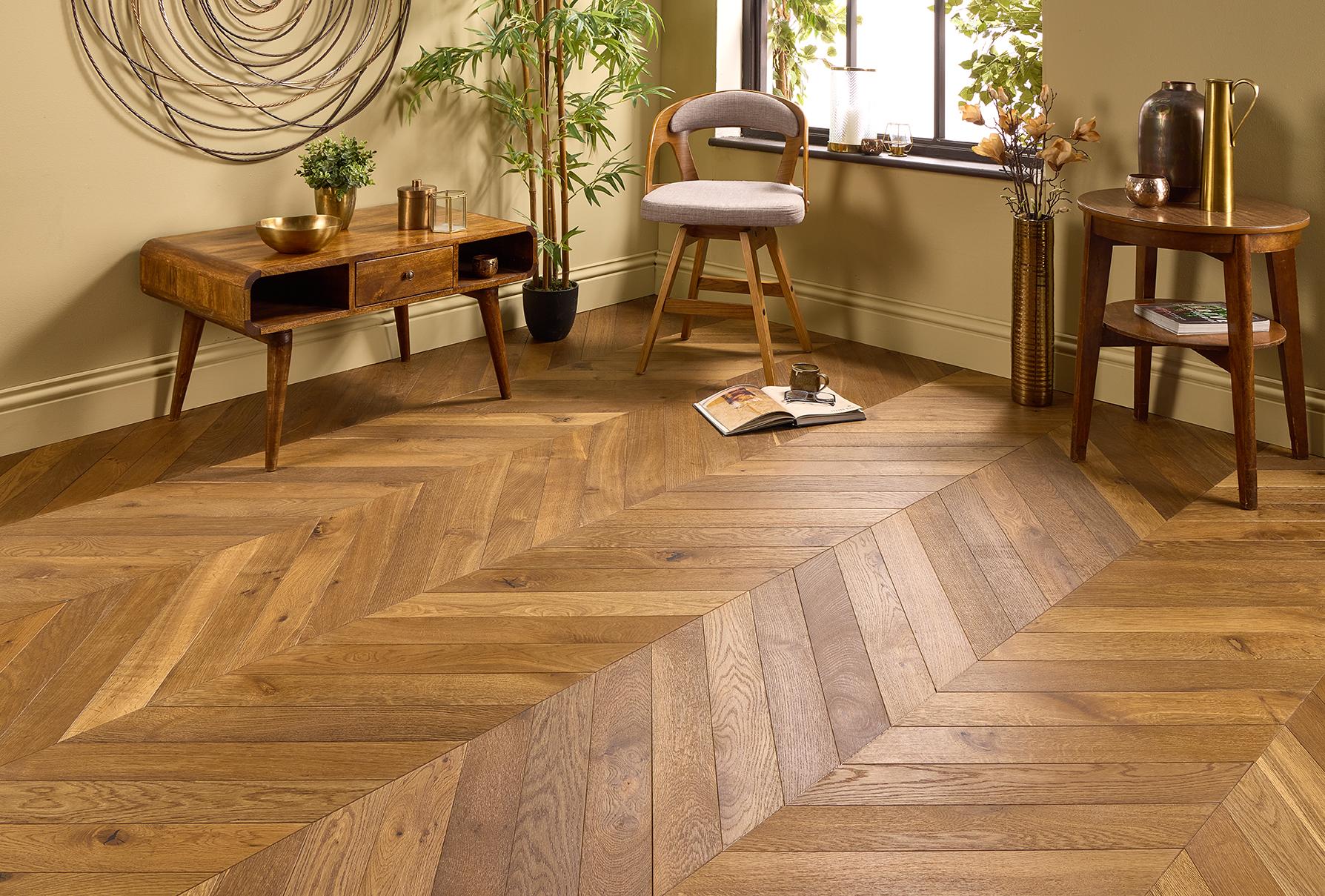
- SPC (stone plastic composite) ranges often include rigid-core options alongside plank, herringbone and chevron designs, giving buyers a choice between flexible and rigid structural approaches.
- Engineered wood relies on a layered core, typically cross-grain plywood beneath a hardwood veneer, which delivers superior durability and stability compared with solid hardwood, as reflected in typical engineered wood specifications.
- Vinyl flooring varies by core type: a glue-down method suits standard vinyl, while a floating click-lock system works better for luxury vinyl tiles and planks.
Does a thicker core always mean better performance?
Not necessarily, though thickness still shapes comfort underfoot. Thicker core layers in engineered flooring can improve insulation, helping rooms feel warmer and quieter, a real advantage for upstairs bedrooms or open-plan living areas.
Can thin flooring still handle heavy foot traffic?
Low-profile boards handle heavy footfall well when the core uses dense, well-bonded materials rather than relying on sheer bulk. Rigid-core SPC and engineered constructions prove this point, since internal layering, not height, determines long-term flooring durability. Material engineering, in short, decides performance far more than profile depth ever does.
Can Thin Floors Handle Heavy Foot Traffic?
Thin flooring withstands heavy foot traffic when its internal structure is built for load, not just measured by depth. Material engineering, the layered design of core, backing and wear surface, decides how a floor copes with constant pressure far more than panel thickness alone. A slim profile paired with a well-engineered core can match the resilience of a thicker, less refined product.
Commercial spaces prove this point clearly. Shops, cafes, restaurants and bars generate relentless footfall, and engineered wood flooring is frequently specified in these settings because its design and durability suit that demand. Engineered wood is not reserved for domestic hallways either; it moves between commercial environments and private homes without losing its structural purpose. That dual role shows flooring durability is a function of construction quality, not room type or category label.
Does flooring thickness affect underfloor heating performance?
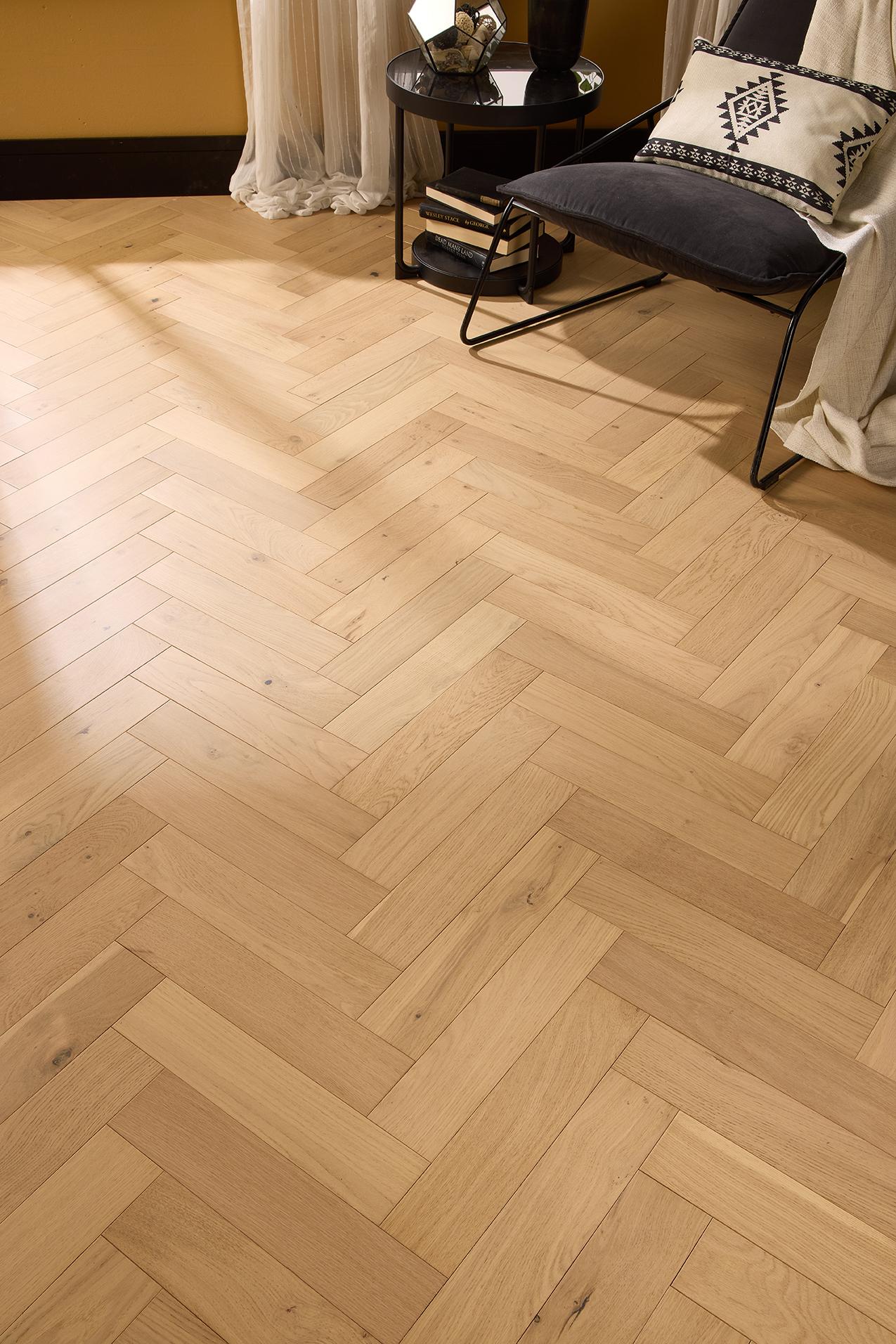
Thin profiles generally transfer heat more efficiently, and specification pages confirm several slim options are rated accordingly. A herringbone laminate floor, for example, is listed as suitable for underfloor heating systems, as shown on relevant product specifications. A glue-down herringbone LVT vinyl floor carries the same suitability rating, giving renovators and designers two distinct thin-profile formats that handle both heat transfer and daily wear.
For anyone comparing options, the practical checklist looks like this:
- Check the core and backing construction, not just the stated thickness.
- Confirm underfloor heating suitability directly on the product specification.
- Match the floor type to footfall levels, especially in commercial or shared spaces.
Thin does not mean fragile when the underlying engineering earns its place.
What Durability Weaknesses Should Buyers Watch For?
Weak locking joints and soft wear layers cause the most common failures reported in low-profile floors sold as thin flooring. Flooring Help's forum thread on SPC, laminate, and engineered options described locking mechanisms coming apart on several luxury vinyl plank and SPC brands. The tongue-and-groove details are small and prone to separating under normal foot traffic. Surface scratching showed up alongside those joint failures, signaling a shortfall in material engineering rather than poor installation.
Furniture weight exposes a second weak point. One buyer in the same discussion found a vinyl plank floor dented simply from the pressure of heavy furniture, a sign that the core lacked sufficient impact resistance. Dents like this don't always surface immediately; they often appear weeks after a sofa or cabinet settles into place.
Retailer guidance reflects these concerns. Two flooring companies cited in the thread steered a heavy-use household toward established laminate products instead of LVP or SPC, arguing that laminate held up better against daily wear.
Does Thinner Flooring Mean Weaker Flooring?
Not necessarily, but risk rises when a low-profile core sacrifices impact strength for a slim build. Flooring durability depends more on core composition and locking precision than on overall thickness alone. Buyers comparing thin flooring options should ask specifically how each product performs under furniture load. Foot traffic, not just how it looks on a sample board.
How Can Buyers Reduce Scratching Risk At Home?
Daily dust control makes the biggest difference in high-traffic zones. Sweeping with a soft broom, or vacuuming on a hard-floor setting with no rotating brush, limits the grit that causes surface scratches over time.
How Should You Choose Durable Thin Flooring?
Durability depends on matching the core material to the room's traffic. Moisture levels, not just picking the slimmest option available. A low-profile floor can still withstand heavy footfall and spills if the construction underneath is engineered correctly. Buyers weighing thin flooring against standard options should start by narrowing down the style, then test it in the actual room before committing.
Several styles suit different durability needs, including SPC Click Vinyl, laminate, and vinyl (LVT), alongside herringbone, engineered wood, and solid oak options. Each handles wear differently:
| Style | Best suited for |
|---|---|
| SPC Click Vinyl | High-moisture rooms, heavy traffic |
| Laminate | Living rooms, bedrooms |
| Vinyl (LVT) | Kitchens, hallways, family spaces |
Should samples be ordered before buying thin flooring?
Yes. Ordering samples of SPC flooring allows direct comparison at home, under real lighting and against existing furnishings. This step matters more for thin profiles, since color and texture can read differently once installed over a different subfloor. Testing a handful of finishes side by side reduces the risk of an expensive mismatch later.
Does maintenance affect how long thin flooring lasts?
Maintenance plays a direct role in flooring durability, especially for thinner vinyl constructions. Spills should be blotted quickly with a fresh cloth, then wiped with warm, soapy water to stop moisture from seeping into seams. Weekly damp mopping with a mild cleaner keeps the surface finish intact without saturating the floor.
FAQ
Is thin flooring automatically weaker than thicker flooring?
Strength comes from construction method, not plank thickness alone. A well-engineered thin floor, such as SPC with its stone plastic composite core, outperforms a thicker, poorly made floor in daily household use.
Conclusion
In closing, low-profile thin flooring delivers genuine strength when material composition aligns with intended use. SPC vinyl and laminate both withstand daily wear effectively, though their durability profiles differ, SPC excels in moisture-prone areas while laminate performs better in dry environments. Selecting between them depends on your specific room conditions and traffic patterns rather than thickness alone. Proper installation and maintenance practices ultimately determine how long either flooring type remains functional and visually sound.


About The Author