The Secret Language of Flooring Patterns
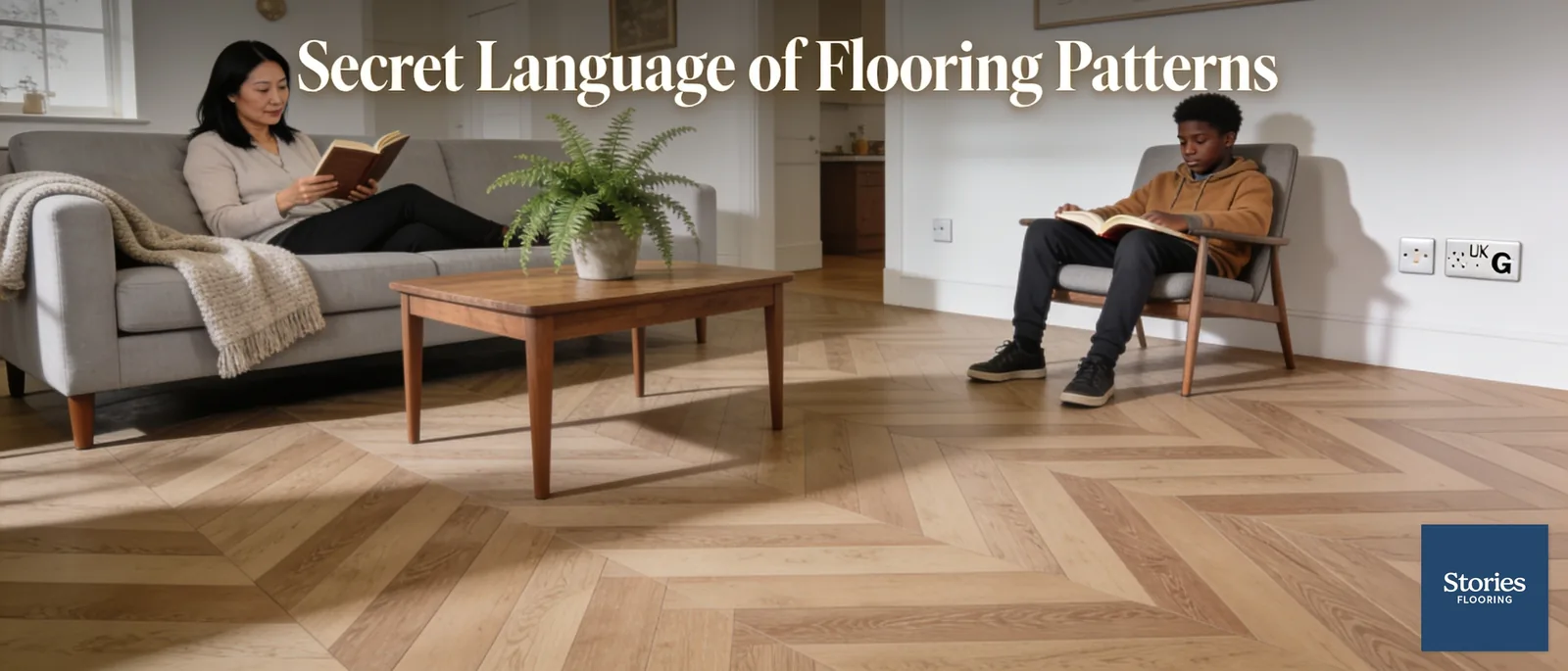
Flooring patterns carry distinct visual messages that shape how a room feels. Herringbone creates a sense of movement and sophistication, while straight planks convey calm and order.
Flooring patterns carry distinct visual messages that shape how rooms feel and function. Herringbone layouts, such as the Lusso Flooring Siena Helsinki Herringbone, create dynamic movement and perceived spaciousness. Plank direction, scale, and pattern rhythm silently dictate furniture placement and circulation flow. Making pattern selection one of the most consequential early decisions in any interior design project.
What Does Your Floor Pattern Actually Say?
Floor patterns communicate far more than surface-level style. A pattern's layout, direction, and material all shape a room's perceived size, the mood of the space. Even how occupants move through it.
Flooring choices carry a quiet authority. The direction of planks draws the eye — and the foot — along a path. Color depth sets emotional tone before a single piece of furniture is placed. Pattern scale signals formality or ease. These are not decorative accidents; they are design decisions with measurable consequences for how a room feels and functions.
How Does Pattern Choice Affect the Way a Room Feels?
Pattern, material, plank direction, and color work together to define circulation and atmosphere. A bold herringbone layout creates visual energy. A sense of craftsmanship, making it a strong choice for hallways and living areas. A chevron pattern draws the eye forward in a continuous V-formation, elongating a room's perceived length. Parquet arrangements, with their geometric interlocking blocks, add architectural weight and a sense of heritage to formal spaces.
Which Flooring Styles Support the Most Pattern Variety?
Stories Flooring offers pattern-ready options across engineered wood, laminate, vinyl (LVT), solid oak. SPC click vinyl — each suited to different pattern layouts. Herringbone, in particular, is available across multiple ranges, giving homeowners genuine flexibility without sacrificing quality or durability.
Which Classic Patterns Deserve a Place in Your Home?
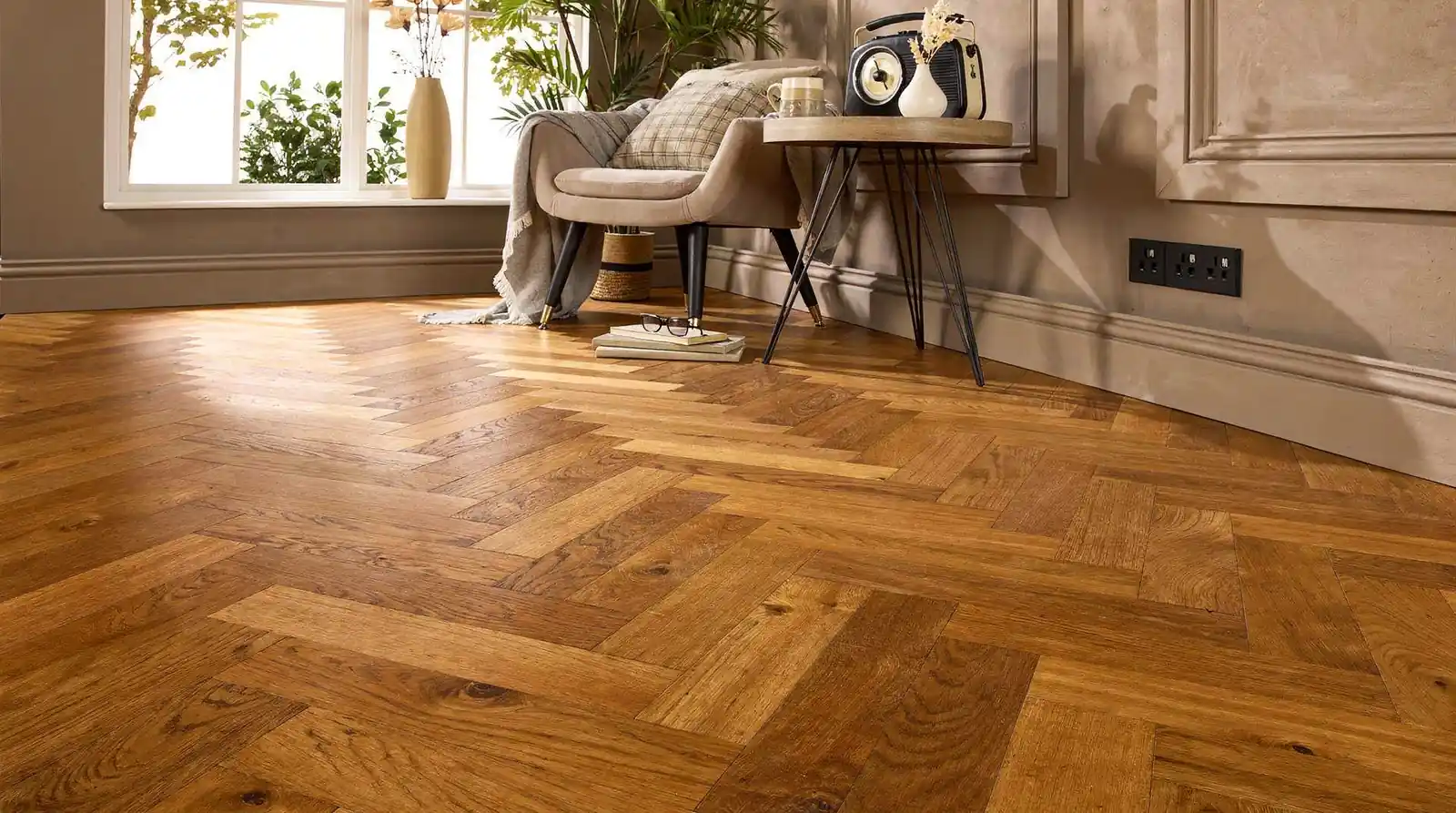
Three classic flooring patterns consistently earn their place in well-designed interiors: herringbone, chevron, and parquet. Each pattern carries distinct visual weight. Choosing the wrong one for a room's scale or style costs homeowners both aesthetic impact and long-term satisfaction.
What Makes Herringbone Flooring Such a Lasting Choice?
Herringbone engineered wood flooring combines the beauty of solid wood with sustainable, modern technologies, making it as practical as it is elegant. Stories Flooring's herringbone engineered wood range features a real oak veneer, with each plank expertly crafted to showcase rich textures and vibrant colors. The result adds genuine luxury and sophistication to almost any room, from formal living spaces to open-plan kitchens.
How Do Chevron and Parquet Compare to Herringbone?
| Pattern | Visual Effect | Best Suited For |
|---|---|---|
| Herringbone | Dynamic zigzag, adds depth | Hallways, living rooms |
| Chevron | Clean V-shape, directional flow | Bedrooms, open-plan spaces |
| Parquet | Geometric blocks, structured elegance | Formal rooms, period properties |
Beyond wood-based patterns, the classic checkerboard design — achieved with two contrasting tile colors. Delivers a bold, retro statement that transforms utilitarian spaces into focal points. Pattern choice shapes a room's entire mood. Selecting the right one from the start prevents costly reinstallation later.
How Do Patterns Shape Furniture Placement and Room Flow?
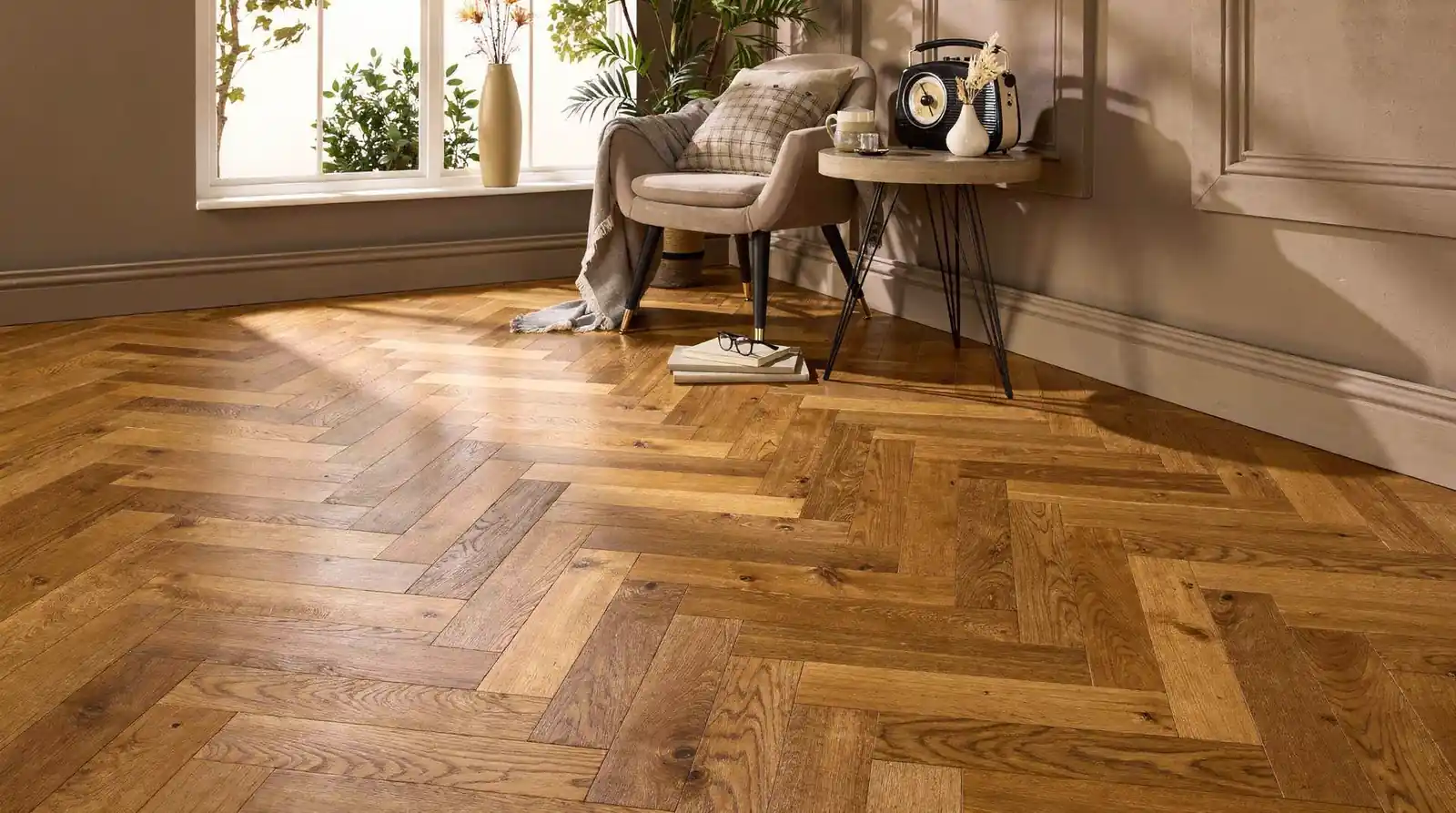
Flooring patterns create rhythm and scale that directly determine where furniture lands and how a room functions. A poorly chosen pattern works against a furniture plan rather than supporting it. And that friction shows in every awkward arrangement that follows.
Patterned flooring adds texture, depth, and personality to a room. Those qualities are not purely decorative. Rhythm, scale, contrast, and tactile cues all send signals about how a space should be used. Movement flows, and where the eye should rest.
Which Flooring Patterns Work Best for Directing Room Flow?
Herringbone creates a strong directional pull that naturally guides circulation through a space. Chevron produces a sharper, more pointed arrow effect — ideal for elongating a room or drawing attention toward a focal point. Parquet works differently, anchoring a zone and encouraging furniture to cluster around a central area rather than line the walls.
Does Flooring Pattern Affect Furniture Scale?
Pattern scale and furniture scale must be balanced. Large geometric repeats compete with oversized sofas; finer patterns complement them. Getting this relationship wrong makes a room feel visually cluttered.
- Herringbone: suits linear furniture arrangements; engineered construction delivers the stability needed for high-traffic living rooms
- Chevron: pairs well with streamlined, contemporary pieces
- Parquet: anchors statement furniture groupings in formal spaces
Understanding the secret language of flooring patterns empowers you to make informed decisions that reflect your personal aesthetic and functional requirements. Whether you select the timeless elegance of herringbone, the contemporary appeal of vinyl. The natural warmth of solid oak, each pattern communicates a distinct narrative about your space. At Stories Flooring, we recognize that pattern selection transcends mere decoration—it shapes how your environment functions and feels. Our curated collection of styles enables you to speak fluently in this visual language, transforming your flooring into a meaningful expression of your design vision and lifestyle.
FAQ
What flooring styles does Stories Flooring offer?
Stories Flooring delivers six distinct styles: Herringbone, Engineered Wood, Vinyl (LVT), Laminate, Solid Oak. SPC Click Vinyl, giving homeowners genuine flexibility across pattern layouts and room types.
How does a herringbone pattern affect a room?
Herringbone creates dynamic movement and perceived spaciousness, making it a strong choice for hallways. Living areas where visual energy and a sense of craftsmanship matter most.


About The Author