Is the Traditional Flooring Sample Becoming Obsolete?
Physical flooring samples remain essential, not obsolete. Digital visualizers, which let homeowners upload a room photo to preview hardwood, tile, carpet, or vinyl, complement rather than replace them. Free samples still reveal true color, texture, and grain under real room lighting that screens cannot repl
Key Takeaways
- Digital visualizers eliminate guesswork by showing realistic floor previews in your actual room space.
- Fast sample delivery combines traditional tactile selection with modern convenience.
- Herringbone, engineered wood, vinyl, and laminate options each suit different home needs.
- Physical samples remain essential; digital tools complement rather than replace hands-on material evaluation before purchase.
Are Traditional Flooring Samples Now Obsolete?
Physical swatches still answer questions no screen can solve. Color, grain, and texture shift under different light, and only a hand-held sample reveals that accurately. Many retailers recognize this and keep sample delivery fast, shipping samples to shoppers within a day of ordering so buyers can judge finishes at home before committing.
Digital tools have not replaced this step so much as added a new one before it. Visualisation software now lets shoppers upload a photo of their own living room or kitchen and preview how hardwood, tile, carpet, or vinyl would actually look on that floor. The approach narrows down options before a single physical sample arrives, cutting wasted orders and speeding up decisions.
Can digital tools replace physical flooring samples?
Not entirely. Screen renders help with layout, pattern, and general color direction, but monitor calibration varies from device to device. A shade that looks warm on one phone can look cool on another. A tactile swatch still confirms the final choice.
What does augmented reality add to flooring shopping?
Augmented reality overlays a flooring product directly onto a live camera view of a room, rather than a single static photo. This lets a shopper walk around a space and see how a floor reads from multiple angles and under changing light.
| Method | Best for | Limitation |
|---|---|---|
| Physical sample | True color, texture, grain | Limited quantity, slower to compare many options |
| Photo-based visualizer | Quick style narrowing | Depends on photo lighting and screen calibration |
| Augmented reality | Multi-angle, real-time preview | Needs a compatible device and stable lighting |
Each method solves a different part of the decision, which is why combining them produces the most reliable result.
How Does A Flooring Visualizer Tool Work?
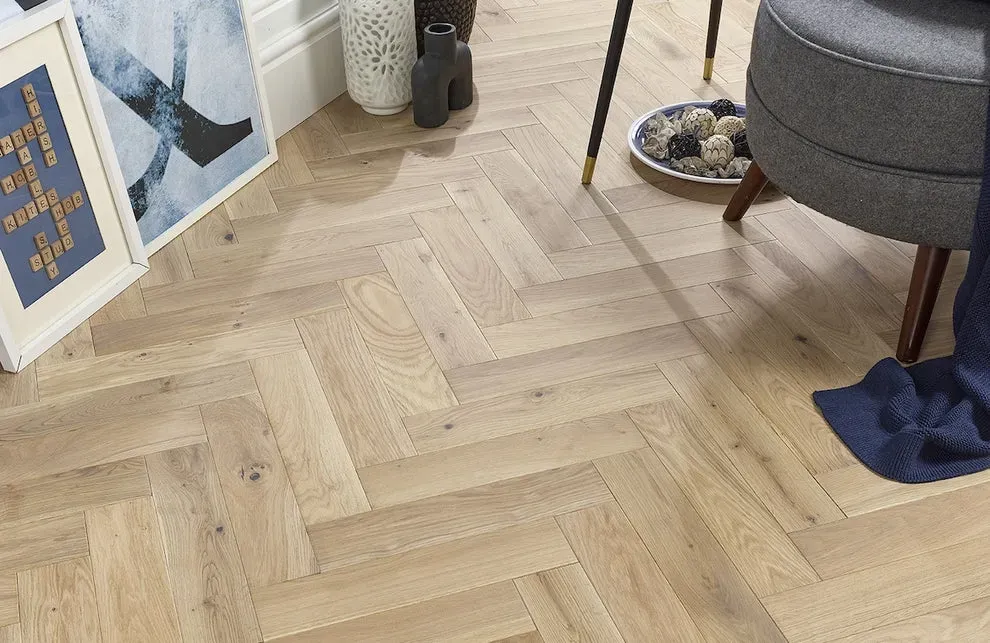
A flooring visualizer tool works by turning a photo of a living room, kitchen, or hallway into a digital preview of new flooring. Uploading or snapping a picture starts the process; software then maps the floor area and overlays different materials onto it. Within seconds, a bare room becomes a styled mock-up, no measuring tape or paint swatches required.
Most tools also let homeowners browse a gallery of designs when a personal photo isn't ready. This instant visualisation replaces guesswork with a clearer sense of scale, color, and pattern before any purchase decision gets made.
What flooring styles can be tested in a visualizer?
A wide range of styles are worth testing through this kind of preview, including:
- Herringbone
- Engineered wood
- Vinyl (LVT)
- Laminate
- Solid oak
- SPC click vinyl
Vinyl flooring, in particular, balances comfort, style, and everyday practicality, making it a strong candidate for a visualizer test run. It needs routine upkeep to keep its finish looking sharp, much like any other surface in the home, so seeing the color and sheen rendered accurately matters before committing to a design.
Does a visualizer replace physical flooring samples?
Not entirely. Screen renders help narrow down options, but flooring samples still show true color, grain, and texture under a room's actual lighting. Some visualizer platforms now add augmented reality, letting a phone camera project a chosen floor directly onto the real room in real time, bridging the gap between a digital preview and a physical sample held underfoot.
Can Augmented Reality Replace Physical Samples?
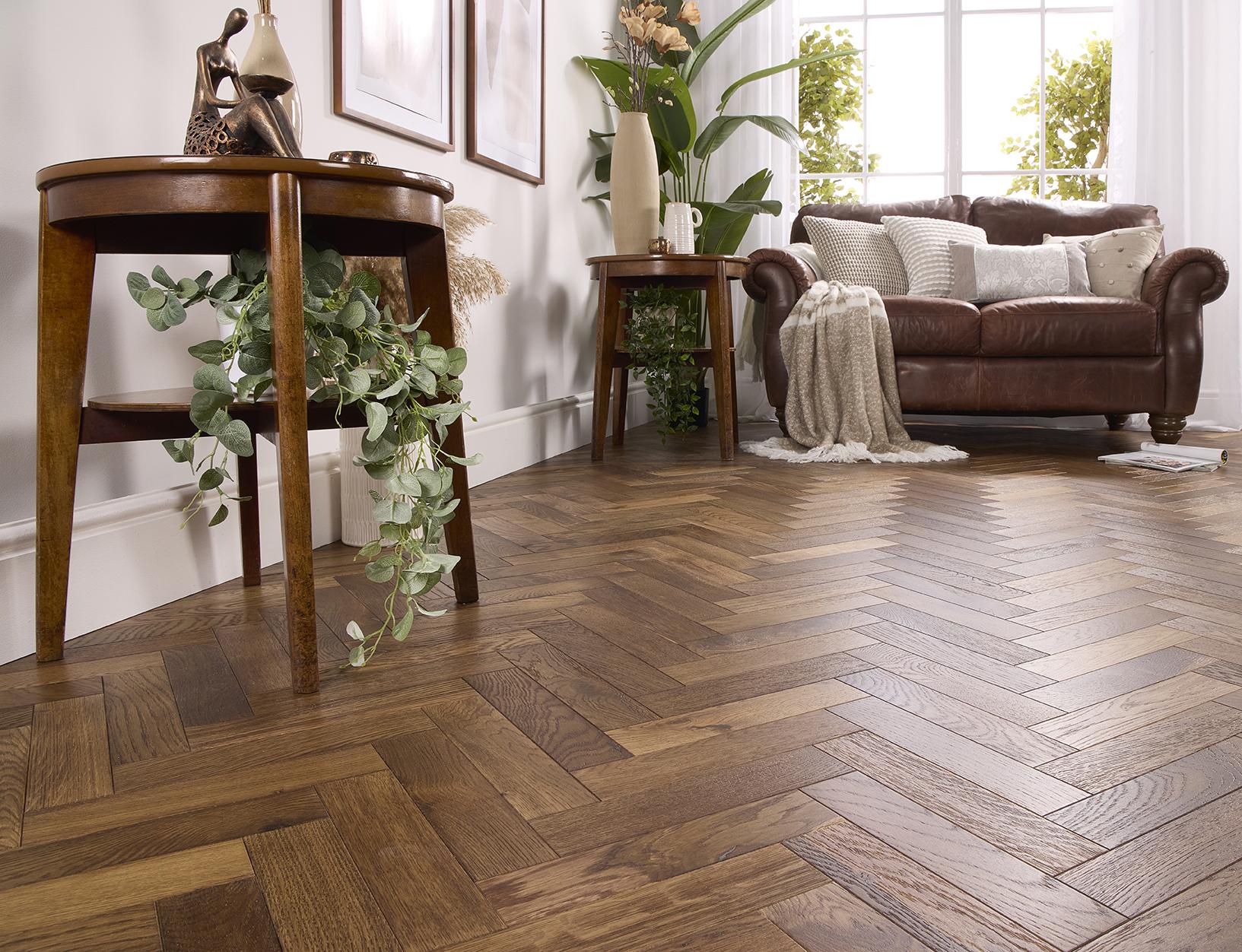
Augmented reality narrows the gap between browsing and buying, but it stops short of replacing a physical sample in hand. Augmented reality visualizer tools put control of the preview process directly into the homeowner's hands, letting shoppers test a vinyl plank or oak-style laminate against their own walls before committing. That shift matters: renovators no longer need a showroom trip just to rule out an obviously wrong tone. Still, a screen render answers one question while leaving several others unanswered.
Texture and performance sit at the top of that list. Engineered wood's layered construction gives it strength and durability suited to hallways. Living rooms, a quality no digital render can fully demonstrate. A apartment image shows grain pattern, not how a floor feels underfoot or holds up against daily foot traffic.
Does a digital preview show true color and texture?
Screens compress color under inconsistent lighting. A shade that looks warm on a phone can read cooler in natural daylight. Physical flooring samples, delivered quickly to the home, let buyers confirm color and texture that a render can only approximate. Rapid sample dispatch offers shoppers a tangible check against what they've already previewed digitally.
Which tool should come first?
Most renovation decisions benefit from sequencing: start with visualisation to shortlist two or three contenders, then order physical samples to confirm the finalists. This order saves time without sacrificing accuracy.
- Visualisation narrows broad style choices quickly
- Physical samples confirm color, grain, and surface feel
- Combining both methods reduces costly reordering after installation
Treated as complementary steps rather than substitutes, the two methods produce far more confident flooring decisions than either one alone.
Which Flooring Styles Suit Visualizer Previews Best?
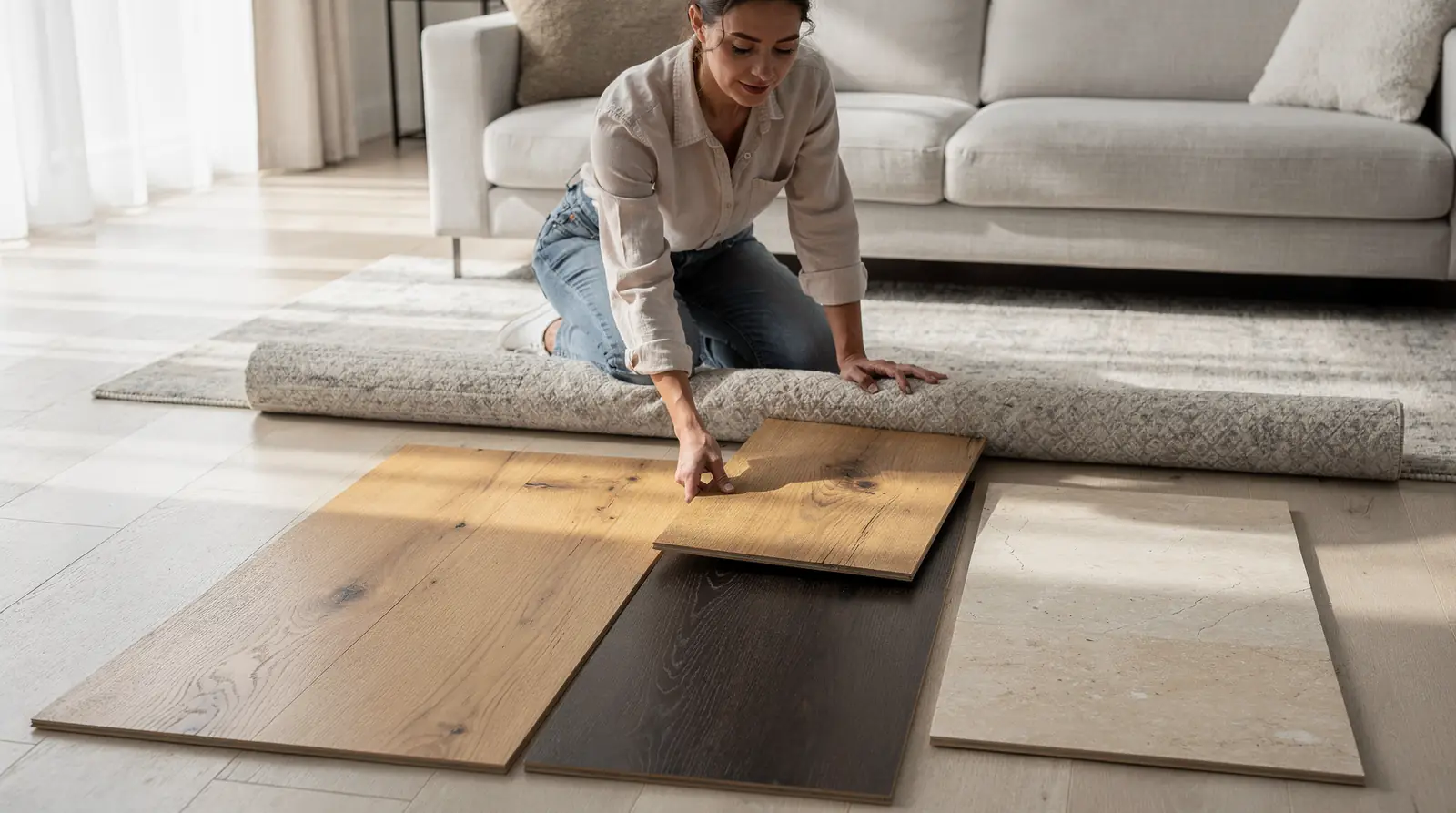
Herringbone, engineered wood, vinyl (LVT), laminate, solid oak, and SPC click vinyl all preview well on digital tools, letting shoppers compare patterns before ordering physical flooring samples. Herringbone engineered wood stands out in particular. Its angled parquet pattern shows clearly on screen and reveals how the layout will look across a whole room. Beyond pattern recognition, visualisation tools help buyers judge color tone and finish against existing walls and furniture.
Herringbone engineered wood flooring pairs the appearance of solid timber with the stability that comes from layered, engineered construction underneath. That structure matters beyond looks. A multi-layered build gives engineered wood the strength needed for busy areas like hallways and living rooms. A style that photographs well in a preview should also hold up to foot traffic once installed.
Does a digital preview show how durable a floor will be?
A screen preview shows color, pattern, and finish, not wear resistance. Durability depends on construction, such as the layered build found in engineered wood or the wear layer on vinyl. Checking product specifications alongside any visual preview remains the only reliable way to judge long-term performance.
Most visualizer libraries draw from a similar pool of everyday-friendly materials:
- Scratch-resistant luxury vinyl, suited to kitchens and busy family rooms
- Durable carpet, chosen for comfort underfoot in bedrooms and living spaces
- Classic hardwood, valued for its timeless look in period and modern homes
Augmented reality features extend this further, overlaying a chosen style directly onto a live camera view of the room rather than a static photo, which helps renovators judge scale and placement before committing to a sample order.
How Should You Combine Visualizer Tools And Samples?
Digital tools and physical materials work best as a two-step process. Online visualisation narrows the field; a physical sample confirms the final decision. Comparing flooring options side by side on screen helps buyers shortlist styles before committing to anything physical, cutting down on wasted time and indecision at the showroom stage.
Screens show color and pattern, but they cannot replicate how a floor behaves under a living room's actual light. That gap is why samples still matter after a digital shortlist is built.
Why order samples after using a visualizer?
Once a shortlist takes shape through an online tool, ordering a few flooring samples confirms whether the chosen tones hold up in natural daylight versus lamp light. Fast sample dispatch keeps the wait between shortlisting and physical confirmation short.
What's the best order to follow?
A practical sequence looks like this:
- Browse options using a visualizer or augmented reality app to rule out unsuitable colors and finishes.
- Narrow the list to two or three contenders.
- Request samples of each for in-home comparison.
- Check texture, grain, and color against existing furniture and walls.
FAQ
Are traditional flooring samples obsolete?
No, physical samples remain essential because they reveal true color, texture, and grain under real room lighting that screens cannot replicate. Digital visualizers complement this process rather than replace it.
How does a digital flooring visualizer work?
Homeowners upload a photo of their room, and the software maps the floor area and overlays different materials onto it. This creates an instant styled mock-up without measuring tape or paint swatches.
Do flooring retailers offer fast sample delivery?
Yes, many retailers now ship free samples to shoppers within a day of ordering. This lets buyers judge finishes at home before committing to a purchase.
Conclusion
In closing, traditional samples and digital visualizers serve distinct purposes rather than replacing one another. Physical samples remain essential for assessing texture, finish quality, and how light interacts with material in your actual space, details no screen can fully replicate. Digital tools excel at spatial planning and style exploration before committing to samples. The most effective approach combines both: use visualizers to narrow choices, then request physical samples to confirm your final decision in the environment where the flooring will live.


About The Author