The Next Flooring Boom Has Already Started
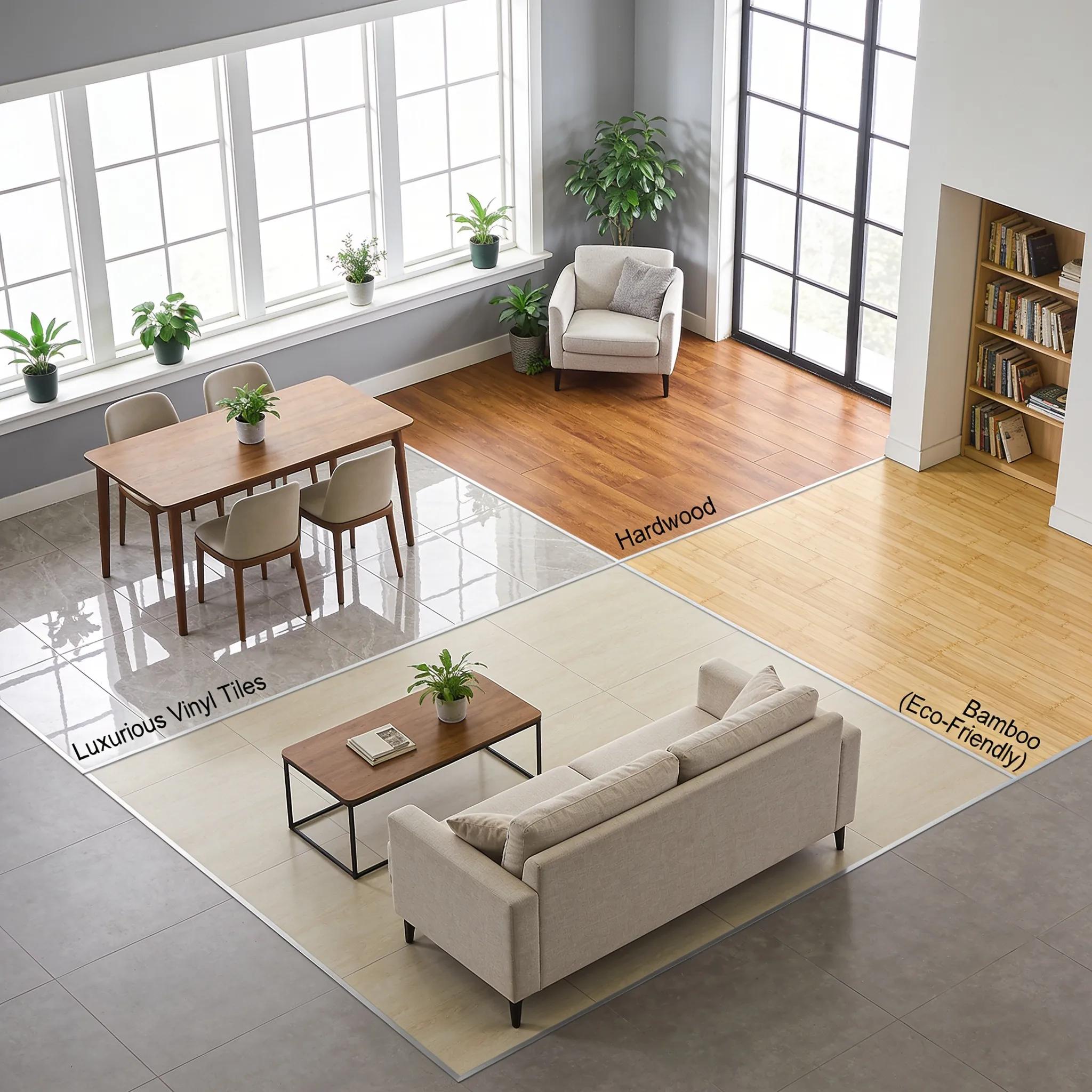
The flooring market is shifting in 2026 as new materials, smarter manufacturing, and stronger demand for greener choices reshape priorities. This article outlines the trends, growth opportunities, and why homeowners and trade professionals alike are balancing style, performance, and sustainability. We highlight how luxury vinyl tile (LVT) is reshaping the sector and the forces behind this next growth wave.
What Are the Top Flooring Trends Driving the 2026 Boom?
The 2026 boom reflects changing buyer tastes and production advances. Spotting these shifts early lets businesses adapt product lines, marketing, and supply strategies to capture new demand.
Which flooring materials are gaining popularity in 2026?
LVT, hardwood, and sustainable alternatives such as bamboo and cork are prominent. LVT combines toughness with a wide visual range and low upkeep, while bamboo and similar renewables offer eco-credibility with contemporary design appeal.
How are consumer preferences influencing flooring style developments?
Buyers favor personalization and sustainability. Interest in artisanal finishes and textured surfaces is growing, and many homeowners seek materials with visible natural variation—reclaimed wood or handcrafted tile—to make rooms feel unique.
Why Is Eco-Friendly Flooring a Key Factor in the Industry’s Growth?
Sustainable flooring has moved from niche to mainstream. Consumers expect products that lower impact without sacrificing performance or design, which is reshaping sourcing, manufacturing, and marketing.
What sustainable flooring materials reduce environmental impact?
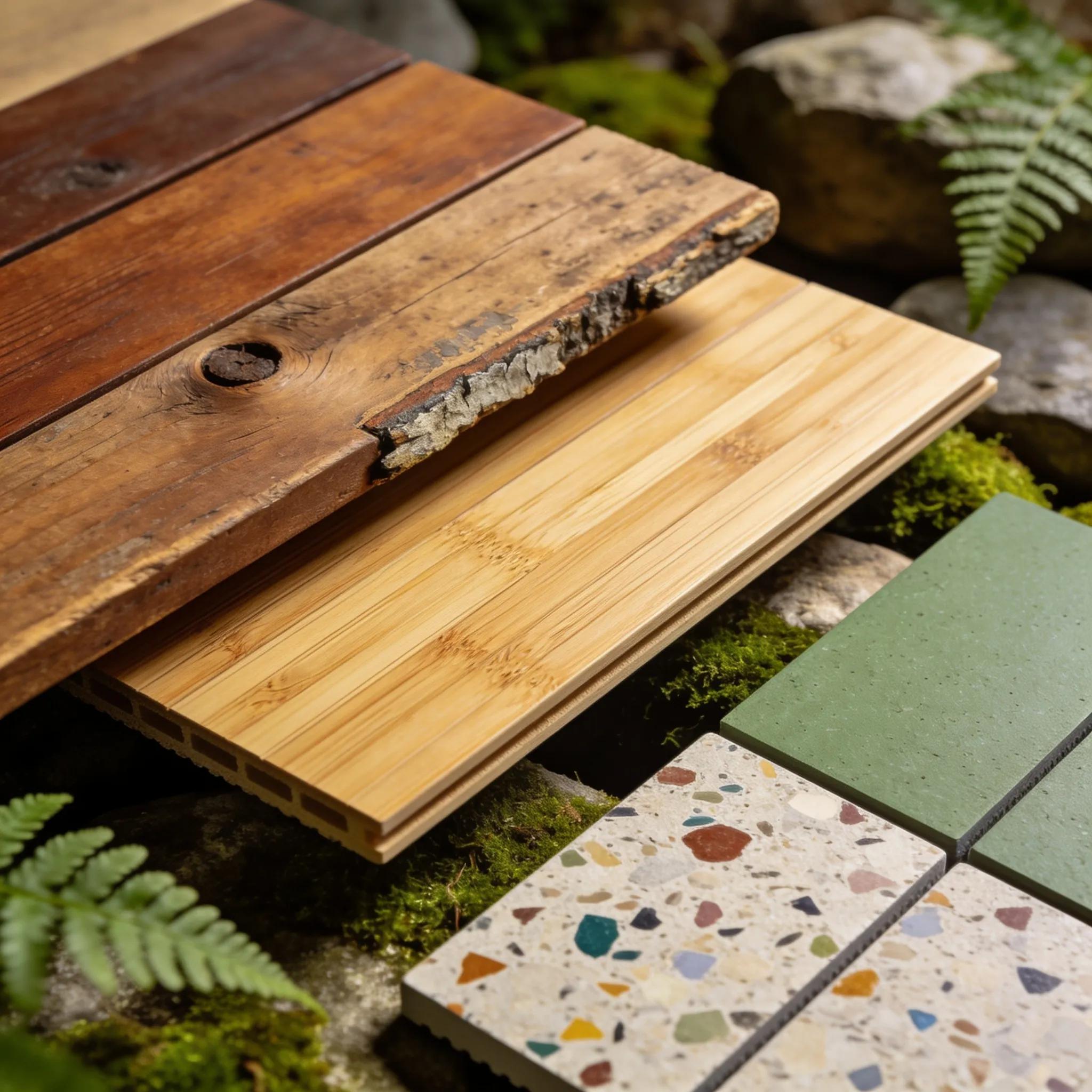
Reclaimed wood, bamboo, and recycled composites reduce environmental footprints while offering durability. Bamboo’s rapid regrowth and recycled composites’ use of diverted waste make them strong options for long-lasting, lower-impact floors.
How do eco-friendly certifications affect consumer choices?
Certifications act as shorthand for trust and transparency. Credible eco-labels simplify purchase decisions and help brands stand out in a crowded market.
How Is the Luxury Vinyl Tile Market Fueling Flooring Industry Growth in 2026?
LVT is among the fastest-growing segments because it pairs appearance, durability, and cost-effectiveness. Advances in printing and manufacturing let LVT closely mimic wood and stone while adding benefits natural materials may lack.
What benefits make luxury vinyl plank a preferred flooring solution?
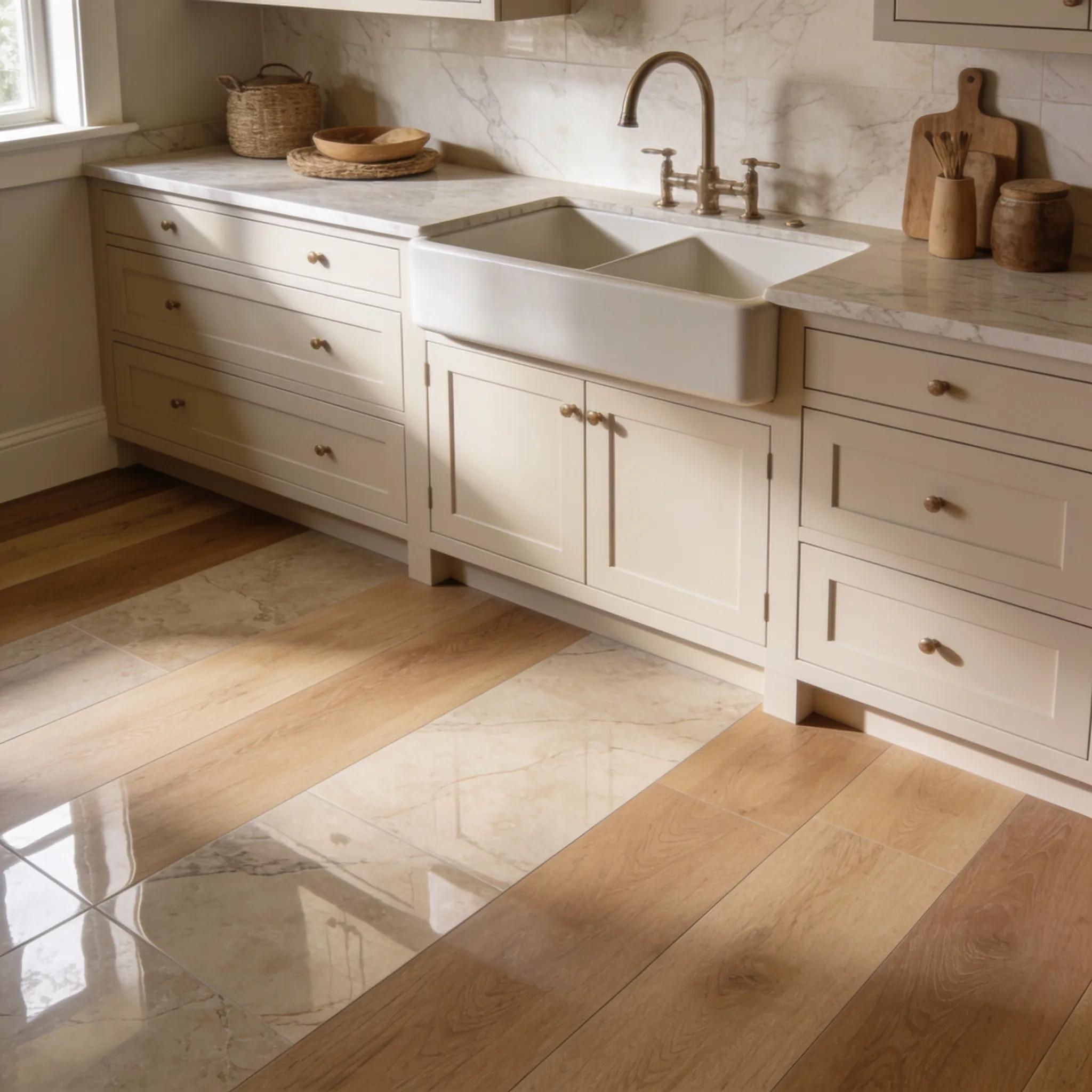
Luxury vinyl planks offer practical advantages that drive their popularity:
- Durability: Resistant to scratches and stains, built for busy, high-traffic spaces.
- Water Resistance: Engineered to handle moisture—suitable for kitchens, baths, and basements.
- Design Versatility: Advanced printing replicates wood or stone looks without the upkeep those materials demand.
How is the luxury vinyl tile segment performing in market growth projections?
Analysts expect LVT to keep gaining share as realism and efficiencies improve. Affordable, stylish options are boosting demand across new construction and renovations.
What Are the Key Drivers Behind the Flooring Industry Boom Today?
Growth is driven by rising consumer spending on home improvements, product innovation, and a stronger focus on sustainability. Identifying these drivers helps companies target investments and product development where they matter most.
How do market dynamics and consumer demand stimulate growth?
Higher disposable incomes and renewed renovation interest prompt homeowners to upgrade floors for comfort and resale value. Combined with new-build demand, this supports steady market growth.
What role do product innovation and accessories play in market acceleration?
Technical improvements—better locking systems, eco-friendlier adhesives, and enhanced underlays that improve acoustics and insulation—broaden the appeal of modern flooring by simplifying installation and improving performance for DIYers and pros.
Across materials, consumer preferences and broader trends point to meaningful shifts in 2026.
| Material Type | Key Features | Market Trend |
|---|---|---|
| Luxury Vinyl Tiles | Durable, moisture-resistant, versatile | Strong growth in aesthetic appeal, eco-friendly production |
| Hardwood Flooring | Timeless, natural textures | Rising demand for artisanal, unique finishes |
| Eco-friendly Options | Sustainable, renewable sources | Increasing consumer desire for environmentally responsible choices |
The outlook is positive: the sector is adapting to consumer priorities and environmental pressures while staying creative in design and production. Firms that respond to shifting tastes and sustainability expectations will be well positioned.
Frequently Asked Questions
1. What are the main challenges faced by the flooring industry in 2026?
The industry faces supply-chain volatility, fluctuating raw material prices, and competition from alternative coverings. Sourcing sustainable materials responsibly is harder as consumers expect clear provenance. Companies will need smarter logistics, better resource planning, and continued innovation.
2. How can businesses effectively market eco-friendly flooring options?
Emphasize sourcing and manufacturing transparency and explain environmental benefits plainly. Use customer stories, case studies, and visuals to showcase projects. Digital campaigns and green trade events help reach eco-conscious buyers and build credibility.
3. Are there specific flooring trends expected to emerge beyond 2026?
Look for more tech integration and biophilic influences: smart flooring features, built-in heating, and palettes that bring natural textures indoors. Designers will likely favor colors and patterns promoting wellness and connection to nature.
4. How can homeowners choose the right flooring type for their needs?
Match flooring to a room’s function, traffic, and maintenance tolerance. Water-resistant options like LVT suit kitchens and entryways; hardwood and carpet suit living areas and bedrooms. Balance aesthetics with practicality for the best fit.
5. What role do government regulations play in the flooring industry?
Regulations shape material choices and manufacturing—rules on VOCs and sourcing standards influence product development and labeling. Compliance is crucial for market access and consumer trust as standards evolve toward healthier, more sustainable products.
6. What maintenance tips should be followed for various flooring types?
Maintenance varies: LVT needs routine sweeping and occasional damp mopping; hardwood benefits from controlled humidity and periodic refinishing; carpets require regular vacuuming and professional cleaning. For bamboo and cork, use gentle cleaners and avoid excess moisture.
7. How can trends in regional markets differ for flooring options?
Regional preferences reflect climate and culture—warm areas often prefer tile and cool, low-maintenance floors; colder regions may favor hardwood and carpet for warmth. Local craftsmanship and design traditions also shape demand, so tailor offerings to regional tastes.
The Next Flooring Boom Has Already Started
Flooring growth in 2026 will be driven by fresh designs, better performance, and a stronger emphasis on sustainability. Homeowners want durable looks and trustworthy materials, so businesses that prioritize innovation, transparency, and quality will succeed. Continue monitoring trends, refine material choices, and align strategy to meet rising expectations for style and environmental responsibility.


About The Author