


The Next Big Flooring Material Isn't What You Think
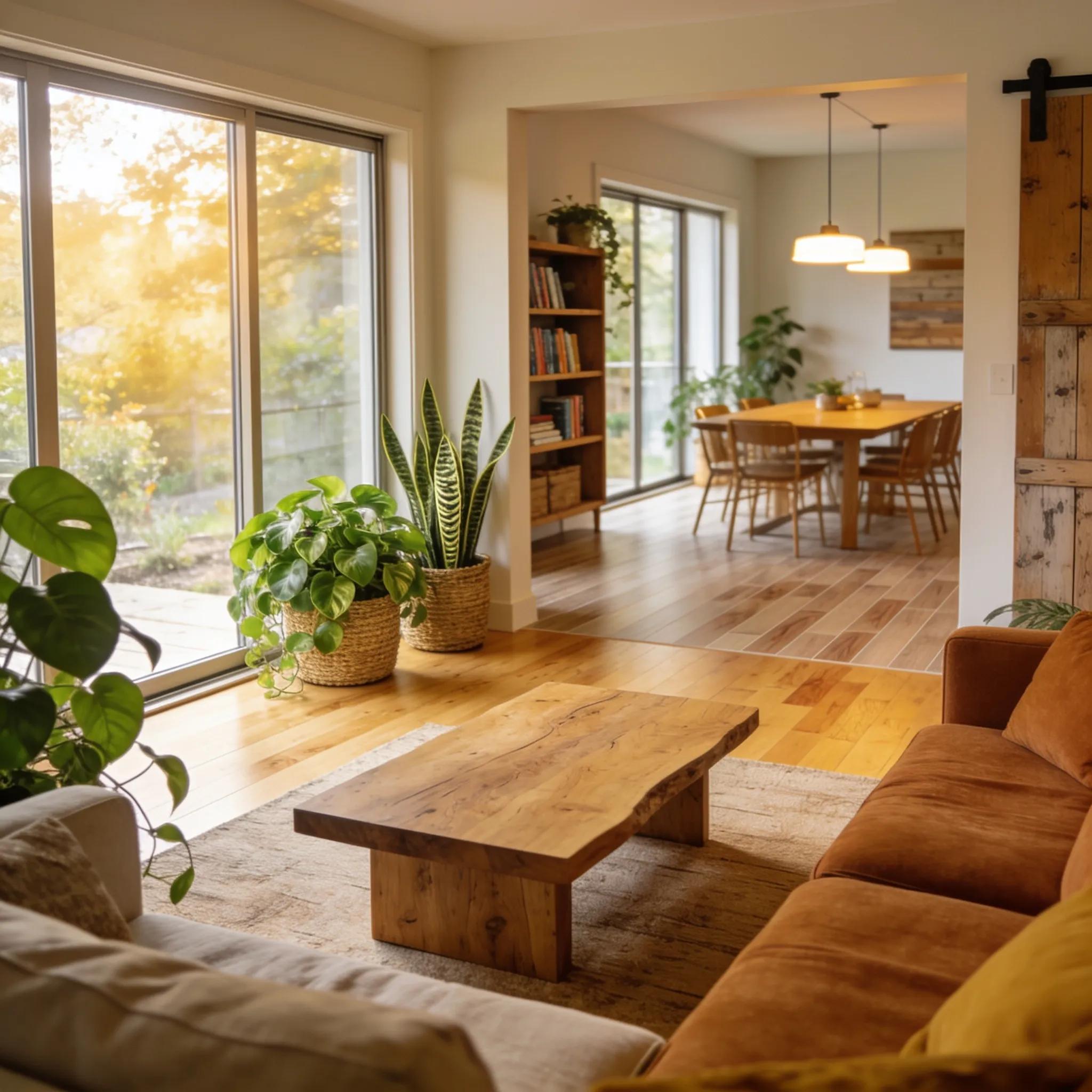
Flooring is moving toward greener, smarter options that blend style with real-world performance. Homeowners increasingly want durable, attractive floors that reduce environmental impact; this article outlines the top 2026 choices—responsibly sourced hardwood, bamboo, low-emission vinyl, and advanced laminates—so you can match material to lifestyle and values.
Below we summarize each material's strengths, the practical benefits for remodels and new builds, and the certifications and installation factors to consider.
What Is the Most Durable and Sustainable Flooring Material in 2026?
Durability and sustainability guide many 2026 purchases. Top contenders—sustainably sourced hardwood, bamboo, and low-emission vinyl—offer different balances of longevity, appearance, and environmental benefit. Manufacturing and finishing improvements have strengthened performance while reducing footprints.
For example, sustainably harvested hardwood and bamboo flooring now resist scratches and moisture better than in the past thanks to improved constructions and coatings, making them practical as well as green.
How Does Sustainable Hardwood Flooring Balance Durability and Eco-Friendliness?
When hardwood is certified and sourced from well-managed forests, it combines proven longevity with lower ecological disruption. Species like oak and maple offer long service lives and can be refreshed through refinishing, which spreads environmental cost over many years of use.
What Makes Bamboo Flooring a Leading Eco-Friendly Alternative?
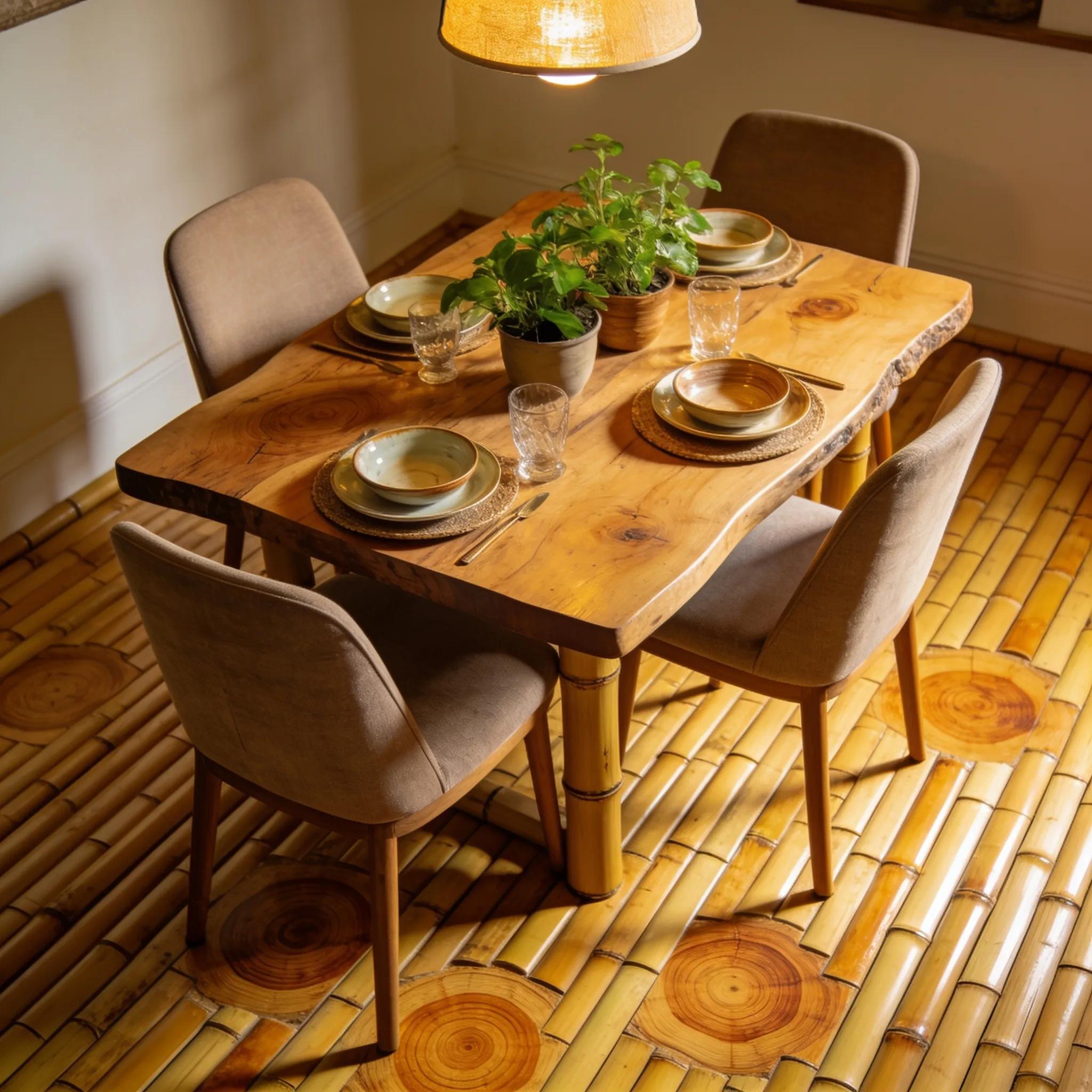
Bamboo is a fast-growing grass that reaches maturity much faster than typical hardwoods, often in under five years, making it a highly renewable option. Its natural strength and impact resistance mean it competes with hardwood for durability while offering distinct aesthetics.
Why Is Eco-Friendly Vinyl Flooring Gaining Popularity?
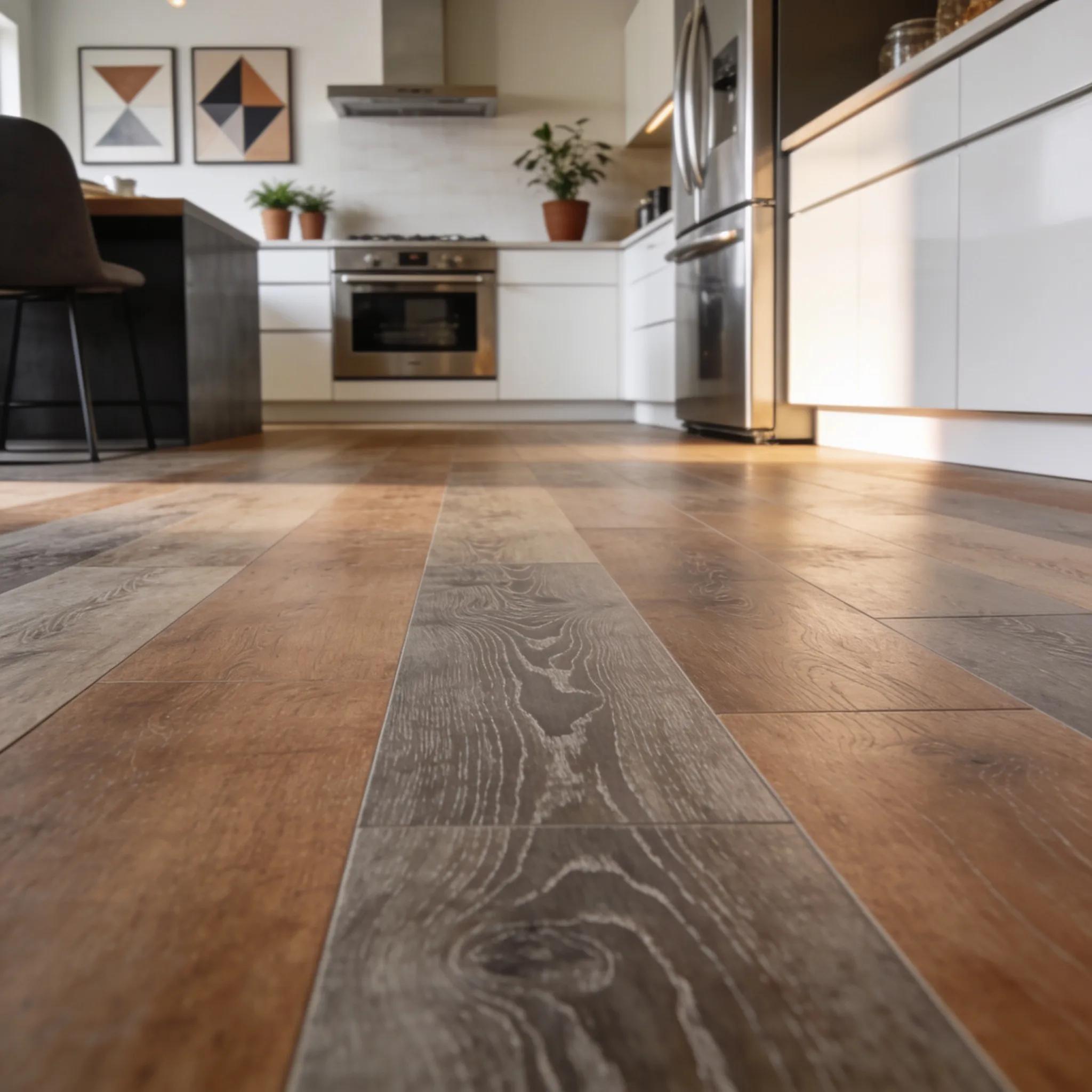
Eco-friendly vinyl is affordable, versatile, and now produced in formulations that cut harmful emissions. Many low-VOC options improve indoor air quality, and modern vinyl resists moisture and scratches while convincingly imitating wood, stone, or tile.
What Are the Latest Innovations in Low-VOC and Water-Resistant Vinyl Flooring?
Manufacturers have reduced emissions and introduced waterproof constructions that make vinyl suitable for kitchens, bathrooms, and basements. These technical gains, combined with expanded style options, keep eco-friendly vinyl a practical, sustainable choice for many homes.
How Does Recycled Material Flooring Compare to Traditional Options?
Recycled-material floors reuse inputs like reclaimed wood, glass, and textiles to create durable, attractive products while reducing demand for virgin resources. Reclaimed wood retains structural strength and many recycled floors carry sustainability certifications that give buyers confidence in environmental performance.
How Are Innovative Laminate Flooring Designs Changing Flooring Trends?
Laminate has improved with higher-fidelity prints and tougher surfaces that mimic natural materials while offering wear resistance and easy upkeep. This yields hardwood- or stone-like looks at a lower price point without sacrificing lifespan.
What Smart Technology Features Are Integrated Into New Laminate Flooring?
Some laminate products now offer sensors for temperature or movement, enabling integration with home automation and contributing to comfort and efficiency as part of a connected-home setup.
How Do Installation Innovations Improve Flooring Longevity?
Click-lock profiles and adhesive-free systems make installs faster and reduce moisture-related failures. Easier, more precise installation lowers user error and helps floors perform better over time.
What Factors Should You Consider When Choosing the Next Big Flooring Material?
Balance sustainability, durability, maintenance, and cost. Understanding these trade-offs helps you pick a floor that meets both functional needs and environmental goals.
Key Factors:
- Sustainability: Confirm materials are responsibly sourced and support long-term ecological balance.
- Durability: Choose materials that withstand daily wear to protect appearance and function.
- Maintenance Requirements: Consider the care routine required to keep the floor performing well.
Why Are Sustainability Certifications Critical For Flooring Selection?
Certifications like FSC for wood and FloorScore for indoor air quality give reliable verification of environmental and health claims. Knowing which labels matter helps you select flooring aligned with performance and sustainability goals. Learn more about FSC certifications here.
How Do Durability Scores and Environmental Impact Influence Flooring Value?
Durability scores indicate expected lifespan and maintenance need; higher-rated floors often cost less over time through fewer repairs. Lifecycle impacts—manufacturing emissions and end-of-life options—are increasingly part of purchase decisions as consumers favor lower-footprint products.
| Material | Attribute | Value |
|---|---|---|
| Sustainable Hardwood | Durability Rating | High |
| Bamboo Flooring | Renewable Resource | Grows in 3-5 years |
| Eco-Friendly Vinyl Flooring | Low VOC Content | Improves Indoor Air Quality |
This snapshot highlights each material's primary benefit and why sustainability and longevity matter when choosing floors.
Overall, the next wave of flooring emphasizes materials that deliver style and performance with smaller environmental footprints, making it easier to update homes thoughtfully.
Frequently Asked Questions
What are the benefits of using bamboo flooring in homes?
Bamboo is fast-growing and renewable, often matching hardwood for strength and durability while offering varied finishes and a distinct look.
How do maintenance requirements differ among sustainable flooring options?
Maintenance varies: hardwood may need cleaning and occasional refinishing, vinyl is generally low-maintenance and water-resistant, and bamboo benefits from routine cleaning to prevent damage.
Can recycled material flooring be as durable as traditional options?
Yes. Properly manufactured recycled-material floors can match or exceed traditional durability standards and often carry certifications that confirm performance.
What role does installation play in the effectiveness of flooring materials?
Installation is critical: correct methods prevent moisture and alignment issues. Modern click-lock and adhesive-free systems simplify installation and improve longevity.
How can consumers identify high-quality eco-friendly flooring products?
Look for trusted certifications such as FSC and FloorScore, read reviews, and ask suppliers for sourcing and testing documentation.
Why is it important to consider the lifecycle of flooring materials?
Considering sourcing, production, use, and end-of-life reveals a floor's true environmental footprint; choosing materials designed for reuse or recycling reduces waste and resource demand.
The Next Big Flooring Material Isn't What You Think
Recent advances make it possible to choose floors that are both beautiful and better for the planet. Eco-friendly vinyl, responsibly sourced hardwood, and bamboo each offer advantages in durability and design. By weighing performance, maintenance, and certifications, homeowners can select flooring that enhances their space and aligns with environmental priorities.


