The Most Regretted Flooring Choice (According to Homeowners)

Choosing flooring is one of the biggest decisions you’ll make for your home — it shapes a room’s look, feel and how it performs over time. Many homeowners end up frustrated by unexpected wear, difficult upkeep or poor installation. This article walks through the floors people most often regret, the installation mistakes that lead to trouble, and straightforward steps to pick and protect the right material for every room.
Which Flooring Materials Do Homeowners Regret Most and Why?

Some materials disappoint more often because they don’t stand up to everyday life. Common regrets centre on laminate, vinyl and carpet — usually because durability or maintenance needs don’t match buyers’ expectations.
| Material | Regret Reason | Satisfaction Score |
|---|---|---|
| Laminate flooring | Prone to scratches and water damage | 65% |
| Vinyl flooring | Can fade over time and may tear in heavy use | 70% |
| Carpet flooring | Hard to deep‑clean and can hold onto odours | 60% |
Short‑term savings on cheaper floors often don’t cover the cost of repairs, cleaning or earlier replacement. In most cases, durability determines long‑term satisfaction.
Which Flooring Materials Fare Worst for Durability and Satisfaction?
Durability is the main driver of regret. Laminate is budget‑friendly but can scratch easily and warp if exposed to moisture. Vinyl may fade or tear under heavy traffic. Carpet feels cosy but stains and lingering smells often lower satisfaction. The best defence is matching the material to how the room will be used.
How Do Cheap Flooring Problems Lead to Long-Term Regrets?
Choosing the cheapest option can create repeated costs and disruption. Low‑grade laminate might need replacing after only a few years; inexpensive carpets often need frequent deep cleaning or early replacement. Over time, those ongoing costs — and the hassle — can far outweigh the initial saving.
Maintenance over a floor’s lifetime affects both cost and environmental impact, so include upkeep when you compare options.
The Impact of Flooring Maintenance on Life Cycle Costs
Adding maintenance requirements to a floor’s life cycle can substantially raise its environmental and economic footprint. In the study, maintenance increased environmental scores by between about 31% (for hardwood) and 114% (for carpet). A sensitivity analysis attributes most of that increase to frequent vacuuming. Maintenance also boosts total costs — roughly 49% of hardwood’s lifetime cost and about 30% for linoleum, vinyl and carpet. Finally, the expected service life of the home shifts which flooring option is most economical over time.
Impact of maintenance on life cycle impact and cost assessment for residential flooring options, 2015
What Installation Mistakes Cause Flooring Regrets?
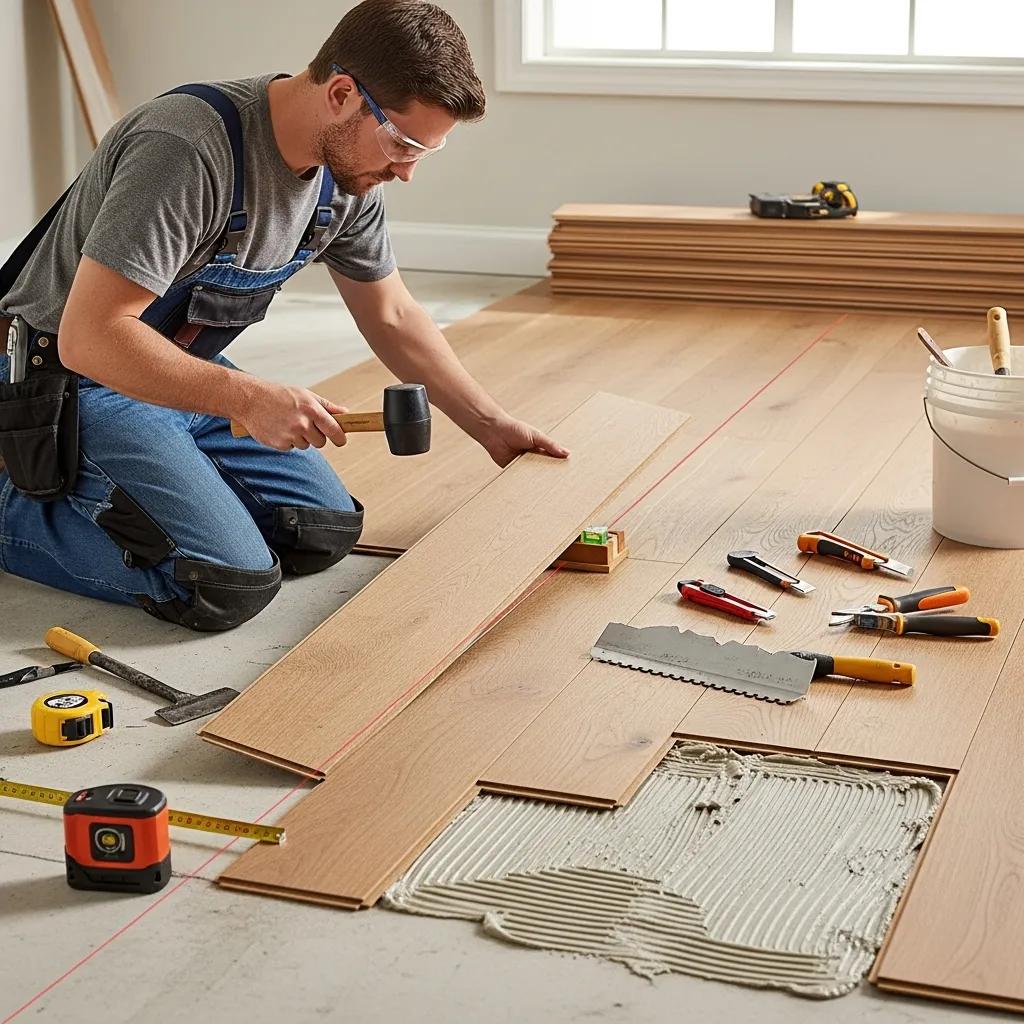
Installation matters as much as the material. Poor preparation or the wrong technique can shorten a floor’s life and spoil even high‑end products. Spot the common installation errors before work starts to avoid problems later.
Which Flooring Installation Errors Impact Durability and Appearance?
Common mistakes include skipping subfloor preparation, not allowing materials to acclimatise, and using the wrong adhesive or fasteners. These issues lead to warping, buckling, gaps and uneven surfaces — all of which need costly fixes.
How Can Proper Installation Prevent Common Flooring Regrets?
Correct installation prevents many future problems. Choose installers who check and level the subfloor, let materials acclimatise to the room, and use products and methods suited to the flooring type. Paying for proper installation up front usually saves money and stress down the line.
How Does Flooring Durability Affect Homeowner Satisfaction?
Durability and satisfaction go hand in hand. Floors that stand up to daily wear and moisture look better for longer and need less upkeep; failing materials become constant sources of disappointment.
What Are the Durability Issues That Lead to Flooring Replacement?
Damage shows up as scratches, fading or water problems. Laminate tends to age faster in busy homes; flattened or discoloured carpets make spaces feel tired. Pick materials that suit your household’s traffic, pets and moisture levels to avoid premature replacement.
How Does Flooring Choice Impact Home Resale Value?
Flooring shapes buyer impressions. Durable, well‑chosen floors can improve offers; worn or cheap floors can reduce interest. If you plan to sell soon, opt for broadly appealing, resilient options or consider replacing tired floors before listing. For more tips on boosting resale value, see our home resale tips.
What Are the Best Flooring Accessories to Avoid Regrets?
The right accessories extend a floor’s life and cut maintenance. Small upgrades often make the difference between a floor that ages gracefully and one that wears out quickly.
Which Accessories Improve Flooring Longevity and Maintenance?
Key accessories include quality underlayment, the correct adhesive and durable protective finishes. Underlayment adds cushioning and moisture resistance; the right adhesive keeps planks or tiles secure; coatings protect against scratches and stains. Spending a little more on these items usually saves money and frustration later. For product ideas, visit our flooring accessories guide.
How Do Flooring Accessories Complement Different Flooring Types?
Match accessories to the material: laminate often needs a moisture‑resistant underlay; hardwood benefits from sealers or robust finishes; vinyl gains from cushioned underlay for comfort and sound reduction. The correct accessories help each flooring type perform at its best.
Frequently Asked Questions
What factors should I consider when choosing flooring for my home?
Think about durability, maintenance, style and cost. Match the material to each room’s needs — moisture resistance for bathrooms, hard‑wearing surfaces for hallways and comfy options for bedrooms — and factor in long‑term costs and resale impact. Sampling materials in your own rooms helps make the right choice.
How can I maintain my flooring to prevent regrets?
Sweep or vacuum regularly, clean spills straight away and use manufacturer‑recommended cleaners. Use mats in busy areas and pads under furniture legs. Schedule periodic deep cleans for carpets. Following care instructions keeps floors performing well for longer.
What are the signs that my flooring needs to be replaced?
Look for persistent scratches, fading, buckling, water damage, lingering carpet odours, flattened fibres or unsafe uneven areas. If repairs keep recurring or damage is widespread, replacement is often the better long‑term choice.
Are there eco-friendly flooring options available?
Yes — options such as bamboo, cork and reclaimed wood are renewable or recycled choices. Some manufacturers also use recycled content. Look for certifications like FSC or GREENGUARD to confirm sustainable sourcing and low emissions.
How can I choose the right color and style for my flooring?
Base your decision on your home’s colour palette and the mood you want to create. Light floors open up a room; dark floors add warmth and contrast. Consider your home’s style and test samples in different lighting before you decide.
What should I know about flooring warranties?
Warranties usually cover manufacturing defects but often exclude installation errors and normal wear. Note the warranty length, exactly what’s covered and any maintenance requirements to keep coverage valid. Keep purchase and care records to support any claim.
Conclusion
Thoughtful material choices and correct installation are the best ways to avoid flooring regret. Match floors to your lifestyle, invest in the right accessories and use professional installation when needed. Those steps protect your investment and keep your home looking good for years. For more detailed guidance, explore our full flooring guides and pick the option you’ll be glad you made.


About The Author