The Flooring Rule Nobody Wrote Down — Yet Everyone Follows
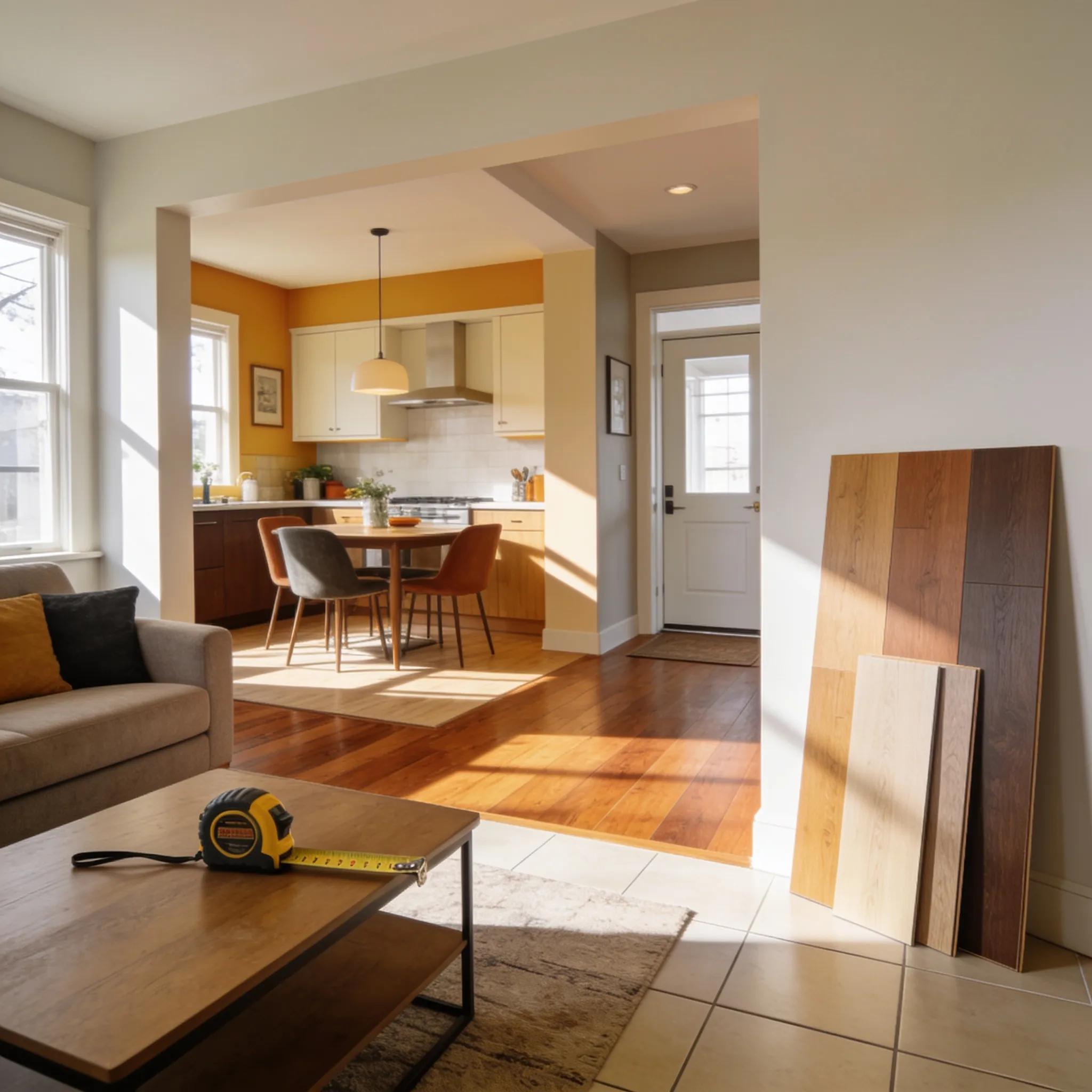
Choosing flooring involves many trade-offs; the key, often unstated, is matching material to environment and installation method. This article summarizes practical installation tips, which materials best follow that rule, and trends shaping flooring choices in 2026.
We focus on how the unwritten rule affects material selection, installation steps to avoid common mistakes, and eco-friendly and durable choices from hardwood to bamboo.
What Is the Unwritten Flooring Rule Everyone Follows?
The unwritten rule is simple: ensure compatibility between the flooring material and the installation environment to guarantee performance and longevity. Consider room function, traffic, and local climate before you choose.
Following this rule helps homeowners, designers, and installers avoid costly problems and achieve a visually pleasing, durable result.
How Does This Rule Influence Flooring Installation Best Practices?
It makes subfloor preparation, acclimatization, underlayments, and the correct adhesives non-negotiable steps. Proper matching of these elements prevents warping, buckling, and premature failure.
Installers who apply these principles follow manufacturer guidelines and use materials suited to the room’s conditions; ignoring them often leads to repeat repairs. See installation best practices for details.
Why Is Understanding This Rule Key to Avoiding Common Flooring Mistakes?
Mismatches—like using non-waterproof materials in humid areas—cause swelling, squeaks, and uneven wear. Anticipating conditions prevents these issues and reduces long-term maintenance costs.
Working with knowledgeable professionals and planning for expected use and climate will save time and money. Learn more about common flooring mistakes.
Which Flooring Materials Best Align with the Flooring Rule?
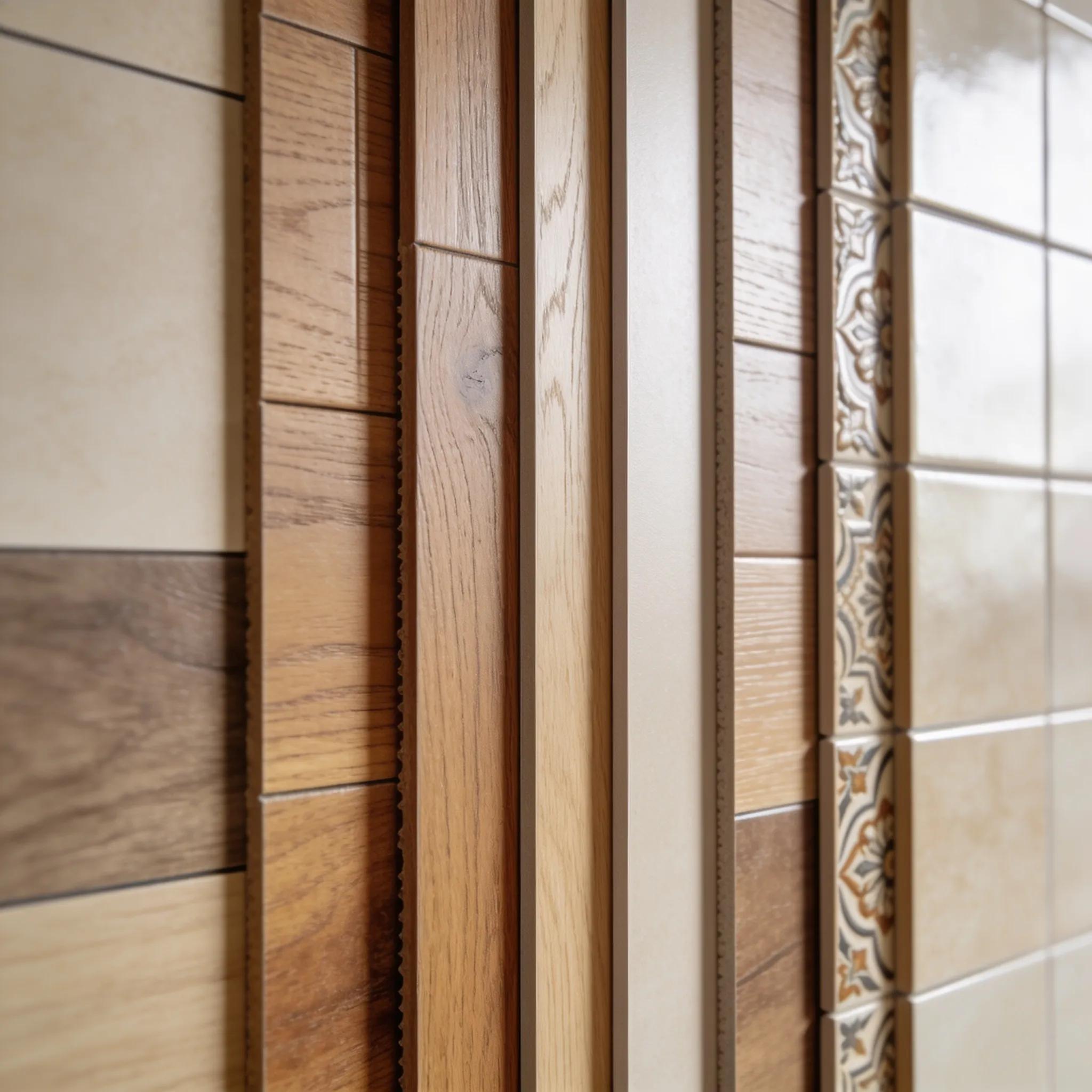
Materials that align well include hardwood, laminate, vinyl, and tile; the right pick depends on durability needs, maintenance tolerance, and the installation environment.
Understand each material’s strengths so you can place them where they perform best and complement the home’s design.
| Flooring Material | Durability | Style |
|---|---|---|
| Hardwood | High | Timeless & Elegant |
| Laminate | Medium | Versatile & Affordable |
| Vinyl | High | Modern & Functional |
| Tile | Very High | Classic & Stylish |
Table: each type offers advantages—hardwood for classic appeal, tile for high-traffic durability, vinyl where moisture resistance is needed.
How Do Hardwood, Laminate, Vinyl, and Tile Compare in Durability and Style?
Hardwood offers long life and a premium look; laminate mimics wood affordably; vinyl resists moisture; tile endures heavy wear. Proper installation and upkeep extend any floor’s life.
Choose based on the room’s use and maintenance expectations rather than aesthetics alone.
What Are the Advantages of Eco-Friendly Flooring Options Like Bamboo?
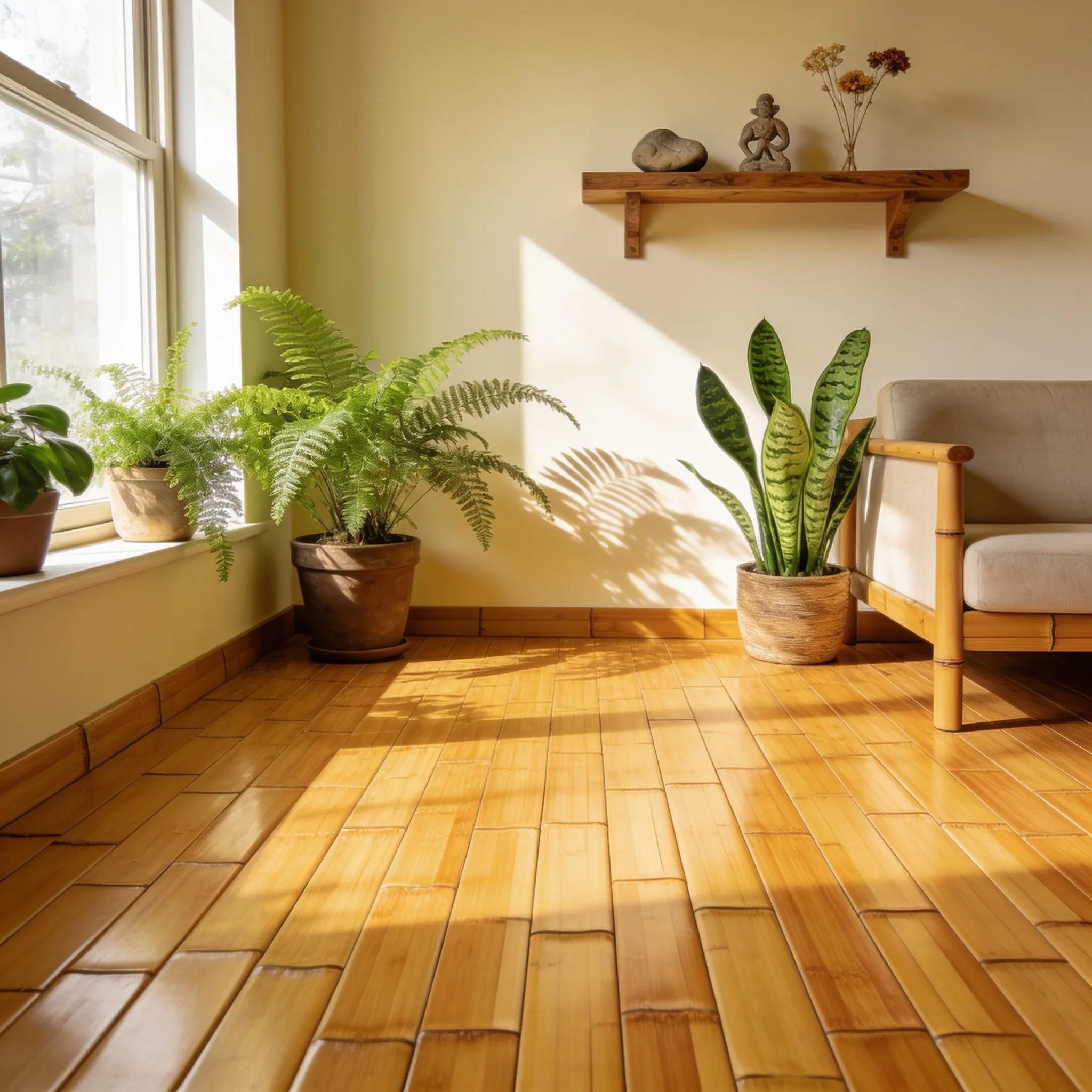
Bamboo and similar sustainable choices combine good durability with a lower environmental footprint; many products use low-emission adhesives for better indoor air quality.
Select eco-friendly materials when durability, appearance, and healthier indoor air matter—this increasingly influences consumer choices and manufacturer offerings. See eco-friendly flooring.
What Are the Most Common Flooring Mistakes Related to the Unwritten Rule?
Common mistakes stem from ignoring compatibility: wrong material for humidity, poor subfloor prep, or incorrect adhesives, all of which reduce performance and lifespan.
Adhering to the unwritten rule—matching material, substrate, and conditions—prevents misalignment and costly rework.
How Can Installation Errors Impact Flooring Longevity and Appearance?
Errors like poor adhesive use or skipping acclimatization cause buckling, warping, and shortened life. Even small installation oversights can require expensive fixes.
Hiring experienced installers and following manufacturer instructions are essential to avoid these problems.
Which Accessories Are Essential to Support Proper Flooring Installation?
Underlayments, correct adhesives, and protective finishes are critical; they add comfort, sound control, and moisture resistance and protect the surface finish.
- Underlayments: Provide cushioning and soundproofing, enhancing the comfort of the floor.
- Adhesives: Designed specifically for each flooring type, ensuring strong bonds and durability.
- Protective Finishes: Guard against wear and moisture, particularly in high-traffic areas.
Using the right accessories and tools improves performance and ensures a refined, long-lasting finish. See flooring accessories.
What Indoor Flooring Design Trends Should You Consider in 2026?
2026 trends emphasize sustainability, customization, and mixed materials; consumers want floors that look good and perform well over time.
Many buyers balance aesthetic goals with eco-conscious choices, prompting manufacturers to offer greener options and flexible designs.
Which Styles Are Most Popular: Contemporary, Rustic, or Classic?
Contemporary favors clean lines and natural finishes; rustic emphasizes warmth and texture; classic relies on timeless materials. Blending styles is common for a personalized look.
Pick a style that suits your lifestyle and the room’s function to maintain cohesion and longevity.
How Do Trends Influence Material and Accessory Recommendations?
Trends push manufacturers toward sustainable materials and non-toxic finishes; they also affect accessory choices like greener adhesives and modular underlayments.
Despite shifting trends, the core design fundamentals—match material to environment and use—remain constant.
Frequently Asked Questions
What factors should I consider before selecting a flooring material?
Consider room use, traffic, moisture, maintenance, budget, and desired style; prioritize durability for busy spaces.
How can flooring choices affect indoor air quality?
Some products emit VOCs; choose low-emission or certified eco-friendly materials and adhesives to protect indoor air.
What installation techniques can maximize the lifespan of flooring?
Prepare the subfloor, control moisture, acclimate materials, use recommended adhesives/underlayments, and follow manufacturer instructions.
Are there specific trends in eco-friendly flooring I should be aware of?
Bamboo, cork, reclaimed wood, and low-VOC finishes are rising; look for sustainably sourced and certified products.
How can I ensure my flooring installation is professional and meets best practices?
Hire experienced installers, check references, confirm methods for subfloor prep and acclimatization, and use a clear contract.
What are the signs that my flooring might need replacement?
Deep scratches, warping, persistent creaks, moisture damage, or widespread wear indicate it may be time to replace flooring.
Conclusion
Applying the unwritten flooring rule—matching material, environment, and installation—helps homeowners achieve durable, attractive floors. Plan with the end use and conditions in mind, use correct accessories, and hire qualified installers to avoid common mistakes and extend flooring life.


About The Author