The Flooring Industry's Best-Kept Secret
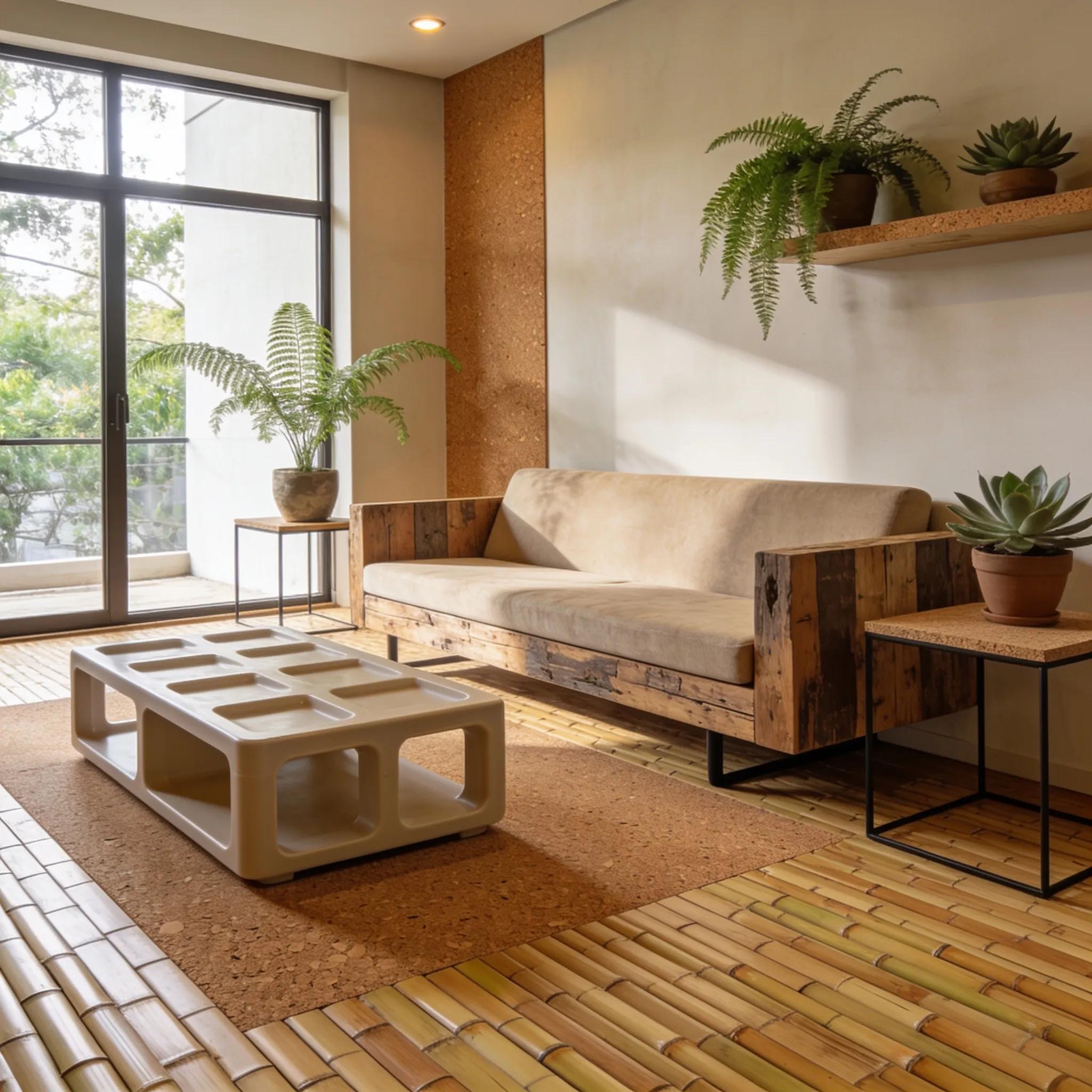
As sustainable living grows, eco-friendly flooring is a top choice for homeowners and designers. This guide highlights green flooring options that balance style, durability, and cost, and explains materials, design directions, installation methods, and budget-friendly choices to help you pick lasting, attractive floors.
Top Eco-Friendly Flooring Materials for 2026
In 2026 several materials combine appealing looks with lower environmental impact. Bamboo, cork, recycled hardwood, and certain luxury vinyl tiles offer durability while using renewable sources, reclaimed content, or longer lifecycles. Choosing responsibly produced products improves indoor air and supports sustainable manufacturing.
Which Certifications Confirm Sustainable Flooring Choices?
Certifications let you verify a product’s sustainability. Common, trusted certifications include:
- FSC (Forest Stewardship Council): Confirms wood comes from responsibly managed forests.
- LEED (Leadership in Energy and Environmental Design): Awards credits for using sustainable materials in buildings and renovations.
- GreenGuard: Tests and verifies low volatile organic compound (VOC) emissions for healthier indoor air.
Picking certified products helps ensure environmental goals and strong in-home performance.
What Emerging Eco-Friendly Materials Are Revolutionizing Flooring?
Reclaimed wood and biocomposite products blend classic aesthetics with modern sustainability. Biocomposites use agricultural byproducts with advanced binders to reduce demand for virgin resources while offering distinctive looks that appeal to homeowners seeking eco-conscious design.
What Are the Latest Flooring Design Trends for 2023 to Inspire Your Space?
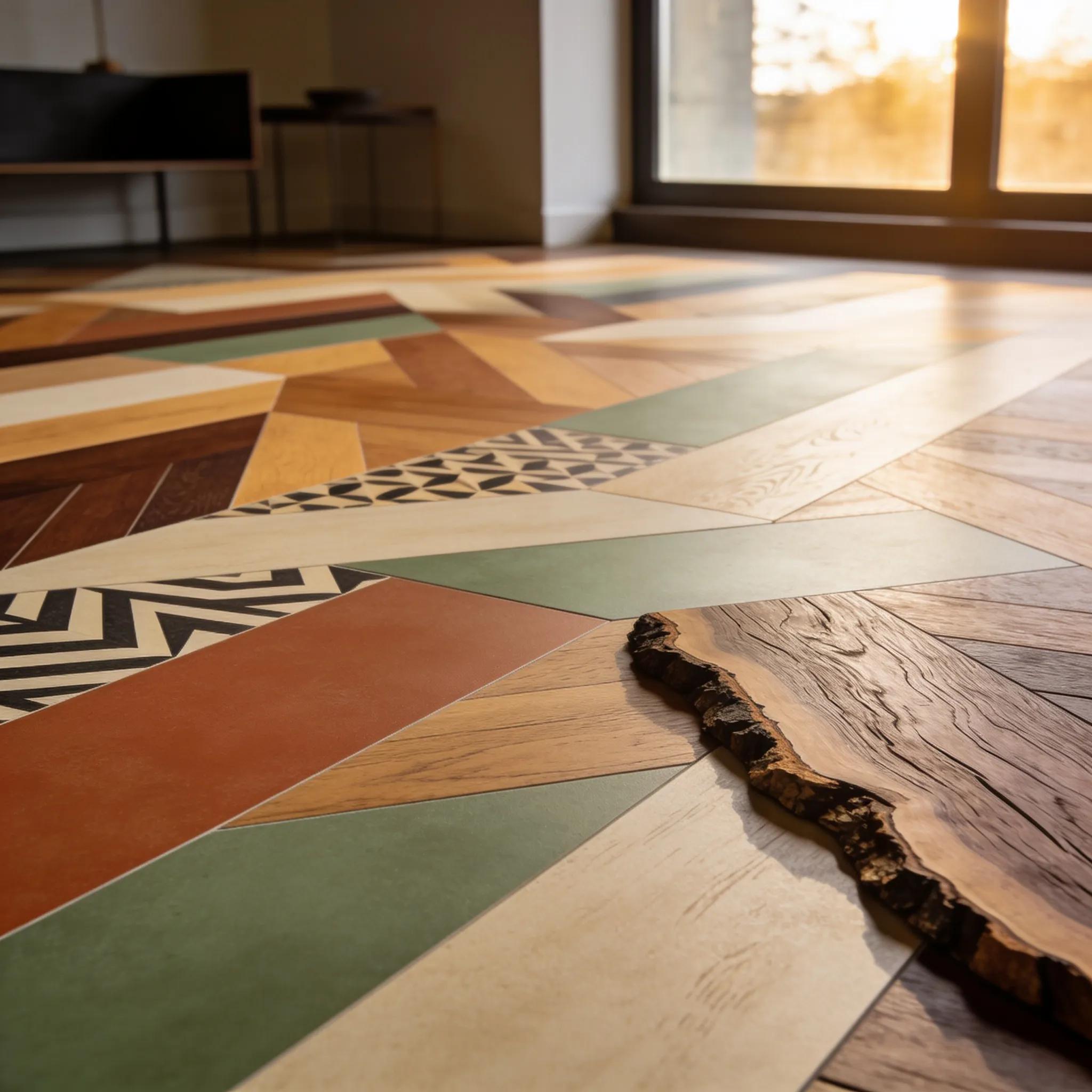
Recent trends favor natural finishes, bold accents, and pronounced textures that let homeowners tailor rooms to their tastes. Combining these elements with considered furniture and lighting produces modern, intentional spaces.
Which Color Palettes and Textures Define Modern Flooring Styles?
Palettes lean toward earthy tones like walnut and oak, with deeper accents such as navy and forest green. Texture—distressed or hand-scraped paired with smooth panels—adds depth and visual contrast for layered, welcoming interiors.
How Do Unique Hardwood Flooring Styles Enhance Interior Aesthetics?
Formats like wide planks and herringbone change a room’s character quickly. Natural grain and color variation add warmth, while lighter finishes brighten spaces and emphasize openness without sacrificing modern appeal.
How Can Innovative Flooring Installation Methods Save Time and Costs?
Modern systems speed projects and reduce labor. Click-lock and snap-together installations are faster and more DIY-friendly, cutting time on site and lowering costs when matched to the material and space.
What Are Step-by-Step Guides for Popular Installation Techniques?
- Click-Lock Installation: Start with a clean, dry, level subfloor. Place the first panel with the tongue facing the wall. Angle the next plank into place and press down until it clicks into the previous piece.
- Glue-Down Installation: Spread adhesive over the subfloor with a notched trowel according to manufacturer instructions. Lay planks carefully, keeping seams tight and aligned. Use a roller after installation to secure full contact and adhesion.
- Floating Installation: Lay a suitable underlayment for moisture control and sound reduction. Begin in the left corner, staggering end joints to increase stability. Lock each plank into place along edges and check for even seams.
Which Tools and Accessories Improve Installation Efficiency?
The right tools speed work and improve finish quality. Useful items include:
- Rubber mallet: Helps seat panels without damaging surfaces.
- Tapping block: Protects plank edges while ensuring tight fits.
- Jigsaw: Cuts planks to fit unusual corners and obstacles.
An organized workspace and the right accessories streamline the process and improve the final result.
What Affordable Flooring Solutions Combine Quality and Budget in 2026?
Budget-friendly options like laminate, luxury vinyl, and carpet tiles now offer durability and style. Thoughtful product choice lets homeowners balance upfront cost and long-term performance for different rooms.
How Do Different Flooring Materials Compare in Cost and Durability?
Here’s a quick comparison to weigh cost against expected lifespan:
| Flooring Type | Average Cost per Square Foot | Durability |
|---|---|---|
| Laminate | £1.25 - £4.00 | 10-30 years |
| Luxury Vinyl | £2.00 - £5.00 | 10-25 years |
| Carpet Tiles | £1.00 - £5.00 | 5-15 years |
| Engineered Hardwood | £3.00 - £7.00 | 20-30 years |
Consider price, lifespan, and maintenance when choosing the best value for each room.
What DIY Flooring Options Reduce Installation Expenses?
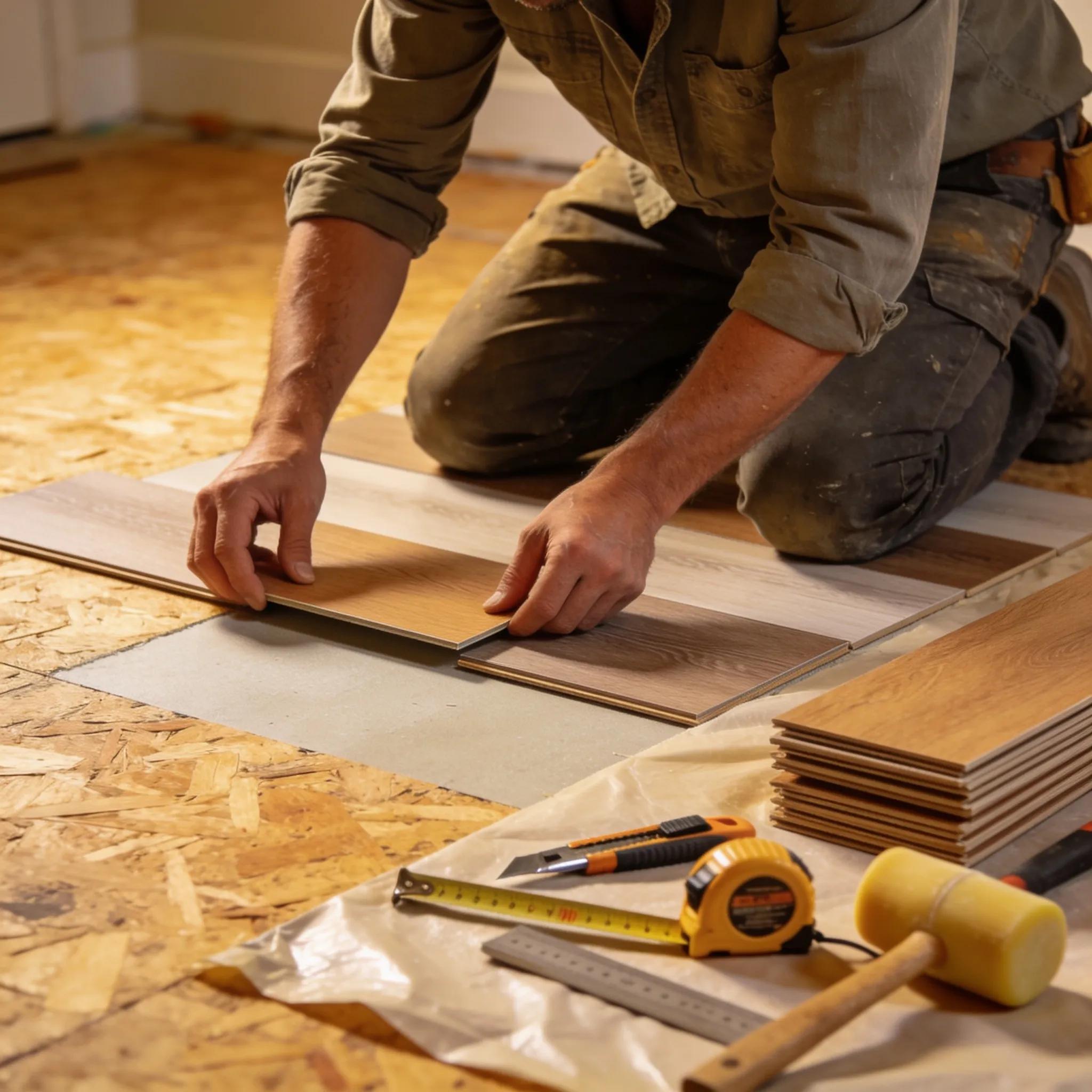
DIY projects can cut installation costs. Common DIY-friendly choices include:
- Laminate Flooring: Often uses a click-lock system that’s straightforward for beginners.
- Vinyl Planks: Many styles have peel-and-stick or loose-lay options that work over existing floors.
- Carpet Tiles: Modular pieces are easy to fit and replace, simplifying upkeep and repairs.
With proper prep and the right tools, DIY flooring can deliver professional-looking results at lower cost.
Frequently Asked Questions
What are the environmental benefits of choosing eco-friendly flooring?
Eco-friendly flooring lowers environmental impact through renewable sourcing, recycled content, and cleaner manufacturing. These choices often reduce carbon emissions and indoor pollutants, and longer-lasting floors mean fewer replacements and less waste over time.
How can I maintain eco-friendly flooring to ensure longevity?
Routine care keeps floors performing well: use gentle, eco-conscious cleaners, place mats at entrances, and protect high-traffic areas with rugs. Repair scratches promptly and refinish or reseal when appropriate to extend the floor’s life.
Are eco-friendly flooring options suitable for high-traffic areas?
Yes. Many sustainable materials suit busy spaces—luxury vinyl and quality bamboo are durable under heavy use, and cork offers resilience and sound absorption. Choose products rated for high-traffic installation.
Can eco-friendly flooring materials contribute to better indoor air quality?
Yes. Sustainable materials often emit fewer VOCs, and certified products (such as GreenGuard) are tested for low emissions. Using low-VOC adhesives and finishes further improves indoor air quality.
What are the cost differences between eco-friendly and traditional flooring materials?
Some eco-friendly options have higher upfront costs but can offer longer lifespans and lower lifecycle expenses. Evaluate total cost of ownership—purchase, maintenance, and replacement—when comparing choices.
How do I choose the right eco-friendly flooring for my home?
Match materials to your lifestyle and each room’s needs. Consider traffic, moisture exposure, and desired look. Durable options like luxury vinyl or bamboo suit busy areas; reclaimed wood or cork add warmth. Check certifications and consult flooring pros as needed.
Are there funding or rebate programs for installing eco-friendly flooring in homes?
Some local governments, utilities, and energy programs offer rebates or incentives for sustainable home upgrades, including certain flooring improvements. Programs vary by region—check local resources and utility providers for details.
The Flooring Industry's Best-Kept Secret
Eco-friendly flooring lets you combine style, durability, and environmental responsibility. Choose certified, responsibly made materials to reduce your home’s impact while enhancing comfort and appearance. Explore options that fit your budget and design goals to create a more sustainable, beautiful home.


About The Author