The Flooring Debate That Never Gets Settled
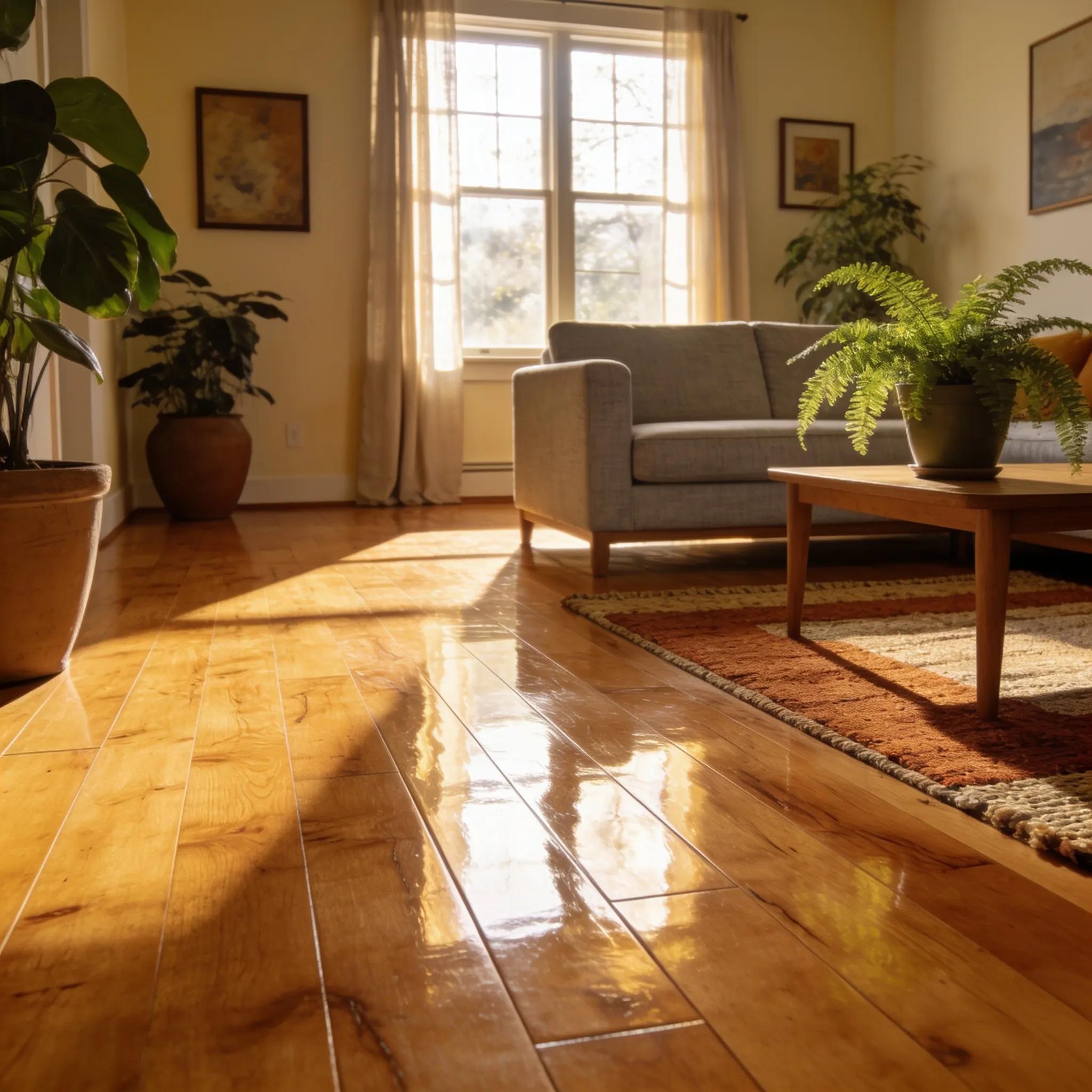
Choosing floors can feel like a maze. This guide distills essentials—hardwood care, pet-friendly choices, and installation approaches—so you can weigh aesthetics, upkeep, and comfort and preserve beauty and durability.
What Are the Top Hardwood Floor Maintenance Tips for Longevity and Beauty?
Consistent, simple care prevents damage and preserves finish. Regular cleaning with wood-safe products and occasional professional upkeep extend the floor’s life.
How to Clean and Protect Hardwood Floors Effectively
Clean routinely and avoid practices that harm wood. Key habits:
- Daily sweeping or vacuuming: Remove grit that scratches the finish.
- Damp mop with a pH-neutral cleaner: Keep the mop only slightly damp to protect the finish.
- Avoid excess water: Wring mops well and dry spills promptly to prevent warping.
Apply a protective sealant or refresh the finish when recommended to improve wear resistance.
What Are Common Hardwood Floor Issues and How to Prevent Them?
Prevent scratches, moisture damage, and finish wear with straightforward steps:
- Scratches: Use felt pads, area rugs, and keep grit cleared.
- Water damage: Wipe spills immediately and manage humidity.
- Long-term care: Refinish professionally when the finish shows wear.
These habits maintain both appearance and performance.
What Is the Difference Between Laminate and Vinyl Flooring?
Laminate and vinyl are budget-friendly but differ in materials, moisture resistance, wear, cost, and care—factors that guide room-by-room choices.
Which Flooring Type Offers Better Durability and Maintenance?
Laminate has a hard surface that resists impact; vinyl (especially luxury vinyl) offers superior moisture resistance and tolerates gentle wet mopping. Choose by room and use.
How Do Laminate and Vinyl Flooring Compare in Cost and Installation?
Typical price ranges vary by product. Consider both material cost and installation method when budgeting.
Regarding installation:
- Laminate: Often DIY-friendly with click-lock floating systems.
- Vinyl: Available as click-lock planks, glue-down sheets, or tiles; some types need adhesive or pro installation.
Match your budget and DIY comfort to the product for the best outcome.
Which Are the Best Flooring Materials for Pets?
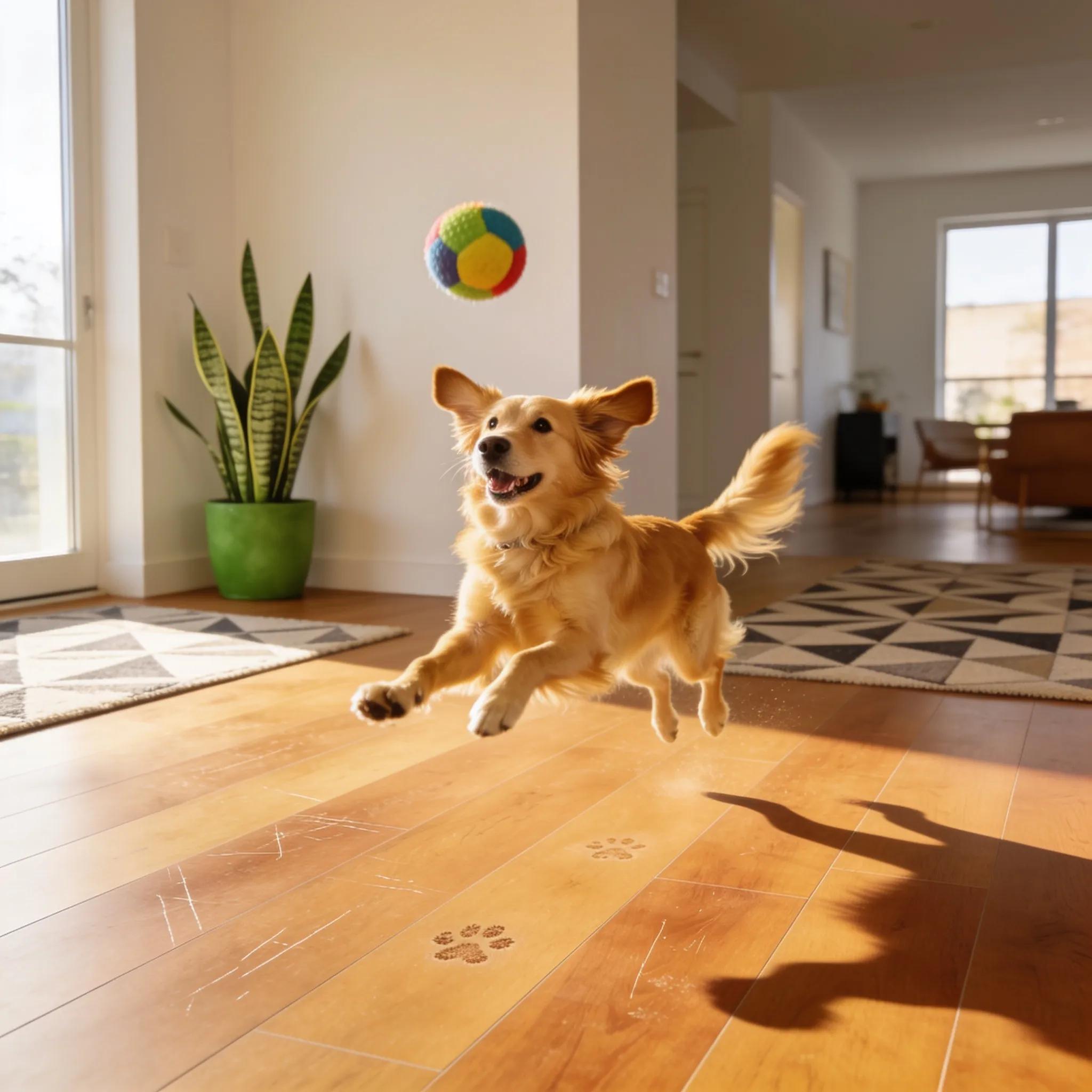
For homes with pets, prioritize scratch resistance, easy cleanup, and safety to reduce stress and keep floors durable.
What Pet-Friendly Flooring Features Enhance Durability and Safety?
Look for these features:
- Scratch resistance: Durable wear layers stand up to claws.
- Water resistance: Waterproof options prevent moisture damage from accidents.
- Low-toxicity: Low‑VOC, pet-safe materials protect health.
These features create a durable, low-maintenance environment.
How Do Different Floors Resist Scratches, Stains, and Odors from Pets?
Material differences at a glance:
- Hardwood: Attractive but more prone to scratches and requires sealing to limit odors.
- Laminate: Generally more scratch-resistant with a sealed surface.
- Vinyl: Stain- and odor-resistant; waterproof options are easiest to clean.
Choose and maintain surfaces to preserve durability and a pleasant home for pets.
What Are the Essential Flooring Installation Techniques to Know?
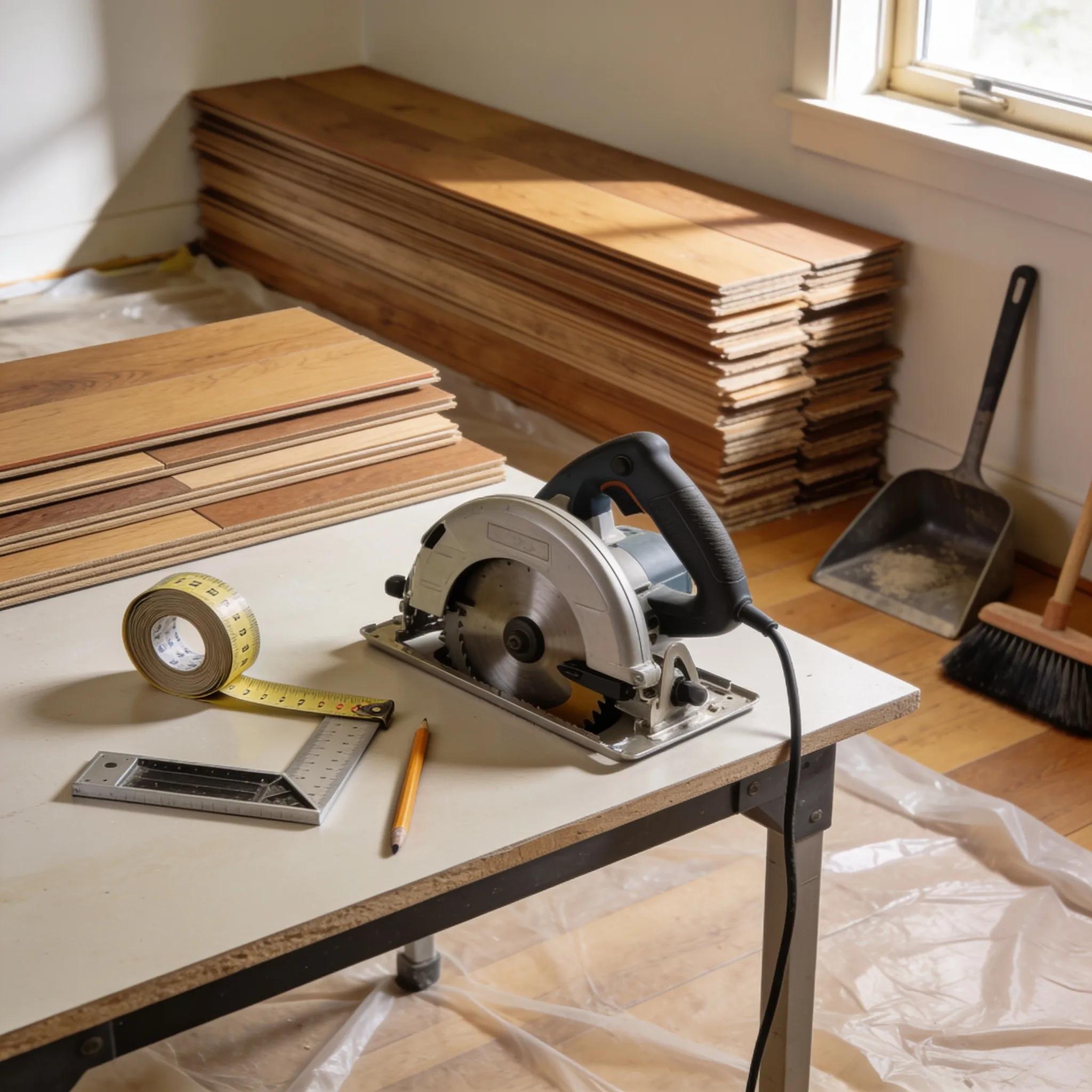
Proper subfloor prep, acclimation, and installation technique determine performance and longevity.
How Do Installation Methods Vary Among Hardwood, Laminate, and Vinyl Floors?
Common approaches:
- Hardwood: Nailing, stapling, glue-down, or floating depending on product and subfloor.
- Laminate: Typically a floating click-lock system—fast and DIY-friendly.
- Vinyl: Glue-down sheets, adhesive tiles, or click-lock planks based on product and traffic needs.
Use the method suited to the material and room for stability and lifespan.
What Are Step-by-Step Tips for a Successful DIY Flooring Installation?
Follow these basics to save money and avoid mistakes:
- Preparation: Measure, check subfloor flatness, and gather proper tools.
- Acclimatization: Let materials sit in the space to adjust to temperature and humidity.
- Installation: Follow manufacturer instructions—leave expansion gaps, stagger seams, and keep alignment.
Consult manufacturer guides; hire a pro for complex layouts or premium materials.
Understanding each material’s quirks prevents costly fixes.
Frequently Asked Questions
What are the most resilient flooring options for high-traffic areas?
Engineered hardwood, luxury vinyl, and laminate perform well in heavy-traffic spaces. Each balances durability, appearance, and maintenance differently.
Can I install hardwood flooring over existing floors?
Often yes if the existing floor is level and compatible; you may need to address height differences or remove unsuitable layers. A pro can advise quickly.
What is the best way to protect hardwood floors from pet damage?
Use area rugs in busy zones, felt pads on furniture, trim pet nails, clean spills promptly, and control indoor humidity to minimize scratches and moisture issues.
How often should I refinish hardwood floors?
Refinish when wear shows—typically every few years depending on traffic. Look for dullness, visible scratches, or thinning finish as indicators.
Are there sustainable flooring options available?
Bamboo, reclaimed wood, and cork are common eco-friendly choices that offer distinct looks and reduced environmental impact.
What methods can help maintain the appearance of vinyl floors?
Sweep or vacuum regularly and use a damp mop with a pH-neutral cleaner. Avoid abrasives and excessive water; follow any manufacturer care instructions.
The Flooring Debate That Never Gets Settled
Choosing the right floor balances style, durability, and maintenance. Understand hardwood care, compare laminate and vinyl, pick pet-appropriate materials, and follow correct installation techniques to get a lasting result that fits your lifestyle.


About The Author