


Why Homeowners Pick Luxury Vinyl Plank Flooring as a Smart, Premium Upgrade
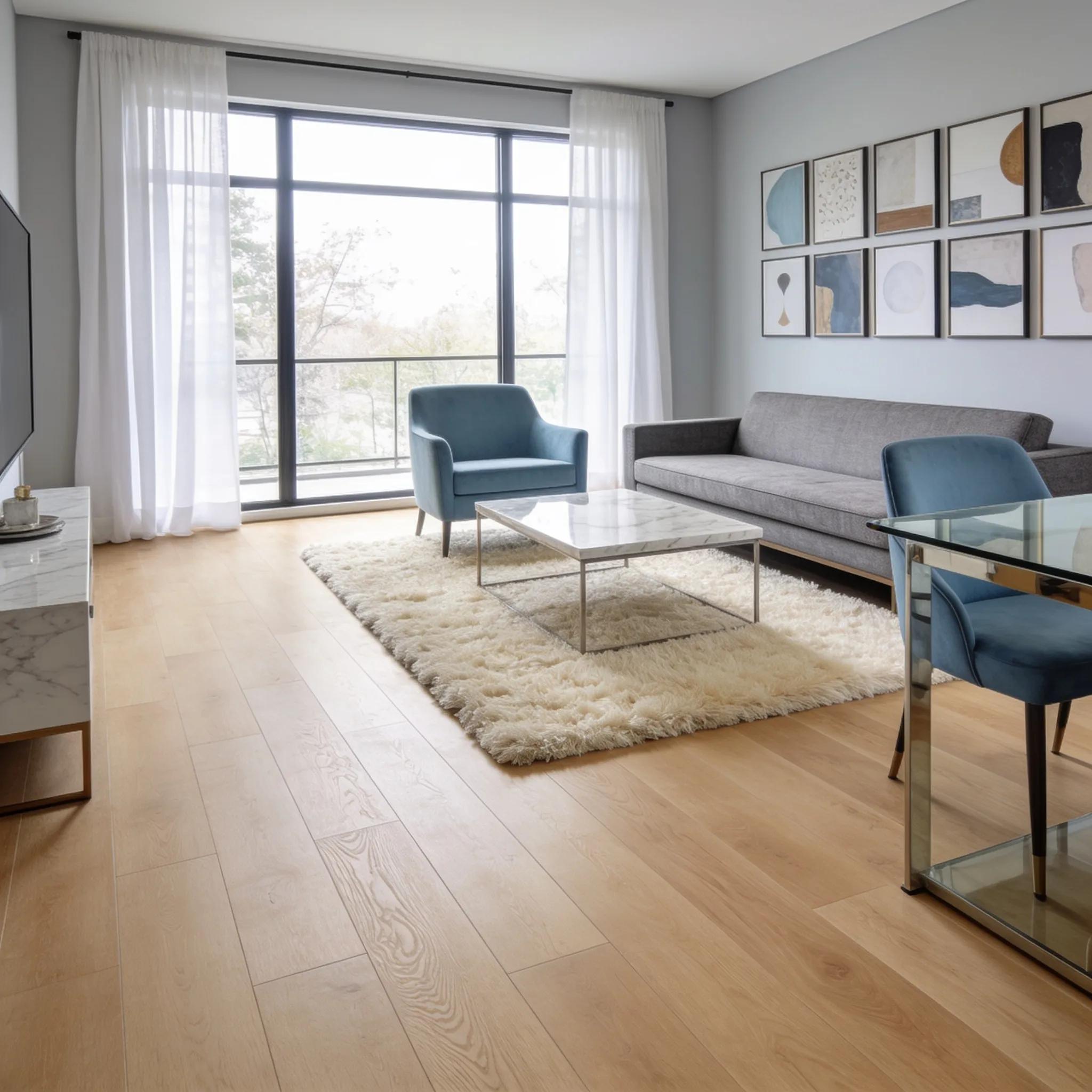
Homeowners seeking both style and function increasingly choose luxury vinyl plank (LVP). It pairs authentic visuals with practical toughness, making it a popular alternative to traditional flooring. Below we summarize why LVP is a standout upgrade—covering durability, water resistance, design, sustainability, and trends shaping the market from 2023 through 2026.
What Makes Luxury Vinyl Plank Flooring a Top Choice for Home Upgrades?
LVP is durable, often waterproof, and cost-effective. It withstands heavy foot traffic and resists scratches, so it’s a sensible pick for busy homes. Because many LVP products are waterproof, they work well in kitchens, bathrooms, and basements—areas where hardwood or standard laminate can struggle—resulting in lower upkeep and a modern look that lasts.
| Advantage | Feature | Benefit |
|---|---|---|
| Durability | Scratch- and dent-resistant wear layers | Keeps floors looking fresh under heavy use |
| Water resistance | 100% waterproof constructions | Safe for kitchens, bathrooms, and basements |
| Cost-effectiveness | Affordable materials and installation | High style without a steep price tag |
How LVP Delivers Long-Lasting Durability and Reliable Water Resistance
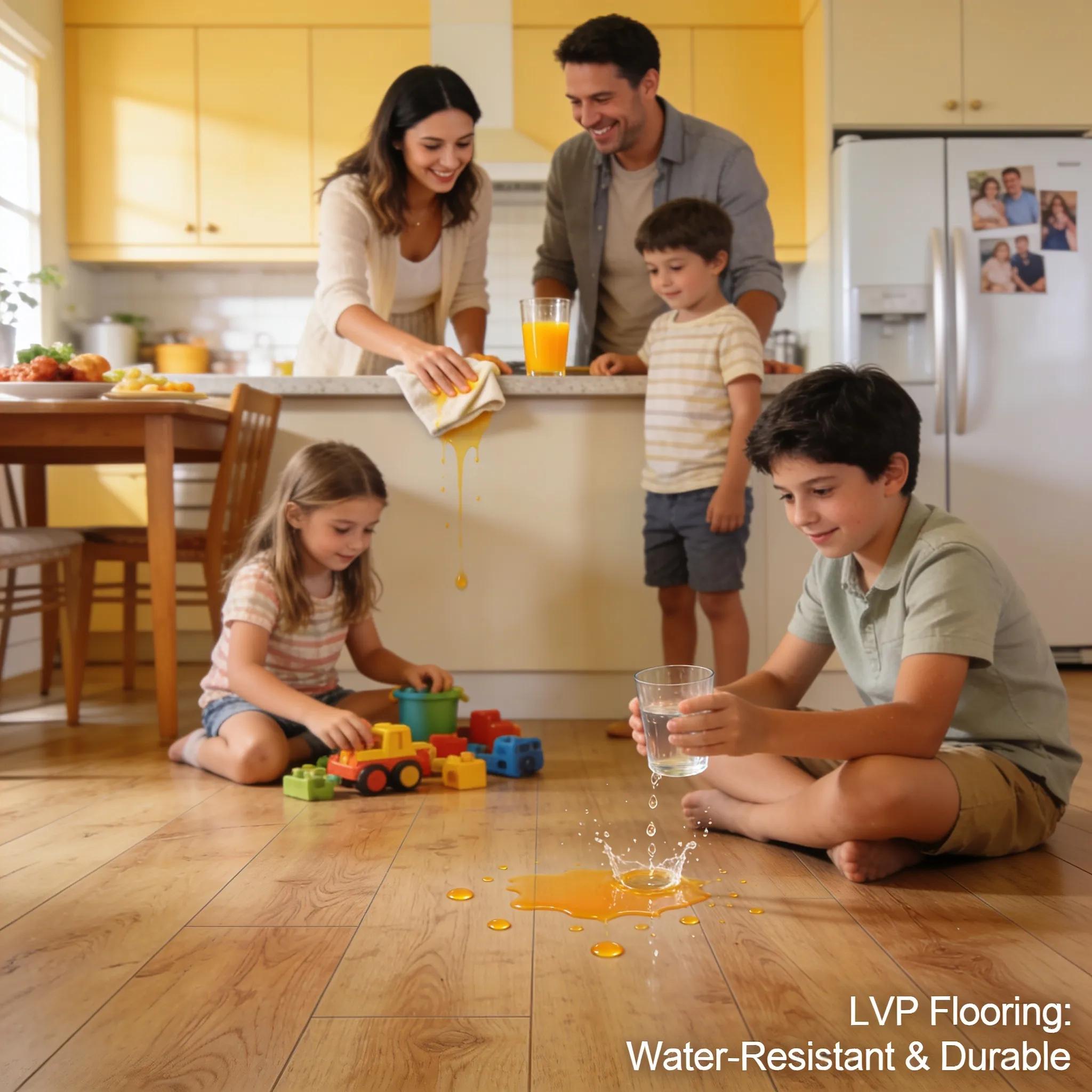
Modern LVP is built in layers with a tough wear layer that resists scratches and stains—ideal for homes with kids or pets. Fully waterproof constructions mean spills clean up easily without warping. That blend of construction and water resistance makes LVP a low-stress choice for everyday living.
Why LVP Is Both Stylish and Practical
LVP offers realistic textures and finishes that mimic wood, stone, or other premium materials—so you get a designer look without the maintenance. Installation is often quicker than hardwood, with click-lock or glue-down systems that speed projects and reduce disruption. The result: attractive floors that suit modern schedules and budgets.
Which Eco-Friendly Flooring Choices Pair Best with Sustainable Home Upgrades?
As sustainability matters more, some LVP makers use recycled content and cleaner manufacturing to lower environmental impact. That makes LVP a viable option for buyers who want durable, stylish floors with greener practices—especially when paired with other sustainable materials and installation choices. Sustainable home improvement solutions are becoming a standard part of renovation planning.
What Certifications and Features Signal a Truly Eco-Friendly Floor?
Look for recycled content, low VOC emissions, or certifications such as FloorScore. Those indicators point to reduced environmental impact and healthier indoor air quality—key criteria for modern homes and families focused on long-term wellness.
How Do Eco-Friendly Floors Stack Up for Durability and Care?
Options like responsibly sourced bamboo or cork can be durable, but LVP often has the edge in water resistance and low maintenance. For homeowners who want to minimize environmental impact without sacrificing performance, certain LVP lines offer a strong balance of sustainability and longevity.
Which Flooring Trends Have Shaped the Market from 2023 to 2026?
The flooring market continues to evolve as consumers demand durability, authenticity, and sustainability. Between 2023 and 2026, LVP trends emphasize realistic textures, broader color ranges, and hybrid looks that mix materials for contrast and depth.
Which Styles and Materials Are Driving Growth?
Realistic wood-look LVP remains a leader—both richer dark tones and light, airy shades are in demand depending on the room and layout. Designers also mix LVP with tile or accent materials to create visual interest across open plans.
How Are Buyers Shifting Toward Premium, Sustainable Flooring?
Buyers expect premium performance and lower environmental impact, pushing manufacturers to offer higher-quality LVP with better warranties, stronger sustainability claims, and finishes that more convincingly replicate real materials.
How Does LVP Compare to Premium Hardwood for Home Upgrades?
Hardwood is prized for timeless beauty and resale value, but LVP is often a more practical alternative—especially in moisture-prone or high-traffic areas.
What Benefits Does Premium Hardwood Offer for Long-Term Value?
Hardwood brings warmth, character, and long-term value and can last generations when cared for. It’s more vulnerable to scratches and water damage and often needs periodic refinishing, which raises long-term costs. LVP reduces those maintenance demands while delivering an elevated look.
How Do Installation and Upkeep Compare Between Hardwood and LVP?
Hardwood installation can be labor-intensive and may require acclimation and refinishing. LVP typically uses faster methods—like floating floors that can be walked on right away. Routine maintenance for LVP is simpler: fewer worries about scratches, warping, or costly repairs make it a practical pick for busy households. Residential flooring installation options for LVP often shorten timelines and reduce disruption.
Frequently Asked Questions
What is the lifespan of luxury vinyl plank flooring?
With proper care, LVP can last about 10 to 30 years depending on product quality and usage. Higher-end planks have thicker wear layers and stronger warranties, helping them hold up in homes and light commercial settings. Regular cleaning and avoiding harsh chemicals keep the surface looking its best.
Can luxury vinyl plank flooring be installed over existing flooring?
Yes—LVP can often be installed over tile, concrete, or old vinyl if the subfloor is level, clean, and dry. Installing over an existing floor can save time and disposal costs, but follow the manufacturer’s guidelines to protect warranties and ensure a proper finish.
Is luxury vinyl plank flooring safe for pets?
Generally, yes. Many LVP products are scratch-resistant and handle pet traffic well. Their waterproof nature also makes cleanup easier after accidents. Choosing a durable wear layer and using furniture pads helps protect floors from claw marks and wear.
How does luxury vinyl plank compare to laminate flooring?
LVP is made from vinyl and usually offers better water resistance than laminate, which can swell or warp with moisture. LVP often achieves a more realistic wood or stone look and texture. Laminate can be durable and cost-effective, but when water is a concern, LVP is usually the safer option.
What maintenance is required for luxury vinyl plank flooring?
Maintenance is straightforward: sweep or vacuum regularly to remove grit and mop occasionally with a recommended vinyl cleaner. Avoid abrasive tools, waxes, or harsh chemical cleaners. Felt pads on furniture legs reduce scratches and help keep the floor looking new longer.
Can I refinish luxury vinyl plank flooring?
No—LVP cannot be refinished like hardwood. Once the wear layer is damaged, the plank needs replacement. Many high-quality LVP products have robust wear layers that resist scuffs and scratches for years, so routine care usually keeps them in good shape.
What is the acclimation process for luxury vinyl plank flooring?
Acclimation lets LVP adjust to the room’s temperature and humidity before installation, reducing the risk of expansion or contraction. Most manufacturers recommend keeping planks in the installation space for at least 48 hours so they settle into the room’s conditions—this helps ensure a smooth, long-lasting installation.
Conclusion
Luxury vinyl plank flooring offers a practical, stylish solution for homeowners who want durability, low maintenance, and appealing design—often with eco-conscious options available. Its water-resistant and scratch-resistant properties make LVP a sensible alternative to hardwood in many rooms. Explore our LVP collections and see how the right floor can refresh your home today.


