


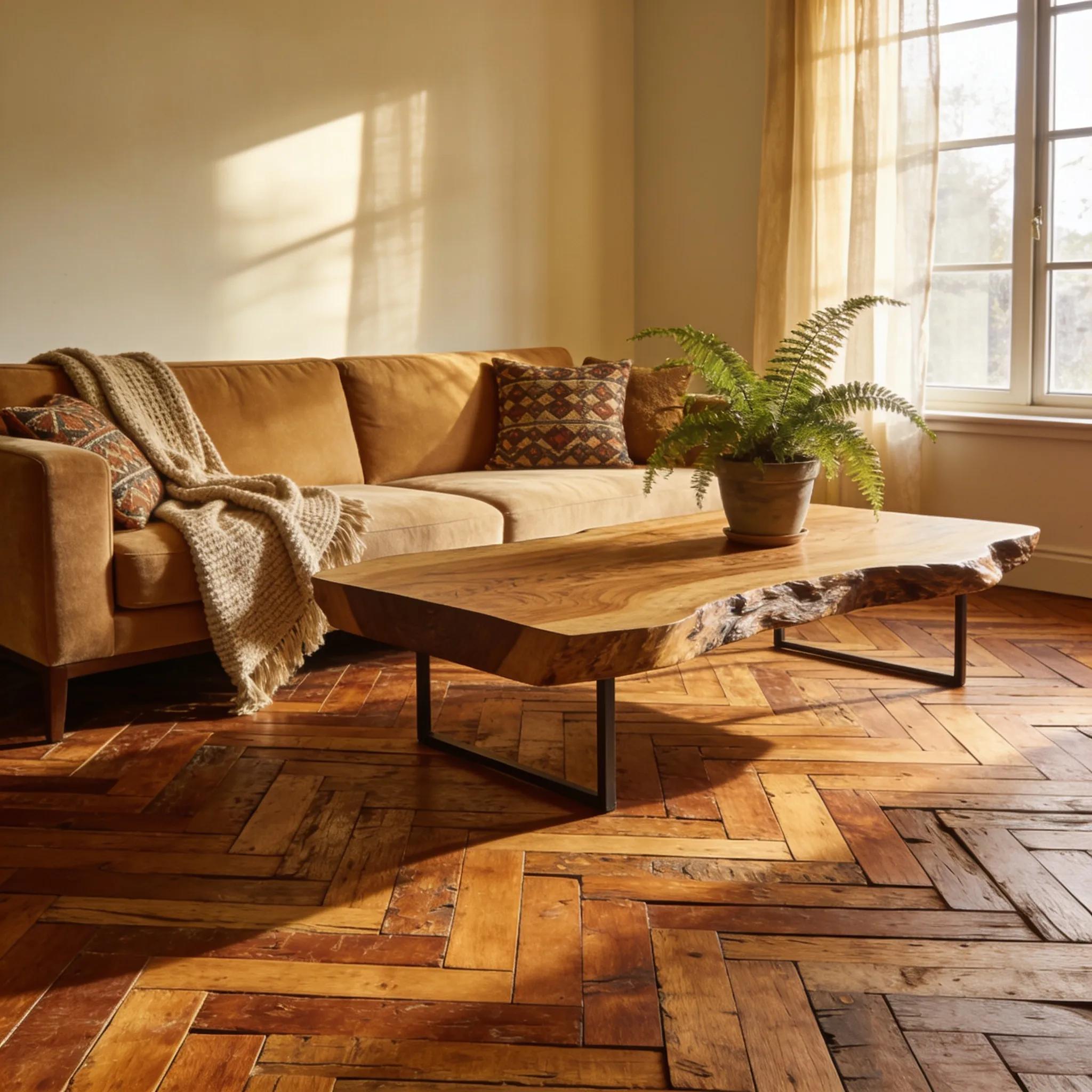
Choosing the right flooring changes how a room looks, feels, and functions. As more homeowners prioritize sustainability and standout design, the range of flooring options has grown. This guide walks you through unique materials, eco-friendly choices, installation best practices, and maintenance tips so you can protect your investment and keep your floors looking great for years.
What Are Unique Flooring Materials and Their Benefits?
Unique flooring materials are defined by appearance, performance, and sometimes environmental credentials. Options like responsibly sourced hardwood, modern laminates, and innovative eco-friendly composites give you a mix of style and substance. The right material can boost a room’s character while delivering durability and easier upkeep.
How Do Eco-Friendly Hardwood Flooring Options Enhance Sustainability?
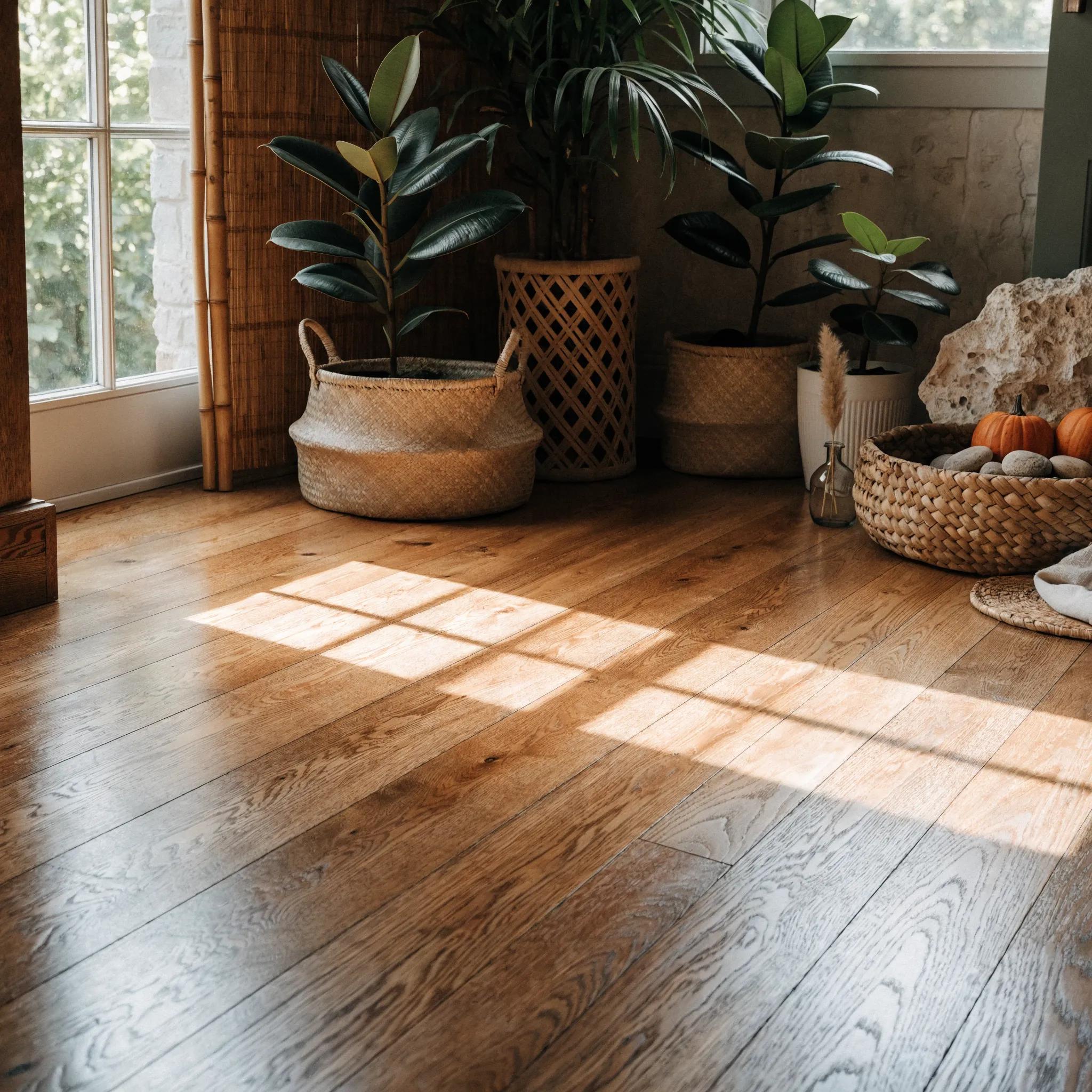
Eco-friendly hardwood comes from forests managed to protect ecosystems and ensure long-term supply. Choosing certified wood supports reforestation and lowers the overall environmental cost of your project. These floors also tend to last longer than cheaper alternatives, reducing the need for replacements and the waste that follows.
What Makes High-Quality Laminate Flooring a Durable Choice?
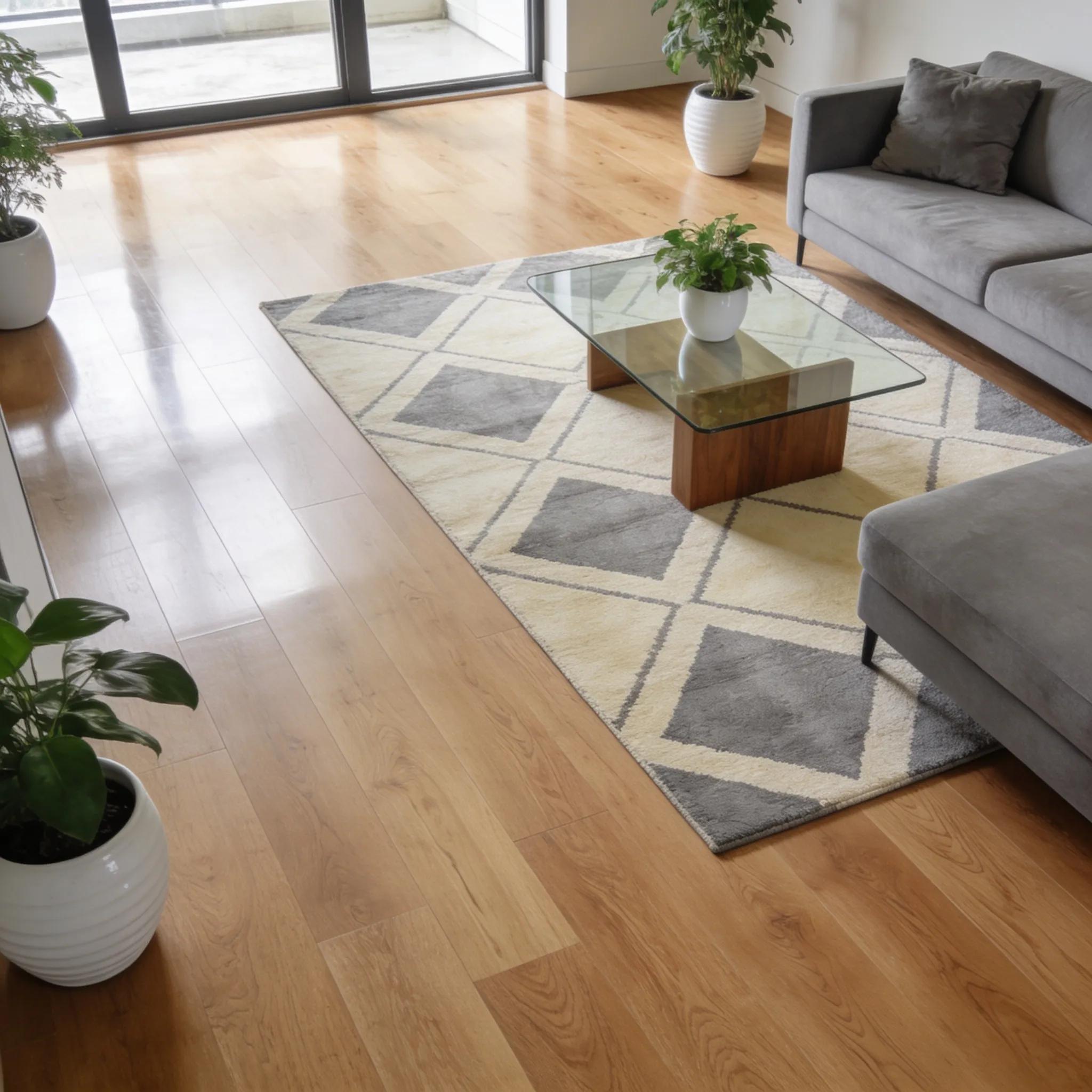
High-quality laminate mimics wood or stone while remaining budget-friendly and low-maintenance. It resists scratches, stains, and fading—qualities that make it ideal for busy rooms. Many manufacturers now use greener production methods, so you can find laminate that balances performance with a smaller environmental footprint.
How Do Custom Floor Installation Services Ensure a Perfect Fit?
Custom installation focuses on the specifics of your space so the finished floor looks and performs as intended. A good installer evaluates the site, discusses design goals and budget, and recommends materials and layouts that match your needs. That hands-on, personalized approach reduces surprises and delivers a seamless result.
What Are the Key Benefits of Bespoke Flooring Installation?
Bespoke installation gives you design flexibility—choice of materials, patterns, and finishes tailored to your space. It also lets installers address performance needs like moisture barriers or soundproofing, so the floor not only looks unique but works better over time. The result is a durable, personalized surface that reflects your style.
How Does Combining Installation with Design Consulting Improve Flooring Outcomes?
When design consulting and installation work together, decision-making is faster and clearer. Consultants help translate aesthetic goals into practical choices, while installers ensure those choices are executed correctly. That collaboration minimizes miscommunication, speeds up the project, and produces more cohesive, long-lasting results.
What Are the Flooring Design Trends That Collectors Value?
Collectors and design-conscious homeowners are gravitating toward sustainable materials, bold patterns, and textured finishes that add depth and personality to a room. These trends favor materials with a story—reclaimed wood, innovative composites, and finishes that highlight natural character while meeting modern performance standards.
How Are Sustainable and Unique Designs Shaping Modern Flooring Choices?
Sustainability is now a design decision: reclaimed materials, lower-waste manufacturing, and long-lasting finishes are all part of the appeal. Unique flooring often combines reclaimed or engineered materials with creative production methods, reducing environmental impact while delivering a distinct look that lasts into the future.
Which Flooring Accessories Complement the Latest Designs?
The right accessories finish the look and protect your investment. Key items to consider include:
- Underlayment: Adds cushioning and improves sound control.
- Finishes: Seal and protect the surface while enhancing color and texture.
- Trim and Moldings: Provide a polished transition to walls and adjacent rooms.
Choosing quality accessories helps preserve your floor’s appearance and performance over time.
How to Maintain and Care for Your Collected Flooring to Preserve Quality?
Proper maintenance keeps unique flooring looking its best and extends its lifespan. Regular care, the right cleaning products, and timely upkeep prevent premature wear and help maintain both appearance and function.
What Are Best Practices for Maintaining Eco-Friendly and Hardwood Floors?
To keep eco-friendly and hardwood floors in good condition, follow these steps:
- Regular Cleaning: Sweep or vacuum frequently to remove grit that can scratch surfaces.
- Avoid Excess Water: Clean with a damp mop rather than soaking the floor—moisture can warp wood.
- Use Eco-Friendly Products: Pick cleaners that are safe for the environment and formulated for your flooring type.
These habits help preserve the finish and structural integrity of your floors while supporting a healthier home.
Which Accessories Help Extend the Life of High-Quality Laminate Flooring?
For laminate, a few simple accessories go a long way:
- Protective Mats: Place them at entries to trap dirt and moisture.
- Furniture Pads: Use them under legs to prevent scratches and dents.
- Proper Cleaning Tools: Choose cleaners and tools labeled safe for laminate surfaces.
Investing in these items protects your floor and keeps it looking newer for longer.
Frequently Asked Questions
What should I consider when choosing eco-friendly flooring options?
Look at sourcing, production methods, and lifespan. Certifications like FSC signal responsible forestry for wood products. Check for low-VOC finishes to protect indoor air quality, and weigh maintenance needs against your lifestyle. The best choice balances sustainability, performance, and design.
How can I effectively clean my unique flooring materials?
Start with regular sweeping or vacuuming to remove debris. Use a damp mop and a mild, pH-neutral cleaner suited to your floor type. Avoid harsh chemicals or abrasive tools, and protect high-traffic areas with rugs or runners. Follow any manufacturer recommendations for best results.
What types of flooring are best for high-traffic areas?
Durability and low maintenance are key. High-quality laminate and tile resist scratches and stains and perform well in busy spaces. Luxury vinyl plank offers the look of wood or stone with strong wear resistance. Natural stone can work, but it usually needs more upkeep.
How does climate affect the choice of flooring materials?
Climate matters. In humid areas, choose moisture-resistant options like vinyl or certain laminates to avoid swelling or warping. In cold climates, hardwood provides warmth but may need acclimation and careful humidity control. Always match materials to your local environment and installation conditions.
Are there financing options available for custom flooring installations?
Many retailers and installers offer financing—payment plans, promotional interest offers, or lender partnerships. Compare terms, fees, and interest rates to find a plan that fits your budget, and ask providers for clear payment schedules before signing.
What are the environmental impacts of choosing non-eco-friendly flooring?
Non-sustainable flooring can contribute to deforestation, higher manufacturing emissions, and more waste from shorter product lifecycles. Some materials also release harmful chemicals affecting indoor air quality. Choosing eco-friendly options reduces these impacts and supports healthier homes and ecosystems.
Conclusion
Picking eco-friendly flooring lets you combine lasting style with better environmental choices. Whether you prefer responsibly sourced hardwood, high-performance laminate, or innovative composites, the right selection delivers durability and curb appeal. For tailored recommendations and installation guidance, consult with our experts and explore the full range of sustainable flooring options available today.


