


Nobody Ever Regrets This Flooring Choice
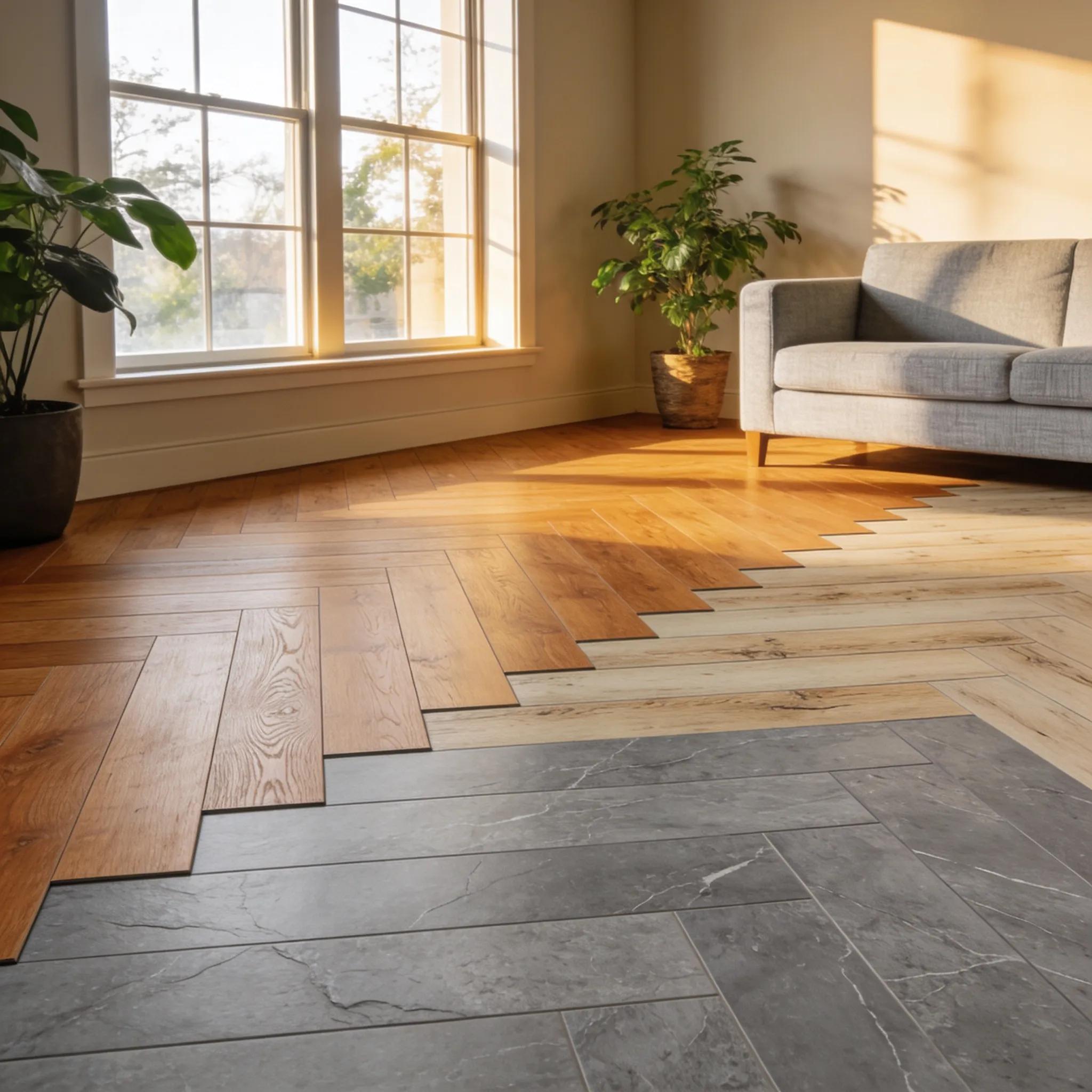
Choosing the right flooring sets the tone for your home. This guide compares durable, eco-friendly options—hardwood, vinyl plank, and laminate—so you can weigh longevity, upkeep, and sustainability and choose a floor that fits your life.
Which Flooring Materials Deliver the Best Long-Term Durability?
Durability depends on the material, care, and your home’s conditions. Hardwood, vinyl plank, and laminate each perform differently; the best choice hinges on where you install it and how you maintain it.
How Do Hardwood, Vinyl Plank, and Laminate Compare for Scratches and Water Resistance?
Hardwood offers timeless appeal and long life but is more sensitive to scratches and moisture without proper care. Luxury vinyl plank is highly water-resistant and handles daily scuffs well, making it ideal for kitchens and busy households. Laminate typically resists scratches thanks to a hard wear layer, though water resistance varies by product. Ultimately, check product specs and manufacturer ratings.
What Maintenance Habits Keep Hardwood Floors Looking Great?
Routine care extends hardwood life. Focus on a few habits:
- Cleaning: Sweep or dust frequently to remove grit that causes scratches.
- Refinishing: Refinish as needed (commonly every several years) to restore protection and shine.
- Protective Measures: Use area rugs in high-traffic spots and felt pads under furniture.
With basic upkeep, hardwood can remain attractive for decades.
Why Choose Eco-Friendly Hardwood for Sustainable Living?
Sustainably sourced hardwood delivers real-wood warmth and durability while reducing environmental impact when you choose certified products and low-emission finishes.
Which Eco Certifications Matter When Buying Sustainable Hardwood?
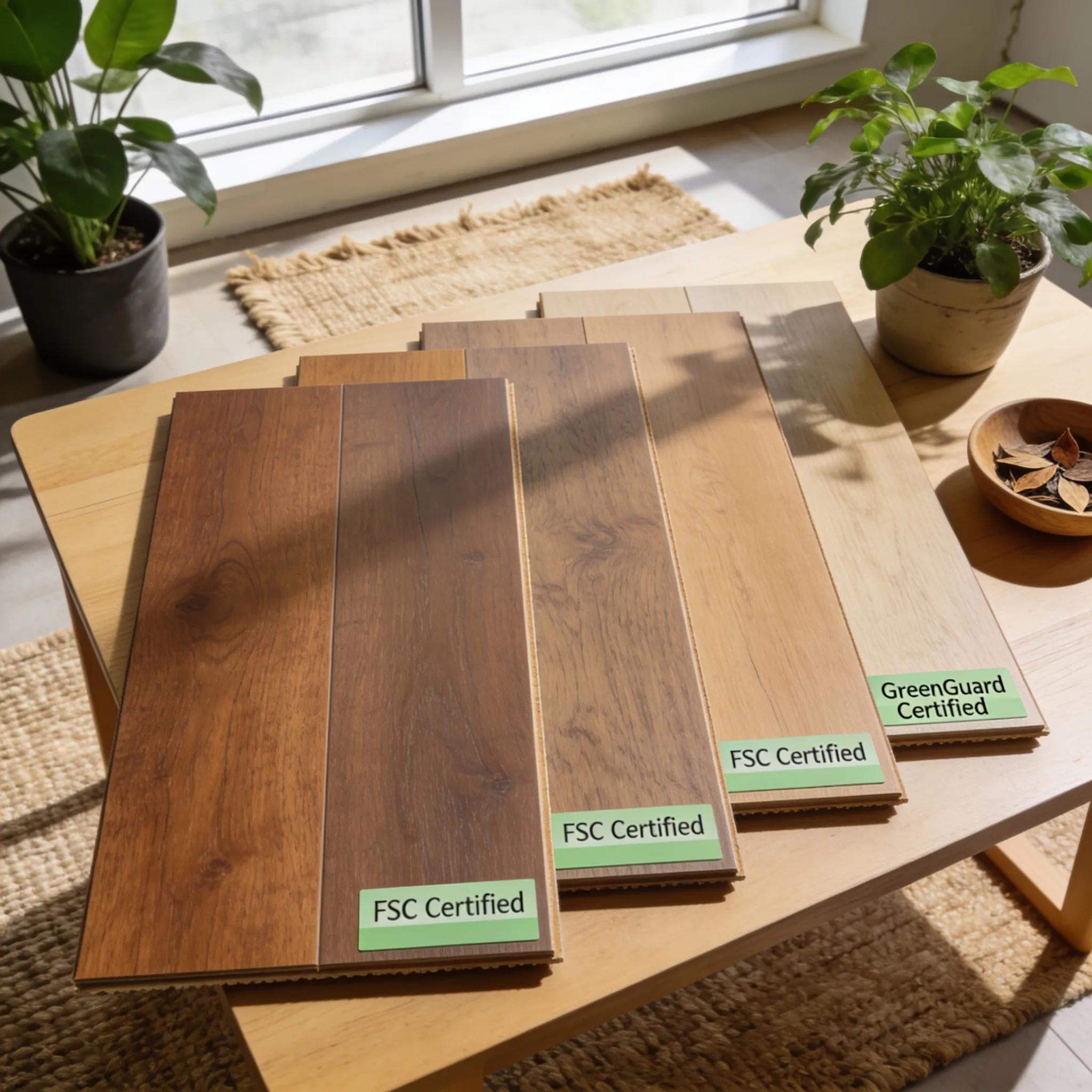
Look for these trusted certifications:
- FSC Certification: Confirms wood from responsibly managed forests.
- CARB Compliance: Indicates low formaldehyde emissions.
- GreenGuard Certification: Verifies low chemical emissions for healthier indoor air.
These labels help you choose products that are kinder to the planet without sacrificing quality.
How Does Eco-Friendly Flooring Improve Indoor Air and Environmental Impact?
Eco-minded flooring typically emits fewer VOCs, improving indoor air quality. Certified materials support better forestry practices and can lower a project’s carbon footprint, making them a wise choice for healthier homes and reduced environmental harm.
What Makes Vinyl Plank a Smart Choice for Modern Homes?
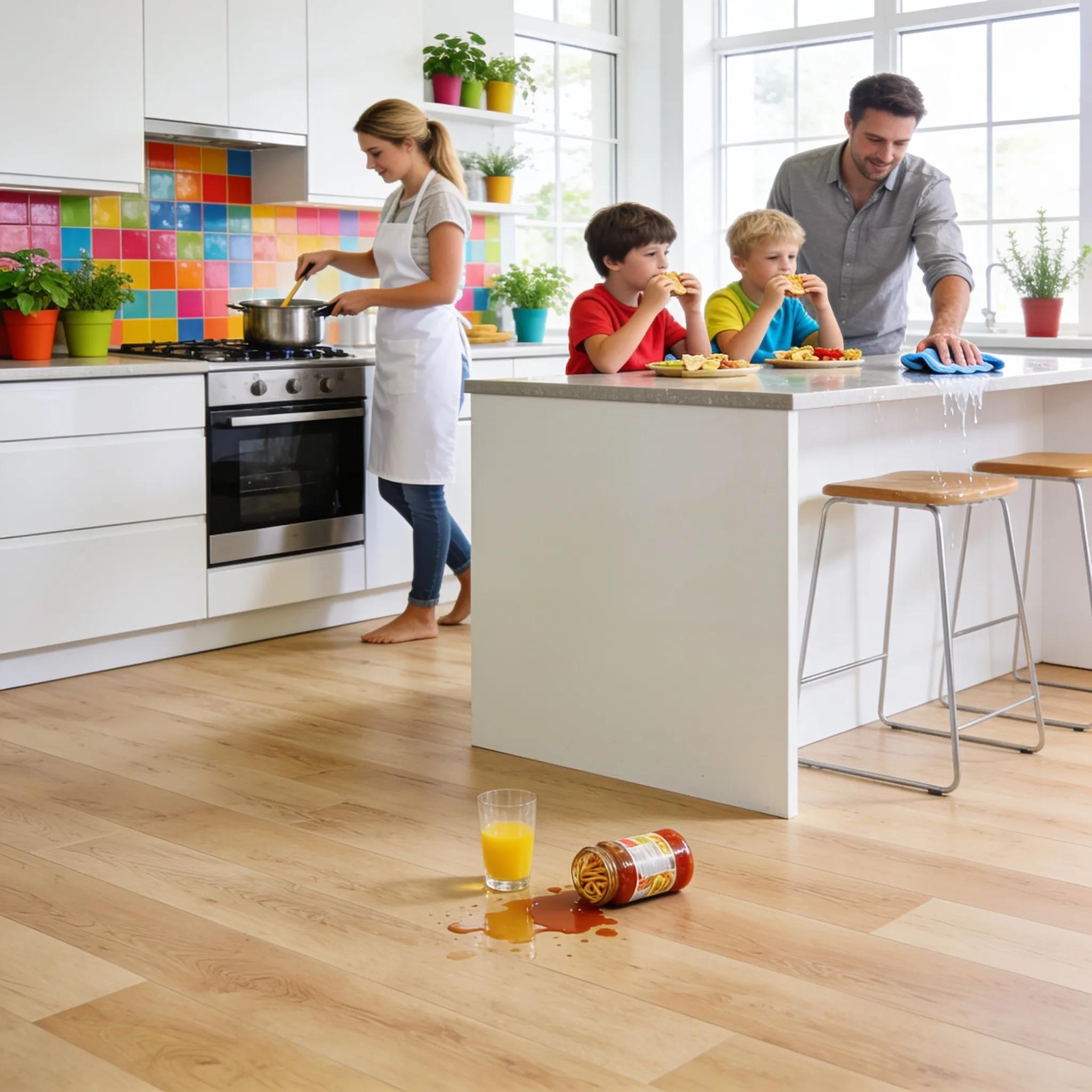
Vinyl plank blends practicality with on-trend looks. Homeowners favor it for three reasons:
- Affordability: Often costs much less than hardwood while delivering a similar look.
- Durability: Resists moisture and scratches, performing well in high-traffic areas.
- Aesthetic Variety: Available in many realistic styles and finishes.
That combination makes vinyl plank a strong choice for busy households.
Is Vinyl Plank Truly Waterproof and Low-Maintenance?
Many vinyl plank products are waterproof and easy to maintain—regular sweeping and occasional mopping keep them looking new, which is why they’re popular in kitchens, baths, and basements.
What Do Customers Say About Vinyl Flooring’s Durability and Look?
Customer reviews commonly report that modern vinyl holds up to everyday wear (scratches, stains, moisture) and convincingly mimics wood and stone, giving homeowners a stylish look without the premium price.
Which Laminate Flooring Reviews Emphasize Durability and Value?
Laminate is praised for strong wear performance and budget-friendly pricing. It’s durable, often easy to install, and offers convincing wood-look options.
What Are Laminate’s Main Advantages and Trade-Offs?
Quick pros and cons:
- Pros: Highly durable and fade-resistant; easy to install and maintain; affordable wood-look designs.
- Cons: Generally less moisture-resistant than vinyl and usually cannot be refinished like hardwood.
These trade-offs matter most where moisture is a concern or when you prefer a floor that can be refinished.
How Do Warranties Protect Your Laminate Flooring Investment?
Warranties add confidence. Typical options include:
- Limited Lifetime Warranty: Covers manufacturing defects and wear through the top layers.
- Wear Warranty: Covers surface resistance to scratches and fading.
Check warranty terms to ensure they match your expectations for longevity.
| Flooring Type | Durability Rating | Water Resistance | Maintenance Level | Cost Estimate |
|---|---|---|---|---|
| Hardwood | High | Moderate | Medium | $5 - $12/sq ft |
| Vinyl Plank | Very High | High | Low | $2 - $7/sq ft |
| Laminate | High | Low to Moderate | Low | $1 - $4/sq ft |
This table highlights how each type performs across key factors to help you choose the right fit.
In short, the best flooring depends on your lifestyle, budget, and sustainability goals.
Frequently Asked Questions
1. What are the environmental benefits of choosing laminate flooring over traditional hardwood?
Laminate often uses recycled content and fewer raw materials, which can lower its carbon footprint and reduce the need for intensive finishing processes, potentially cutting VOCs compared with some hardwood options.
2. How does the installation process differ between hardwood, vinyl plank, and laminate flooring?
Hardwood usually requires professional installation and acclimation. Vinyl plank and laminate commonly use click-lock systems or adhesives, making them more DIY-friendly.
3. Can hardwood flooring be refinished if it gets damaged?
Yes. Hardwood can be sanded and refinished to remove scratches and restore appearance; laminate generally cannot and may require board replacement for severe damage.
4. What temperature and humidity factors should I consider when choosing flooring?
Hardwood is sensitive to moisture and large humidity swings. Vinyl plank tolerates temperature and humidity changes better and suits kitchens and basements. Laminate performs well in many conditions but can suffer with prolonged moisture exposure.
5. How do different flooring materials affect resale value?
High-quality hardwood is often viewed as a premium upgrade that can boost resale value. Well-installed vinyl plank or laminate can still appeal to buyers seeking durability and low maintenance.
6. Are there recommended brands or products for eco-friendly flooring?
Look for manufacturers that emphasize sustainable sourcing, recycled content, and low-VOC finishes. Verify claims with certifications such as FSC and GreenGuard and review product specifications.
Nobody Ever Regrets This Flooring Choice
Balancing looks, longevity, and environmental impact will help you choose the right floor. Hardwood, vinyl plank, and laminate each offer strengths—from classic durability to waterproof practicality and budget-friendly value. Explore certified, eco-friendly lines and pick the option that fits how you live and maintain your home.


