Why Some Floors Have More Personality Than Entire Houses
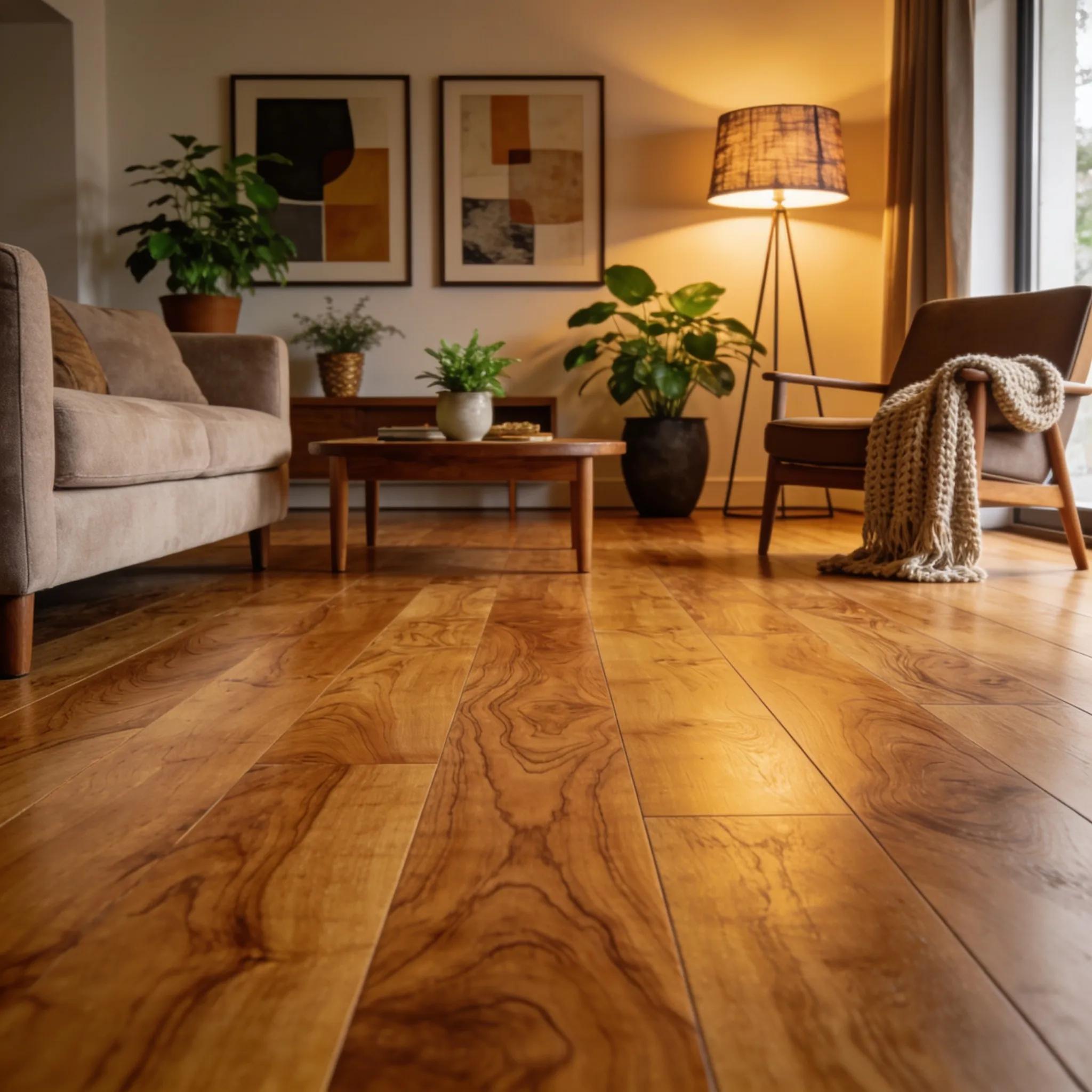
Floors are often overlooked yet they steer a room’s mood and personality. Your flooring communicates style, sparks emotional connections, and changes how a space feels. This article shows how color, texture, and pattern define a home’s identity and offers practical ideas to make your floors reflect you.
How Flooring Choices Give Homes Personality
Personality starts at your feet. Materials, colors, and design choices create emotional impact: familiar grain feels comforting, bold patterns feel daring, and fine craft reads as luxury or warmth. Even simple floors tell stories when matched with the right finishes and layout, so choose flooring that supports your intended atmosphere.
Which Flooring Styles Best Reflect Individual Character?
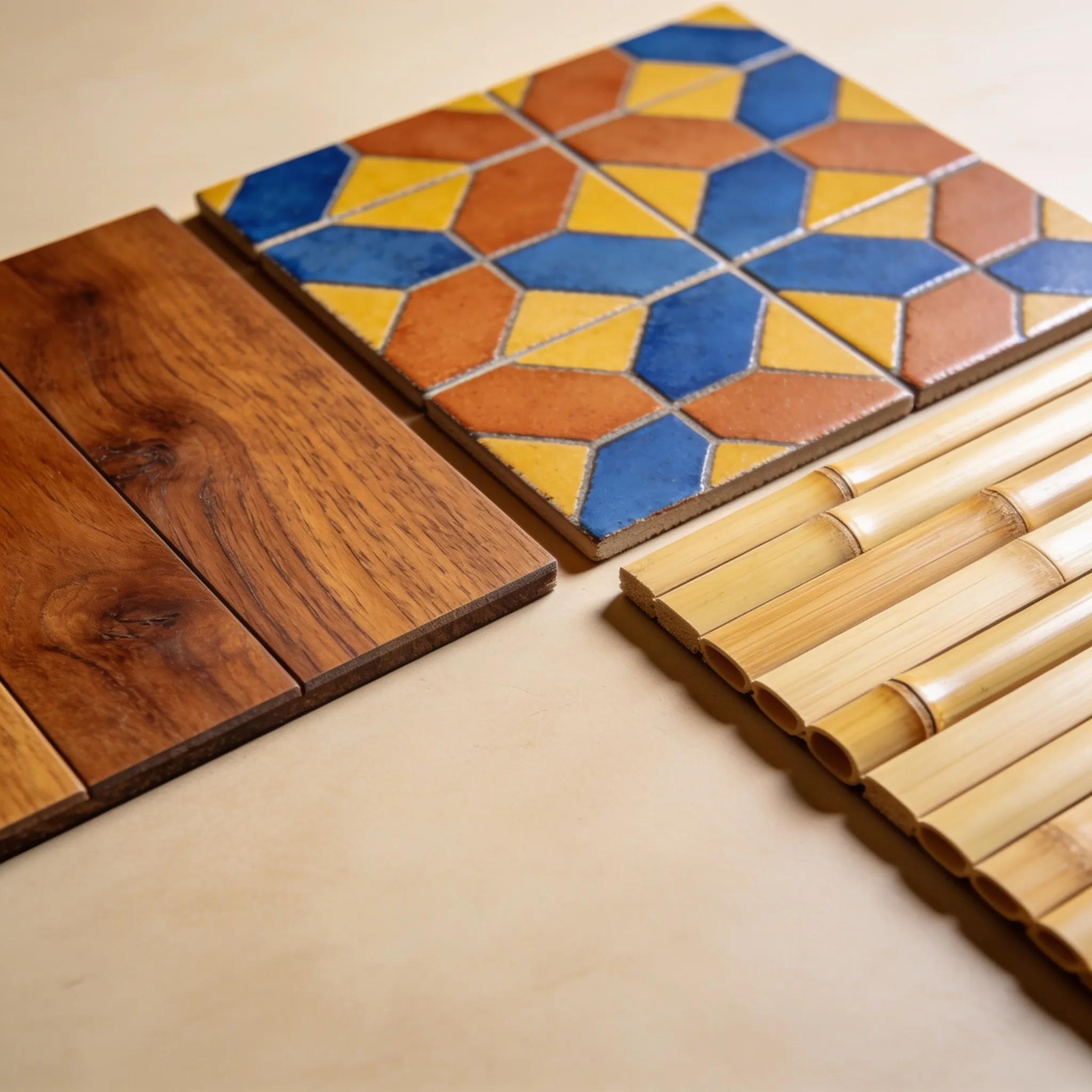
Certain flooring types naturally lend themselves to stronger personal statements. Hardwood brings warmth and timeless appeal; modern vinyl opens the door to bold colors and playful prints. Here are a few styles that consistently help homeowners express personality:
- Classic hardwood: Warm, elegant, and enduring.
- Eclectic patterns: Visual interest that feels unmistakably personal.
- Sustainable bamboo: A contemporary look with eco-friendly credentials.
Choosing among these options lets you balance individuality with the overall design of your home.
Unique Hardwood Ideas That Make Bold, Stylish Statements
Inventive hardwood choices—mixed tones, geometric layouts, and wide planks—transform rooms and highlight architecture. Mix shades to emphasize length or width, use geometric patterns for a modern twist, and vary plank widths for texture and rhythm.
If you want floors that stand out, consider these popular options:
- Chevron and herringbone: Dynamic lines that add movement and sophistication.
- Stained finishes: Deeper tones and custom hues for added depth.
- Inlaid designs: Bespoke accents that elevate the entire room.
How Creative Floor Patterns Change a Room’s Emotional Impact
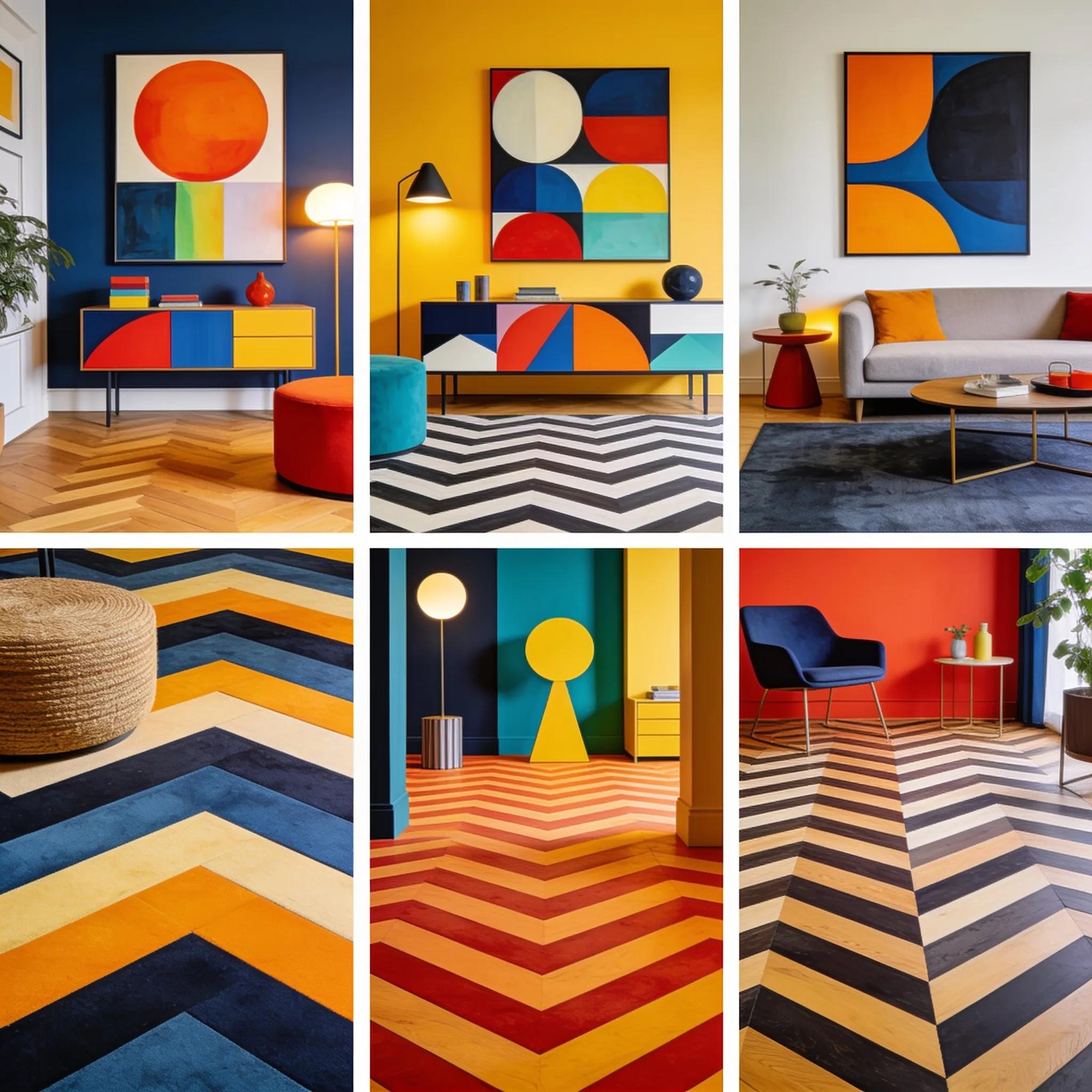
Patterns shape movement and mood: lively patterns energize and draw the eye, while monochrome floors calm the space. Chevron and herringbone create visual flow and expand perceived dimensions; uniform tones soothe and focus attention on furnishings or architecture. Used intentionally, patterns become practical design tools.
How to Accessorize Floors for Stronger Personality
Accessories let floors’ character show. Rugs, mats, and furniture protect surfaces while defining zones, adding texture, or introducing complementary color.
- Area rugs: Zone spaces and bring in color or pattern without altering the floor.
- Floor mats: Add comfort and durability where you need it most.
- Furniture placement: Anchor pieces to showcase the floor’s pattern and scale.
Thoughtful accessories layer comfort and function over style, enhancing the floor rather than competing with it.
Why Some Materials Express Home Style Better Than Others
Materials convey values. High-quality hardwood stands out for grain variation, longevity, and refinishing ability, creating depth and history. Synthetics like laminate and vinyl offer flexibility and affordability but lack organic character.
Architectural context matters: minimalist spaces suit polished concrete or engineered wood; traditional interiors pair well with rich oak or walnut to reinforce warmth.
How Durability Shapes a Home’s Lasting Expression
Durability matters: floors endure daily use, so choose hardwood, quality tile, or engineered materials that resist wear and reduce repair needs. Well-maintained floors communicate care and elevate a home’s impression; worn floors can undermine decor. Match materials to your lifestyle to preserve beauty and function.
Materials, patterns, and finishes together tell your home’s story. Thoughtful flooring choices support immediate style and build emotional resonance that lasts.
| Flooring Type | Characteristics | Appeal |
|---|---|---|
| Hardwood | Natural grain, warm tones, long-lasting | Timeless elegance |
| Vinyl | Highly versatile, budget-friendly, low maintenance | Contemporary designs |
| Bamboo | Renewable, strong, modern look | Sustainable style |
This overview shows how each flooring type brings distinct benefits and visual personality to a home.
With careful choices, your floors do more than serve a function—they express who you are, shape everyday feelings in the space, and tie together the elements that make a house feel like home.
Frequently Asked Questions
What are the best flooring options for small spaces?
For smaller rooms, choose lighter tones and cleaner patterns to make the area feel larger. Light-colored hardwood or glossy tile reflects light, while large-format planks reduce visible seams and create a continuous look. Keep busy patterns to a minimum so the space feels open and cohesive.
How do I maintain my hardwood flooring to ensure longevity?
Keep hardwood looking its best by sweeping or vacuuming regularly to remove grit that can cause scratches. Clean with a damp mop and a cleaner formulated for hardwood, avoiding excess water. Refinish or reseal as needed, and maintain consistent indoor humidity to prevent warping. Regular care preserves appearance and extends the life of the floor.
What flooring options are suitable for homes with pets?
Homes with pets benefit from scratch-resistant and easy-to-clean materials like vinyl, tile, or durable laminate. Certain hardwoods—bamboo and harder domestic species—stand up better to wear. Add rugs in high-traffic areas and choose stain-resistant finishes to keep floors looking fresh despite active pets.
How can I incorporate different flooring types in one space?
Combine flooring types to define zones—use thresholds, transitions, or decorative strips to create smooth visual breaks. Match tones and textures so the change feels deliberate rather than jarring, and consider function: softer surfaces for comfort, harder surfaces for durability in work zones.
What trends are currently popular in unique flooring design?
Trends include bold geometric layouts, mixed-material floors, and rich, unexpected stains. Sustainable materials like reclaimed wood and bamboo continue to rise in popularity, and custom inlays let homeowners showcase personal style with distinct, handmade detail.
How does the choice of flooring affect home resale value?
Flooring affects resale because buyers notice both style and condition. High-quality, durable floors—especially well-maintained hardwood—typically boost appeal and perceived value. Practical, attractive options like well-installed tile or premium laminate also attract budget-conscious buyers. Aim for durable choices that harmonize with your home’s overall style to improve marketability.
Why Some Floors Have More Personality Than Entire Houses
The right flooring does more than look good—it shapes how a home feels and how you connect with the spaces you inhabit. By choosing materials, patterns, and finishes that reflect your taste and lifestyle, you can craft rooms that are both beautiful and meaningful. Explore options thoughtfully, and you’ll find flooring that not only elevates design but also tells your home’s story.


About The Author