


Flooring Decisions That Transform Interior Spaces
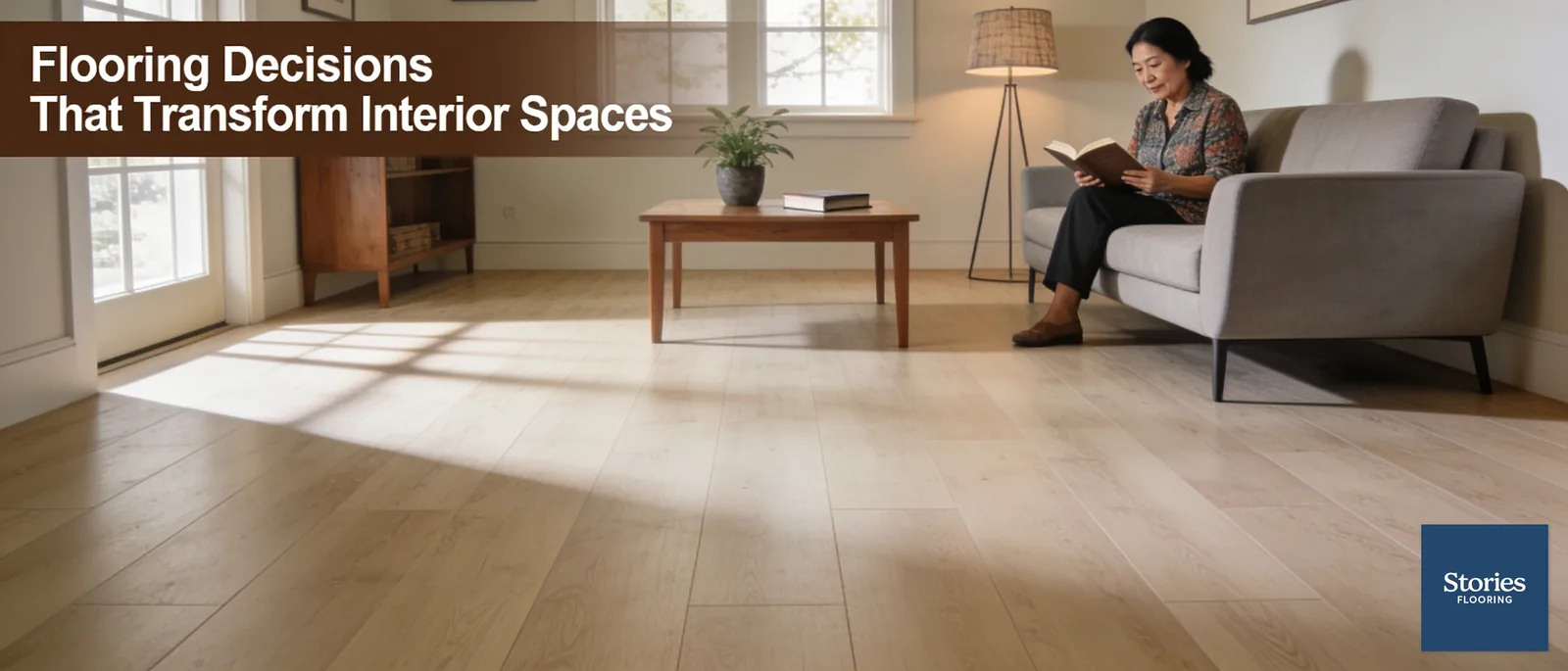
Flooring decisions interior designers make center on balancing function, aesthetics, and durability. Considering how a space will be used alongside material selection, whether herringbone, engineered wood, or LVT vinyl.
Flooring decisions interior designers make center on function first — matching material to room use, moisture levels, and foot traffic. Designers weigh durability ratings like AC5 laminate grades, herringbone layout for visual impact, and compatibility with underfloor heating systems. Engineered wood remains the most popular real-wood choice for its stability and authentic appearance.
How Does Flooring Shape the Feel of a Room?
Flooring acts as the visual foundation of every room, directly influencing how the entire space is styled and perceived. The material, color, and pattern chosen set the tone for all other design decisions — furniture, lighting, and wall color all respond to what lies underfoot.
Does Floor Color Affect How Big a Room Looks?
Light-colored floors make smaller rooms appear larger, a benefit that becomes especially significant in spaces with limited natural light. Darker tones, by contrast, create warmth and intimacy. Homeowners who are planning a renovation in a compact room consistently find that pale wood tones open the space visually without requiring structural changes.
Which Flooring Works Best in High-Traffic Areas?
Engineered wood flooring is purpose-built for demanding spaces. The multi-layered construction of engineered wood delivers the strength. Durability required in high-traffic areas such as hallways and living rooms. It holds up under daily wear while maintaining the authentic appearance of real wood.
Stories Flooring offers a broad selection of styles to suit every room's functional and aesthetic demands:
- Herringbone — classic geometric pattern, strong visual impact
- Engineered Wood — durable, authentic timber appearance
- Vinyl (LVT) — water-resistant, ideal for kitchens and bathrooms
- Laminate — cost-effective and hardwearing
- Solid Oak — timeless, premium natural material
- SPC Click Vinyl — rigid core, exceptional stability
What Rules Do Interior Designers Follow for Flooring?
Interior designers follow a clear hierarchy of rules when selecting flooring, and function always comes first. A space's usage patterns — foot traffic levels, moisture exposure, and comfort requirements. Determine the most appropriate material before aesthetics enter the conversation.
Does the Room's Purpose Change the Flooring Choice?
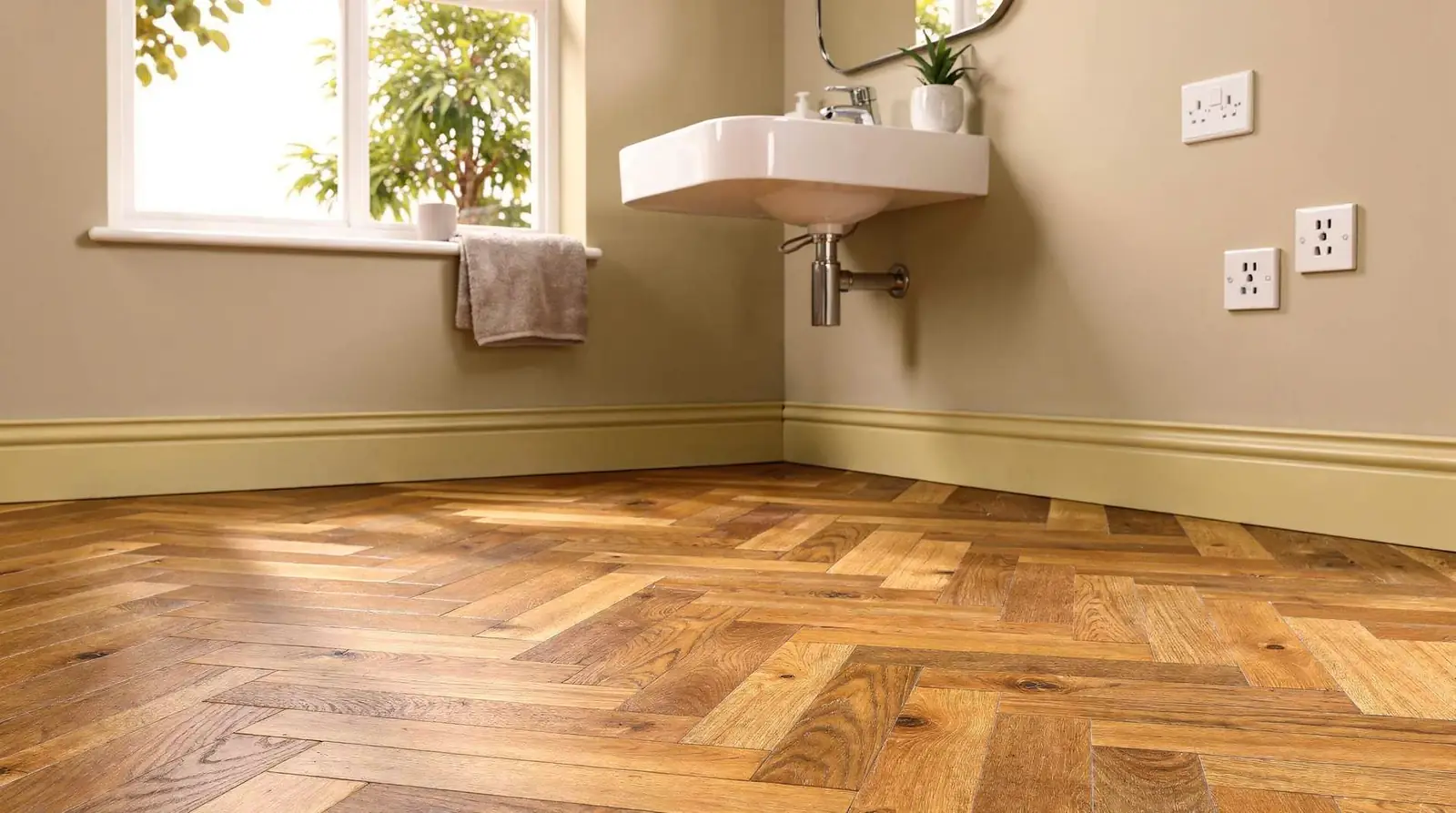
Room function is the single most decisive factor in flooring design. Moisture-prone spaces such as bathrooms demand water-resistant materials like ceramic tile or vinyl, which resist humidity and standing water. Comfort-focused spaces, by contrast, benefit from softer, warmer underfoot options. Matching material to environment prevents premature wear and costly replacement.
Which Flooring Materials Work Across Multiple Spaces?
Some materials are engineered to perform across a wide range of environments. Karndean LVT (luxury vinyl tile) flooring is waterproof and highly durable, making it suited to kitchens, bathrooms, living rooms. Busy commercial spaces alike. For homeowners seeking a more elevated aesthetic, herringbone engineered wood flooring combines the beauty of solid wood with modern structural stability. Adding luxury and sophistication to almost any room.
Experienced designers also follow these core planning principles:
- Assess function first — traffic, moisture, and comfort needs
- Match material to environment — vinyl and tile for wet areas, engineered wood for living spaces
- Consider visual impact — pattern choices like herringbone elevate a room's perceived quality
How Should You Plan Your Flooring Across Multiple Rooms?
Effective planning begins with identifying a clear interior design style before selecting a single plank or tile. Establishing that visual direction first ensures every room connects to a cohesive whole, rather than a collection of unrelated spaces.
What Flooring Works Well Across Different Room Types?
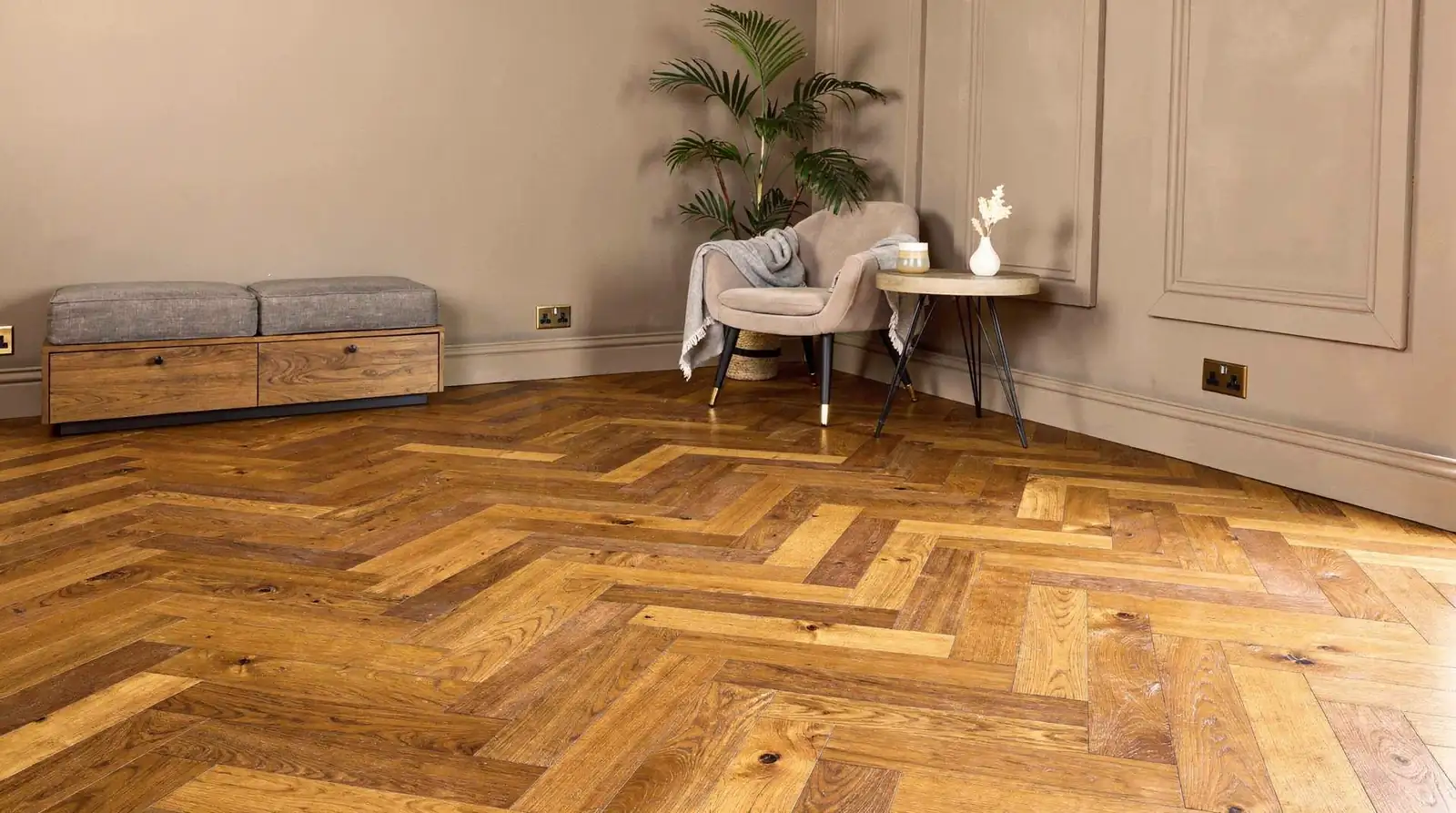
Flooring choices must balance aesthetics with the practical demands of each space. Engineered wood, for example, performs well in both residential and commercial environments, making it a versatile anchor material for open-plan layouts that flow between living, dining, and hallway areas. A single species or finish carried across connected rooms creates visual continuity without sacrificing durability.
How Can Homeowners Avoid Costly Mistakes Before Buying?
Committing to a floor without seeing it in context is one of the most expensive errors in any renovation project. Stories Flooring provides free next-day samples, allowing designers. Homeowners to assess how a product looks under their specific lighting conditions and alongside existing furnishings. Testing samples across multiple rooms before purchasing eliminates guesswork and reduces the risk of mismatched results.
- Confirm the design style first
- Select a versatile anchor material for open-plan zones
- Order samples before finalizing any purchase decision
Interior designers recognize that flooring decisions fundamentally shape a space's character and functionality. By selecting from diverse styles—whether timeless herringbone patterns, resilient vinyl options. Authentic solid oak—designers create environments that reflect their clients' vision while ensuring lasting performance. At Stories Flooring, we understand that these choices demand expertise and quality products. Our curated selection and commitment to excellence empower designers to deliver spaces that truly tell their clients' stories, combining aesthetic sophistication with practical durability that stands the test of time.


