Why Flooring Samples Win Arguments They Shouldn't
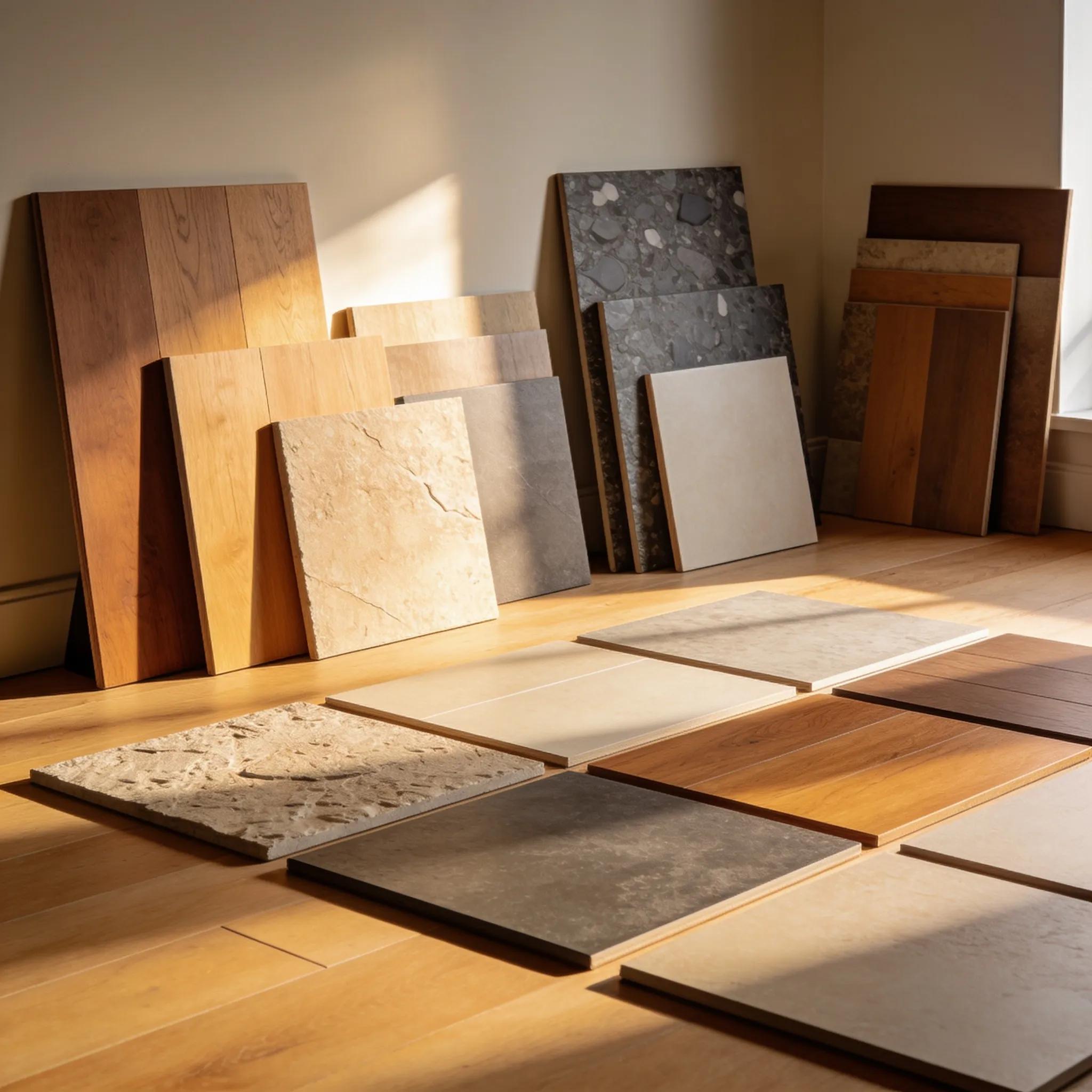
Photos make a good first impression, but they rarely tell the whole story. Flooring samples let shoppers see, touch, and imagine a product in their own space — and that sensory input strongly sways decisions. This article explains how samples influence buyer psychology and highlights marketing approaches that make them work. We cover how samples boost confidence, remove common objections, and how to use them effectively in your marketing mix. Whether you sell flooring or choose it for your home, understanding sample-driven behavior pays off.
How Do Flooring Samples Influence Consumer Behavior?
Samples shift buying behavior by turning abstract choices into concrete experiences. The key driver is tactile engagement: handling a sample creates a personal connection to the product and reduces uncertainty. That hands-on contact builds trust and increases the chances a consumer will follow through with a purchase — a result far less likely with images alone.
What Psychological Effects Do Physical Flooring Samples Create?
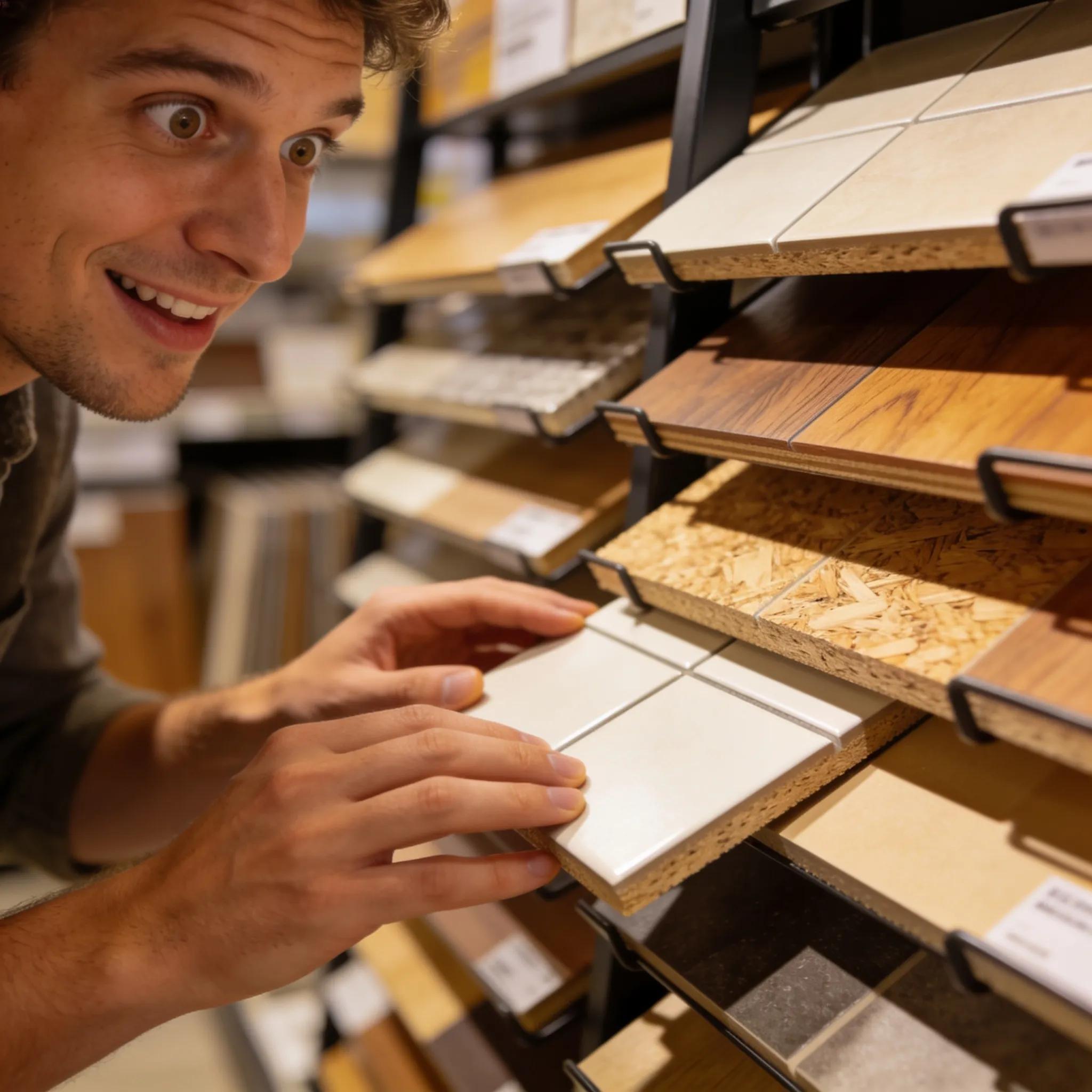
Physical samples trigger several predictable psychological responses. Touching a product improves memory and makes visualizing it in a home easier, which speeds decision-making. That sensory interaction often produces positive feelings about the choice and raises perceived product credibility. In short, people remember and trust things they’ve physically experienced — and that reinforces buying behavior.
Why Are Physical Samples More Persuasive Than Images?
Physical samples engage multiple senses at once, while images are limited to sight. Tactile feedback — weight, texture, temperature — creates a fuller impression that’s harder to get from photos. Research consistently shows that hands-on interaction increases trust and makes product attributes more memorable, which helps customers prefer sample-tested options over purely digital ones.
What Are the Benefits of Using Flooring Physical Samples in Marketing?
Using physical samples in marketing delivers clear advantages: higher engagement, stronger buyer confidence, and better post-purchase satisfaction. Samples help shoppers make informed comparisons across color, texture, and scale, which shortens the sales cycle and supports higher conversion rates.
How Do Samples Boost Consumer Confidence in Floor Selection?
Samples give customers a low-risk way to verify choices. When buyers can feel a material and see it in their home lighting, they make decisions with greater certainty — and that typically lowers return rates. Well-chosen samples let shoppers confirm that texture, tone, and pattern match their expectations.
Which Marketing Strategies Leverage Flooring Samples Effectively?
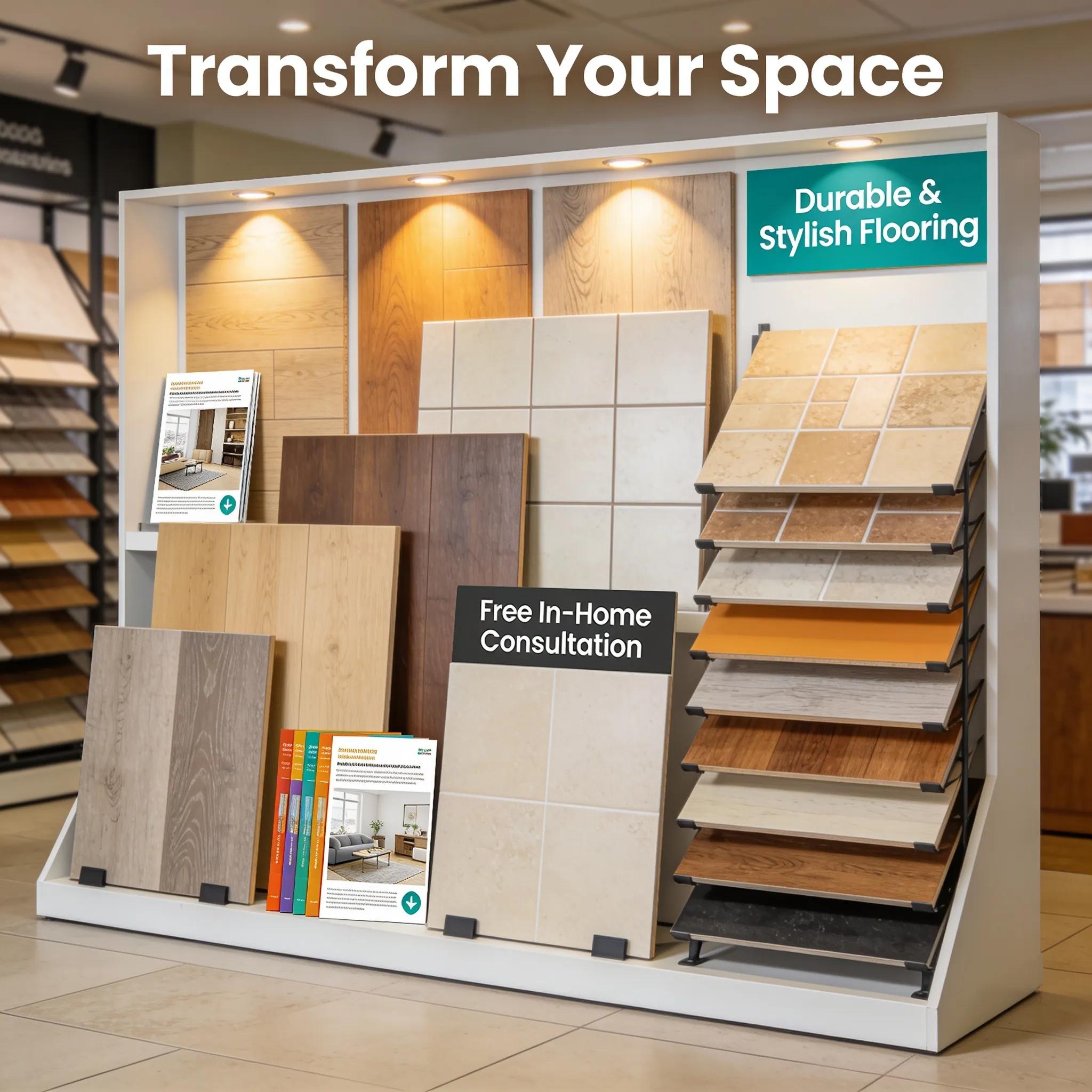
Effective sample-driven campaigns treat samples as part of the customer experience, not just a sales gimmick. Tactics include providing samples with consultations or online orders, curated sample kits for different styles, and attractive in-store displays that invite touch. When samples are integrated into a clear, customer-focused journey, retailers see higher engagement and repeat business.
How Do Flooring Samples Help Overcome Common Consumer Objections?
Buyers often worry about quality, fit, and price. Samples reduce those concerns by letting customers inspect material quality, match colors against existing decor, and evaluate perceived value firsthand. The clarity samples provide helps move hesitant shoppers toward a confident purchase.
What Role Do Samples Play in Resolving Buyer Hesitation?
When a customer hesitates, a sample provides the missing evidence: how the floor looks in real light, how it feels underfoot, and whether it complements the room. These touchpoints remove ambiguity and shorten the path from consideration to purchase, especially during in-person consultations.
How Can Samples Upsell Flooring Accessories?
Displaying accessories alongside samples — trims, transitions, underlays — helps customers envision a finished installation. That context makes accessories feel essential rather than optional, increasing average order value while giving buyers a more complete solution they’re happy with.
What Are Best Practices for Using Flooring Samples to Influence Purchase Decisions?
To make samples work, follow a few practical rules: curate representative samples, offer multiple sizes, place them where customers naturally stop and compare, and train staff to demonstrate benefits clearly. These steps turn casual interest into informed purchases.
What Sample Types and Sizes Maximize Consumer Engagement?
Smaller, easy-to-handle samples encourage more interaction, while larger pieces help convey pattern repeat and texture. Offer a mix: pocket-friendly swatches for browsing and full-size samples for final checks. That flexibility meets different shoppers’ needs and supports better choices.
How Should Retailers Integrate Samples Into Floor Design Psychology?
Use visual merchandising to guide exploration: position samples at eye level, group complementary colors and textures, and create touch stations with real-world lighting. An inviting, hands-on display reduces friction and makes it natural for customers to compare and commit.
Frequently Asked Questions
1. How can flooring samples enhance the shopping experience?
Samples let shoppers physically assess texture and color in real lighting, which creates a stronger, more accurate impression than photos alone. That tactile feedback helps customers visualize the final result, increases confidence, and usually reduces post-purchase returns.
2. What are the most effective ways to display flooring samples in a retail environment?
Place samples where customers can easily reach and compare them — at eye level and in busy areas. Use clear labels, organized groupings, and mix-and-match stations so shoppers can quickly see how options pair together. Thoughtful displays invite touch and speed decision-making.
3. How do flooring samples relate to customer loyalty?
When customers have a positive, low-risk buying experience, they’re more likely to return and recommend the retailer. Samples that help people make the right choice build trust, which translates into repeat purchases and positive word-of-mouth.
4. Can flooring samples be used in online marketing strategies?
Yes. Offer free or low-cost sample kits with online orders, highlight customer photos using samples on social media, and pair samples with virtual consultations or AR tools. These tactics bridge the gap between online browsing and in-person validation.
5. What common misconceptions exist about flooring samples?
One myth is that samples are only for luxury lines. In reality, samples help buyers at every price point. Another misconception is that photos are enough — but images can misrepresent color and texture, whereas samples provide reliable, hands-on confirmation.
6. How often should retailers update their flooring sample collections?
Refresh samples at least once or twice a year, and after major vendor launches or design trends shift. Regular updates show customers you’re current and keep the selection relevant and exciting.
7. In what ways can technology enhance the use of flooring samples?
AR apps let customers preview samples in their own rooms, and analytics can reveal which samples generate the most interest. Combining physical samples with digital tools provides a seamless, informative shopping experience.
Conclusion
Physical flooring samples add clarity, confidence, and emotional reassurance that images alone can’t match. They help buyers visualize results, reduce returns, and increase satisfaction — all of which benefit retailers and homeowners alike. Use samples thoughtfully in displays and marketing, and you’ll see more confident purchases and stronger customer relationships. Explore our selection of flooring samples and experience the difference for yourself.


About The Author