


What Separates Good Flooring From Great Flooring?
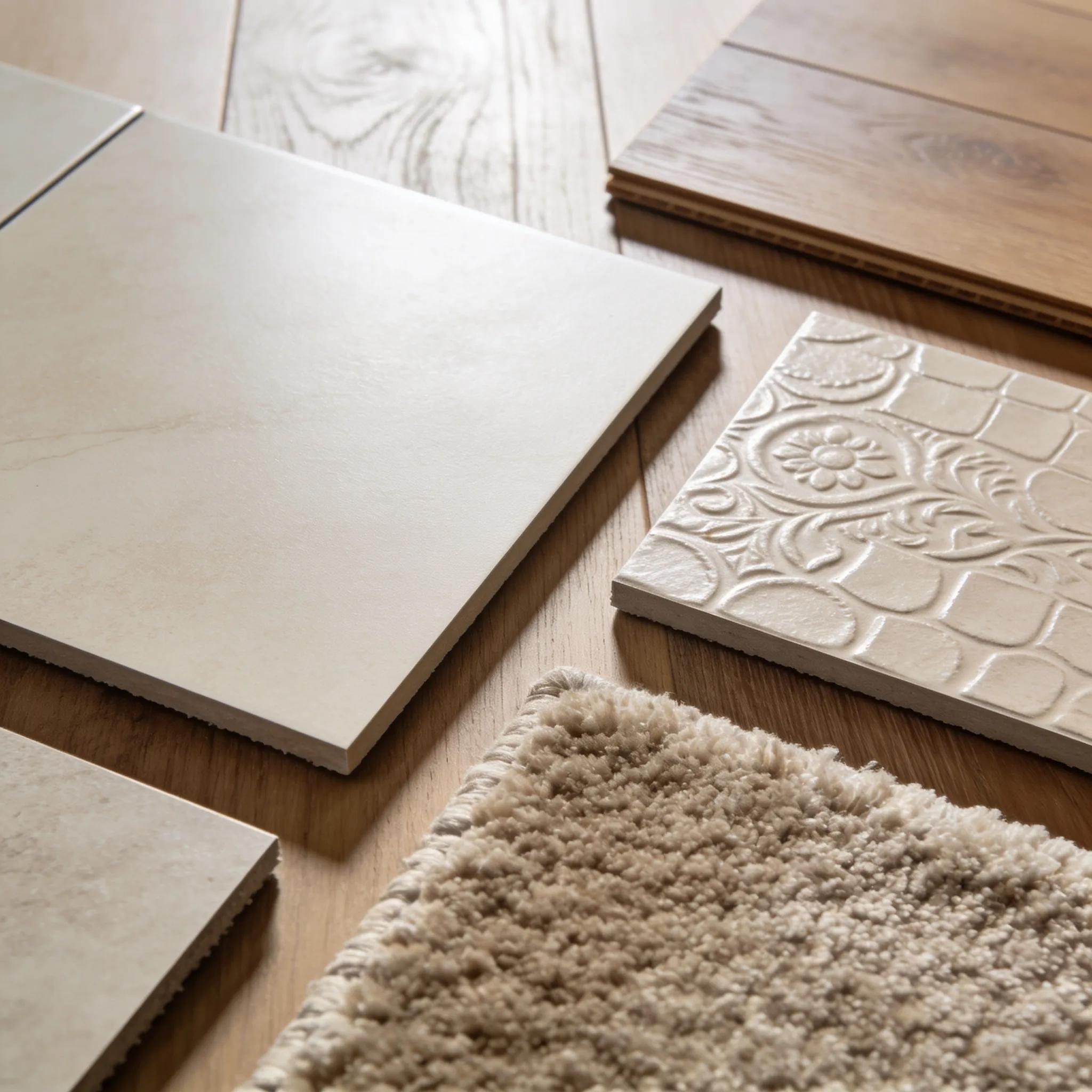
Choosing flooring is about more than looks — it’s about long-term performance. Material durability, installation quality, and current design trends determine whether a floor is a smart investment or a costly mistake. This guide outlines those factors and offers practical tips for high-traffic spaces and allergy-conscious households.
How Does Flooring Material Durability Define Quality?
Durability measures how well a floor resists wear, moisture, and stains while retaining appearance and structure. A resilient floor reduces repairs and replacement frequency, increasing long-term value. Understanding real-world performance helps you match materials to room conditions.
What Are the Durability Ratings of Common Flooring Types?
Ratings focus on wear resistance, moisture tolerance, and lifespan. Ceramic tile and luxury vinyl plank rank high for toughness and water resistance; carpet typically scores lower due to staining and matting. Use these ratings to select the right material for the room’s traffic and environment.
Which Flooring Materials Are Best for High-Traffic and Allergy-Sensitive Areas?
For busy or allergy-sensitive homes, choose durable, low-maintenance surfaces. Engineered hardwood and luxury vinyl offer resilience and easy care; hard surfaces with low-VOC finishes support better indoor air quality. If you want soft flooring, pick tightly woven, low-pile carpets that trap less dust and clean more easily. Consistent maintenance preserves performance and air quality.
What Installation Quality Factors Separate Great Flooring from Good?
Even premium materials fail if installed poorly. Correct installation prevents gaps, uneven boards, and early damage, ensuring the product performs as promised. Hiring experienced installers and following manufacturer instructions protects your investment.
How Does Professional Installation Impact Flooring Longevity?
Professional installers ensure proper acclimation, fastening, and subfloor prep. When manufacturer specs are followed, materials better tolerate humidity and temperature shifts, reducing warping and separation. Professional labor often reduces repairs over time.
What Are the Signs of Poor Flooring Installation to Avoid?
Watch for these red flags:
- Gaps or Buckling: Gaps between planks or sections that lift indicate improper acclimation or technique.
- Uneven Surfaces: Dips, hills, or a bouncy feel usually point to inadequate subfloor preparation.
- Visible Damage: Scuffs, cracks, or chips appearing right after installation suggest mishandling or poor materials.
Addressing issues early prevents larger, costlier problems.
What Are the Top Flooring Design Trends in 2026?
Trends blend function, sustainability, and texture. Expect more eco-friendly materials, natural-looking finishes, and surfaces designed for comfort and performance—creating inviting spaces that endure daily use without sacrificing style.
Which Premium Flooring Styles Are Leading in Aesthetics and Function?
Premium, durable options include sustainably sourced bamboo and reclaimed wood for character, plus ceramic tiles that mimic stone or wood while offering strong performance. These deliver visual impact and lasting value for high-end and eco-conscious projects.
How Do Design Choices Influence Flooring Durability and Maintenance?
Design affects care and longevity: light floors show dirt more, darker tones hide scuffs but reveal dust, and textured surfaces improve traction while trapping debris. Choose finishes and colors with maintenance needs in mind to find the right balance for everyday life.
What Are the Best Flooring Maintenance Practices to Enhance Durability?
Regular care preserves appearance and performance. Each material has specific needs, but a consistent routine prevents buildup, reduces wear, and extends a floor’s life. Tailor maintenance to the material and usage level of each space.
How Often Should Different Flooring Types Be Cleaned and Maintained?
Follow these general schedules:
- Hardwood: Clean every 1–2 weeks with a wood-safe product to remove grit and limit wear.
- Carpet: Vacuum weekly and arrange deep cleaning every 6–12 months to remove embedded dirt and allergens.
- Tiles: Mop weekly and treat grout every 3–5 months to avoid staining and buildup.
Routine, material-specific care keeps floors looking their best.
What Accessories Support Flooring Care and Longevity?
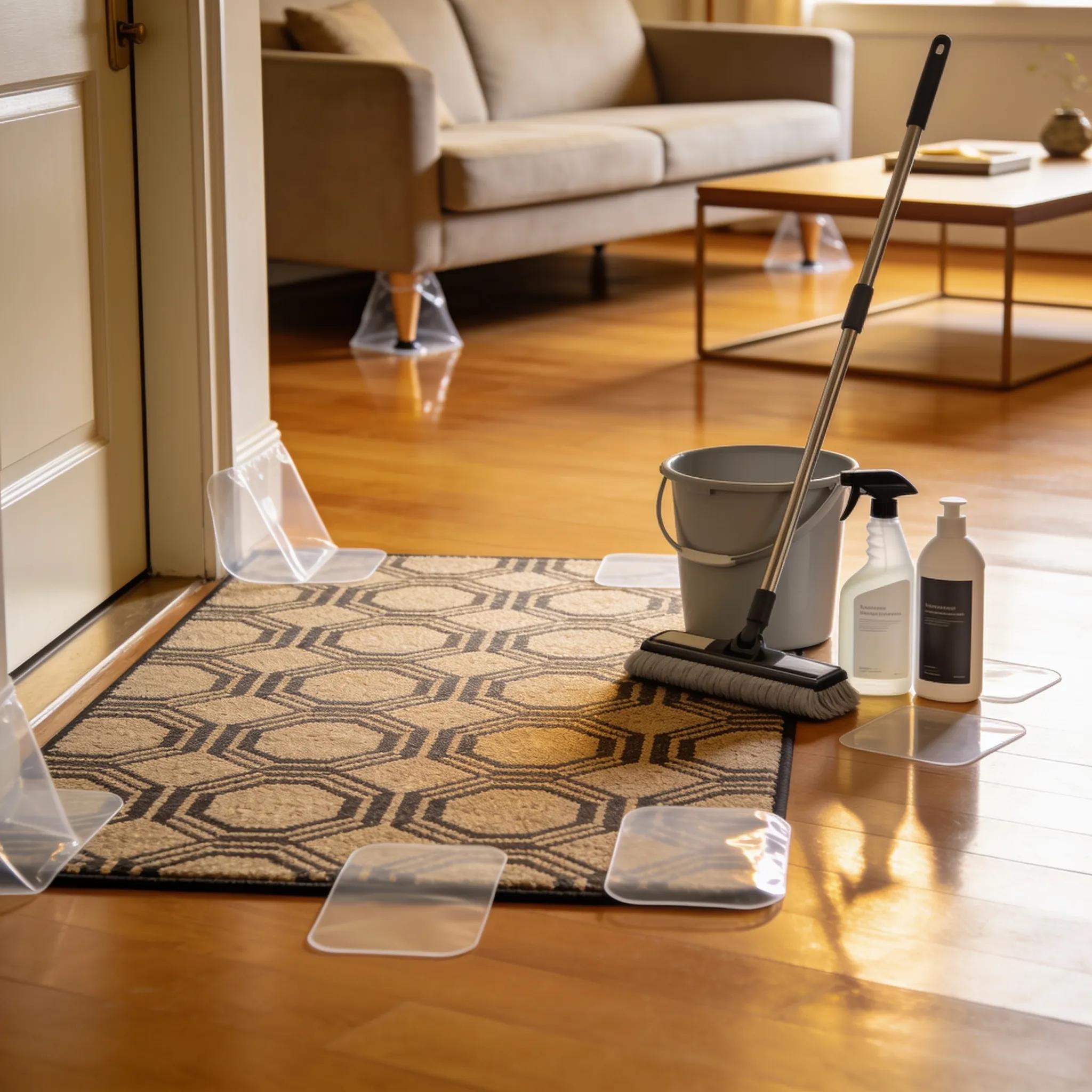
Key accessories make a difference:
- Floor Mats: Trap dirt and moisture at entrances before it reaches floors.
- Protective Pads: Felt or rubber pads under furniture reduce scratches.
- Quality Cleaners: Use products formulated for your flooring type to protect finishes.
Adding these items to daily routines helps prevent avoidable damage.
Frequently Asked Questions
What flooring materials are most environmentally friendly?
Bamboo, cork, and reclaimed wood are among the most sustainable choices: bamboo grows quickly, cork is harvested without cutting trees, and reclaimed wood repurposes existing timber. Many eco options also use low-VOC finishes to help indoor air quality.
How can I tell if my flooring is engineered or solid?
Solid hardwood is a single thick piece of wood. Engineered flooring is layered with a hardwood veneer over plywood or composite cores, offering greater stability in changing humidity. Inspect plank ends for layered construction or tongue-and-groove details to confirm.
Are there specific flooring types to avoid for pets?
Carpet and soft-grain solid hardwood can be problematic with pets due to stains and scratching. Durable alternatives like luxury vinyl, tile, or quality laminate resist scratches and handle spills more easily for pet owners.
What are the average costs associated with flooring installation?
Costs vary by material, project size, and labor. Materials commonly range across low- to mid-price points, with installation adding labor and prep costs. Premium installations (for example, hardwood) will cost more. Always get detailed quotes that include prep, underlayment, and removal of old flooring.
How do I choose the right flooring for a specific climate?
Climate influences stability. In humid areas, choose moisture-resistant options like tile or luxury vinyl. In dry or cold climates, engineered hardwood offers better dimensional stability. Consider expansion/contraction behavior and consult a professional for region-specific advice.
What innovations are shaping the future of flooring technology?
Innovation focuses on sustainability, smarter materials, and easier installation. Advances include recyclable and biodegradable options, reduced-waste manufacturing, smart floors with integrated sensors, and click-lock systems that simplify installation for DIY and pros alike.
Conclusion
High-quality flooring pairs the right material with careful installation and design choices that suit your lifestyle. By weighing durability, installation standards, and trends, you can choose floors that look great and last. Compare materials and professional installation options to find flooring that meets both aesthetic and practical needs.


