


The Secret Life of a Well-Loved Floor
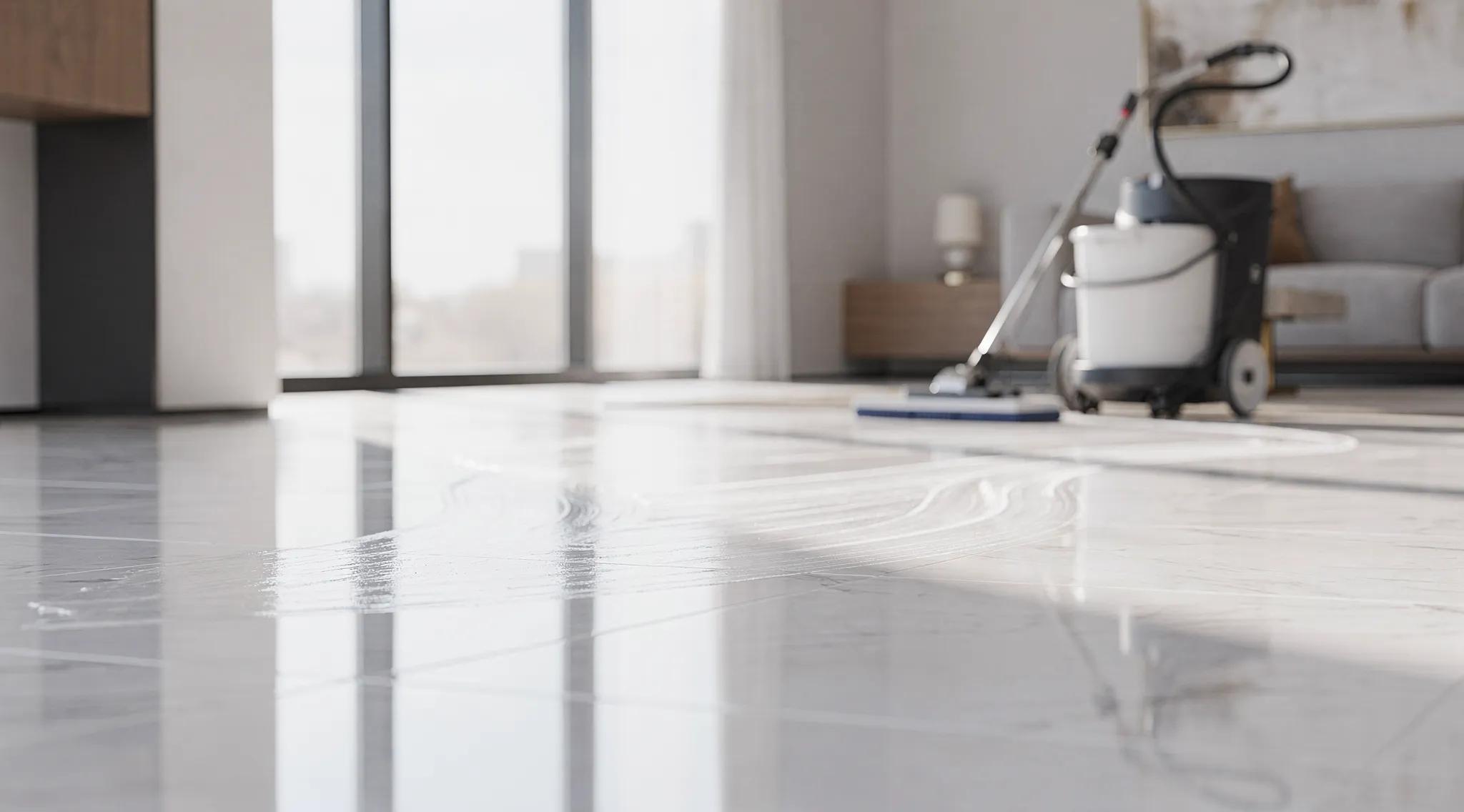
Caring for your floors keeps them looking their best, helps them last longer, and lowers their overall environmental footprint. Simple daily habits and timely interventions prevent small issues from becoming costly repairs. With a few practical routines and the right products for each surface, you can preserve appearance and performance for years.
The Environmental and Economic Effects of Floor Maintenance
Maintenance practices strongly influence both the environmental footprint and the lifetime cost of flooring materials. In lifecycle assessments, adding high-intensity maintenance increases environmental impact scores by about 31% for hardwood and up to 114% for carpet. A sensitivity analysis shows much of that rise is driven by vacuuming. Maintenance expenses also add noticeably to ownership costs — roughly 49% for hardwood and about 30% for linoleum, vinyl, and carpet. Impact of maintenance on life cycle impact and cost assessment for residential flooring options, 2015
Frequently Asked Questions
What are common types of floor maintenance?
Typical floor maintenance includes routine cleaning (sweeping, vacuuming, and mopping), periodic deep cleaning, refinishing where appropriate, and applying protective sealants. Spot-cleaning spills promptly and using targeted treatments for stains also help. Preventive steps—like using runners in busy zones and felt pads under furniture—reduce wear and protect finishes. Follow the manufacturer’s care guidelines for best results with each flooring type.
How often should I clean my floors?
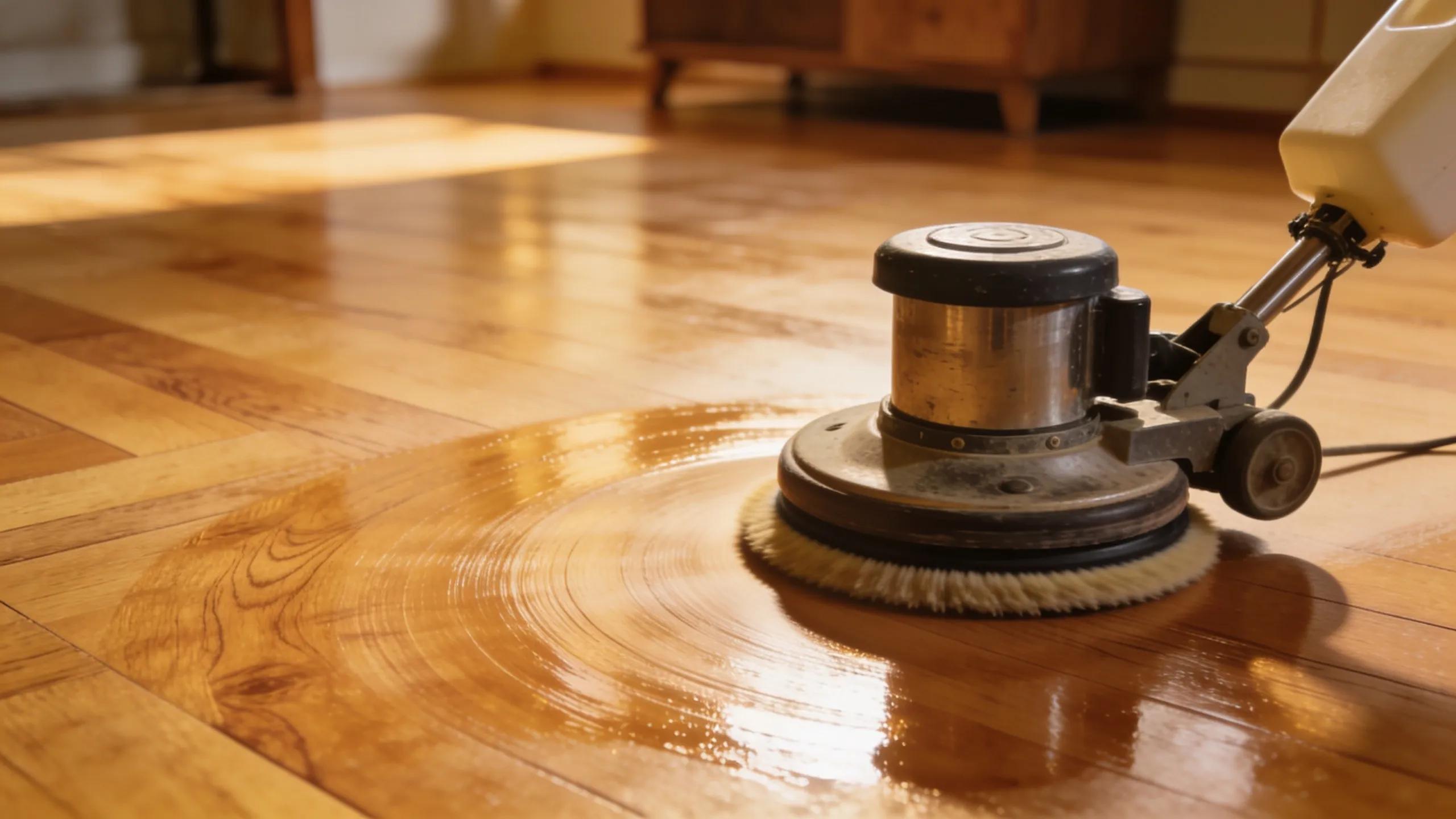
Cleaning frequency depends on the material and how much foot traffic it gets. For most homes, sweep or vacuum at least once a week and mop every two weeks to a month. High-traffic areas, homes with pets, or entryways may need daily or several-times-per-week attention. Aim for a thorough deep clean every six months to prevent buildup that can shorten a floor’s life and degrade finishes.
Which cleaning products work best for different floors?
Choose cleaners made for the specific flooring material. Use a pH-balanced wood cleaner for hardwood and avoid ammonia-based solutions that can harm finishes. For tile or laminate, mild soap and water or a product formulated for those surfaces is best. Microfiber mops and soft cloths remove dirt without abrasives; always spot-test a cleaner in an inconspicuous area before using it widely.
Why and when should hardwood floors be refinished?
Refinishing restores hardwood by removing surface wear and reapplying finish, which refreshes appearance and adds protection. It’s generally needed every 5–10 years depending on traffic and care. Light sanding and recoating can address surface wear, while full refinishes remove deeper scratches and stains. Consider professional refinish services for large areas or when structural repairs are needed.
How can I prevent scratches on my floors?
Protect floors by adding felt pads to furniture legs and avoiding dragging heavy items across surfaces. Use area rugs and doormats in busy spots, and clean those mats regularly to avoid trapping grit. Keep pet nails trimmed and remove grit from shoes before walking indoors. Regularly cleaning to remove dirt and debris also lowers the chance of scratches and surface abrasion.
Are there eco-friendly floor cleaning and maintenance options?
Yes. Simple mixes like diluted vinegar and water can work on some hardwoods, tile, and laminate when used properly and sparingly. Look for polishes and cleaners with natural or biodegradable ingredients and certifications like Green Seal. Reusable microfiber cloths, concentrated cleaners (diluted per instructions), and plant-based detergents reduce waste and chemical load while keeping floors clean.
Conclusion
Thoughtful floor care preserves your home’s beauty and extends the life of your flooring—making it a smart investment. Regular maintenance improves indoor air quality and lowers environmental impact when done with sustainable products and practices. Build simple daily habits, pick the right cleaners for each surface, and schedule deeper maintenance at appropriate intervals to avoid premature replacement. Follow these tips to keep your floors looking and performing their best for years, and explore eco-friendly cleaning options to simplify upkeep today.


