


The Most Interesting Floors Are Rarely the Loudest
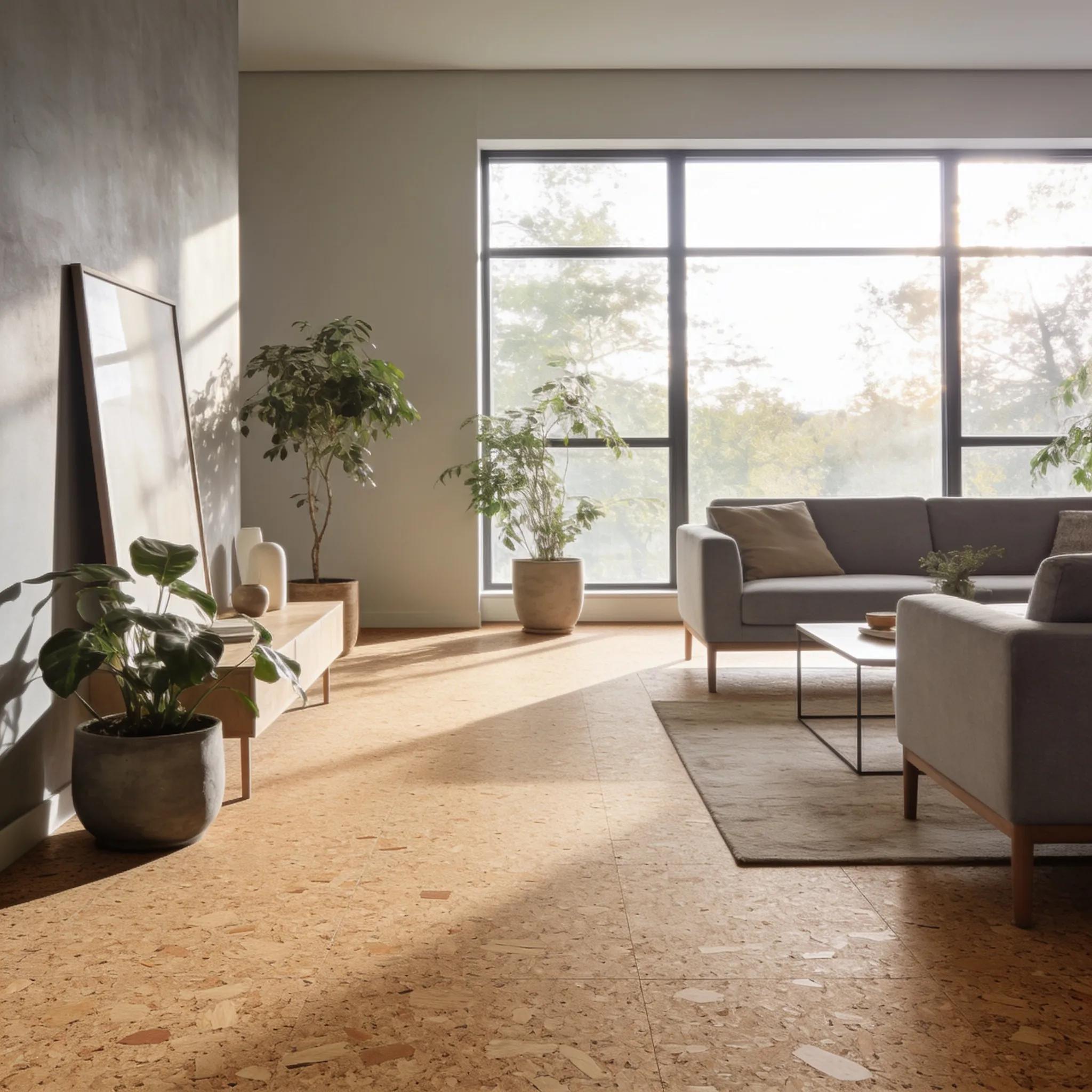
Good design balances beauty and function — and the floor is where that balance often begins. Choosing quieter, eco-conscious materials helps reduce household noise while creating a calm, considered interior. This guide looks at understated, sustainable flooring options shaping minimalist design in 2026, highlighting materials, noise-control strategies, and practical accessories that deliver both calm and style.
Best Quiet Flooring Materials for a Subtle Home
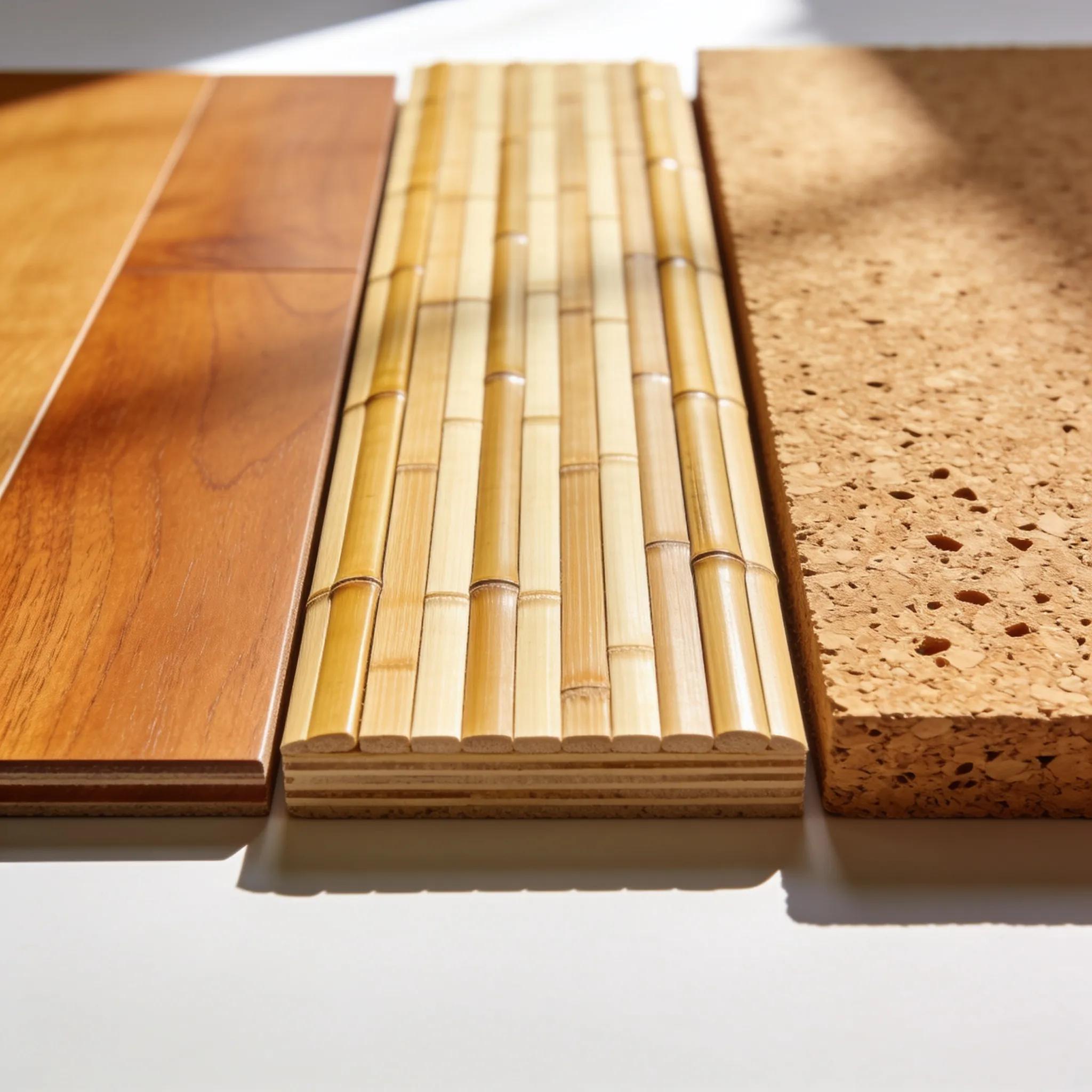
Sound-absorbing flooring makes a real difference in everyday comfort. Different materials perform differently—understanding those differences helps you pick a floor that matches your aesthetic and acoustic needs. Below is a quick comparison to guide that choice.
| Material | Acoustic Performance | Look & Feel |
|---|---|---|
| Hardwood Flooring | Moderate noise reduction | Warm and classic |
| Bamboo Flooring | Good noise reduction | Eco-friendly, contemporary |
| Cork Flooring | Excellent noise reduction | Soft and natural |
This simple comparison shows how acoustic performance and visual style can align. For example, cork flooring not only absorbs impact sound exceptionally well but also brings a warm, natural texture that supports tranquil interiors.
How do hardwood, bamboo, and cork differ in noise reduction?
Each material brings distinct acoustic traits. Hardwood typically yields moderate sound attenuation and suits homes where some liveliness is acceptable. Bamboo is denser than many engineered floors and often provides better sound damping while maintaining a modern look.
Cork stands apart for minimizing impact noise and producing a quieter walking surface, making it ideal for bedrooms, home offices, and multi-level living where sound control matters most.
Which eco-friendly certifications signal truly sustainable quiet flooring?
When you want environmentally responsible, low-emission floors that also perform acoustically, look for these certifications:
- FSC Certified: Confirms hardwood and bamboo come from responsibly managed forests.
- GREENGUARD: Verifies low chemical emissions for better indoor air quality.
- Cradle to Cradle: Highlights materials designed for reuse and circular manufacturing.
These labels help you choose floors that are better for the planet and healthier for your home.
Minimalist Flooring Options Shaping Interiors in 2026
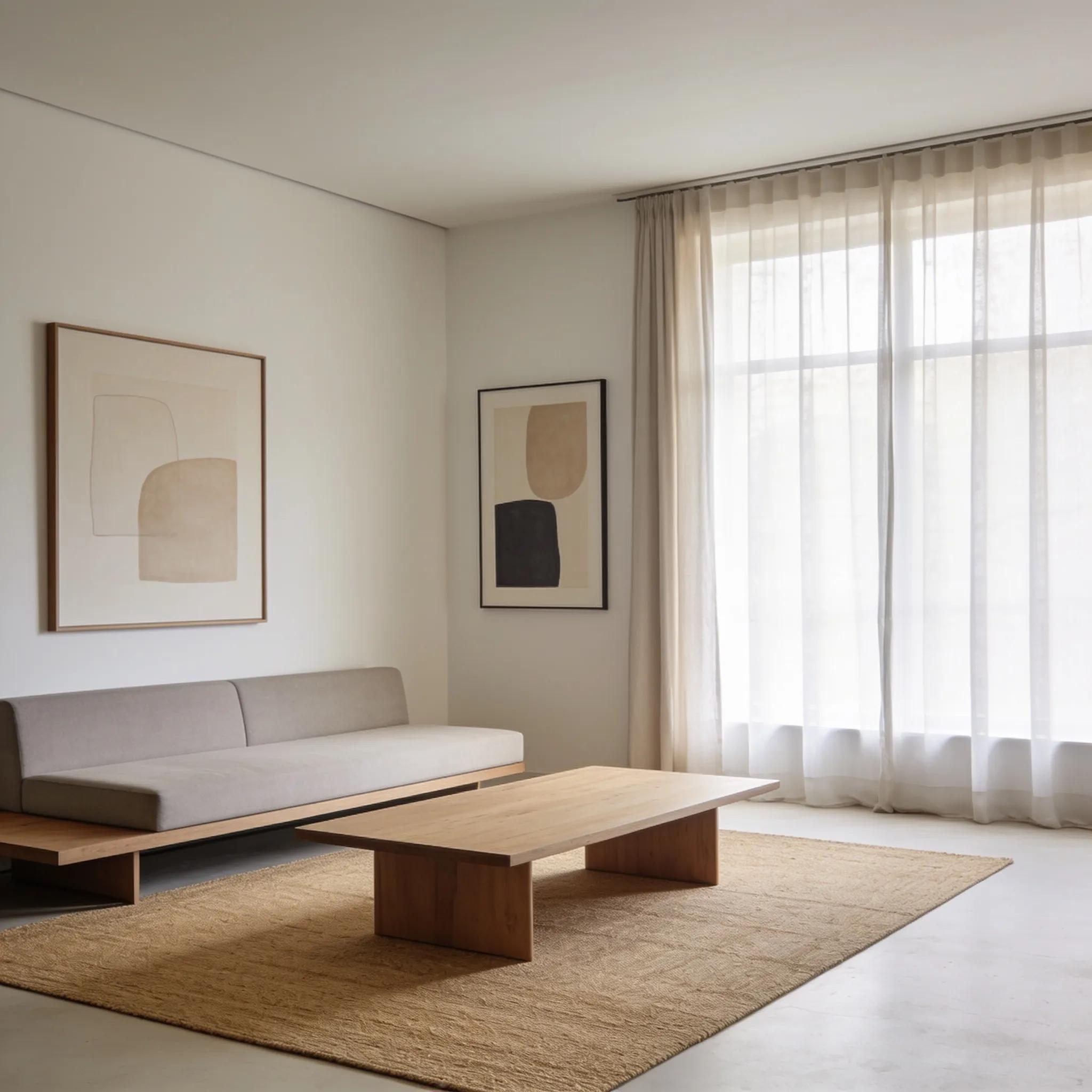
Minimalism in 2026 favors materials and colors that feel calm, intentional, and durable. Floors that read as simple backdrops—subtle tones and natural textures—help rooms feel cohesive while staying highly functional.
What defines muted colors and natural-fiber surfaces?
Muted palettes—soft grays, taupes, and warm beiges—create a quiet foundation that lets furniture and lighting stand out without visual competition. Natural-fiber surfaces like jute or sisal add tactile warmth and sustainable credentials while reinforcing a pared-back look.
How do minimalist designs work with noise-reduction tech?
Noisy homes don’t have to sacrifice the minimalist aesthetic. Sound-absorbing underlayments fit beneath hard surfaces, and discreet acoustic panels or strategic soft furnishings reduce reverberation without adding visual clutter. The result is a serene space that feels thoughtfully designed, not overstuffed.
How accessories can boost quietness and style
The right accessories improve both sound performance and the room’s overall look. Thoughtful choices let you balance function and form without compromising a minimalist scheme.
Which accessory innovations improve acoustics without visual noise?
New underlays, slim sound-absorbing rugs, and low-profile pads help reduce impact noise while staying visually subtle. Many of these products are developed to blend with neutral palettes so they enhance acoustics without calling attention to themselves.
Which installation methods support noise reduction and a clean look?
Installation matters. Floating floors reduce direct contact with the subfloor and limit sound transfer, and the right underlayment can dramatically improve absorption. Careful fitting and trim work keep lines crisp and preserve the minimalist aesthetic.
Why choose eco-friendly floors that are quiet and stylish?
Eco-conscious, quiet floors deliver practical and emotional benefits: lower indoor emissions, reduced noise, and a calmer home. They’re a design choice that supports wellbeing as well as sustainability.
What environmental and health benefits do sustainable materials offer?
Materials like bamboo and cork often use renewable resources and can reduce indoor pollutants when paired with low-VOC finishes. That means better indoor air quality and a smaller environmental footprint—advantages that matter for long-term health and comfort.
How do quiet floors improve comfort and mindful living?
Quieter floors contribute directly to a restful home environment, which supports focus and relaxation. Choosing sound-absorbing materials is a simple, effective step toward a more intentional, less stressful living space.
Frequently Asked Questions
What flooring options are best for allergy sufferers?
Hard, smooth surfaces such as bamboo and cork are easier to keep free of dust and allergens than carpet. Both resist mold and dust mites when properly sealed, and choosing low-VOC finishes and adhesives further improves indoor air quality for people with sensitivities.
How can I maintain the sound-absorbing properties of my flooring?
Regular, gentle cleaning preserves acoustic performance—vacuum with a soft brush, avoid abrasive cleaners, and use protective mats in high-traffic zones. Proper maintenance keeps the material intact and preserves its ability to damp impact noise.
Can I install sound-absorbing flooring over existing floors?
Yes—provided the existing surface is flat and stable. Floating floors over a prepared subfloor are a common approach, and selecting the right underlayment is key to maximizing noise reduction. When in doubt, consult a professional installer for an assessment.
What are the costs associated with eco-friendly flooring options?
Prices vary by material, brand, and installation, but bamboo and cork are often comparable to mid- to high-range hardwoods. While upfront costs can be higher for certified, sustainable products, many homeowners find the durability, health benefits, and resale value justify the investment.
Are there specific design trends for eco-friendly flooring in 2026?
Expect natural tones, tactile textures, and biophilic influences—materials that echo nature and support calm interiors. Recycled content and improved manufacturing processes will also shape product offerings, emphasizing durability alongside sustainability.
What should I consider before choosing a flooring accessory?
Think about durability, acoustic benefit, and how the accessory complements your floor’s texture and color. Choose low-profile, easy-to-clean options that improve sound control without interrupting the room’s minimalist flow.
The Most Interesting Floors Are Rarely the Loudest
Quiet, sustainable flooring brings measurable comfort and long-term value to modern homes. Materials like cork and bamboo combine strong acoustic performance with natural beauty, fitting clean, minimalist interiors while supporting environmental goals. Choosing the right floor—and the right installation—can transform a room into a calm, resilient space built for everyday life. Explore our curated selections to find options that match your aesthetic and acoustic priorities.


