


The Most Dangerous Flooring Advice on the Internet
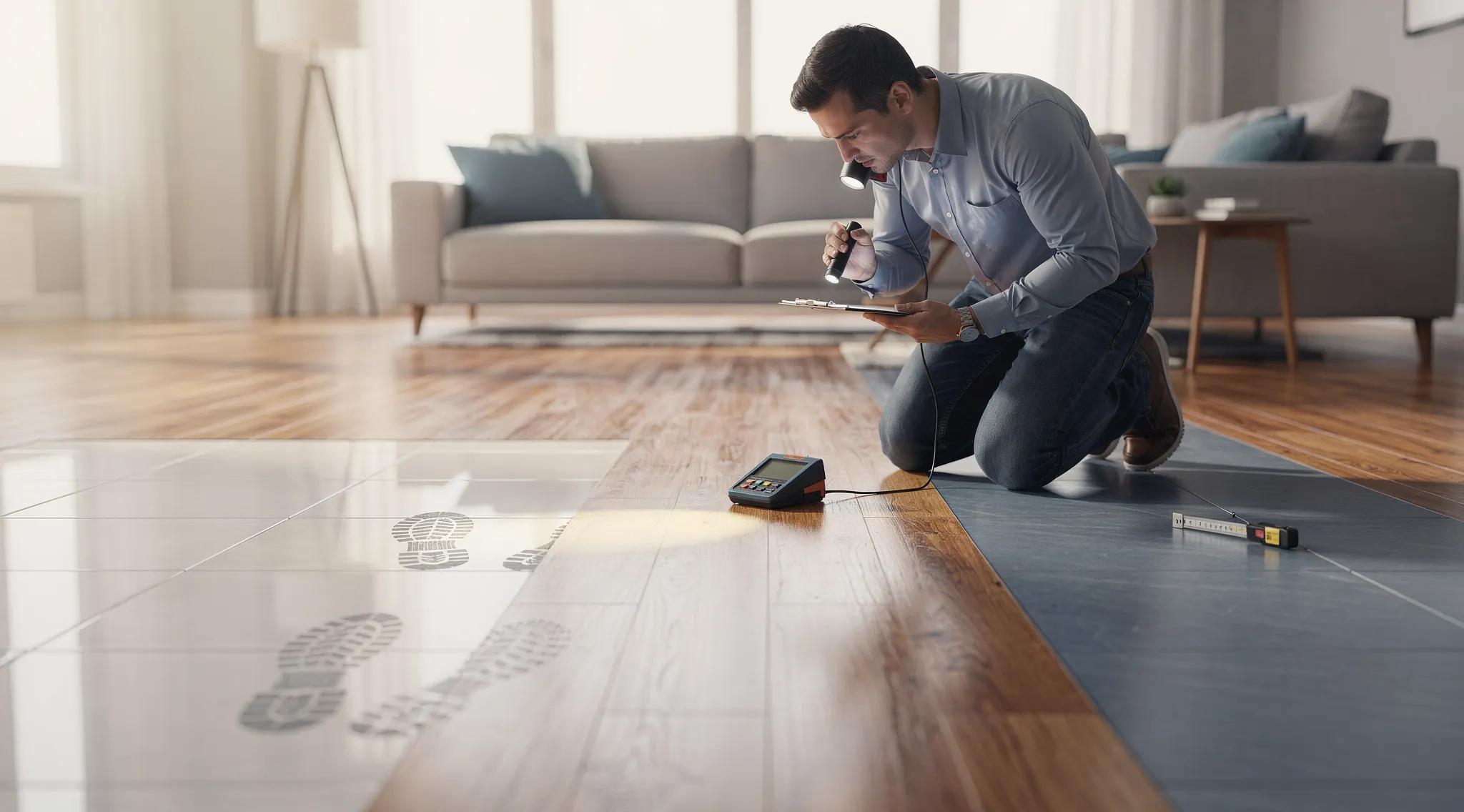
Flooring often looks like a simple decision, but common misconceptions can put both your home and your health at risk. Bad or misleading advice leads to poor installations, hidden damage, and exposure to harmful substances. This article separates dangerous flooring myths from reality, backs corrections with facts, and highlights safer choices and installation practices. We’ll cover myths that ruin installations, flooring materials that pose hazards, and the installation mistakes that cause the most trouble — so you can make safer, longer-lasting decisions for your home.
What Are the Most Common Flooring Myths and How Do They Cause Harm?
Many flooring myths spread online and by word of mouth. Those misconceptions can prompt improper installation or the use of unsafe materials, creating health hazards and costly repairs. Learning to spot and question these myths helps prevent unnecessary risks and protects both indoor air quality and your investment.
Which Flooring Myths Lead to Unsafe Installation and Damage?
A persistent myth is that any flooring can be installed anywhere. Laying carpet over the wrong substrate, for example, can trap moisture and encourage mold and mildew. Treating all hardwood as equally durable ignores species, finish, and moisture tolerance. Misunderstanding these differences often leads to premature failure, expensive replacements, and living conditions that aren’t safe.
How Can Debunking Myths Prevent Flooring Material Toxicity?
Another dangerous belief is that “low‑VOC” always equals safe. While low‑VOC products reduce emissions compared with higher‑VOC options, they can still off‑gas chemicals. Understanding labels, certifications, and ventilation needs — and knowing how long new materials may emit fumes — helps reduce exposure. Awareness prevents choosing products that compromise indoor air quality.
Which Flooring Materials Are Unsafe and What Hazards Do They Present?
Spotting hazardous flooring materials is vital for household health and safety. Some products contain additives or adhesives that release pollutants, while others trap moisture or allergens. Being aware of these risks makes it easier to choose safer alternatives and protect occupants.
What Types of Hazardous Flooring Materials Should Be Avoided?
Frequently Asked Questions
1. What are the signs that your flooring may be hazardous?
Look for visual and sensory warning signs: peeling, bubbling, discoloration, or warping can signal failing or contaminated materials. Persistent chemical or mildew odors are red flags. New or worsening respiratory symptoms, headaches, or skin irritation among household members can also indicate a problem worth investigating.
2. How can I safely dispose of old flooring materials?
Start by checking local regulations for materials like asbestos‑containing tiles or certain vinyls. If disposal is allowed, use recycling options where available or take materials to a construction waste facility. Always wear proper protective gear when handling old flooring. For suspect or regulated materials, hire a licensed removal service to ensure safe handling and disposal.
3. Are there any regulations about flooring material safety?
Yes. In the U.S., agencies such as the EPA and the Consumer Product Safety Commission provide guidance and standards related to emissions and hazardous substances. Look for products that meet recognized standards and certifications, and check local building codes and regulations to make sure your choices comply with safety requirements.
4. How can I tell if my flooring installation was done correctly?
Correct installation shows in the details: floors should sit flat without gaps, lifting, or bouncy spots. Seams should be tight, and materials properly acclimated before installation to avoid later movement. Appropriate underlayment and moisture barriers should be used for sensitive flooring types. If anything seems off, have a qualified installer or inspector evaluate the work.
5. What is the best maintenance routine for various flooring types?
Care varies by material. For hardwood, sweep regularly and clean with a damp mop and a pH‑neutral cleaner — avoid excess water. Tile benefits from routine sweeping and mopping, with grout care as needed. Vacuum carpets frequently and schedule professional cleaning periodically. Always follow the manufacturer’s maintenance recommendations to extend life and maintain safety.
6. Can flooring affect indoor air quality?
Absolutely. Many flooring materials release VOCs, especially when new, and carpets can trap dust, pollen, and allergens. Choosing low‑emission or natural materials, ensuring proper ventilation during and after installation, and keeping up with cleaning and humidity control all help maintain better indoor air quality.
7. What are the long-term effects of choosing hazardous flooring?
Long‑term exposure to hazardous flooring can contribute to chronic respiratory issues, persistent allergic reactions, and other health problems. Deteriorating floors can also lead to structural concerns and expensive repairs. Making informed choices now reduces health risks and costly consequences down the road.
Conclusion
Knowing the truth about flooring options protects both your health and your home. By debunking common myths, identifying risky materials, and following proper installation and maintenance practices, you can avoid costly mistakes and improve indoor air quality. Use trustworthy sources, verify product certifications, and consult professionals when in doubt — and choose flooring that’s safe, durable, and right for your space.


