


The Flooring Decisions That Outlive Renovation Trends
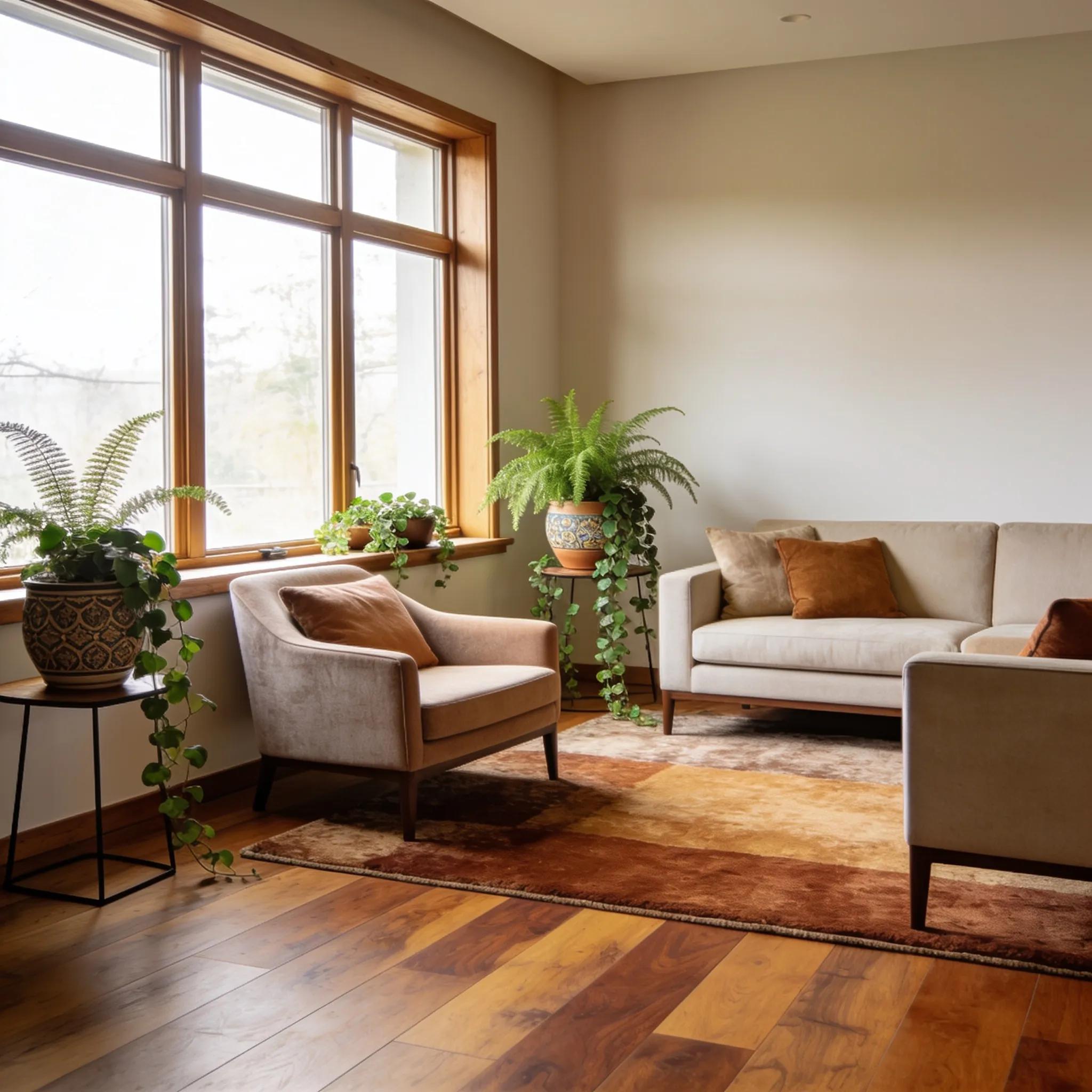
Choosing the right floor is a smart long‑term investment: it sets a room’s look, determines wear over time, and affects your home’s environmental footprint. This guide summarizes hardwood and durable flooring options that combine sustainability with longevity, plus practical care tips to protect your investment through renovations.
Which sustainable hardwood options best balance longevity and eco‑friendliness?
Consider reclaimed wood, bamboo, and engineered hardwood—each eases pressure on old‑growth forests while offering different performance benefits: reclaimed character, bamboo renewability, and engineered dimensional stability.
Key advantages of these sustainable hardwood choices include:
- Reclaimed Wood: Reuses existing timber for a weathered, distinctive look while diverting usable wood from landfills.
- Bamboo Flooring: A fast‑renewing grass that can be very hard and suits modern aesthetics.
- Engineered Hardwood: A hardwood veneer over layered plywood for extra stability and reduced demand for slow‑growing species.
What are the key eco certifications for sustainable hardwood flooring?
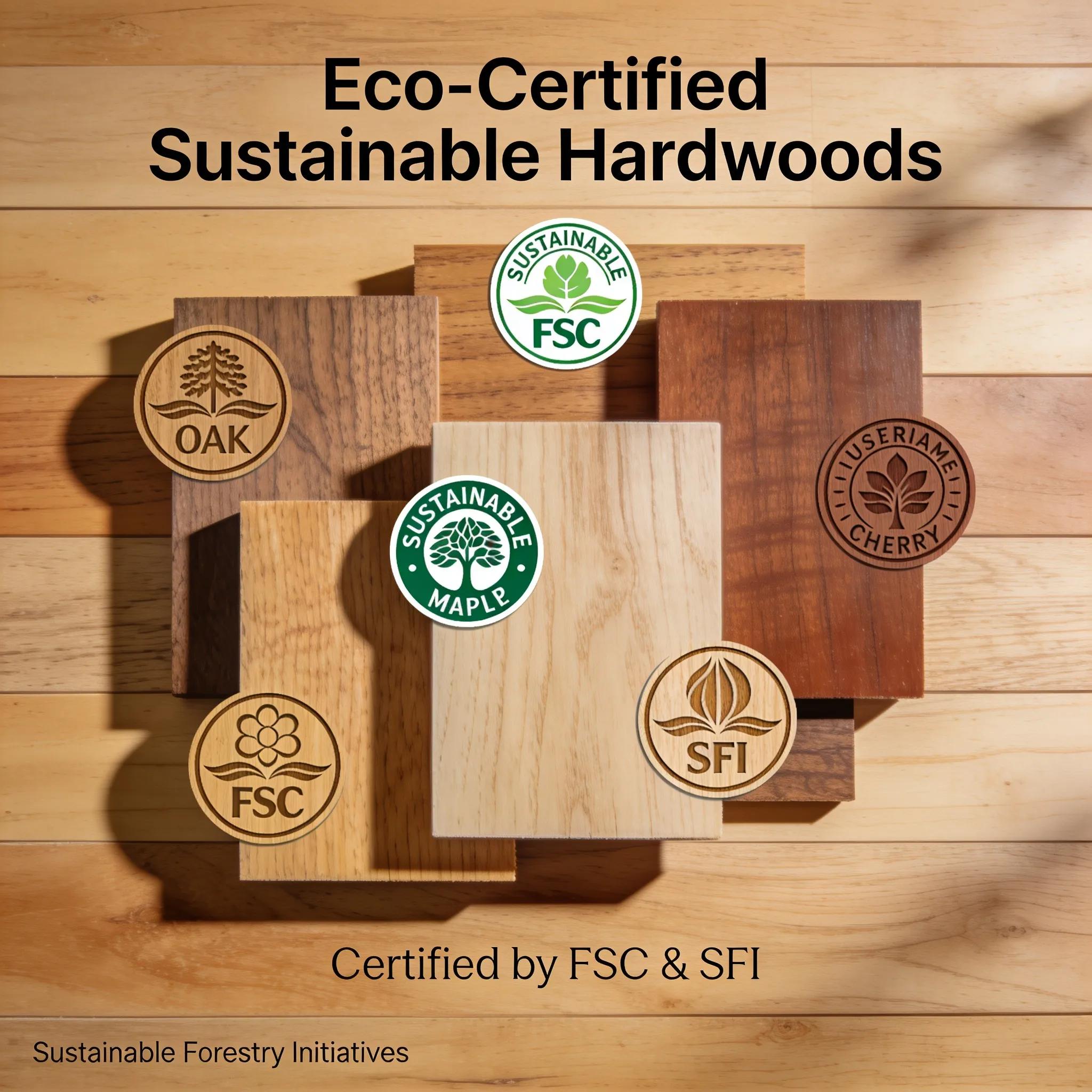
Look for third‑party marks like the Forest Stewardship Council (FSC) or the Sustainable Forestry Initiative (SFI). Certifications verify responsible sourcing and production practices, helping you match design choices to long‑term environmental goals with supply‑chain transparency.
How does engineered hardwood enhance durability compared to traditional hardwood?
Engineered hardwood’s layered build resists moisture and temperature shifts better than solid wood, making it suitable for basements, kitchens, and other variable spaces. The real wood top layer keeps the authentic look while the plywood core limits cupping and warping.
For active homes, engineered boards deliver a classic hardwood appearance with improved dimensional stability.
Which long‑lasting floor materials resist wear across renovation cycles?
Long‑term durability depends on material performance and upkeep. Vinyl, bamboo, and natural stone can all resist heavy use when specified and installed correctly, so choose based on traffic, moisture, and expected lifespan.
Understanding each material’s behavior helps you place the right product in the right room.
How do vinyl, bamboo, and tile flooring compare in durability and maintenance?
Short comparison to weigh durability and upkeep:
- Vinyl Flooring: Highly water‑resistant and easy to clean—well suited for kitchens and mudrooms.
- Bamboo Flooring: Durable when well made and finished; needs routine cleaning and occasional refinishing.
- Tile Flooring: Extremely scratch‑resistant; grout and sealant upkeep are required to maintain appearance.
Which durable floor finishes extend flooring lifespan effectively?
Finishes greatly affect wear resistance. Durable coatings guard against scratches, moisture, and chemical damage and extend a floor’s useful life.
- Polyurethane Finishes: Hard protective coats that hold up to heavy traffic.
- Oil‑Based Finishes: Provide a warm, rich look but need longer cure times and somewhat more upkeep.
- Water‑Based Urethanes: Lower VOCs and quick drying with strong protection and a clearer finish.
Choose a finish that balances appearance, performance, and maintenance expectations to protect your flooring investment.
How can classic wood floor styles foster timeless design beyond current trends?
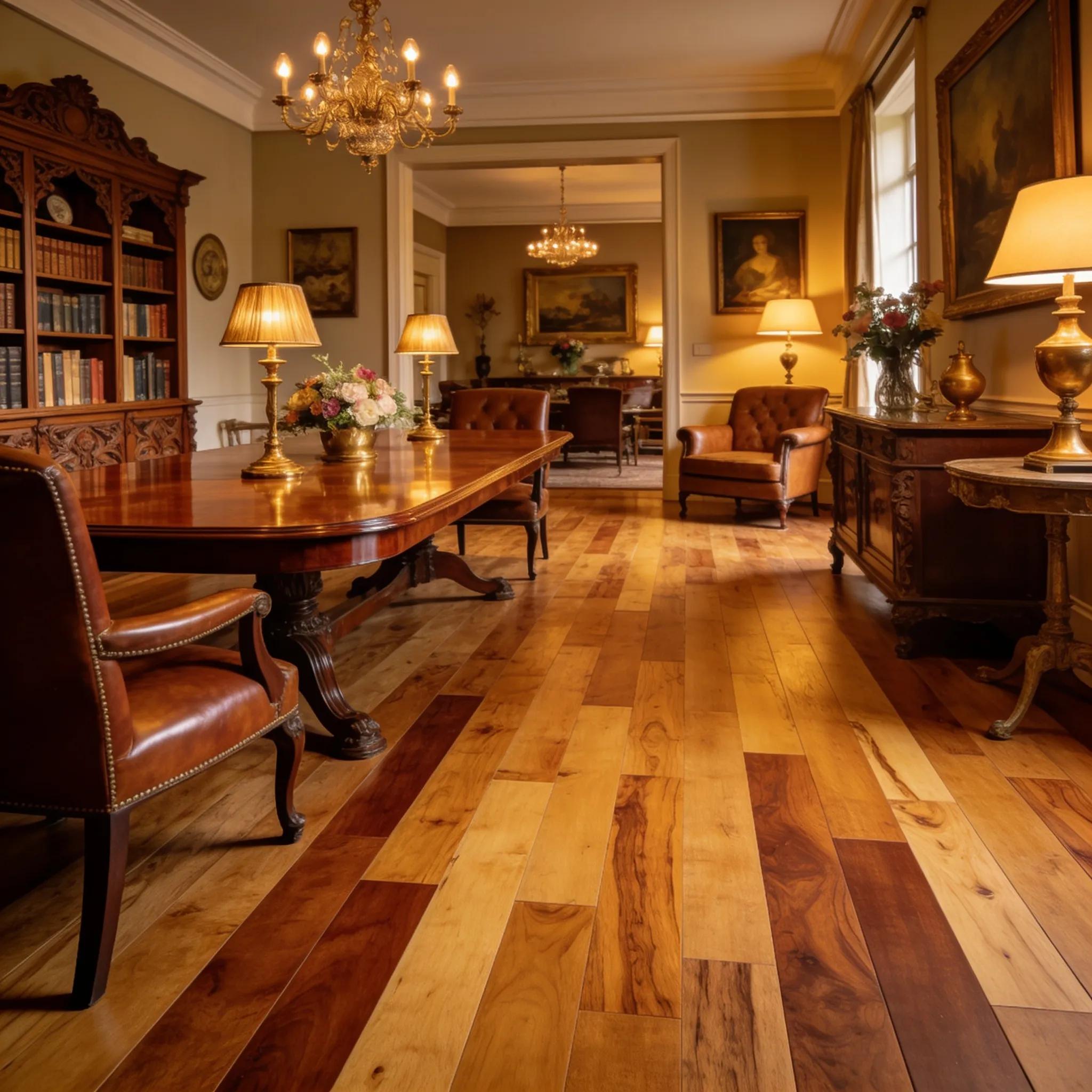
Classic woods like oak, walnut, and cherry provide warmth and versatility that work with changing decor. Their neutral appeal pairs easily with modern fixtures or traditional furnishings, supporting resale value and future updates without a full flooring overhaul.
What classic wood colors and textures endure renovation and style changes?
Neutral tones and subtle textures travel well across decades—choose hues and grain patterns that complement many styles rather than following fads.
- Light Oak: Brightens rooms and fits minimalist palettes.
- Deep Walnut: Adds warmth and sophistication for varied interiors.
- Subtle Cherry: Offers rich color without overpowering a space.
How do timeless floor designs impact long‑term home value and appeal?
Quality, classic flooring often boosts marketability. Buyers typically prefer durable, neutral floors that suit many styles, so well‑chosen hardwood can be a notable selling point.
Materials with broad appeal generally attract more buyers and simplify resale when you move.
Which eco‑friendly flooring options offer both sustainability and cost effectiveness?
Eco‑friendly choices like cork, reclaimed wood, and bamboo can be both sustainable and cost effective over their lifetimes. Their durability, insulation, and low maintenance often yield long‑term savings.
Compare lifecycle costs—installation, upkeep, and expected lifespan—to determine true value.
What are the lifecycle environmental impacts of popular sustainable flooring materials?
Lifecycle thinking examines sourcing, production, use, and end‑of‑life. Fast‑regrowing materials such as bamboo and cork often require less energy to produce than slow‑growing hardwoods, yielding lower carbon footprints.
Weigh these impacts against performance to choose floors aligned with environmental priorities.
How do maintenance practices influence flooring longevity and economic return?
Material‑specific, consistent care extends usable life and improves long‑term return. Proper cleaning, timely protections, and humidity control reduce wear and postpone replacements.
- Routine Cleaning: Sweep or vacuum regularly to prevent grit from scratching surfaces.
- Seasonal Maintenance: Periodic inspections and treatments preserve finishes.
- Humidity Control: Stabilize indoor humidity to avoid warping and gaps in wood floors.
Follow manufacturer guidelines and adapt care to your home’s traffic and climate to maximize value.
Frequently Asked Questions
What should I consider when choosing sustainable hardwood flooring?
Consider species, sourcing, and certifications. Match material choice to room moisture, traffic, and aesthetic needs, and look for FSC or SFI certification to verify responsible sourcing.
Can I install sustainable hardwood flooring in moisture‑prone areas?
Yes. Engineered hardwood is more dimensionally stable than solid wood, so it suits kitchens, basements, and some bathrooms when properly finished and installed. Sealed bamboo can also perform well in humid spaces; avoid solid hardwood where moisture is constant.
How can I enhance the durability of my hardwood flooring?
Use robust finishes (for example, polyurethane), maintain a regular cleaning routine, protect high‑traffic areas with rugs, control humidity, and avoid harsh cleaners.
What are the benefits of using cork flooring in eco‑friendly projects?
Cork is harvested without harming trees, regrows naturally, and provides thermal and acoustic insulation. It’s resilient, resists mold, and offers comfortable underfoot cushioning.
How do I maintain different types of eco‑friendly flooring materials?
Maintenance varies: bamboo needs gentle sweeping and damp mopping; cork requires minimal moisture and proper sealing; reclaimed wood responds well to dusting and occasional refinishing. Always follow manufacturer care instructions.
Are there specific cleaning products recommended for eco‑friendly flooring?
Use pH‑neutral, low‑VOC cleaners approved by the manufacturer. Avoid harsh chemicals that can strip finishes; when unsure, test a cleaner in a small area first.
How do sustainable flooring options contribute to a healthier indoor environment?
Sustainable floors like bamboo, cork, and reclaimed wood typically emit fewer VOCs than some synthetic alternatives, especially when finished with low‑VOC products—supporting better indoor air quality.
Final thoughts
Choosing sustainable, durable flooring pays off in style, comfort, and long‑term value. Reclaimed wood, bamboo, and engineered hardwood provide eco‑minded, practical solutions that withstand daily life and changing design trends. With the right finish and routine care, these floors can remain attractive for decades—making them a smart choice for both your home and the planet.


