


The Flooring Conversation Worth Having Before You Renovate
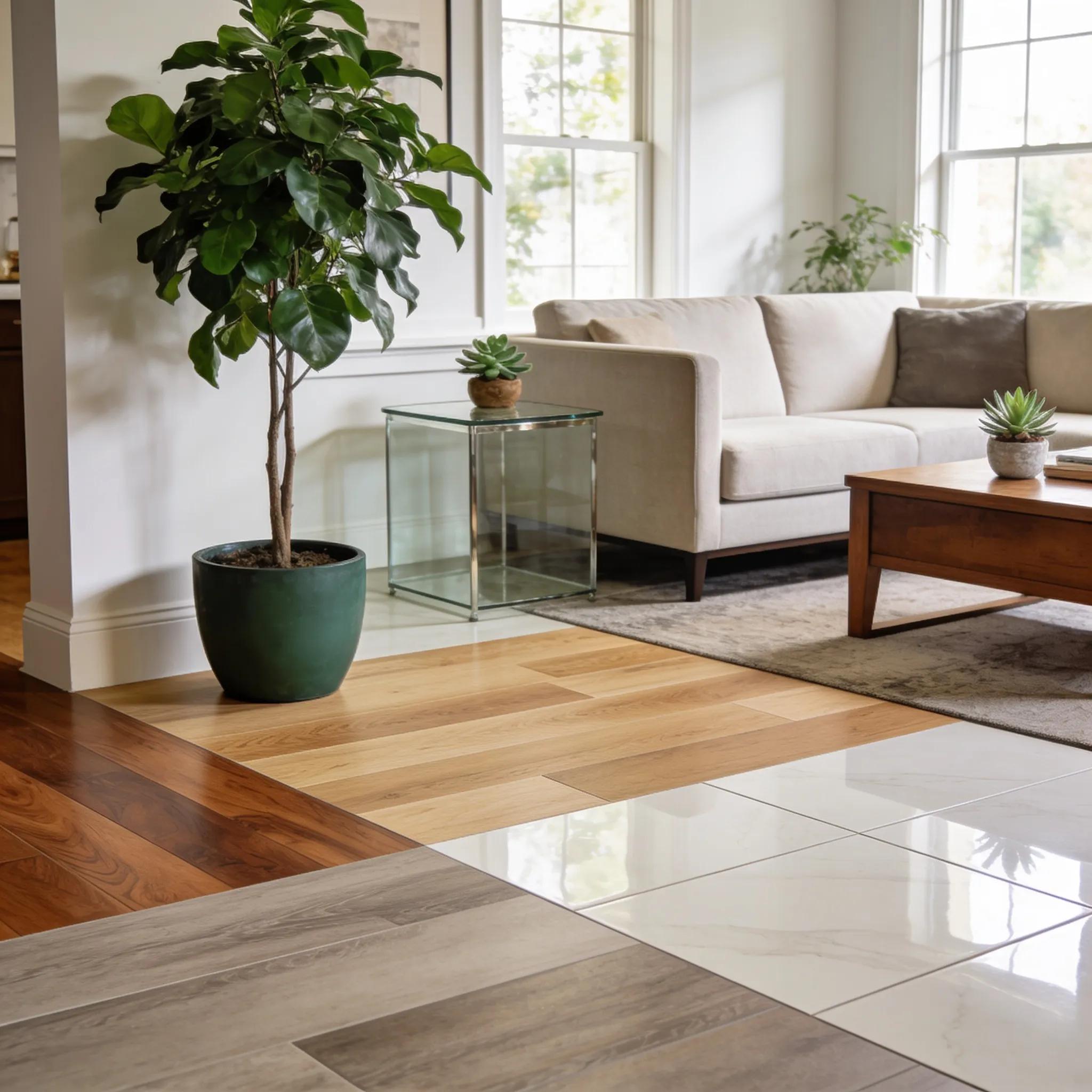
Renovating your home is exciting, and choosing flooring combines style with practical needs. Your choice affects appearance, lifespan, maintenance, and resale value. This guide summarizes key material types, installation cost ranges, eco-friendly options, and contemporary design ideas to help you decide.
Below we compare hardwood, laminate, vinyl, and tile, covering performance, upkeep, and where each material fits best.
What are the key differences between hardwood, laminate, vinyl, and tile flooring?
Each material has clear strengths and trade-offs. Hardwood offers timeless appeal and long-term value but requires regular care and occasional refinishing. Laminate mimics wood affordably but typically can’t be refinished. Vinyl provides strong water resistance and easy cleaning for busy or moisture-prone rooms. Tile is very durable and design-flexible but can feel cold and hard underfoot. Match material properties to your routine, budget, and style priorities.
Durability and maintenance of each flooring type.
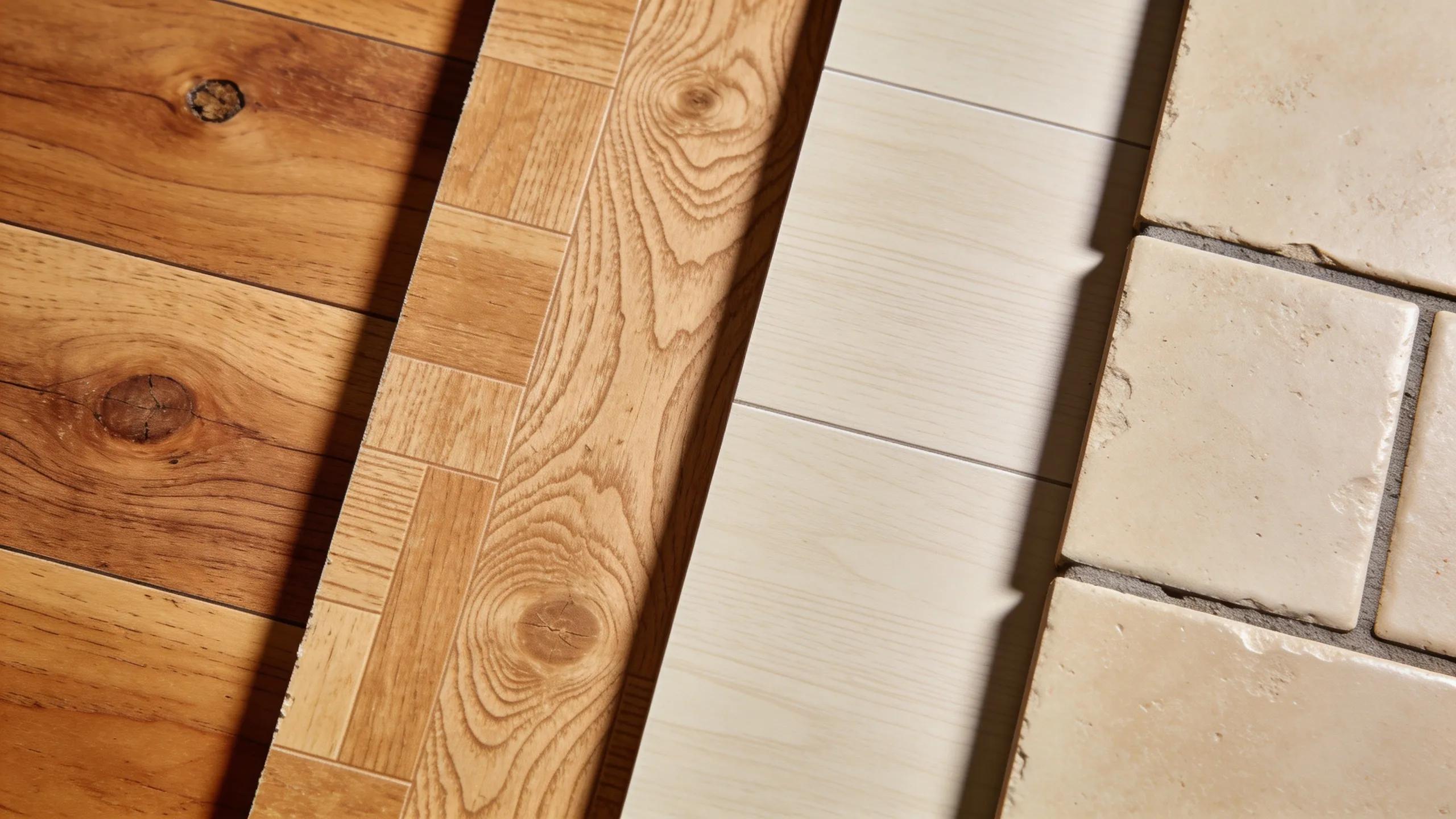
- Hardwood Flooring: Long-lasting with proper care; may need periodic refinishing to remove wear.
- Laminate Flooring: Scratch- and fade-resistant at lower cost; damaged planks generally require replacement.
- Vinyl Flooring: Water- and stain-resistant, easy to clean, good for high-traffic and wet areas.
- Tile Flooring: Extremely durable and water-resistant; grout maintenance is required to keep the finish fresh.
Cost analysis of each option.
Prices vary by grade and installation complexity. Hardwood is usually highest, laminate is budget-friendly, vinyl sits in the mid-range, and tile spans low to high depending on material and labor.
Innovative features in modern flooring.
New products include waterproof vinyl, tougher laminate constructions, and lines using recycled or responsibly sourced materials—letting you balance design and sustainability.
How much does flooring installation cost for various materials?
Budget both materials and installation. Typical ranges:
| Material | Cost per square foot | Durability |
|---|---|---|
| Hardwood Flooring | $8 - $15 | 50+ years |
| Laminate Flooring | $1 - $5 | 15 - 25 years |
| Vinyl Flooring | $2 - $7 | 10 - 20 years |
| Tile Flooring | $1 - $15 | 50+ years |
Ranges reflect material grade, installation difficulty, and regional labor rates.
Factors that influence overall installation costs.
- Material quality: Premium products raise both material and labor costs.
- Subfloor preparation: Leveling or repairs add time and expense.
- Labor costs: Skilled installers vary by region and project complexity.
Suggested savings methods for homeowners.
To lower costs: schedule work in slower seasons, consider DIY for small or simple rooms, and watch for supplier sales and promotions.
How do you select durable and eco-friendly floor coverings before renovating?
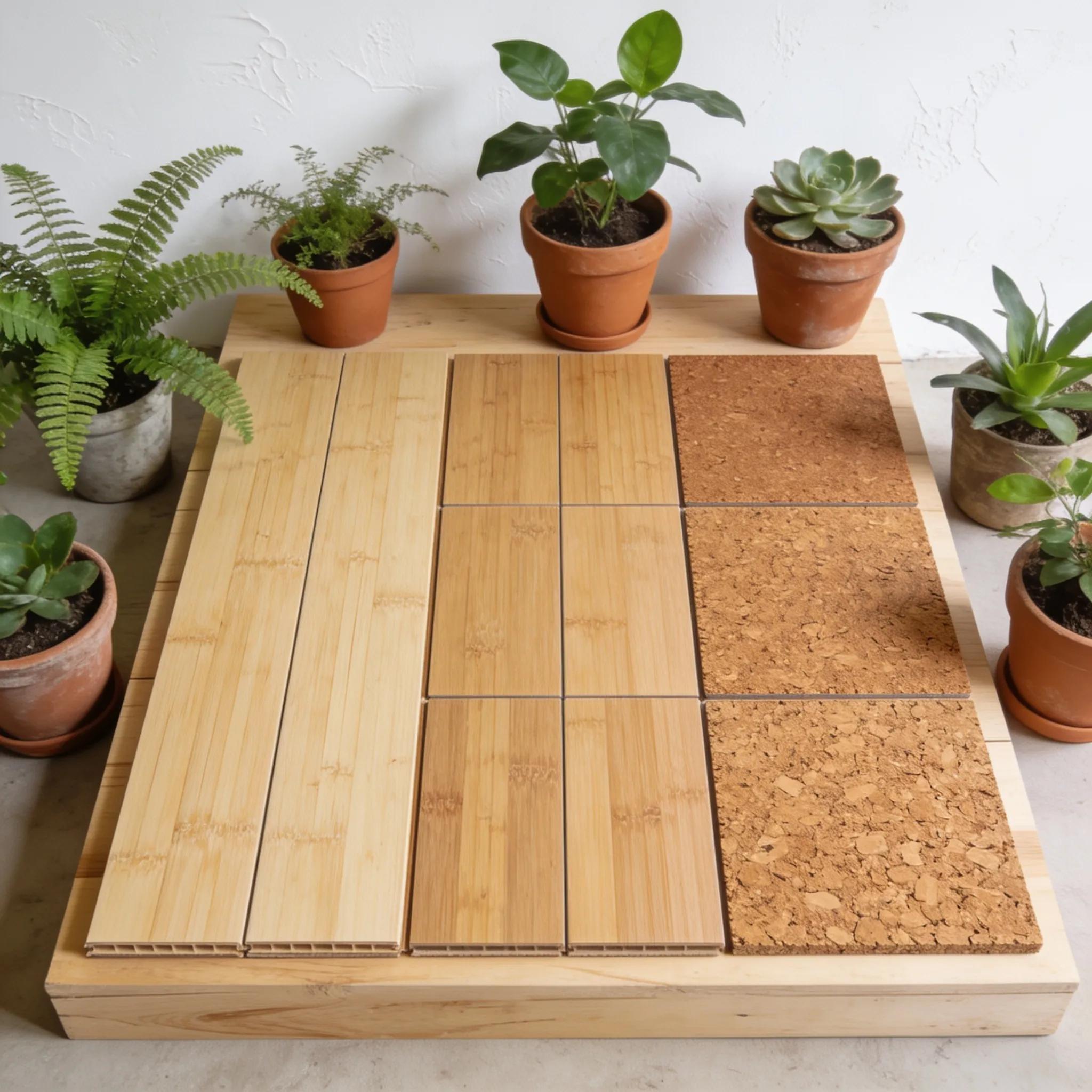
Balancing appearance with environmental impact is easier now: many options pair durability with lower resource use or recycled content.
Pros of eco-friendly materials.
- Sustainability: Options like bamboo, cork, and recycled-content tiles reduce environmental footprint.
- Health benefits: Low-VOC finishes and adhesives improve indoor air quality.
- Durability: Bamboo and cork can be resilient choices that perform well over time.
Consider full-life performance: durability, maintenance, and end-of-life disposal.
Assessment of durability versus aesthetic value.
Greener floors can still be stylish. Advances deliver textures and colors that match most décors while meeting sustainability goals.
Market availability of sustainable flooring.
Retailers and manufacturers now offer both budget and premium eco lines, often with clear labeling on materials and performance.
What are the top modern flooring design ideas for 2026 renovations?
Design trends favor practicality and visual impact—durable surfaces, comfort, and easy maintenance remain priorities.
Highlighting innovative floor designs.
- Large-format tiles: Fewer grout lines create a clean, modern look.
- Layered textures: Mixing materials adds depth in open layouts.
- Biophilic designs: Natural tones and materials bring a calming, outdoor feel inside.
Trends combining functionality with style.
Look for floors with easy-clean surfaces, scratch resistance, and moisture-proof options for active households.
Accessorizing options that enhance appearance.
Rugs, runners, and mats add color, soften hard floors, and update a room without a full replacement.
Understanding materials, costs, and design helps you pick floors that suit your lifestyle and home.
Frequently Asked Questions
1. What factors should I consider when choosing flooring for high-traffic areas?
Prioritize durability, scratch and stain resistance, and ease of cleaning; vinyl and tile are often good choices. Also factor in slip resistance and comfort where people spend time standing.
2. Are there eco-friendly options available for pet owners?
Yes. Bamboo and cork are resilient and easy to clean, and some vinyl products resist scratches and stains. Choose low-VOC finishes to protect indoor air quality.
3. How can I ensure proper installation of my chosen flooring material?
Hire experienced installers and check references. For DIY, follow manufacturer installation and acclimation instructions and ensure the subfloor is clean, dry, and level.
4. What are the latest trends in flooring designs for eco-conscious homeowners?
Reclaimed wood, bamboo, and tiles with recycled content are popular, along with natural patterns and large-format tiles that minimize grout lines.
5. How do different flooring types affect indoor air quality?
Emissions from materials and adhesives matter most. Hard surfaces are easier to keep dust-free; carpets can trap allergens. Choose low-VOC products and ventilate during and after installation.
6. Are there specific considerations for basement flooring?
Moisture resistance is critical—vinyl and tile perform well. Consider insulated underlayment for warmth and to reduce mold risk.
7. Can I combine flooring types in one space, and what are the benefits?
Yes. Mixing materials can define areas and match performance to use—tile for spill-prone zones and hardwood for warmth—while careful transitions keep the design cohesive.
The Flooring Conversation Worth Having Before You Renovate
Choosing the right flooring improves your home’s look, comfort, and value. From hardwood to eco-friendly options, weigh benefits, costs, and maintenance to find the best fit for your style and priorities.


