Some Flooring Never Gets Old. Here's Why.
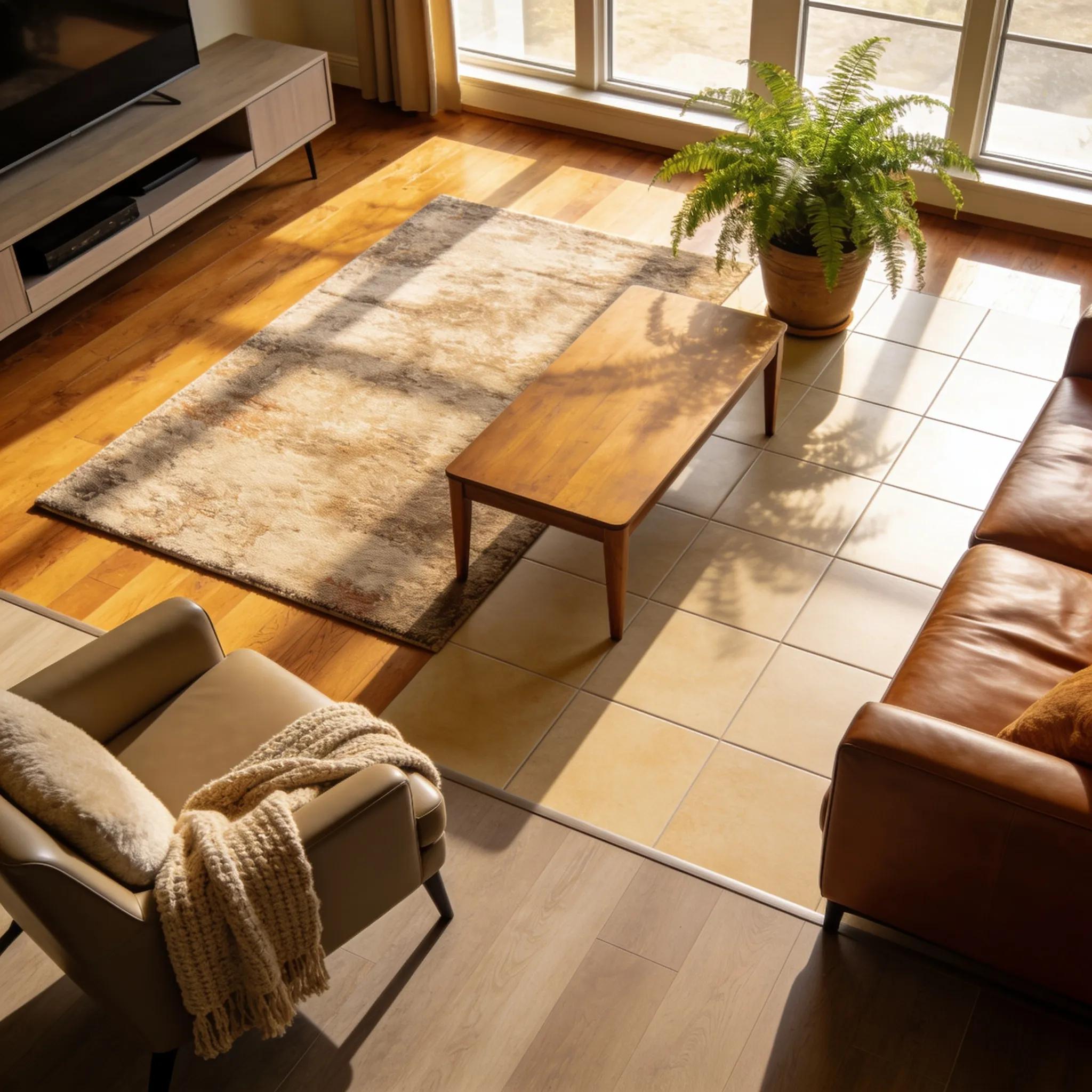
Flooring shapes both the look and function of a home. The material you choose affects how long floors hold up and how well they handle daily life. This guide explains why hardwood, tile, vinyl, and laminate remain dependable: what makes them durable, how to care for them, and accessories that extend their life. Use these tips to choose flooring that stays beautiful for years.
Which Flooring Materials Last the Longest?
Durability is a top priority for many homeowners — especially in busy, high-traffic areas. Hardwood, tile, vinyl, and laminate each bring strengths that resist wear: scratch resistance, moisture tolerance, and color stability. Understanding those traits makes it easier to match a material to your household needs.
Why Hardwood Holds Up Over Time
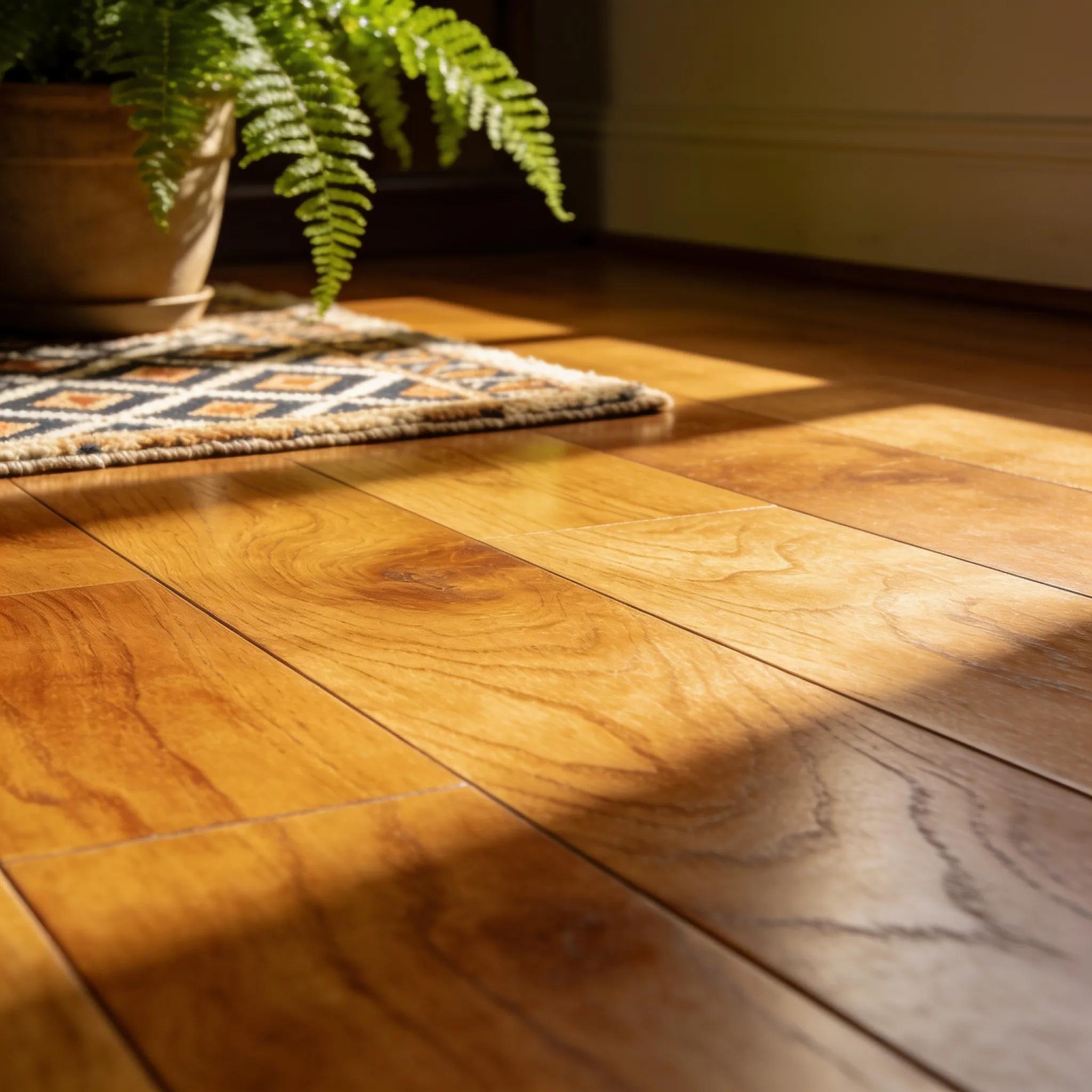
Hardwood is prized for its classic look and long lifespan. Species like oak, maple, and cherry vary in hardness and grain, but all offer durable surfaces that resist dents and scratches. With regular cleaning and periodic refinishing, hardwood floors can be refreshed instead of replaced. Their timeless appeal makes them a versatile fit for many interior styles.
Why Classic Tile Stands Up to Wear
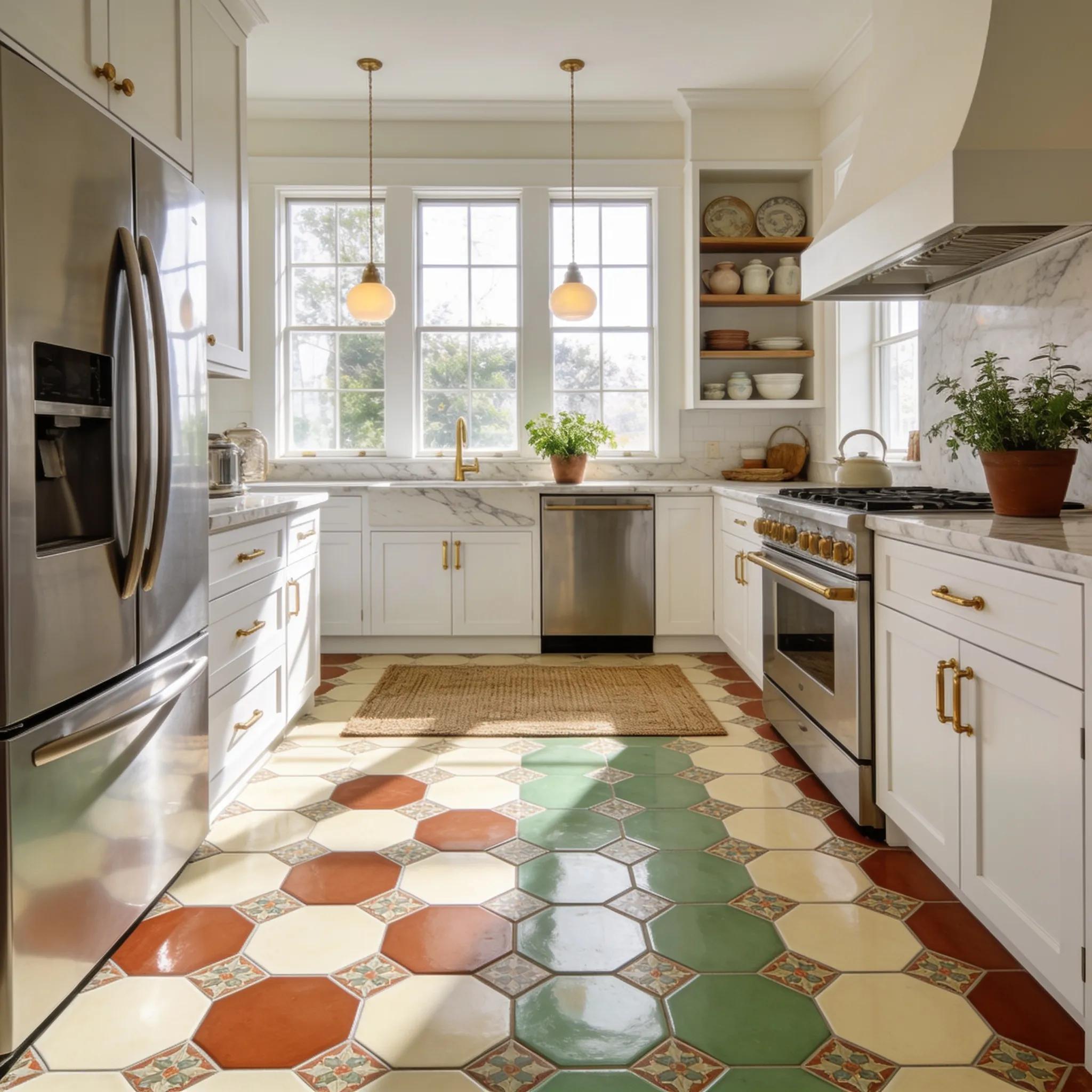
Tile — especially ceramic and porcelain — handles moisture, stains, and heavy use, which is why it’s a top pick for kitchens and bathrooms. Proper installation, grout, and sealing prevent water damage and keep tiles performing for decades. With countless styles and colors available, tile offers both longevity and design flexibility.
Why Vinyl and Laminate Are Practical and Timeless
Vinyl and laminate deliver durable performance at lower price points. They’re engineered to mimic wood or stone while adding resistance to everyday wear. Vinyl is especially water-resistant, making it ideal for moisture-prone rooms, while modern laminate includes protective layers that fight scratches and fading.
Key Features that Extend Vinyl’s Lifespan
Vinyl’s water resistance protects it from spills and humidity, so it works well in kitchens and bathrooms. Many products include a wear layer that shields against scuffs and scratches, keeping surfaces looking newer longer. Simple upkeep — regular sweeping and occasional mopping — is usually all vinyl needs.
How Laminate Blends Style and Strength
Laminate gives the look of hardwood or stone without the upkeep or price tag. Its multi-layer construction includes a wear layer that resists scratches and stains, making it a smart choice for busy families. Laminate stands up to heavy foot traffic while holding onto its visual appeal.
How Maintenance and Accessories Help Floors Last
The right care routine and a few smart accessories can extend your flooring’s life. Regular maintenance keeps surfaces protected, and targeted accessories reduce wear in trouble spots.
Essential Maintenance Tips for Long-Lasting Floors
To keep floors in top shape, follow these basic habits:
- Regular Cleaning: Sweep or vacuum often to remove grit that can scratch surfaces.
- Moisture Control: Use mats at entryways to trap water and reduce the risk of damage.
- Refinishing: For hardwood, refinishing restores the finish and protects the wood from wear.
Following these steps will help your floors look better and last longer.
Accessories That Protect and Enhance Your Floors
The right accessories add protection and polish:
- Area Rugs: Place rugs in high-traffic zones to reduce wear and add comfort.
- Floor Mats: Put mats by doors to catch dirt and moisture before it reaches the floor.
- Furniture Pads: Use pads under furniture legs to prevent scratches and dents on hardwood and laminate.
These simple additions shield your floors and boost your room’s overall look.
Best Flooring Choices for Long-Lasting Modern Homes
Today’s homeowners want floors that look great and stand up to daily life. Durable options that balance style, performance, and sustainability are popular — providing long-term value and lower environmental impact.
How Sustainable Flooring Options Compare
Renewable materials like bamboo and cork are gaining traction because they’re eco-friendly and durable. Bamboo can be as hard as traditional hardwood and stands up well to moisture. Cork offers resilience, natural insulation, and comfort underfoot. Both are solid choices for those who want longevity plus greener materials.
What to Consider When Choosing Flooring for Long-Term Value
When picking flooring that holds its value, weigh these factors:
- Budget: Set your budget and choose materials that give the best performance for your investment.
- Style Preferences: Pick a look that complements your home and that you’ll still enjoy years from now.
- Maintenance Needs: Match the maintenance level to your lifestyle so the flooring stays attractive with reasonable effort.
Considering these points helps you choose floors that are both beautiful and practical.
Frequently Asked Questions
What are the differences between hardwood, tile, vinyl, and laminate flooring in terms of installation?
Installation varies by material. Hardwood often needs nails or staples and a more involved installation. Tile requires precise layout, adhesive, and grout for a durable result. Vinyl planks and tiles frequently use click-lock systems that are DIY-friendly, while laminate usually locks together with tongue-and-groove joints for a quick install. Each method affects cost and complexity.
How do I choose the best flooring option for high-traffic areas?
For high-traffic spaces, focus on durability and wear resistance. Hardwood and tile are strong choices; luxury vinyl and high-quality laminate offer extra impact resistance and easier upkeep. Look for finishes and textures that hide scuffs — matte hardwood finishes or textured tiles, for example — to keep floors looking better longer.
Are there specific flooring types recommended for homes with pets?
Yes. Vinyl and laminate are pet-friendly because they resist scratches and are simple to clean. Tile also stands up well to accidents and won’t trap odors or stains. If you choose hardwood, pick harder species and durable finishes, and add area rugs to protect high-wear spots. Non-slip surfaces help keep pets safe.
What is the expected lifespan of different flooring materials?
Lifespan depends on material quality and care. Well-maintained hardwood can last 50 years or more. High-quality tile commonly lasts 20+ years. Vinyl typically lasts 10–20 years, while laminate often lasts around 15 years. Traffic, maintenance, and environment all influence these timelines.
Can I install new flooring over existing floors?
Sometimes. Laminate and many vinyl products can be installed over a level, stable subfloor. Hardwood usually requires removing the old floor for best results. Always have a flooring professional evaluate your current surface to ensure proper installation and longevity.
What maintenance practices are essential for maximizing the lifespan of flooring?
Keep a regular cleaning routine to remove dirt and grit, which cause scratches. Refinish hardwood as needed, seal tile grout to prevent stains, and use rugs or mats in high-traffic zones. Clean up spills quickly to avoid damage, particularly on materials like laminate and certain vinyl products.
Some Flooring Never Gets Old
Choosing durable flooring—hardwood, tile, vinyl, or laminate—adds lasting beauty and function to your home. With the right material, proper care, and a few protective accessories, your floors can remain attractive and resilient for years. Explore our range of premium flooring options to find the style and performance that fit your home today.


About The Author