Could Flooring Tell You When It Needs Replacing?
Warped boards, persistent water stains, and deep gouges signal that flooring needs replacing rather than repairing. Engineered wood flooring, built with multiple layers for durability, resists these issues longer than solid hardwood. Once the structural layers absorb moisture or crack, replacement becomes the only reliable fix for homeowners and landlords.
Key Takeaways
- Water damage, visible wear, and structural issues indicate flooring replacement needs immediately.
- Warping, staining, and gaps signal your floor requires professional replacement assessment.
- A professional assessment can confirm whether a floor is a candidate for repair or needs full replacement.
Is Water Damage Ruining Your Floor?
Water damage ranks among the clearest signals that a floor has reached the end of its working life. Dark spots, visible staining, or warping across boards point to moisture problems that demand quick action, not a wait-and-see approach. Ignoring these signs rarely makes them disappear; the damage tends to spread underneath the surface where it can't be seen.
Wood flooring reacts badly to sustained moisture exposure. Planks swell and twist out of shape, leaving behind an uneven surface that creates a genuine trip hazard in busy households. Landlords managing rental properties face an added complication: a warped floor left unaddressed can escalate into a liability issue well before a tenant ever reports it.
What causes water damage in flooring?
Spills, leaks, and poor cleaning habits sit behind most water damage cases. Flooding a floor during routine cleaning pushes excess moisture into seams. It seeps beneath the surface and causes lifting over time.
How can water damage be prevented?
Light, consistent care does more to protect a floor than occasional deep cleans. A barely damp microfiber mop, used once or twice a week, keeps surfaces clean without introducing the excess moisture that leads to lifting and long-term damage.
For renovators and landlords inspecting older properties, a few checks help separate a floor worth saving from one that isn't:
- Press on suspected damp areas to check for softness or give
- Look for discoloration that spreads rather than staying fixed
- Check skirting boards and corners for warping or gaps
Newer smart flooring systems now build in sensors that flag rising moisture levels early, supporting a form of predictive maintenance that catches problems before swelling and warping set in, a development worth watching for anyone weighing repair against full replacement.
What Does Visible Damage Really Mean?
Cracked tiles, chipped edges, broken planks, and deep scratches signal that a floor has moved past cosmetic wear into structural trouble. These marks rank among the clearest indicators that flooring needs replacing rather than another round of touch-ups. Property renovators often underestimate how quickly scattered damage spreads once a surface layer breaks down.
Not every mark means a full replacement, though. Minor scuffs or a single chipped tile can sometimes be repaired on their own. Widespread cracking, multiple broken boards, or damage across several rooms usually points to a floor that has reached the end of its usable life.
Visible damage typically falls into a few recognizable categories:
- Cracks or fractures running through tile or plank surfaces
- Chipped or splintered edges along joints and doorways
- Broken or warped planks that shift underfoot
- Deep scratches that expose the subsurface beneath the finish
How Can Landlords Tell Surface Wear From Structural Failure?
Engineered wood illustrates the distinction well. Its multi-layered construction is built to handle high-traffic zones like hallways and living rooms. Light surface scuffing doesn't necessarily mean the plank has failed structurally. Landlords should check whether damage stays confined to the top layer or runs through to the core. The latter usually confirms replacement is the only practical route.
Some newer installations now pair flooring with embedded sensors, part of a broader shift toward smart flooring systems. These sensors feed data used for predictive maintenance, flagging moisture or pressure changes before cracks or warping become visible to the eye. For most existing homes, though, a visual and tactile inspection remains the practical standard.
Once damage is confirmed beyond repair, replacement options span herringbone, engineered wood, vinyl (LVT), laminate, solid oak, and SPC click vinyl. Where a floor turns out to be irreparable, a full replacement can usually be arranged without excessive delay.
Could Scratches Signal a Bigger Problem?
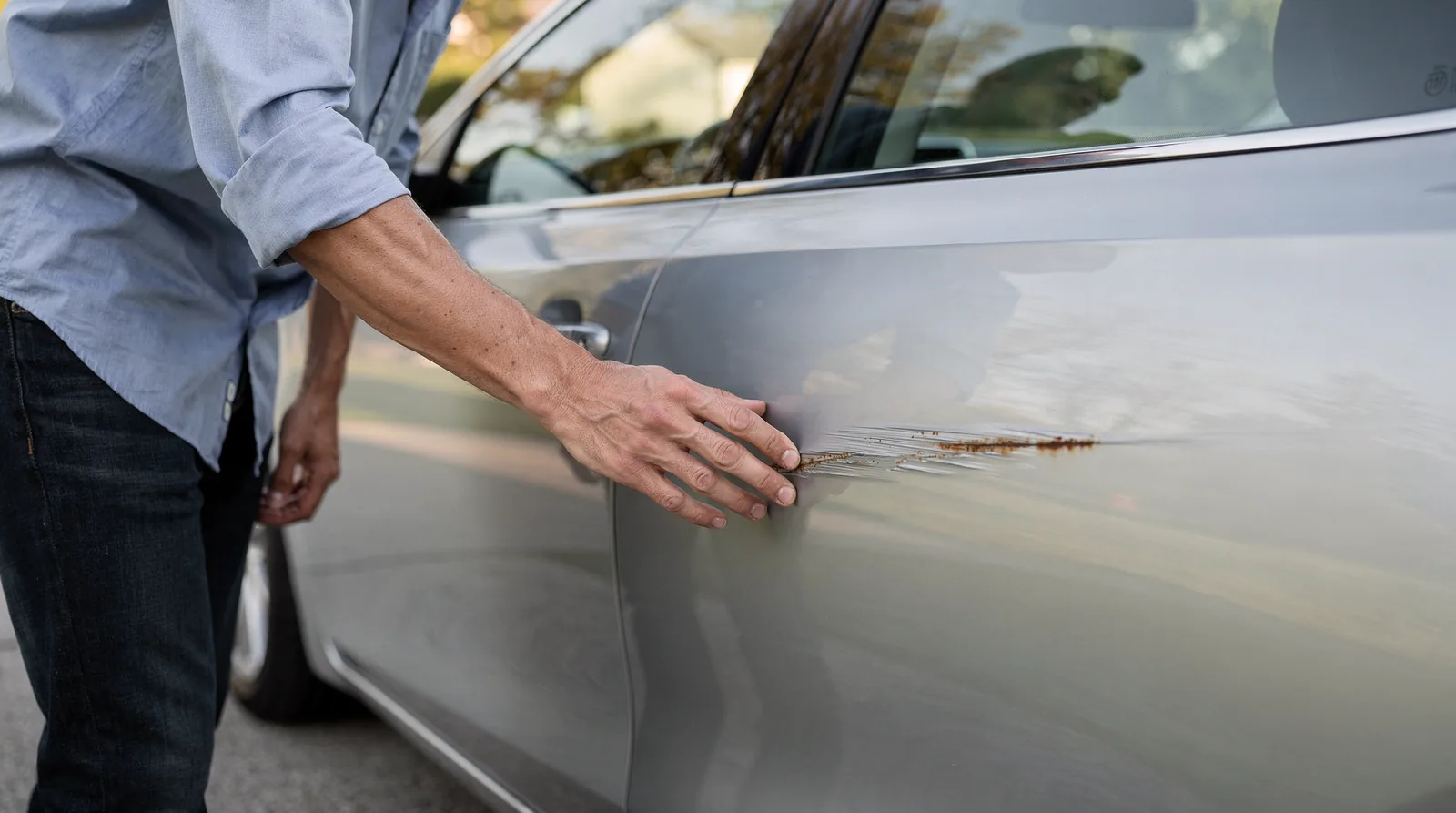
Surface scratches rarely mean a floor has failed. Entryways, kitchens, and homes with children or pets pick up this kind of wear constantly, and most of it stays purely cosmetic. Persistent marking in the same spot tells a different story. Repeated scuffing there often points to wear running deeper than the finish coat, particularly where foot traffic concentrates day after day.
Telling cosmetic marks apart from structural wear starts with checking how far the damage actually reaches:
- Light scratches sitting only within the top finish layer
- Marks exposing bare wood or a different shade underneath
- Grooves deep enough to catch a fingernail
- Scuffs that return to the same spot soon after cleaning
Once scratching crosses from the finish into the wood itself, the flooring's structure matters far more than its surface appearance.
Does engineered wood flooring resist scratching better than solid hardwood?
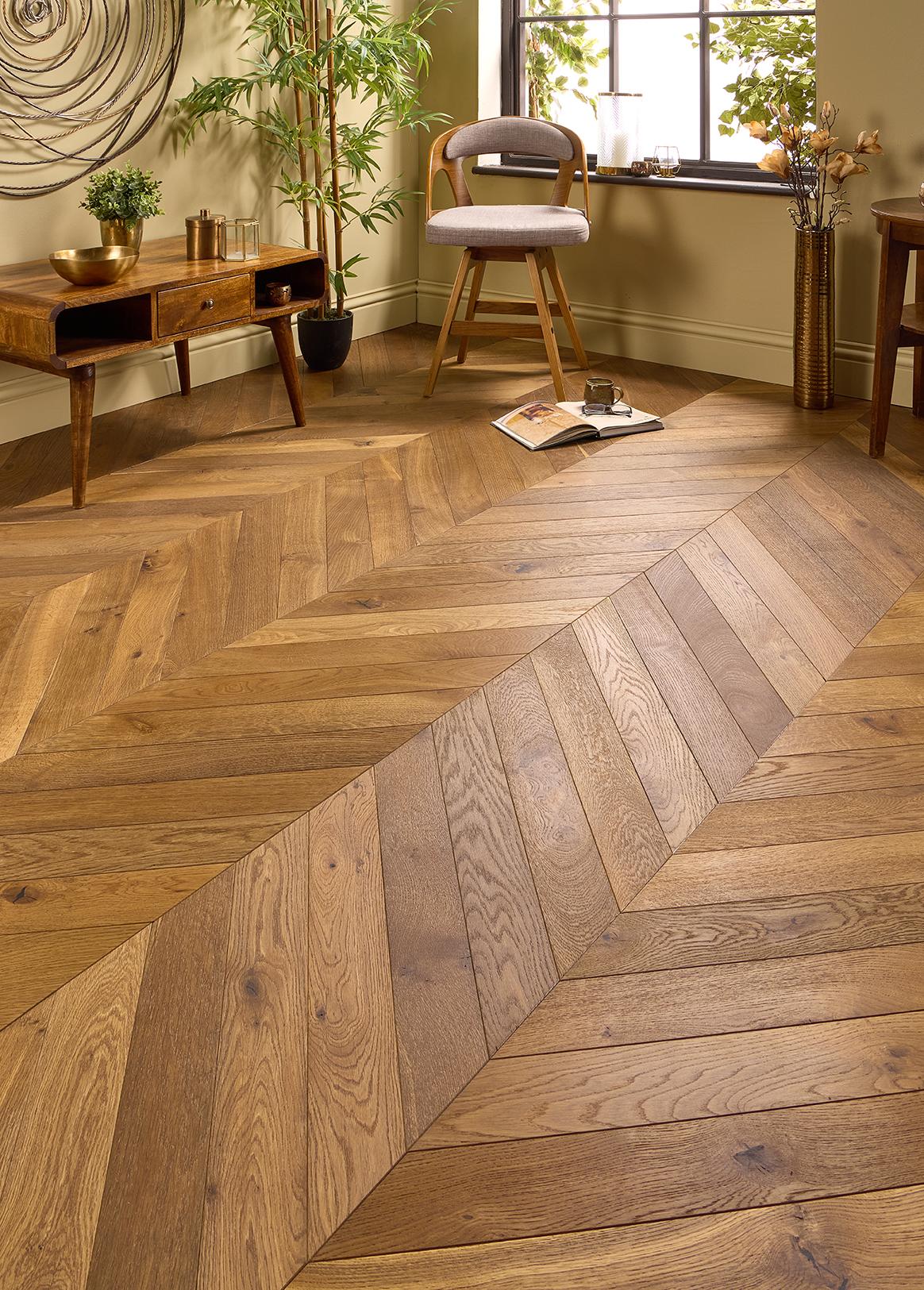
Engineered wood flooring stands out as the most popular form of real wood flooring, largely because it pairs an authentic timber appearance with sturdier performance than solid hardwood. Its layered construction gives it greater stability under daily pressure, which helps it shrug off the kind of wear that gradually works into softer, single-layer boards.
Why do herringbone floors tend to hold up against repeated scuffing?
Herringbone designs built on an engineered base combine a genuine oak veneer with a supportive layer beneath it. That structure delivers notable durability and stability. The surface pattern keeps its character even in rooms that see heavy daily use.
Is Vinyl Flooring Still Worth Saving?
Vinyl flooring stays worth saving when the damage is cosmetic rather than structural. Homeowners and landlords often prize vinyl for its balance of comfort, style, and practicality, a combination that makes repair a serious alternative to ripping the whole floor out. That value only holds, though, if the surface still responds to cleaning and care rather than hiding deeper subfloor problems.
Routine maintenance separates a floor worth keeping from one that's quietly failing. Vinyl needs the same ongoing attention as any other surface in a property, and skipping it accelerates the kind of wear that eventually forces replacement. Correct cleaning methods extend vinyl's lifespan and preserve its original sheen without causing accidental damage during the process.
How Can You Tell If Vinyl Damage Is Still Repairable?
Surface-level issues, scuffs, dullness, minor staining, usually respond to proper cleaning. Deeper problems point toward replacement instead:
- Discoloration that persists after cleaning
- Soft or spongy patches underfoot
- Curling or lifting at the seams
Smart flooring systems fitted with sensors increasingly support predictive maintenance, flagging moisture or pressure changes beneath vinyl before visible damage appears, giving property owners a head start on repairs.
Do Spills Shorten Vinyl's Lifespan?
Accidents concentrate in hallways and kitchens more than anywhere else in the home. Reacting quickly to spills prevents the kind of saturation that pushes a repairable floor past the point of saving.
When Should You Choose Full Replacement?
Full replacement makes sense once damage reaches the subfloor, moisture keeps returning, or daily comfort has clearly dropped. A floor that no longer holds up through busy mornings, family gatherings, and pets around the house points to a structural problem, not a cosmetic one. Patching that kind of wear only delays a decision that's already been made for you.
Several conditions tip the scale toward starting fresh rather than repairing:
- Water exposure that has already warped boards or lifted tiles more than once
- Persistent cold floors or noise transfer, often a sign of poor subfloor insulation
- Surface wear that clashes with the room's intended style or finish
- Heavy daily footfall from children, pets, or home-working routines
Opting for a thicker replacement board can noticeably improve insulation, keeping rooms warmer and quieter than before. Individually crafted planks also showcase natural wood texture. Color variation, a detail worth weighing when selecting a finish for the new floor. Engineered wood's build and durability, originally suited to high-footfall commercial spaces like cafes and shops, hold up equally well against the daily demands of a busy household.
Can full replacement improve long-term monitoring?
Replacing a floor gives property owners a chance to install smart flooring, where embedded sensors track moisture, temperature, or pressure changes beneath the surface. This supports predictive maintenance, flagging early signs of damage before they spread into costly repairs.
Is replacement worth it for rental properties?
Landlords dealing with repeated tenant turnover often find replacement more cost-effective than ongoing patch repairs. Durability-focused flooring options suited to high-traffic rental use can help avoid repeat callouts between tenancies.
FAQ
What are the clearest signs flooring needs replacing?
Water damage, visible wear, and structural issues indicate flooring replacement needs immediately. Warped boards, persistent water stains, deep gouges, cracked tiles, and broken planks all signal replacement rather than repair.
Does all visible damage mean a floor needs full replacement?
Not always. Minor scuffs or a single chipped tile sometimes get repaired on their own.
How can I get help assessing my flooring?
A flooring professional can inspect the subfloor, boards, and finish to determine whether repair or full replacement is the right route for a given property.
Conclusion
In closing, recognizing these signs early prevents further structural damage and costly repairs down the line. Visible wear, water damage, movement, and sound issues all indicate flooring has reached the end of its serviceable life. Acting on these warning signals protects both the integrity of the subfloor and the safety of occupants, making replacement a practical investment rather than a cosmetic choice.