


If Floors Could Talk, Which Stories Would They Tell?
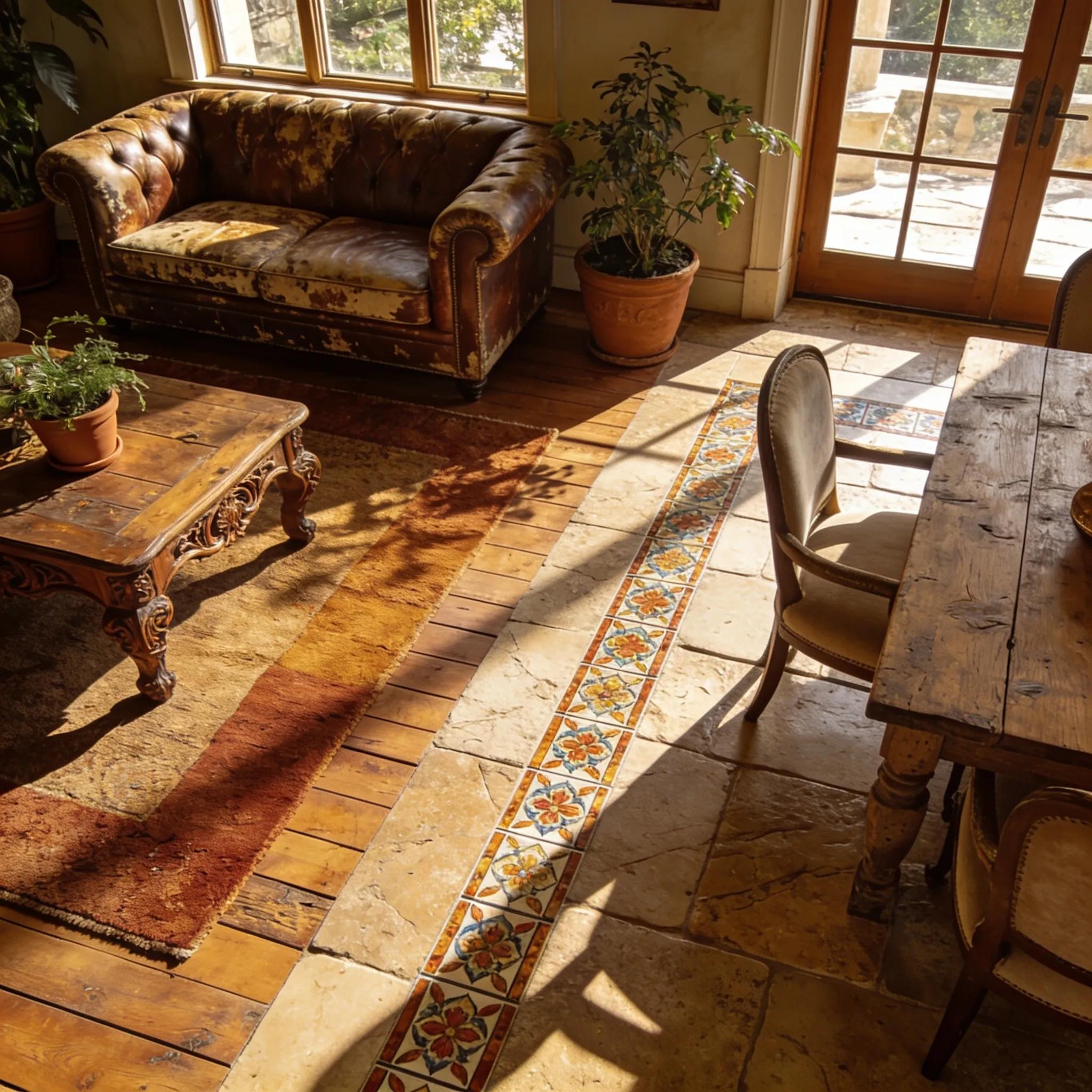
Floors are often the quiet storytellers of our homes — easily overlooked, but rich with history and feeling. From the worn patina of aged wood to the precise lines of tile, each surface carries echoes of culture, craft, and the people who walked across it. This piece traces the stories behind famous floors, the shifts in materials over time, and how flooring choices shape the mood and value of a house. By looking at these histories and emotions, homeowners can choose floors that reflect their own stories and lift the character of their spaces.
What Stories Do Famous Historical Floors Tell About Their Time?
Historical floors do more than support weight: they record taste, technology, and social order. Iconic floors reveal the skills of makers, the priorities of their patrons, and the aesthetic ideals of an era.
Which Are the Most Iconic Floors in History and Their Significance?
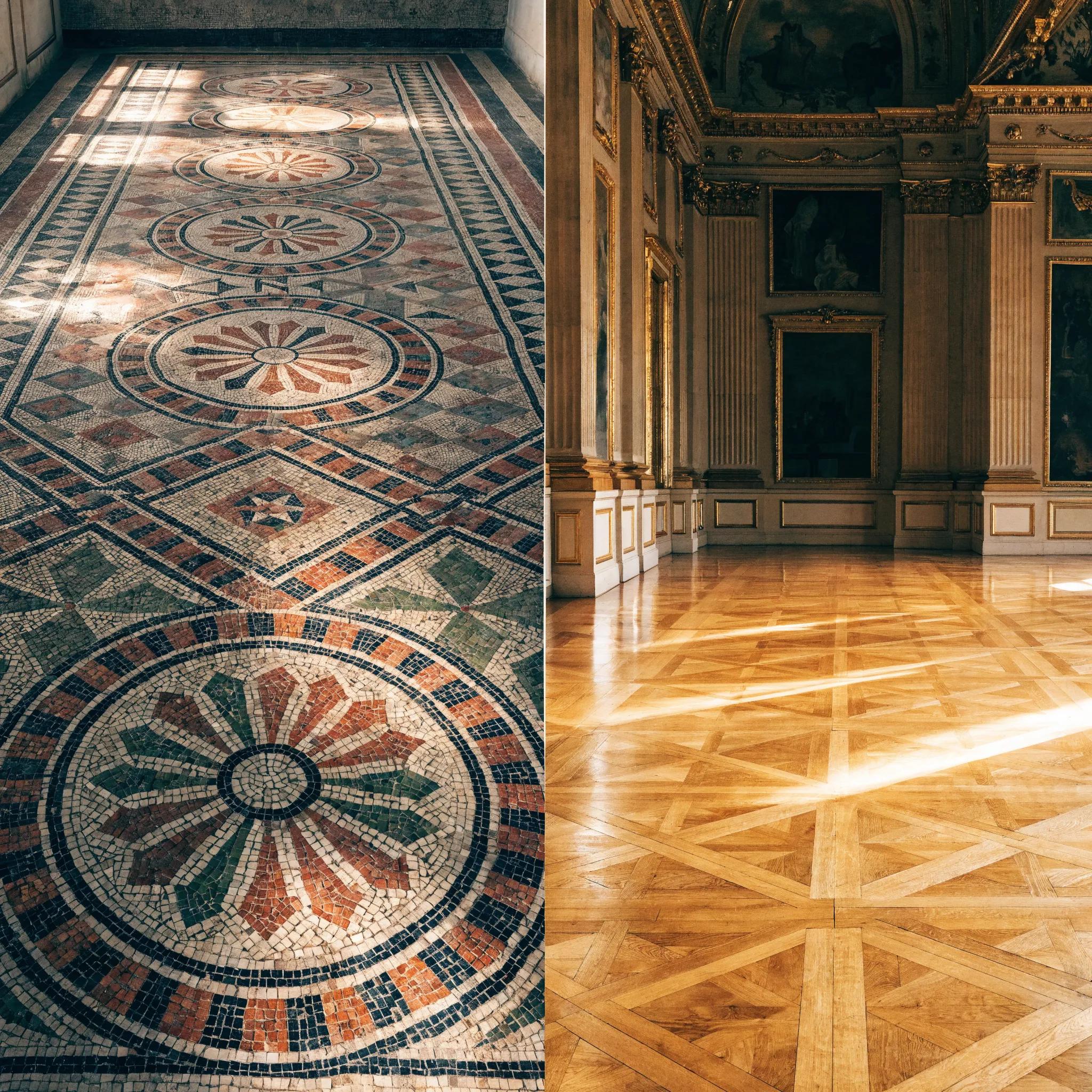
Consider the mosaics of Roman villas — tiny tesserae arranged into mythic scenes or lush landscapes, signaling wealth, education, and a taste for storytelling in stone. Or look to the parquet floors of Versailles: complex wood patterns that announced royal power and the era’s devotion to craftsmanship. These floors were practical surfaces but also visual statements, signaling status, belief, and the technological possibilities of their time.
How Did Flooring Materials Reflect Historical Periods and Cultures?
Materials often mirror a society’s resources and ambitions. Stone suggested permanence and monumental intent in ancient public buildings; ceramics and glazes spread with trade and reflected local aesthetics in the medieval period; timber signaled warmth and craft where forests and woodworking traditions were strong. Each material choice offers a snapshot of technology, economy, and cultural preference.
How Have Flooring Materials Evolved and Influenced Home Design?
New materials and methods have repeatedly reshaped how interiors are planned and experienced. Advances in production, finishing, and installation expanded design possibilities and changed the practical functions floors could serve.
What Is the History of Common Flooring Materials Like Wood, Tile, and Stone?
Wood has been prized for millennia for its warmth, availability, and versatility — from heirloom timber in grand houses to simple plank floors in vernacular homes. Tile rose to prominence in regions with strong ceramic traditions and trade networks, prized for durability and patterning. Stone has long been used where permanence and prestige were desired, carving out spaces meant to endure. Each material carries both practical and symbolic weight in design history.
How Do Unique Floor Patterns and Craftsmanship Tell Stories?
Patterns such as herringbone, chevron, or intricate inlaid motifs do more than decorate: they demonstrate a maker’s skill and often reference local traditions or wider design movements. A restored geometric parquet or a hand-laid mosaic connects a room to a lineage of techniques and aesthetic choices, enriching a space with layered meaning.
What Emotional Impact Does Flooring Have in Home Renovation Stories?
Flooring sets the tone for how a home feels and how people move through it. Choices about material, color, and texture shape emotional responses — comforting, formal, bright, intimate — and can transform how a space is lived in.
How Do Flooring Choices Affect the Atmosphere and Value of a Home?
The right floor can change everything: hardwood often reads as warm and timeless, creating a sense of continuity; polished tile can make a room feel clean and contemporary; natural stone can lend a sense of luxury and permanence. Beyond mood, quality flooring can also increase market appeal and resale value, so balancing aesthetics with durability and maintenance is key.
What Are Inspiring Examples of Vintage Floor Restoration and Design Inspiration?
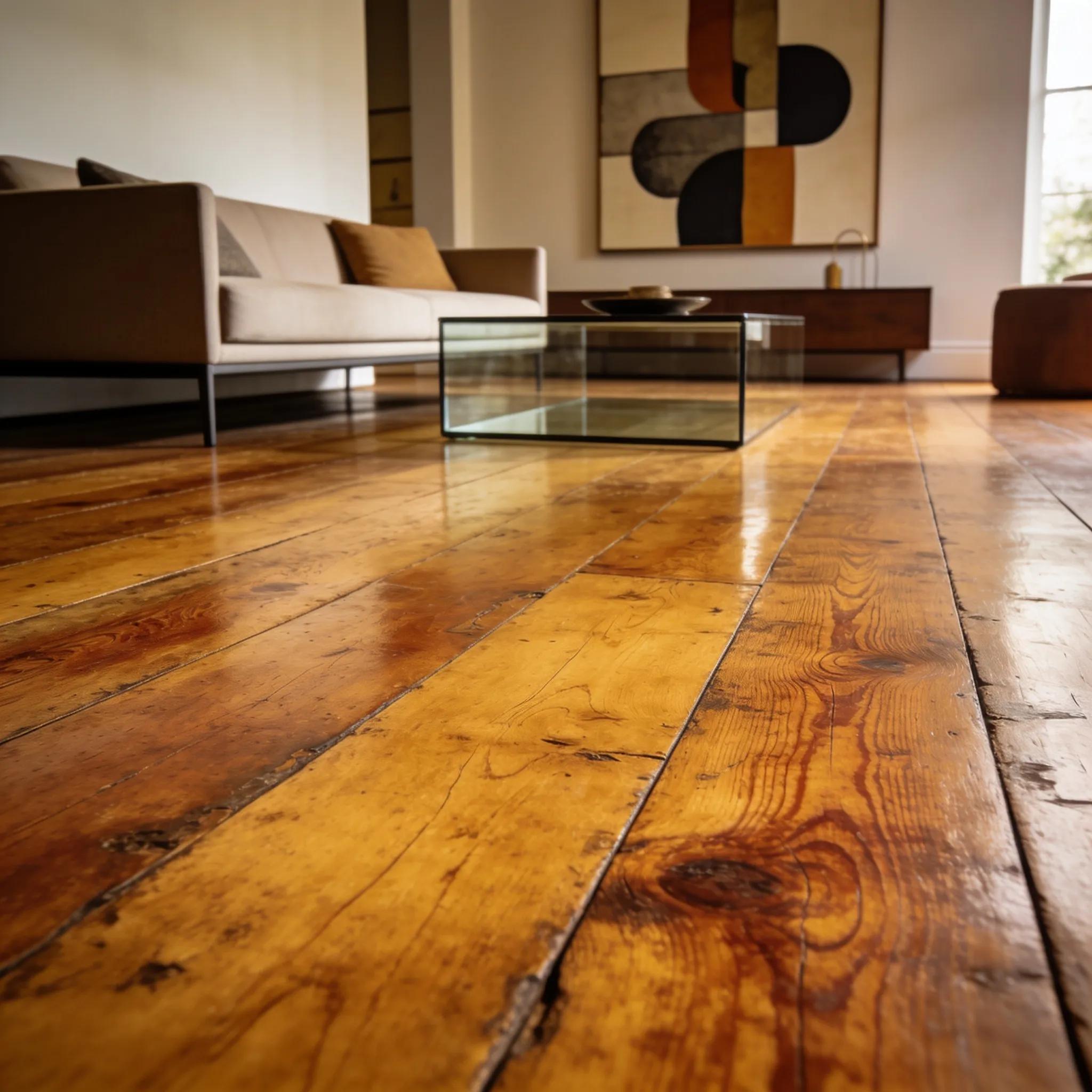
Restoration often uncovers the unexpected: sanding back layers to reveal rich grain, repairing centuries-old tiles to bring patterns back into view, or re-laying planks to honor an original layout. These projects preserve history while giving rooms renewed personality, proving that old materials can be both practical and emotionally resonant in modern design.
Wood Flooring: Psychological Impact and Emotional Response
A study of public perceptions of wood in interior settings examined whether wood-based environments influence mood and psychological well-being. Conducted with 119 participants from the Greater Vancouver Regional Area, the research consisted of four sections, with most subjects completing three. Participants answered questions about indoor environments, furnishings, and perceptions of wood products. The study’s primary aims were to determine whether wood environments affect emotional states and psychological health, to identify any demographic differences (e.g., age, culture, gender) in responses, and to assess whether emotional reactions to interior wood products might be leveraged to inform healthier indoor design.An analysis of interior wood products and their psychological impact, 2004
| Flooring Material | Historical Significance | Cultural Reflection |
|---|---|---|
| Wood | Common in historic homes and castles | Connotes warmth, tradition, and craft |
| Tile | Widespread in the Middle Ages | Signals trade, durability, and artisanal skill |
| Stone | Used in monumental and luxury spaces | Represents permanence and status |
The shifting use of flooring materials underscores how design and culture intertwine. Recognizing these links can help homeowners select floors that both honor history and reflect personal taste.
Frequently Asked Questions
What factors should I consider when choosing flooring for my home?
Think about durability, maintenance, style, and comfort. Match material to room function (high-traffic areas need hard-wearing surfaces), consider climate effects like humidity, and factor in pets or children. Also weigh installation complexity and long-term care when deciding what’s right for your life and budget.
Can flooring impact home resale value?
Absolutely. Well-chosen, well-maintained flooring — especially classic options like hardwood or quality tile — tends to appeal to buyers and can boost resale value. Conversely, worn or outdated floors can lower interest or require concessions at sale time.
How can I maintain and care for different types of flooring?
Care varies by material: sweep and refinish hardwood as needed; clean tile and grout regularly and reseal grout when appropriate; use suitable cleaners for stone to avoid damage. Always follow manufacturer recommendations to prolong a floor’s life.
What are some eco-friendly flooring options?
Consider bamboo, cork, reclaimed wood, and responsibly sourced timber (look for FSC certification). These choices can reduce environmental impact while offering distinctive looks and performance benefits.
How do flooring trends change over time?
Trends shift with lifestyle and technology: open-plan living boosted demand for continuous flooring options; new manufacturing methods have made durable, affordable materials more attractive. At the same time, historical styles and artisanal techniques often return, so timeless choices remain valuable.
What role does lighting play in the look of my flooring?
Lighting dramatically affects color and texture: natural light can reveal a floor’s warmth and grain, while artificial light alters tone and reflection. Lighter floors make spaces feel larger and brighter; darker floors add depth and intimacy. Consider how light changes throughout the day when selecting a finish and color.
If Floors Could Talk, Which Stories Would They Tell?
Floors carry history, craft, and feeling into every room. Understanding the cultural and emotional stories embedded in materials helps you choose floors that support both your design goals and daily life. Whether you restore an original surface or select something new, let history and personal meaning guide your choices — and explore our curated selection of flooring options to find pieces that speak to your style and story.


