


How To Spot a Flooring Trend Before It Peaks
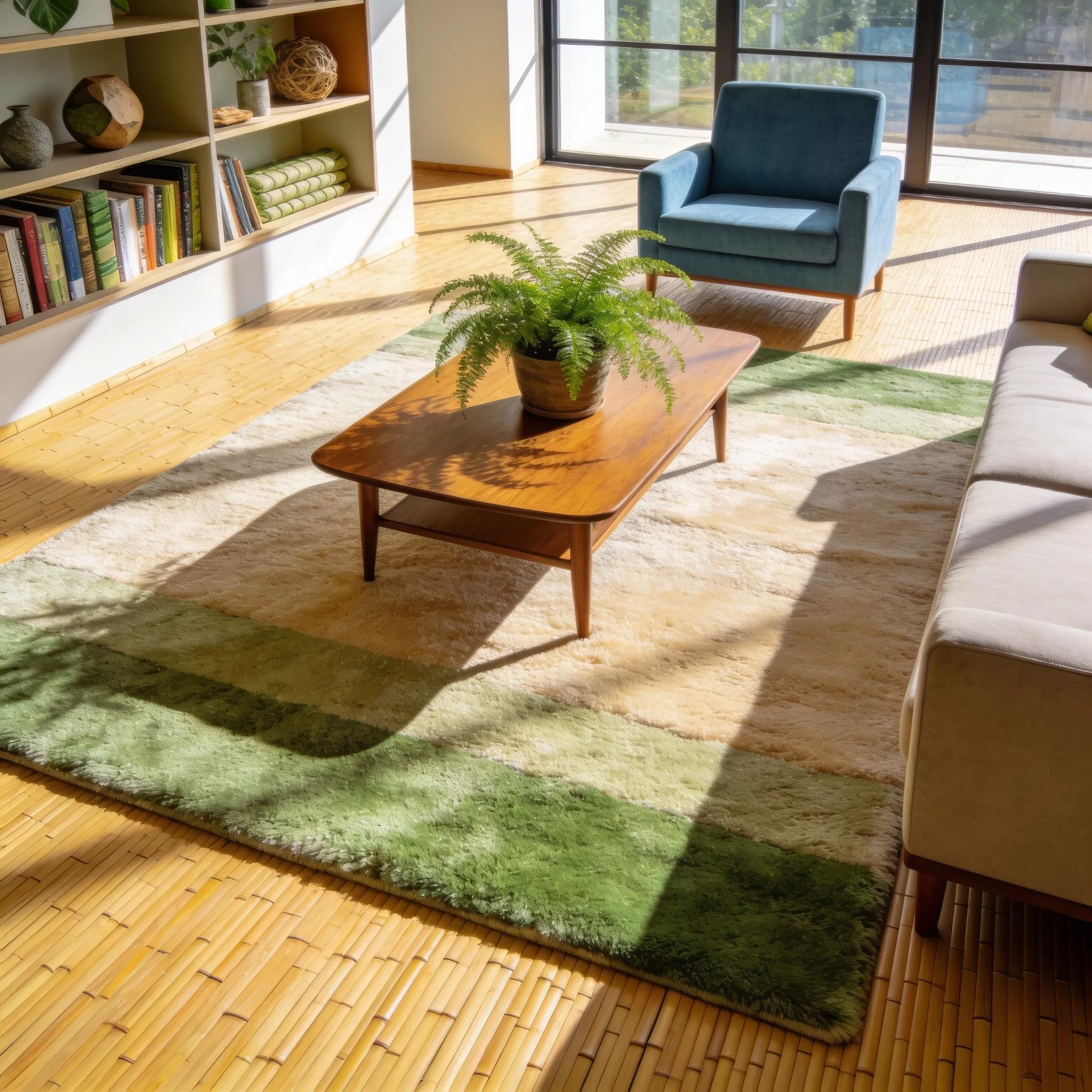
Interior design keeps shifting—sometimes slowly, often unpredictably. Spotting flooring trends early lets you make wiser design choices and seize market opportunities. This article maps the materials, styles, and tech likely to shape 2026—emphasizing sustainability, timeless looks, and practical innovation. You’ll get clear techniques for spotting trends early, learn what drives buyer behavior, and see how to incorporate popular looks into real spaces. With these insights, you can plan smarter and design with confidence.
Which Flooring Materials Are Driving 2026’s Trends?
New flooring choices reflect a strong push for eco-friendly solutions and smarter performance. In 2026, expect materials that balance durability, low environmental impact, and refined aesthetics. Traditional categories—hardwood, vinyl, laminate, and tile—are evolving through technical improvements and greener sourcing to meet consumer demand for style and sustainability.
Which materials blend style and sustainability in 2026?
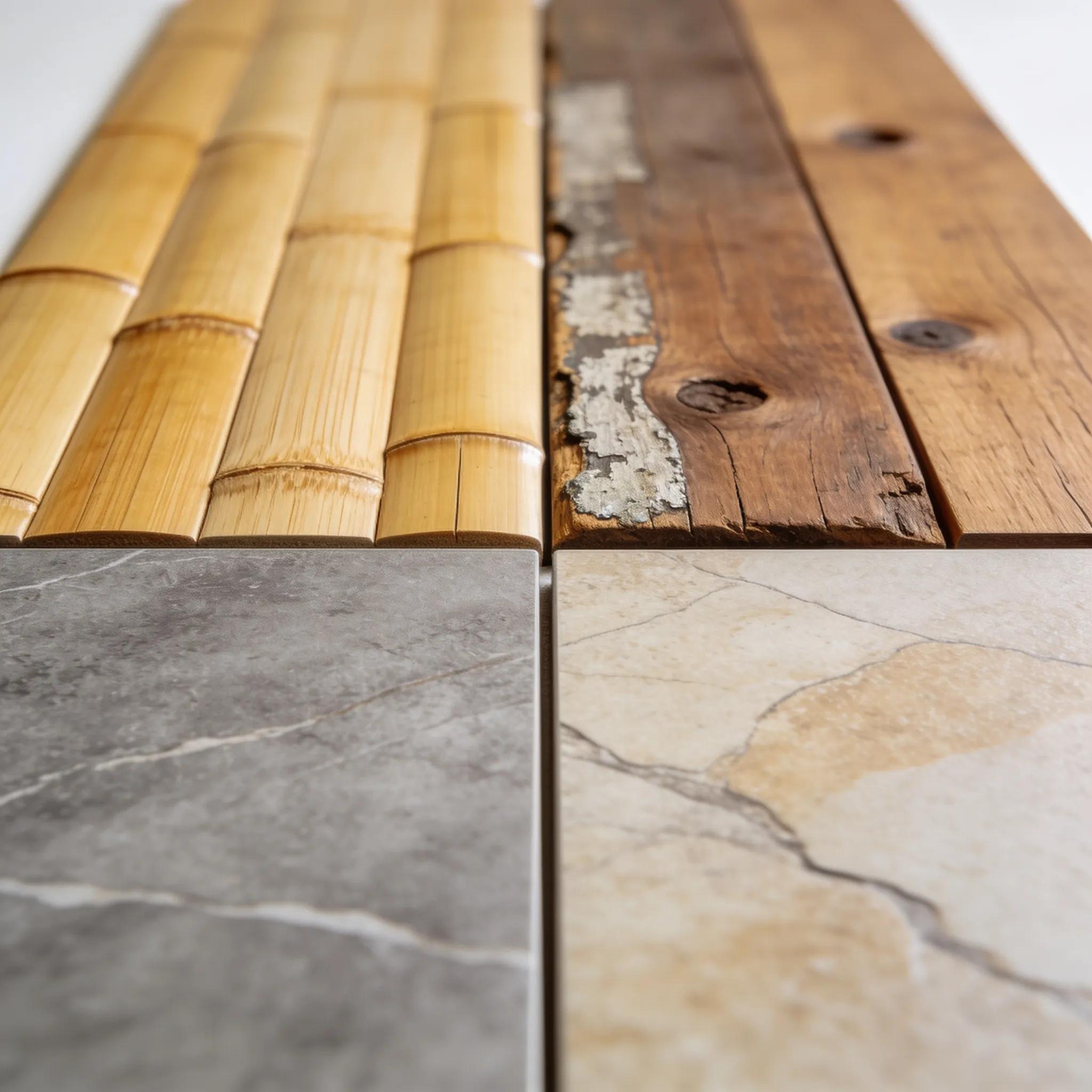
Several materials stand out for pairing look and responsibility. Bamboo flooring is rising in popularity thanks to its fast renewability and warm grain. Reclaimed wood brings character and a smaller footprint, giving interiors unique patina and history. Luxury vinyl tile (LVT) continues to impress by convincingly replicating natural textures while offering water resistance and long-term durability—making it a go-to for many projects.
How do innovations in hardwood, vinyl, laminate, and tile predict trend adoption?
Product innovations often foreshadow what buyers will prefer. Engineered hardwood keeps the natural appeal of wood but adds dimensional stability and better moisture tolerance, widening its installation options. Waterproof laminate and enhanced vinyl surfaces answer the need for low-maintenance, high-traffic solutions. These improvements make classic looks more practical, helping trends move from niche to mainstream faster.
How to Predict Flooring Trends Early: Proven Techniques
Knowing how to read early signals around "flooring trends" helps you invest in styles before they peak. Trend forecasting relies on social cues, buying patterns, and data-driven tools. By watching these indicators, designers and homeowners can choose materials that will stay relevant and desirable.
What consumer behaviors and social media signals indicate upcoming trends?
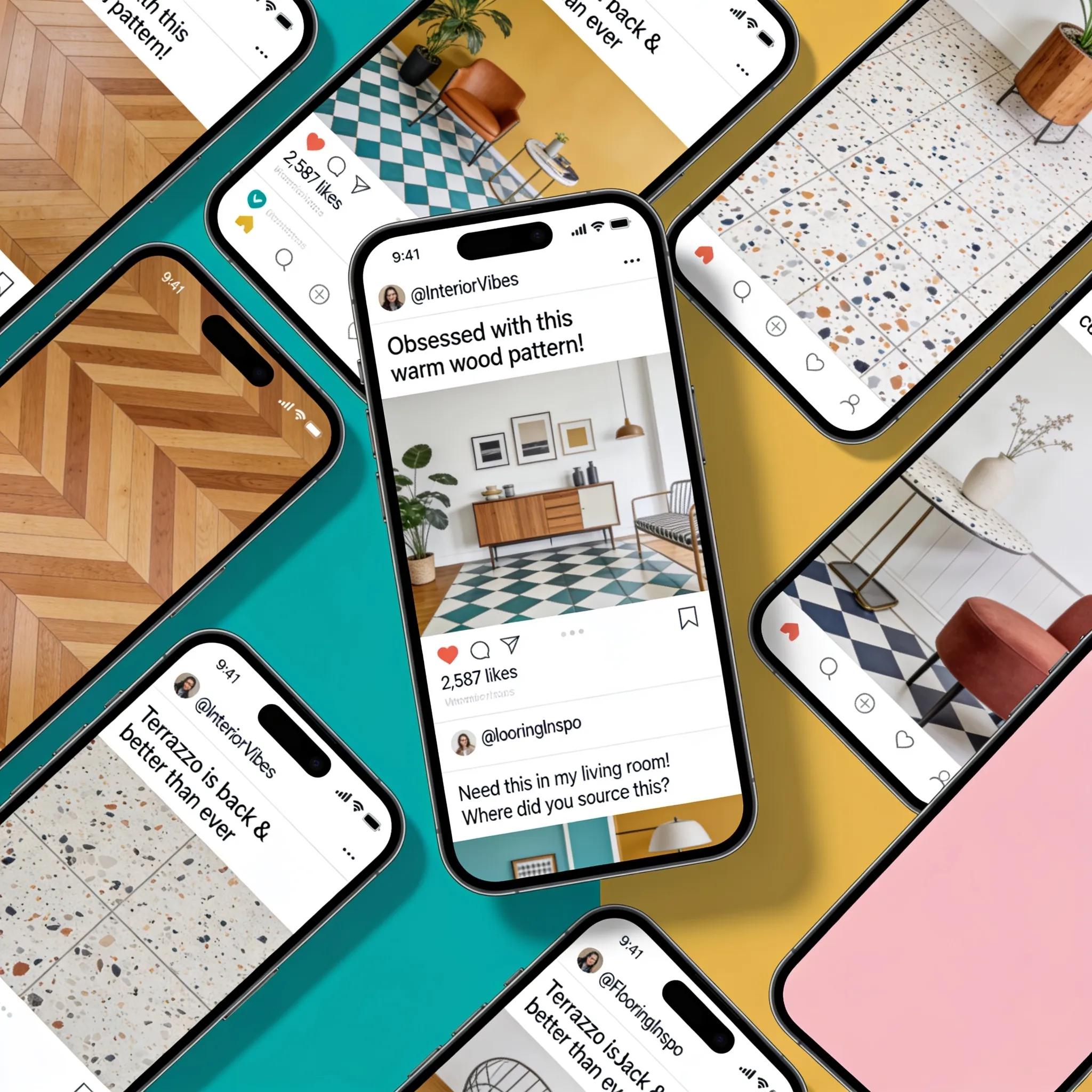
Consumer tastes often surface first on social platforms. Track which flooring looks appear frequently on Pinterest boards, Instagram interiors, and home-design reels. Engagement—saves, shares, and comments—can be a stronger signal than simple views. Combine social watching with retail patterns and product reviews to spot momentum before a style becomes ubiquitous.
Which tools and indicators forecast flooring style popularity before it peaks?
Use a mix of real-time and industry data. Google Trends reveals search interest spikes for specific materials or finishes. Platforms like Houzz and industry reports show what pros are specifying and what shoppers are buying. Trade shows, spec sheets, and manufacturer launch calendars also help you see which technologies and colors are being promoted—often the first hint of broader adoption.
Most Popular Flooring Styles & Inspirations for 2026
Looking toward 2026, certain styles are primed to lead: clean, natural palettes; textures that add depth; and versatile materials that suit multiple lifestyles. These trends reflect broader design movements and distinct consumer segments, so recognizing them helps you choose floors that feel both modern and enduring.
Which design trends are shaping flooring choices?
Design movements like minimalism favor uncluttered, light-toned hardwood and wide planks that visually expand rooms. Biophilic design pushes natural textures and materials that foster a sense of calm—think wood, stone, and sustainable composites. Together, these trends encourage floors that are understated, tactile, and rooted in nature.
How do styles vary by segment and home type?
Preferences change with lifestyle. Young professionals often prefer sleek, low-maintenance options—polished concrete, LVT, or urban wood tones—while families prioritize durable, stain-resistant choices such as tile or textured laminates. Understanding who will use the space helps match durability, aesthetic, and budget to the right material.
How Accessories and Maintenance Extend a Trend’s Lifespan
Accessories and upkeep determine whether a trending floor stays beautiful long enough to justify the investment. Thoughtful protection and routine care preserve both appearance and performance, helping a style remain relevant beyond its peak moment.
What accessories complement modern flooring styles and enhance durability?
Smart accessories make floors last and look finished. Quality mats and area rugs protect high-traffic zones while adding texture and color. Eco-friendly underlayment improves comfort, sound, and thermal performance under hard surfaces. Trim choices—baseboards, thresholds, and stair nosing—also define the final look and protect edges from wear.
Which maintenance tips help preserve trending flooring materials longer?
Routine care keeps floors in top shape. For hardwood, use pH-neutral cleaners and wipe spills immediately to avoid staining or warping. Tile benefits from periodic sealing in high-stain areas, and vinyl or laminate needs gentle cleaners to protect the wear layer. Controlling indoor humidity prevents movement in wood and engineered products—simple habits that extend life and beauty.
Frequently Asked Questions
What flooring trends should I watch for in the coming years?
Watch for more eco-forward materials—cork, natural stone, and alternative fibers like hemp—alongside layered textures and mixed-material floors. Expect creative finishes and multi-dimensional designs (including 3D effects) to gain traction. Keep an eye on trade shows, design blogs, and influencer spaces for early signals.
How does climate impact flooring material choices?
Climate matters. In humid areas, water-resistant floors like tile and vinyl reduce moisture issues. In colder climates, materials with insulating properties—carpet, cork, or underlayment-enhanced floors—add comfort. Match the material’s performance characteristics to local conditions to avoid problems down the line.
Are there specific flooring choices better suited for pet owners?
Pet-friendly floors focus on scratch resistance and easy cleaning. LVT and ceramic or porcelain tile are top choices because they resist scratches and stains and clean easily. Low-pile, stain-resistant carpets or tightly constructed laminates can also work if you prioritize comfort and noise control.
What is biophilic design, and how does it affect flooring trends?
Biophilic design brings natural patterns and materials into interiors to support well-being. In flooring, that means warmer wood tones, stone textures, and sustainable composites that visually and physically connect interiors with nature. This influence pushes choices toward materials that feel organic and calming.
How do I maintain the appearance of my flooring as styles evolve?
Stick to a regular cleaning and maintenance routine tailored to your floor type. For hardwood, avoid excessive water and use recommended cleaners; for carpets, schedule professional cleanings and treat stains promptly. Area rugs let you refresh a room without replacing floors, extending the life of trending looks as tastes shift.
What role do local design influences play in flooring trends?
Local tastes and environment shape trends. Coastal areas may favor lighter, breezier palettes, while urban markets often lean into industrial materials like concrete or dark woods. Understanding neighborhood aesthetics and climate helps you choose floors that feel authentic and market-appropriate.
How To Spot a Flooring Trend Before It Peaks
Getting ahead of flooring trends means combining smart research with practical material choices. From sustainable woods to advanced LVT and textured finishes, the 2026 landscape rewards options that balance beauty, durability, and responsibility. Explore our curated flooring collection for pieces that reflect these trends—so you can design with foresight and style.

