


The Technology Making Every Flooring Plank Look Different
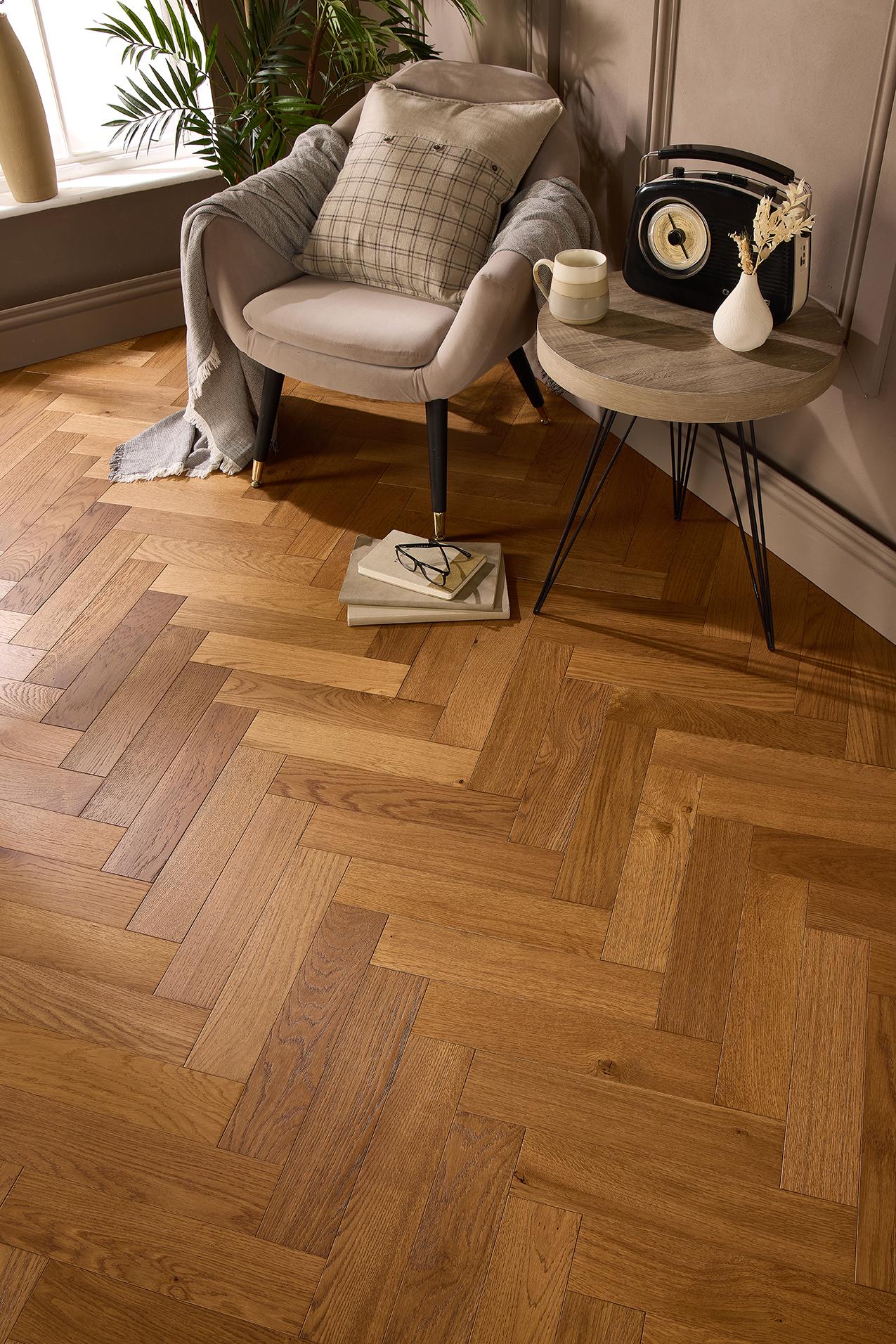
Embossing-in-register technology aligns surface texture precisely with printed wood or stone grain on luxury vinyl tile. Laminate planks, eliminating the apartment, repetitive look of older designs. High-definition printing combined with varied plank sizes, like the 12mm Lusso Siena Helsinki herringbone laminate, produces realistic, non-repeating patterns across an entire floor installation.
Key Takeaways
- Modern printing technology creates realistic wood textures on vinyl and laminate flooring surfaces.
- Luxury vinyl planks now compete with high-end materials thanks to advanced design innovations in printing and embossing.
- Many flooring styles include textured options that mimic natural materials perfectly.
- Water-resistant vinyl technology solves moisture problems that traditional hardwood flooring cannot withstand.
Why Do Wood-Look Floors Look So Realistic Now?
Advances in design technology explain why modern wood-look floors fool the eye at close range. Manufacturing now combines high-resolution digital print layers with deep surface embossing. Grain, knots and color variation match real timber far more closely than older printed designs did. Luxury vinyl plank has moved well beyond its origins as a basic budget product. It now competes directly with high-end flooring, thanks to significant advances in design and technology.
Realism depends partly on avoiding repetition across a room. Without careful plank variation, a floor shows pattern repetition: the same knot or grain mark reappearing every few tiles, breaking the illusion fast. Buyers shopping for LVT or laminate should check how many unique plank designs a range uses before purchasing.
What makes engineered wood and herringbone ranges look authentic?
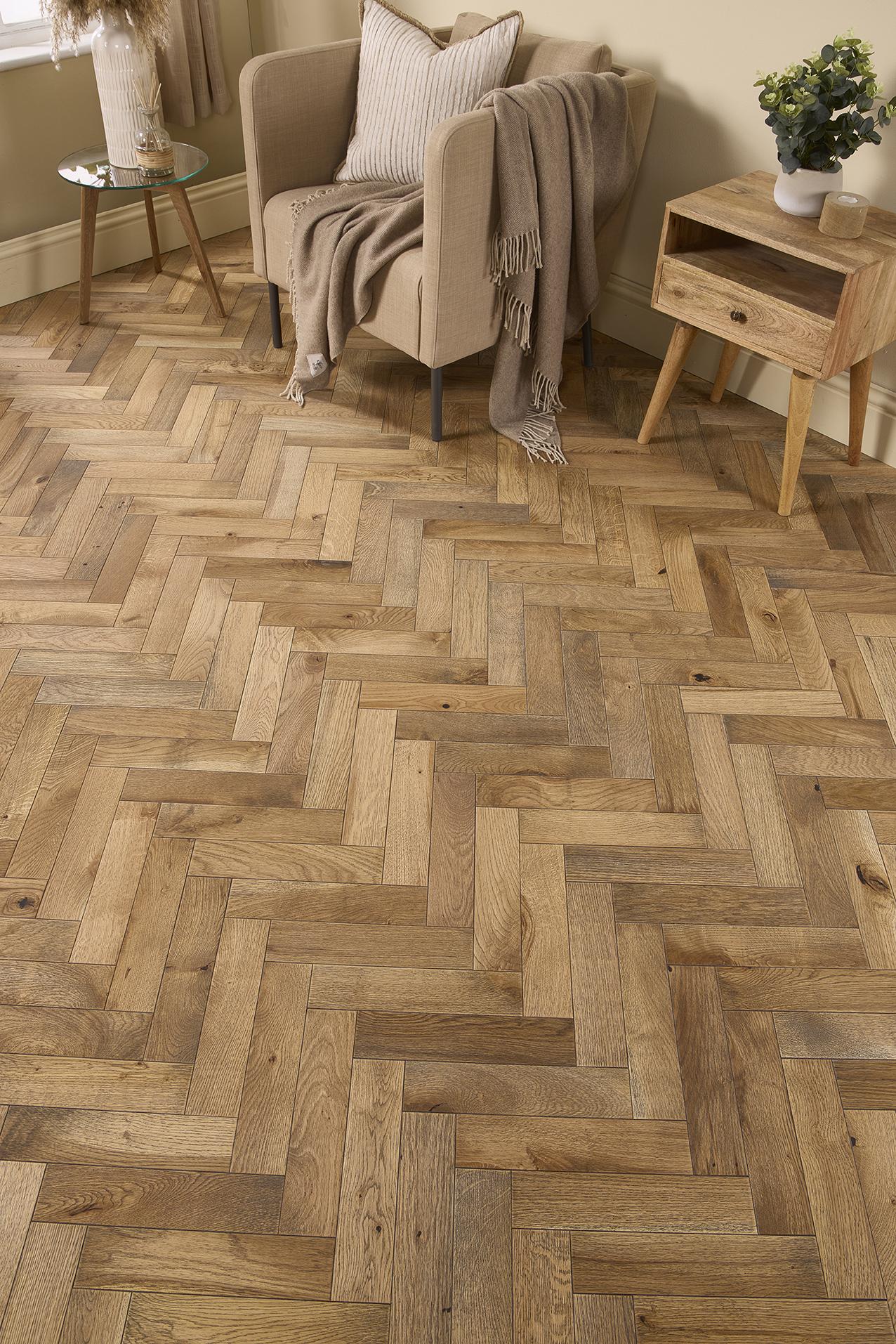
Engineered wood flooring remains the most popular real-wood option because it pairs an authentic wood appearance with greater durability and stability than solid hardwood. Herringbone ranges push this further. Each individual plank gets crafted to show rich wood texture. Vibrant color variation, adding extra luxury and visual depth to a room.
Does LVT look as realistic as real wood?
LVT now reproduces wood grain, color depth and surface texture closely enough to pass casual inspection in most living spaces. Current flooring ranges span herringbone, engineered wood, vinyl, laminate, solid oak and SPC click vinyl, reflecting how many plank-look technologies exist for buyers weighing realism against budget and upkeep.
For design-conscious shoppers, the safest check stays simple: compare several square metres of sample flooring, not one plank, before committing to any floor.
What Is Digital Print Technology in Flooring?
Digital print technology transfers a photographic image of real wood grain onto a flooring surface, then seals it beneath a protective wear layer. Manufacturers scan actual timber samples and reproduce the grain, knots, and color shifts at high resolution. Embossing rollers then stamp physical texture into the surface, lining up the printed image with the tactile feel board for board.
Wood-look vinyl flooring depends on this pairing of printing and embossing to recreate both the look and touch of timber. The digital print stage generates authentic grain patterns. Color variation, giving each plank believable character rather than a apartment, uniform finish. Engineered wood follows similar logic: multiple layers combine the strength needed for hallways and living rooms with a surface, printed or veneered, that still reads as genuine timber.
Does digital print flooring avoid pattern repetition?
High-resolution printing reduces visible pattern repetition by varying grain detail across many plank designs instead of repeating one image. Budget production runs built from fewer unique designs show obvious repeats across a room much faster. Rooms with wider sightlines, such as open-plan kitchens, expose repetition most quickly.
Is LVT made using digital print technology?
LVT, or luxury vinyl tile, typically uses digital printing to build its wood or stone-effect surface layer. Herringbone engineered wood flooring applies comparable modern production technology to combine a solid-wood appearance with manufactured consistency across every plank. Shoppers comparing realism before buying can check how many unique plank designs a range offers; many retailers list digital print options alongside embossed, wire-brushed finishes for easier side-by-side comparison. More unique designs generally mean a more convincing, natural-looking floor underfoot.
How Do Makers Avoid Pattern Repetition?
Manufacturers avoid pattern repetition by capturing multiple scans of natural wood and stone rather than relying on a single master image. A repeated graphic flattens a floor's realism fast, creating a visible "stamp" that trained eyes spot within seconds of walking into a room.
Design teams build their decor files directly from these scans. Grain, knots, and mineral veins get mapped from real timber and stone surfaces, then fed into a digital print process that lays the pattern onto the vinyl wear layer. Because the source imagery itself varies from scan to scan, no two sections of flooring align identically, even across a large open-plan floor.
Embossing adds a second layer of defense. This step presses texture straight onto the surface during manufacturing, aligning raised and lowered contours with the printed grain beneath. The result sits at the center of what makes modern LVT convincing underfoot rather than apartment and printed-looking.
Why Does Engineered Wood Avoid the Same Repeated Look?
Engineered wood planks sidestep repetition differently, through material rather than image variation. Each plank pairs a stable engineered core with a genuine oak veneer. The grain pattern comes from the wood itself rather than a reused graphic file.
The multi-layered construction behind these planks also supports more face variation across a single pack. Buyers get planks with distinct character instead of one design cycling repeatedly down a hallway or across a living room floor.
Techniques makers combine to reduce visible repeat:
- Multiple source scans of real wood and stone
- Randomized decor placement across production runs
- Register embossing matched to printed grain
- Genuine veneer faces on engineered planks
Each method targets the same goal: stopping a floor from reading as mass-produced the moment someone looks down.
Why Choose LVT Over Laminate for Realism?
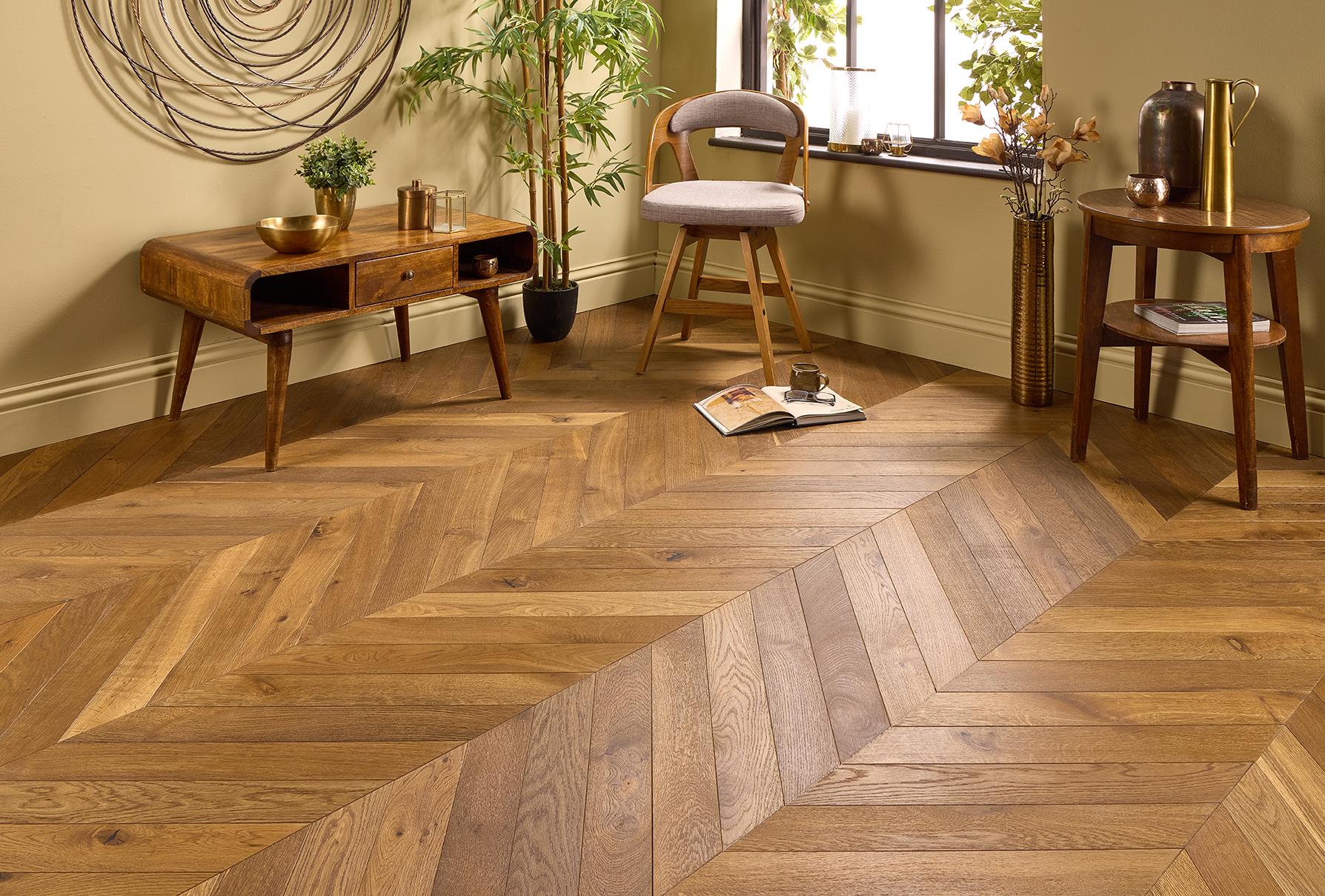
LVT (luxury vinyl tile) captures wood and stone grain with more convincing depth than laminate, thanks to digital print layers that hold finer texture detail. Laminate relies on a single printed paper sheet bonded under a protective resin, which limits how many grain variations a run can carry. LVT builds the image into a thicker, more flexible wear layer, so manufacturers can vary embossing and tone across far more planks.
Vinyl flooring balances comfort, style, and everyday usefulness in one product. Underfoot, it feels warmer and quieter than laminate's harder core, yet still handles daily traffic in kitchens and hallways without complaint. That combination explains why design-conscious buyers increasingly choose LVT over laminate when a natural, non-manufactured look matters.
Does LVT Show Pattern Repetition Like Laminate?
Laminate ranges often cycle through a limited set of printed designs. Matching planks can appear close together across a room. Pattern repetition shows up far less in higher-specification LVT ranges, which draw from larger design libraries and vary embossing registration plank by plank. The surface reads as organic rather than as an obvious repeating print run.
Upkeep matters too, since realism fades fast on a neglected floor. LVT needs routine maintenance, the same as any other surface in the home, to keep its printed finish looking sharp. A weekly clean with a damp microfibre mop, using warm water and a mild cleaner, preserves the sheen that gives the texture its depth.
| Factor | LVT | Laminate |
|---|---|---|
| Water resistance | Higher | Lower |
| Texture depth | Embossed, varied | Apartment print |
| Underfoot feel | Warmer, quieter | Harder |
Vinyl flooring has moved well beyond its old budget-only reputation, now delivering realistic wood and stone looks with greater durability and water resistance than earlier generations offered.
What Should Buyers Check Before Choosing Planks?
Plank thickness deserves the first look. Thicker engineered wood planks improve insulation, making a room feel warmer and quieter while still delivering a convincing wood appearance. That combination of comfort and realism separates a floor that performs well from one that simply looks good in a showroom.
Structure matters as much as surface. Many planks rely on a digital print layer to recreate wood grain. The actual durability sits in the core beneath it. Engineered wood earns its popularity partly from authentic appearance. Its multi-layer build also gives it greater stability than solid hardwood, something worth checking before any purchase.
Moisture resistance is another area to inspect closely. Wood floors exposed to water for long periods can warp, often forcing a costly replacement. Buyers choosing LVT or similar print-based alternatives should confirm the product is designed specifically to resist that kind of moisture damage. Not every plank performs equally well in damp rooms.
Does plank pattern affect how natural a floor looks?
Yes, repeated designs can make a floor read as artificial rather than authentic. Visible pattern repetition across planks breaks the illusion of natural variation found in real wood or stone. Checking how many unique plank designs a range includes helps buyers avoid an obvious repeating layout once installation is complete.
Is engineered wood more stable than solid wood?
Generally, yes. Its layered construction gives engineered wood superior stability compared with solid hardwood options. That added stability, paired with thicker planks, supports both insulation performance and a longer-lasting, realistic-looking floor.
FAQ
What makes wood-look vinyl and laminate flooring look realistic?
Embossing-in-register technology aligns surface texture precisely with printed wood or stone grain, while high-definition printing adds authentic color variation. This combination removes the apartment, repetitive appearance found in older flooring designs.
Why do some floors still show obvious pattern repetition?
Floors without enough unique plank designs repeat the same knot or grain mark every few tiles, breaking the realistic effect. Checking how many unique plank designs a range uses before buying helps avoid this issue.
How can buyers check if a floor looks realistic before purchasing?
Comparing several square metres of sample flooring, rather than a single plank, reveals pattern repetition and overall authenticity. Many retailers provide samples to help buyers make informed decisions.
Conclusion
In closing, technology has fundamentally transformed how flooring planks appear and perform, bridging the gap between aesthetic ambition and practical reality. Digital printing, embossing techniques, and structural innovations now enable products to replicate natural materials with remarkable fidelity whilst offering superior durability and maintenance benefits. The visual evolution of flooring reflects broader manufacturing advances that prioritize both authenticity and longevity, giving consumers genuine choice rather than compromise.
