


The Million-Step Test

The Million-Step Test is a critical assessment used to evaluate the durability of various flooring materials, specifically focusing on their abrasion resistance. This testing method provides insight into how different flooring types can withstand wear over time, which is essential for consumers seeking long-lasting solutions. Understanding the mechanisms behind this test not only aids in selecting the right flooring but also helps in making informed investment decisions that relate to both function and cost-effectiveness. In this article, we will explore the definition and importance of the Million-Step Test, compare it to other testing methods, analyze how various flooring materials perform in these tests, delve into relevant industry standards, and discuss emerging trends in flooring durability testing.
What is the Million-Step Test and Why is it Important for Flooring Durability?
The Million-Step Test is designed to measure the resistance of flooring materials to wear and tear over an extensive number of cycles, simulating years of usage in just a short time frame. This method is crucial for understanding how well a material can handle daily foot traffic and maintain its appearance. By providing a quantifiable measure of durability, the test helps consumers and manufacturers alike make informed choices regarding flooring options. A higher rating in the Million-Step Test generally indicates a longer-lasting product, making it a vital consideration for those looking to purchase new flooring.
How does the Million-Step Test measure flooring abrasion resistance?
This test measures flooring abrasion resistance by utilizing a standardized protocol that involves simulating repeated foot traffic using various testing machines. During the test, a weighted abrasive material is moved across the surface of the flooring sample for one million cycles, assessing the extent of visible wear. Measurements are recorded to analyze the performance of different materials in terms of depth and appearance changes, providing a clear indication of durability. This systematic approach ensures consistent results that can guide manufacturers in enhancing product resilience.
Which flooring materials are evaluated with the Million-Step Test?
A range of flooring materials is subjected to the Million-Step Test, including vinyl flooring, laminate flooring, and carpet flooring. Each material is evaluated based on specific performance criteria that reflect their suitability for various environments. For instance, vinyl flooring is often praised for its excellent abrasion resistance, making it ideal for high-traffic areas, whereas carpet may exhibit varying durability depending on fiber type and density. Understanding the performance of these materials helps consumers choose the best flooring for their needs, ensuring longevity and satisfaction.
What Are the Common Flooring Durability Testing Methods Compared?
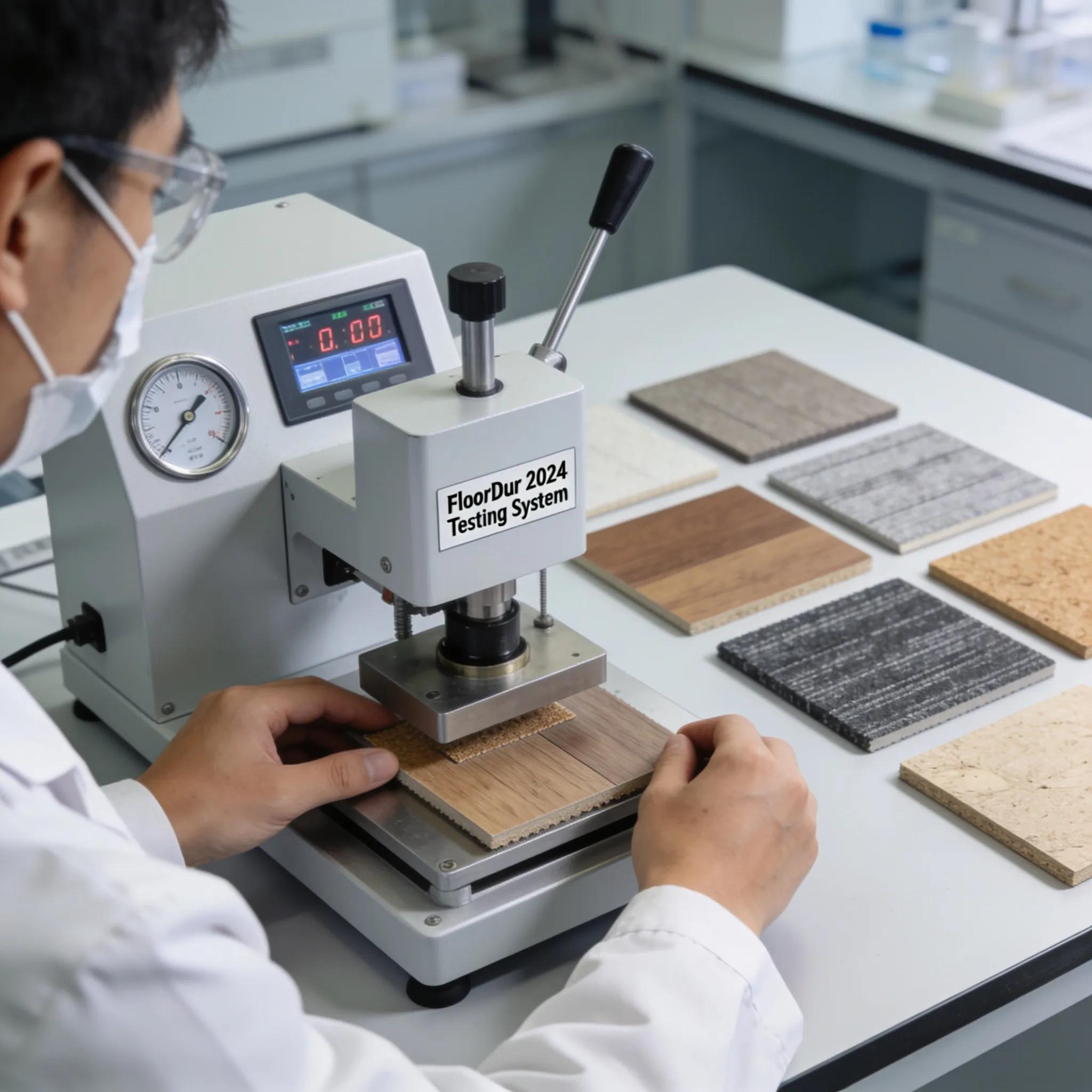
In addition to the Million-Step Test, several other methods are employed to evaluate flooring durability, including impact and indentation tests. Each method examines different aspects of a material's performance and suitability for specific applications.
How do abrasion, impact, and indentation tests differ?
Abrasion tests measure the wear that occurs when the surface of the flooring is subjected to friction, typically using sandpaper or similar materials. Impact tests evaluate how well a floor can withstand heavy objects being dropped on it. Indentation tests assess the permanent marks left on a surface after pressure is applied. Together, these tests provide a comprehensive picture of durability, allowing manufacturers and consumers to better understand the performance characteristics of different flooring materials.
Which wear resistance standards apply to these tests?
Various standards govern flooring durability testing, including ASTM and ISO standards. These standards outline the protocols for conducting tests and specify acceptable performance levels for different flooring types. Adhering to such standards ensures that products meet industry benchmarks and allows consumers to make comparisons across brands. Understanding the relevance of these standards in purchasing decisions helps consumers navigate the marketplace more effectively, ensuring they choose products that will endure.
How Do Flooring Materials Perform in Million-Step and Related Durability Tests?
Exploring the performance of flooring materials in durability tests provides insight into their long-term viability. The Million-Step Test results can vary significantly based on the material composition and structure.
What are the durability profiles of vinyl, laminate, and carpet?
Vinyl flooring typically showcases exceptional durability in the Million-Step Test, often displaying minor wear even after extensive testing. Laminate flooring also performs well but may exhibit some visible wear patterns under prolonged stress. Carpet, while providing comfort and warmth, can show significant wear and tear, particularly in high-traffic areas. Understanding these durability profiles allows consumers to align their flooring choices with their lifestyle needs, ensuring satisfaction over time.
How do different wear cycle counts impact flooring lifespan?
Research indicates a direct correlation between the number of wear cycles a flooring material endures and its lifespan. Generally, materials that perform well even after extensive cycles demonstrate superior durability. This relationship helps consumers gauge the long-term value of their flooring selections, emphasizing the importance of investing in robust options for longevity.
What Industry Standards and Certifications Govern the Million-Step Test?
Industry standards play a crucial role in ensuring the reliability and integrity of the Million-Step Test results.
Which recognized standards define flooring abrasion testing?
Standards such as the ASTM F970 and ISO 10545 outline the methods for conducting abrasion tests. These guidelines provide a clear framework for determining the abrasion resistance of flooring materials, ensuring that consumers receive reliable data when comparing products. Compliance with these standards is essential for manufacturers to guarantee their products meet market demands and expectations.
How do certifications influence flooring material selection?
Certifications can significantly impact consumer selection by providing assurance of a product's quality and durability. Products that meet recognized certification standards are often perceived as more trustworthy, compelling consumers to lean towards these options when making purchasing decisions. This highlights the importance of understanding certifications when navigating the flooring market, as they can be indicators of reliability and durability.
What Are Emerging Trends and Advances in Flooring Durability Testing for 2026?

As technology evolves, so too do the methods and technologies used for flooring durability testing. Staying updated with these trends is vital for both manufacturers and consumers.
What recent studies update insights on test efficacy and wear measurement?
Recent studies have introduced advanced methodologies that enhance the accuracy of durability testing, incorporating more realistic wear scenarios and individualized assessments. This advancement allows for improved data collection, ultimately leading to more reliable models of material performance. Recognizing these updates is crucial for consumers seeking to make informed decisions based on the latest evidence.
How is technology enhancing abrasion and wear resistance evaluations?
Technological innovations, such as digital imaging and automated testing machines, are revolutionizing the way flooring durability tests are conducted. These advancements increase efficiency and ensure higher precision in measurement, allowing for reliable results. Such enhancements contribute not only to better quality control in production but also empower consumers to select flooring options based on robust data rather than assumptions.
How Can Understanding the Million-Step Test Improve Flooring Selection and Longevity?
A thorough understanding of the Million-Step Test equips consumers with the knowledge to make wise flooring choices that emphasize both durability and aesthetic appeal.
What practical tips help interpret test results for consumers and professionals?
To effectively interpret test results, consumers should consider comparing the ratings of various materials across standardized tests. Understanding the testing methodology allows for more informed purchasing decisions, as consumers can align their choices with their specific needs and expected usage conditions. Engaging with manufacturers’ documentation and claims will also aid in discerning the most suitable options.
How does integrating wear resistance standards optimize flooring lifespan?
Integrating recognized wear resistance standards into selection criteria encourages consumers to focus on durability metrics that impact lifespan. This focus allows for the selection of flooring materials that are not only aesthetically pleasing but also designed to endure the rigors of daily use. By prioritizing established standards, consumers enhance the likelihood of satisfaction with their investment over time.
