Flooring Is Having Its "Vinyl" Record Moment
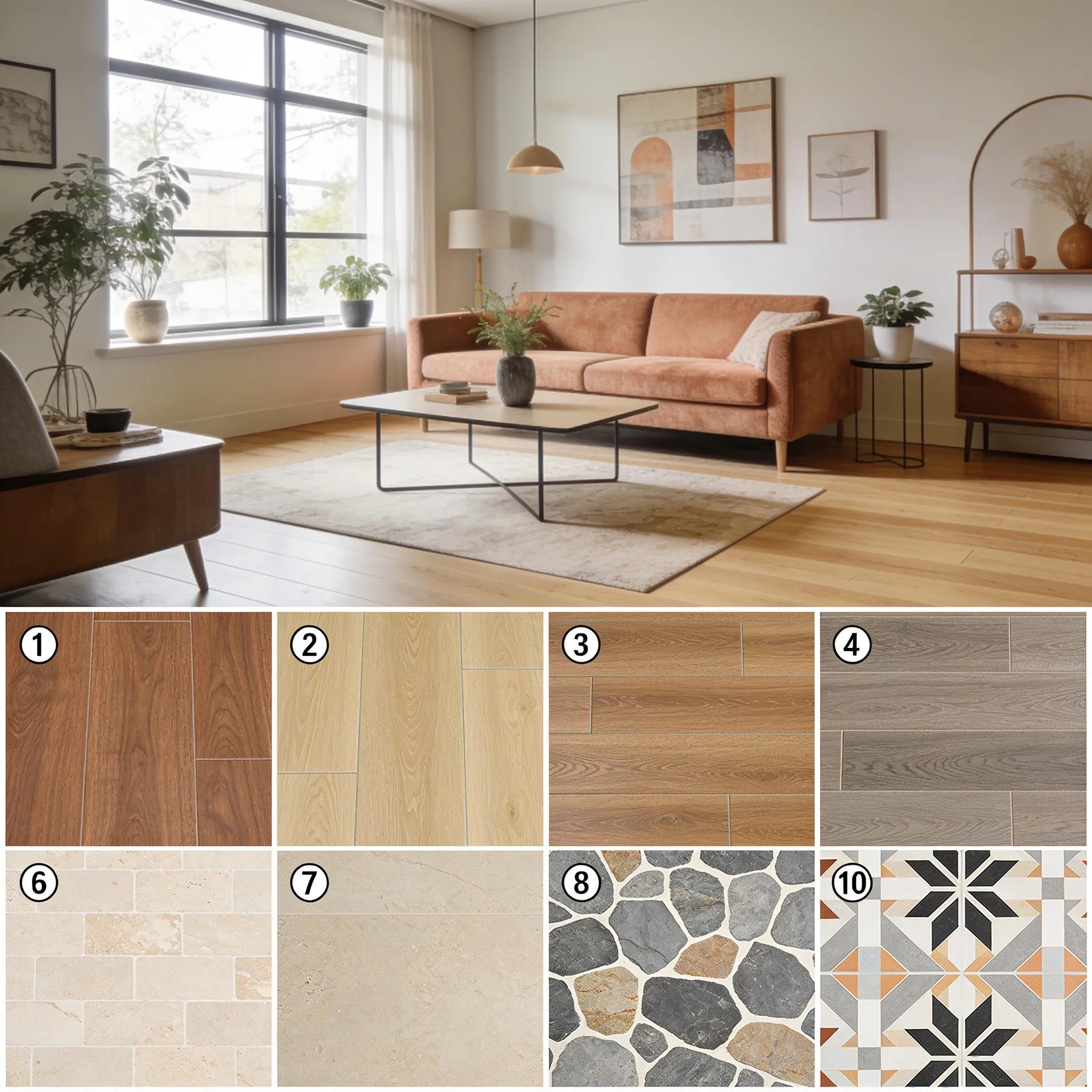
Vinyl flooring is back in the spotlight — more than a flash trend. Homeowners and DIYers choose vinyl for its mix of style, durability, and value. This guide covers today’s vinyl options, benefits, installation basics, and how they compare to other flooring so you can pick and install the right floor.
Top Vinyl Plank Flooring Options Available Today
Many styles and constructions are available. The main formats — vinyl plank, vinyl tile, and sheet vinyl — serve different needs and looks.
Which Vinyl Flooring Types Balance Durability and Style?
If you want the look of wood with better moisture resistance, vinyl plank is a strong contender. Below are the common choices and what they do best:
- Vinyl Plank Flooring: Often built with a rigid core for extra durability, plank flooring mimics hardwood finishes while standing up better to moisture and heavy use.
- Vinyl Tile Flooring: Designed to resemble ceramic or stone, vinyl tiles offer pattern flexibility and perform well in kitchens and bathrooms thanks to their water resistance.
- Sheet Vinyl Flooring: Sold in wide rolls, sheet vinyl minimizes seams for superior moisture protection and is a budget-friendly option for covering large areas.
Consider these trade-offs when choosing the format for your rooms and lifestyle.
How Do Waterproof Vinyl Options Perform in Different Rooms?
Waterproof vinyl is especially useful where moisture is common — think bathrooms, kitchens, and basements. Luxury vinyl plank (LVP) and luxury vinyl tile (LVT) are the leading waterproof choices.
- Best Uses for Waterproof Vinyl: Great for homes with pets, kids, or humid climates, waterproof vinyl resists spills and keeps your floors looking good longer.
- Compared to Non-Waterproof Options: Standard vinyl resists everyday spills but can suffer with prolonged moisture. Waterproof variants provide stronger protection and better long-term performance in wet areas.
How to Install Vinyl Flooring: A Clear DIY Guide
Installing vinyl can be a DIY project with the right tools and steps. Below is a compact workflow for a professional-looking result.
Tools and Materials You'll Need for Vinyl Floor Installation
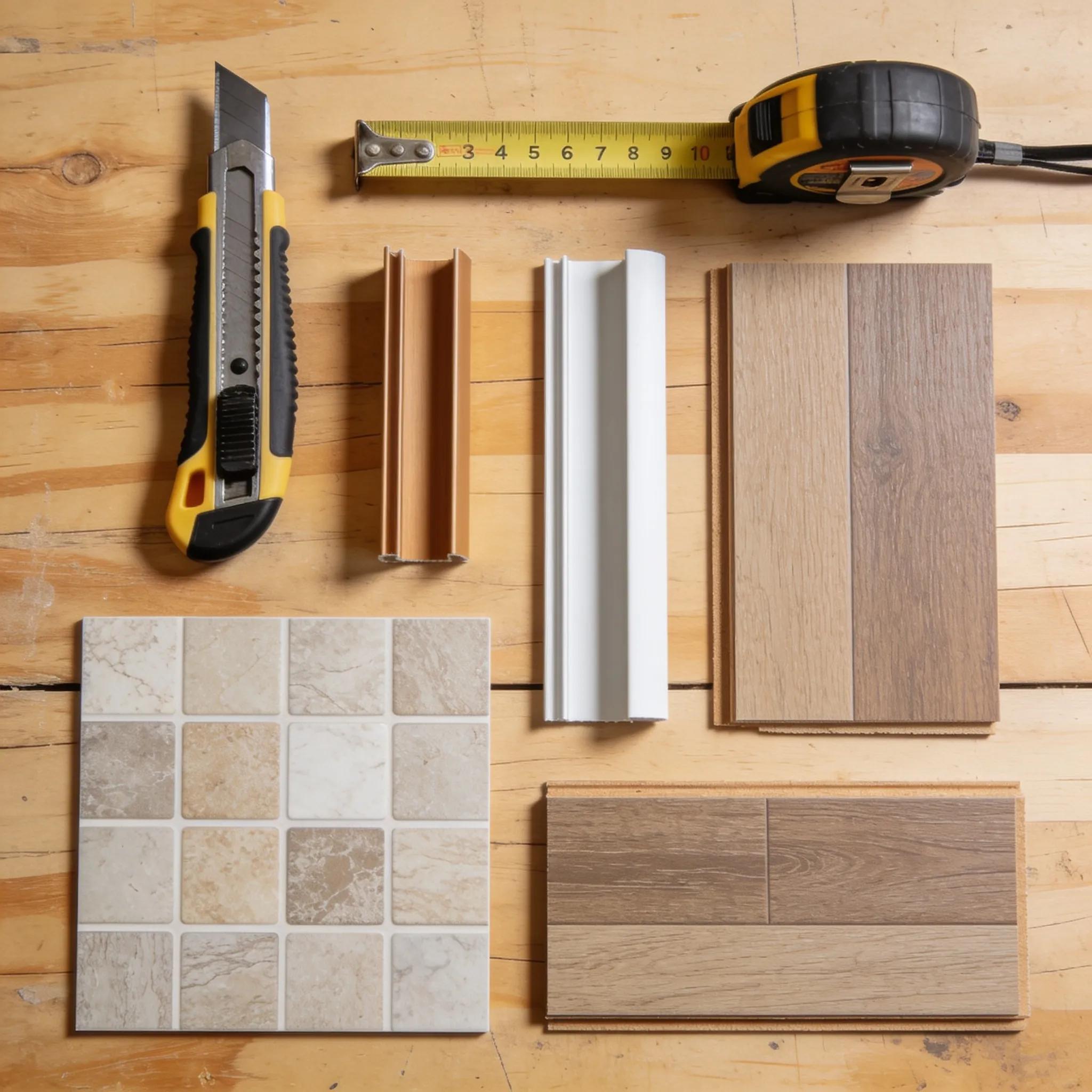
Collect these essentials to keep the job smooth:
- Essential Tools: Utility knife, straight edge, tape measure, and a roller to ensure good adhesion.
- Recommended Materials: Underlayment for sound control, adhesive for glue-down systems, and finishing trims to tidy up edges.
Everything on hand prevents interruptions and keeps work quality consistent.
Key Steps for Installing Vinyl Plank or Tile
Follow these core steps for a successful installation:
- Prepare the Subfloor: Make sure the subfloor is clean, dry, and level to avoid problems down the line.
- Acclimate the Vinyl: Let planks or tiles sit in the room for at least 24 hours so they adjust to temperature and humidity.
- Lay Out Your Design: Plan your layout to create balanced seams and a pleasing flow — start from a center line or a straight wall as recommended.
- Install the Flooring: Follow the manufacturer’s instructions for your system, whether it’s click-lock, glue-down, or loose-lay.
Following these steps helps ensure a durable, attractive finish.
Why Choose Vinyl Plank Flooring for Your Home?
Vinyl plank blends practicality with style, which is why more homeowners are choosing it. It’s durable, easier to maintain than wood, and often more affordable.
Durability, Cost, and Maintenance: How Vinyl Compares
With proper care, vinyl plank can last 10–25 years. It resists water and everyday wear better than hardwood in many situations.
- Cost-Effectiveness: Vinyl typically costs less than solid wood while delivering similar looks. Maintenance is straightforward — regular sweeping and gentle mopping keep it looking fresh.
Eco-Friendly and Waterproof Options
Many products use recycled content and are engineered for lower emissions. Look for FloorScore or GREENGUARD to find low-VOC options. The waterproof nature of many vinyl products also makes them practical for moisture-prone rooms.
DIY Tips to Improve Your Vinyl Flooring Project
Small choices and the right accessories can make a big difference in the outcome and lifespan of your floor.
Accessories and Tools That Improve Longevity
Quality accessories improve finish and durability. Consider:
- Flooring Trims: Clean transitions protect edges and give a finished look between rooms.
- Moisture Barriers: In damp areas, a vapor barrier can significantly extend the life of your floor.
Common DIY Mistakes to Avoid
Avoid these mistakes to prevent issues later:
- Skipping Subfloor Prep: An uneven or dirty subfloor will cause problems regardless of the product you choose.
- Skipping Acclimation: Not giving materials time to settle can lead to gaps or buckling from expansion and contraction.
- Overlooking Manufacturer Instructions: Following the product guidelines protects warranties and ensures optimal performance.
Proper subfloor preparation is critical to prevent future problems and extend the life of your installation.
| Type of Vinyl Flooring | Durability | Aesthetic Appeal | Waterproof Options |
|---|---|---|---|
| Vinyl Plank | High | Wood-like finish | Yes |
| Vinyl Tile | Moderate | Stone or ceramic look | Yes |
| Sheet Vinyl | Low | Wide range of designs | Limited |
Frequently Asked Questions
What is the lifespan of vinyl flooring and how can I extend it?
Vinyl flooring typically lasts 10–25 years depending on quality and care. To extend its life, clean regularly to remove grit, use gentle cleaners designed for vinyl, place protective pads under furniture, and maintain stable indoor humidity to reduce expansion and contraction.
Can vinyl flooring be installed over existing flooring?
Often, yes. Vinyl can go over some existing floors — like old vinyl, tile, or hardwood — as long as the surface is flat, clean, and structurally sound. Always check the manufacturer’s recommendations to be sure the substrate is suitable for the specific product.
What maintenance is required for vinyl flooring?
Maintenance is simple: sweep or vacuum regularly, mop with a damp cloth and a vinyl-safe cleaner, and avoid harsh chemicals or abrasive tools that can damage the surface. Use mats at entryways to reduce tracked-in dirt and moisture.
Is vinyl flooring suitable for all rooms in the house?
Vinyl is versatile and can be used in kitchens, bathrooms, living areas, and basements. Waterproof LVP and LVT are particularly good for humid or wet areas, while some sheet or lower-end products may have limited moisture resistance.
How does vinyl flooring impact the resale value of a home?
When well-chosen and properly installed, vinyl can boost a home’s appeal by offering a modern, low-maintenance look at a reasonable cost. High-quality vinyl that mimics premium materials tends to be best received by buyers.
Are there any eco-friendly options for vinyl flooring?
Yes. Look for products that use recycled content and carry certifications such as FloorScore or GREENGUARD to ensure low VOC emissions. Some manufacturers also use more sustainable processes to reduce environmental impact.
Is Flooring Is Having Its "Vinyl" Record Moment?
Vinyl offers style, affordability, and durability — a strong choice for modern homes. Choose quality products, follow installation best practices, and start with samples and a clear installation plan to ensure a long-lasting floor.


About The Author