


Every Floor Is a Time Capsule
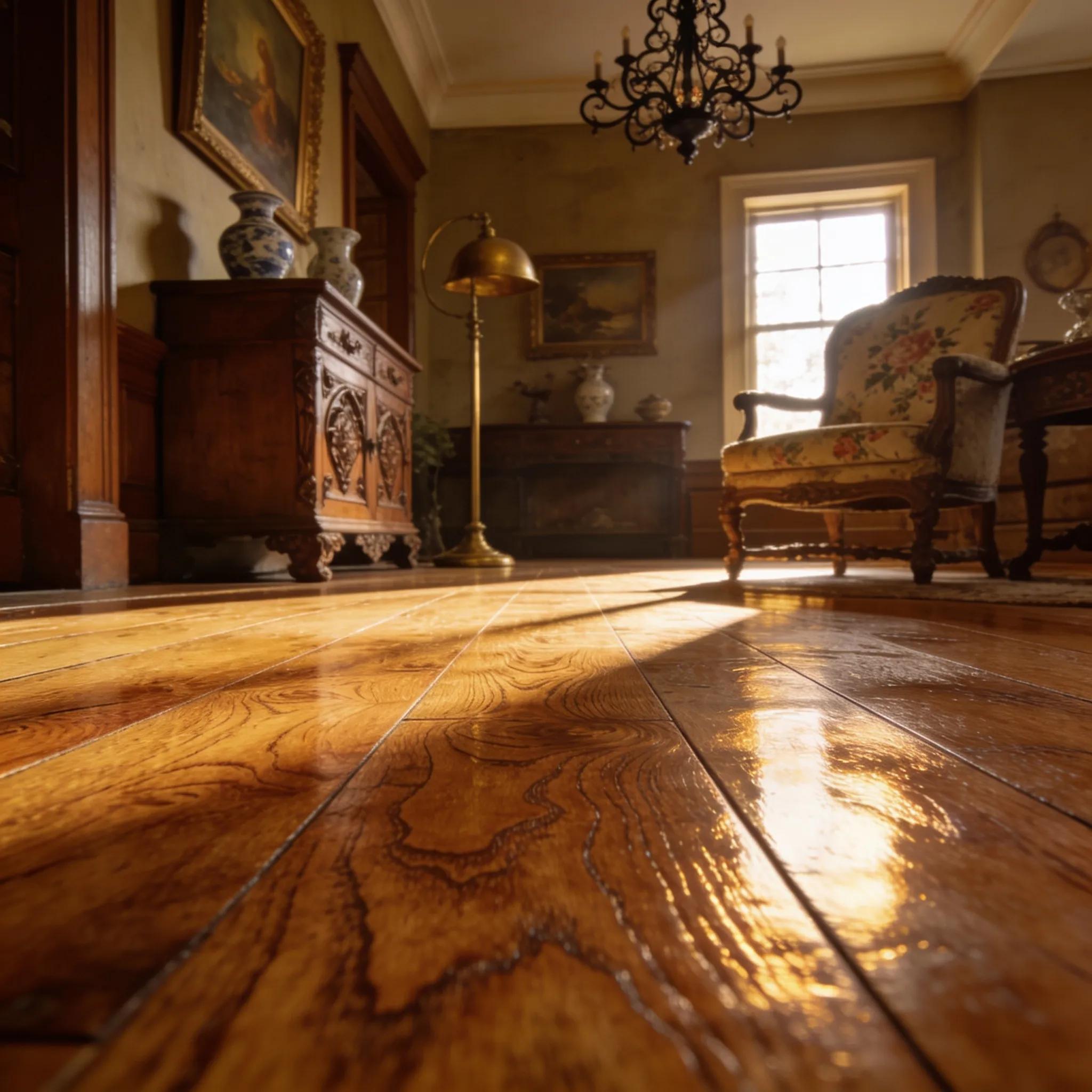
Floors quietly record a building’s life—styles, materials, and the hands that built and lived there. From worn hardwood to patterned tile, every surface holds clues to its era. This guide outlines common historical flooring materials in vintage homes, highlights enduring antique hardwood species, explains classic patterns, and provides practical restoration steps and design tips to protect their heritage.
What Are the Most Common Historical Flooring Materials Used in Vintage Homes?
Older homes commonly feature solid hardwood, decorative ceramic or encaustic tile, and mid-century linoleum—each adding unique texture, color, and craft that mark an era.
Which Antique Hardwood Flooring Types Are Preserved in Time Capsules?
Antique hardwoods are central to many vintage floors. Oak, pine, and maple dominate: red and white oak for strength and grain; pine for warm tones and knots; maple for a tight, refined grain. Each species develops distinct wear and patina that homeowners value.
How Do Classic Flooring Patterns Reflect Historical Eras?
Floor patterns trace design history: Art Deco’s geometry contrasts with Victorian ornament. Choices reflected durability and material availability as well as style, so reading patterns reveals an architectural timeline.
How Can You Restore Old Floors Using Vintage Floor Restoration Techniques?
Good restoration balances preservation with function. Careful cleaning, sensitive sanding, targeted repairs, and suitable finishes restore usability while honoring original material.
What Are the Step-by-Step Methods for Restoring Antique Hardwood Floors?
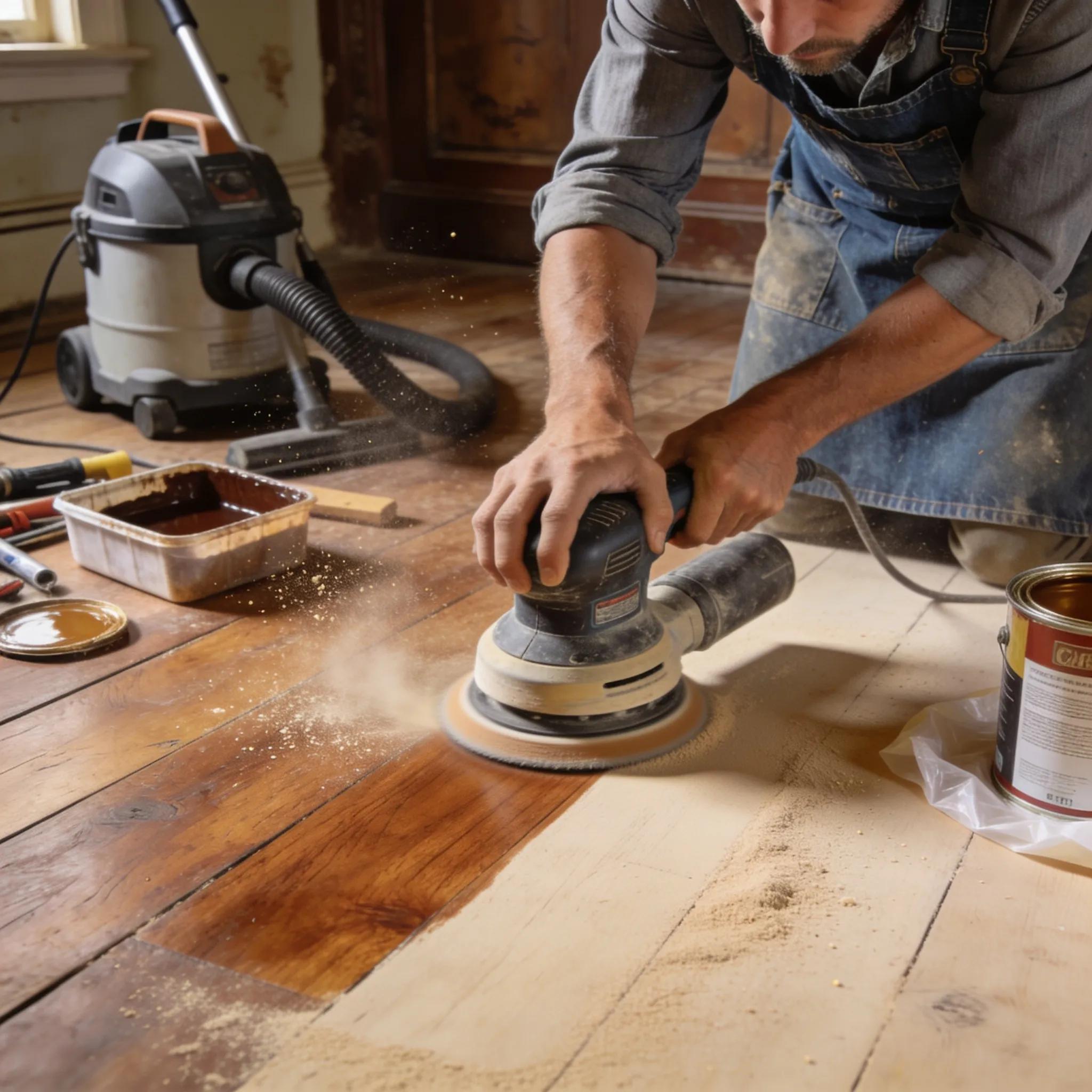
Restoring antique hardwoods typically follows a careful process:
- Assessment: Inspect boards, fastenings, and subfloor to map repairs and determine what to preserve.
- Cleaning: Remove grime, old wax, and surface contaminants with gentle, solvent-free cleaners.
- Sanding: Use light, controlled sanding to remove surface damage while preserving board thickness.
- Staining: Select a stain that complements the wood’s natural tone and period color.
- Finishing: Apply a durable, breathable finish—oil or low‑VOC polyurethane—to protect and show the grain.
These steps revive antique hardwoods while keeping historical integrity.
Which Eco-Friendly Materials and Finishes Support Sustainable Vintage Floor Restoration?
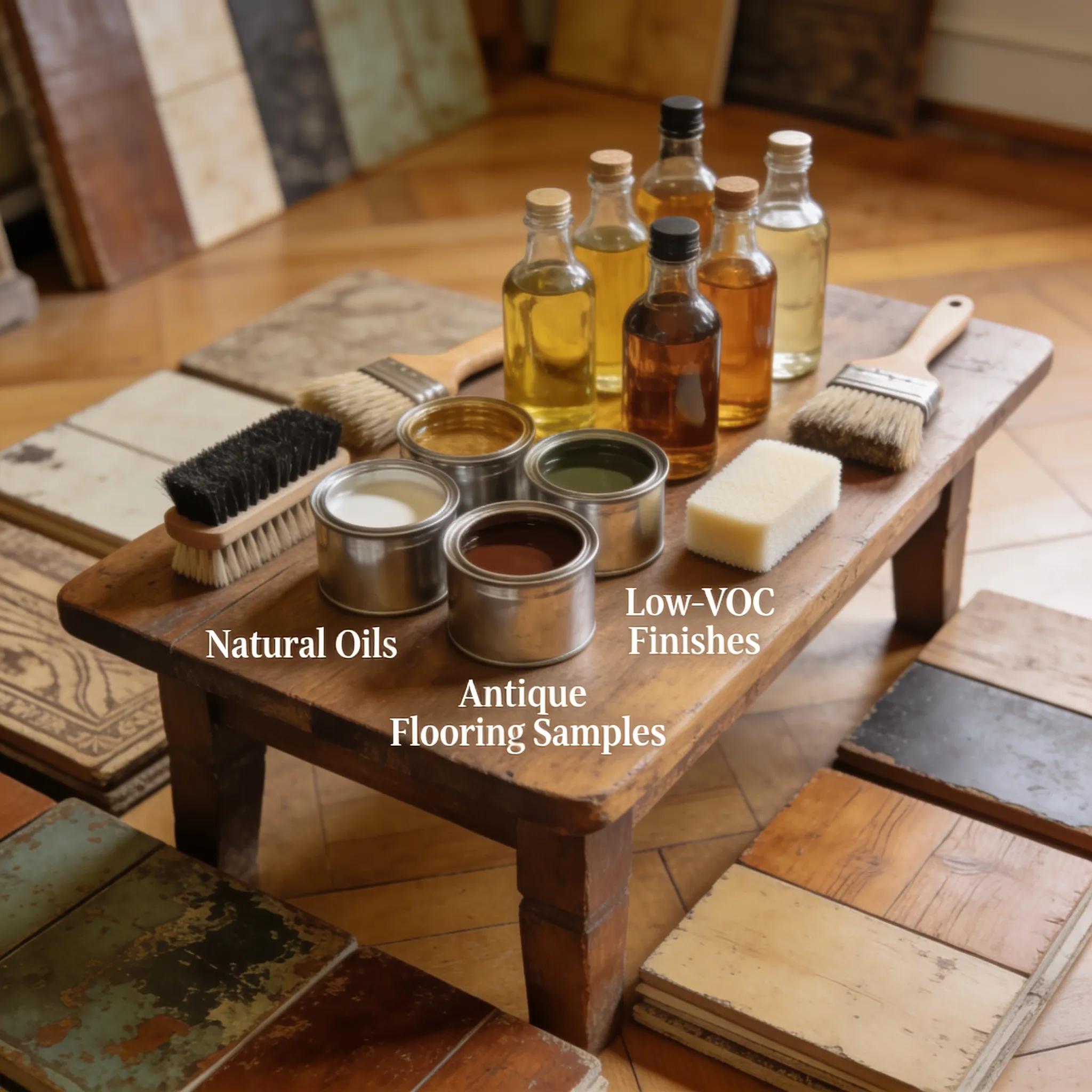
Many restorers now use low‑VOC finishes, plant‑based oils, and breathable sealers to protect wood and indoor air quality while preserving grain and patina.
What Interior Design Tips Enhance Vintage Flooring While Preserving Its Historical Value?
Integrate vintage floors with contrast and restraint: keep surroundings simple so the floor reads as the focal point. Furniture placement, complementary palettes, and subtle lighting highlight texture without competing.
How Do Restoration Accessories Complement Antique Flooring Preservation?
Protect floors with felt pads, humidity monitors, soft-bristle brooms, gentle cleaners, and patching compounds made for historic materials.
Which Modern Design Styles Best Integrate with Historical Flooring Materials?
Minimalist and Scandinavian styles showcase vintage floors; clean lines and neutral backdrops let wood grain and tile patterns stand out. Layering textiles, matte metals, and natural fibers adds warmth while keeping the floor central.
What Maintenance Practices Are Essential to Preserve Every Floor’s Time Capsule Quality?
Routine, material‑specific care preserves appearance and structure and prevents small problems from becoming major ones.
How Should You Care for Different Antique Flooring Types to Maximize Longevity?
Caring for older floors means tailoring your approach:
- Hardwood: Sweep or vacuum; mop with a slightly damp cloth. Avoid standing water.
- Tiles: Use pH‑neutral cleaners and reseal grout periodically.
- Linoleum: Clean with non‑abrasive, pH‑balanced products; avoid scouring pads.
Following these routines extends life and beauty.
What Are Common Challenges in Maintaining Vintage Floors and How Can They Be Prevented?
Wear, moisture swings, and impact damage are common. Prevent them by:
- Use area rugs: Protect high-traffic zones with breathable rugs and runners.
- Control humidity: Maintain indoor humidity near 30–50% to reduce shrink/swell and warping.
- Regular inspections: Spot-check boards, grout, and transitions to catch repairs early.
These habits safeguard a floor’s historical value.
Frequently Asked Questions
What are the benefits of restoring vintage flooring?
Restoration preserves craftsmanship, enhances appearance, can increase resale value, and is a sustainable alternative to replacement.
How does humidity affect antique hardwood floors?
Wood expands with moisture and contracts as it dries. Avoid extremes; keep indoor RH near 30–50% and use humidifiers or dehumidifiers as needed.
What types of finishes are ideal for antique hardwood floors?
Natural oils (tung, linseed) and modern low‑VOC finishes are good choices; they protect while keeping wood breathable and preserving patina.
How can I identify the type of historical flooring in my home?
Check board width, grain, joinery, and tile construction; patterns often indicate an era. When unsure, consult a flooring specialist or historian.
Are there specific tools recommended for restoring vintage floors?
Use a drum sander for broad areas, orbital sanders for edges, and hand tools (putty knives, scrapers) for detail. Choose brushes and applicators suited to the finish.
What are some common misconceptions about vintage floor maintenance?
Vintage floors need gentle, regular maintenance—not constant aggressive care. Avoid over-sanding; preserve original material when possible.
Can vintage flooring be replaced if it’s too damaged?
Damaged sections can be replaced, but full replacement is a last resort. Salvaged or reclaimed boards and skilled blending can preserve historic character.
Every Floor Is a Time Capsule
Valuing vintage floors helps preserve a home’s story. Mindful, eco‑friendly restoration and thoughtful design let antique materials work for modern living. Start with appropriate finishes and accessories so every step you take echoes the history beneath your feet.


