How Flooring Influences Memory — Why Childhood Houses Always Had ‘That One Floor’
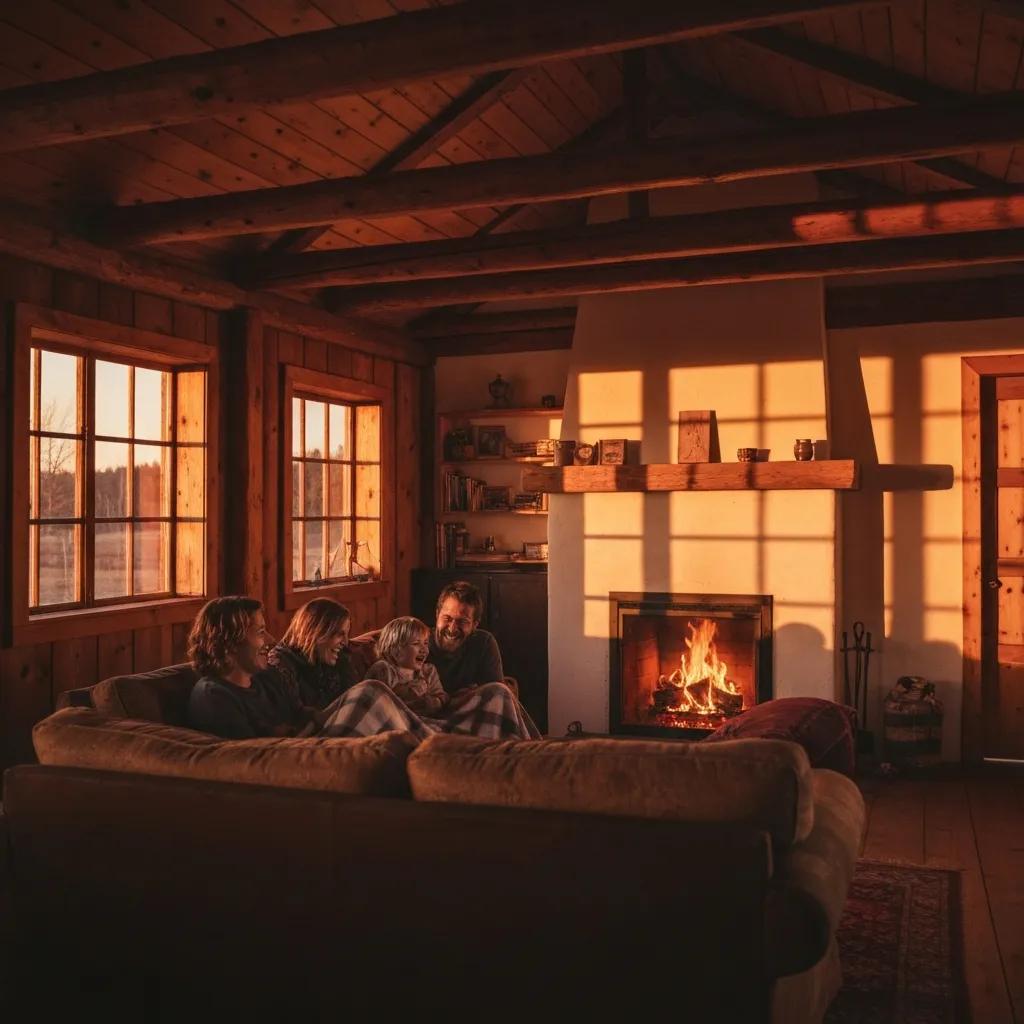
Close your eyes and you can probably see it: the scuffed hallway board you raced down as a kid, the black-and-white kitchen tiles, or the deep pile rug you sank into. Floors do more than hold a room together — they act as sensory anchors that lock sights, textures and sounds into long-term memory. In this article we unpack the psychology behind that connection, show the nostalgic flooring styles most likely to pull at memory threads, and give practical advice on modern materials and care so you can recreate those familiar feels without the faff. You’ll get the science behind the sensation, era-by-era style cues, product-friendly suggestions for hardwood, laminate, vinyl, carpet and tile, plus maintenance tips to keep emotional value intact. By the end, you’ll know how to translate a remembered floor into a real, durable choice for your home.
How Does Flooring Affect Memory and Emotional Connection in Homes?
Floors work as reliable environmental cues: they’re big, visible surfaces we cross day after day, and over time their look, feel and sound become tied to events and routines. When a child always walks down the same hallway or plays on the same rug, the brain links those spatial details with feelings and moments — a process called associative encoding. That’s why a particular floor can instantly trigger a mood or memory. If you choose flooring with this in mind, it can boost comfort, familiarity and a sense of belonging.
Multiple senses support this effect. Visual patterns give context, textures feed tactile memory, and sounds — a creak, a hollow echo, footsteps — give timing and rhythm to our recollections. Research suggests memories that engage several senses are stronger, so floors combining pattern, touch and sound create especially vivid associations. Below are the main sensory routes at work.
Floors trigger memory through three key sensory channels:
- Visual pattern: Distinctive motifs or wood grain act as anchors for episodes and scenes.
- Tactile texture: A soft pile or worn board invites touch-based comfort and recall.
- Acoustic feedback: Footsteps, creaks and resonance mark routines and pacing in memory.
Together these channels build a fuller, longer-lasting impression — and thinking about them helps when choosing materials to recreate that nostalgic feel.
What Role Does Colour Psychology Play in Flooring and Mood?
Colour acts like shorthand for emotion. Warm tones — think honey oak or terracotta — give a feeling of homeliness and safety that many childhood floors carry, while cool greys and blue-leaning finishes feel calmer and more modern. Colour can also date a floor: certain shades instantly signal an era (the 1970s’ oranges and olives, for example). So picking a colour is both an emotional choice and a way to cue a decade.
To match memory, pick tones with intent: warm browns and honeyed finishes for family warmth, muted olive or rust for mid-century reference, and stark black-and-white for retro modernism. Don’t forget finish — matte versus gloss changes perception as much as hue. These decisions lead straight into material choices that deliver matching texture and sound.
How Do Texture and Sensory Experiences Trigger Childhood Memories?
Texture is a powerful bridge to memory because touch links closely with emotion. A deep, shaggy carpet feels like a safe place to play; aged wood with some give has a distinct footfall cadence. Hard floors add their own acoustic signature — creaks and echoes that mark time — and natural finishes can even carry faint scent traces that deepen recall. Combining touch, sound and smell makes memories more durable than sight alone.
Small examples help explain: the way a shag carpet compresses under weight creates a memory of sinking into it; a wide-plank oak’s grain and spring produce a recognisable step. When recreating those sensations, consider finish and underlay — they change how a floor feels underfoot and how it sounds. Knowing these qualities helps you pick modern alternatives that capture the same sensory essence.
The role of sleep and memory consolidation in forming these multi-sensory memories is still an evolving topic in research.
Consolidating Multisensory Experiences into Memories
It has frequently been proposed that information is encoded during experience; however, whether this process adequately describes the consolidation of multisensory experiences into memories remains a subject of debate.
The transformation of multi-sensory experiences into memories during sleep, G Rothschild, 2019
What Are the Most Popular Nostalgic Flooring Styles and Childhood Flooring Designs?
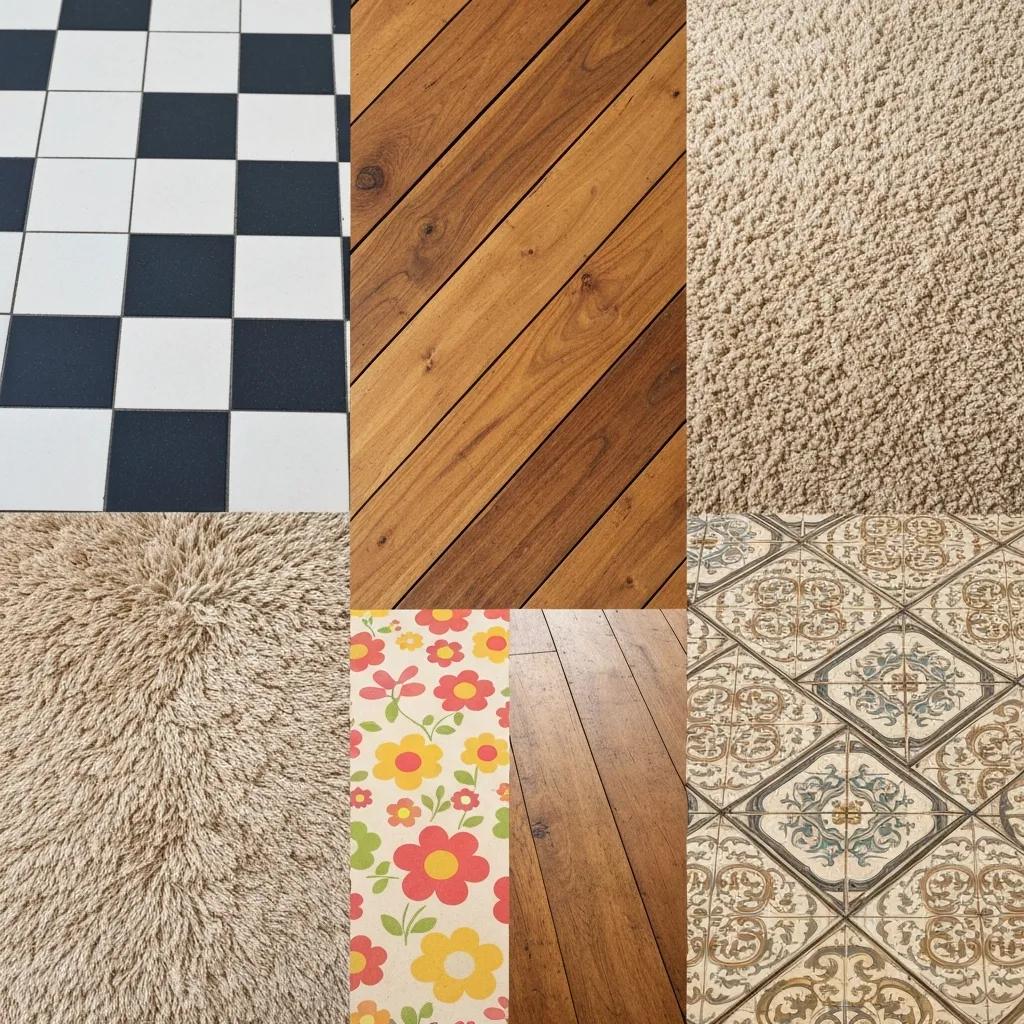
Nostalgic flooring is easy to recognise because each style carries era cues and sensory triggers — they’re cultural signposts as much as surfaces. Expect to see checkerboard tiles, wide-plank vintage wood, retro vinyl or linoleum, shag carpet and ornate Victorian tiles. Each one combines visual pattern, tactile feel and acoustic character in ways that stick in the mind. Below are the most typical styles and the decades they evoke, so you can spot which one might be “your” remembered floor.
Top nostalgic flooring styles and their era cues:
- Checkerboard tiles: A 1950s diner / mid-century kitchen look that reads as high-contrast and everyday.
- Vintage wood flooring: Wide-plank oak or aged pine often found in older British homes — suggests history and family wear.
- Retro vinyl / linoleum: Geometric repeats and terrazzo-like flecks common in mid-century kitchens and hallways.
- Shag carpet: 1960s–70s deep-pile soft flooring often tied to bedrooms and communal lounging spaces.
- Victorian encaustic tiles: Decorative hall tiles from the late 19th / early 20th century that signal craftsmanship and formality.
Use the quick table below to match style, era and the sensory trigger that makes each memorable.
| Style | Era | Primary Sensory Trigger |
|---|---|---|
| Checkerboard tiles | 1950s diner / mid-century kitchen | Strong visual contrast and clear footfall rhythm |
| Vintage wood flooring (wide-plank) | Victorian → mid-20th century | Visible grain, warmth and creak/acoustic signature |
| Retro vinyl / linoleum | 1950s–1970s kitchens / utility rooms | Repeating pattern and smooth tactile surface |
| Shag carpet | 1960s–1970s bedrooms | Deep pile comfort and muted sound |
| Victorian encaustic tiles | Late 19th – early 20th century | Ornate pattern and cool, solid feel |
If a style here rings true, look for hardwood, laminate, vinyl or tiles that replicate the key sensory cues rather than chasing identical specs.
Which Vintage Wood Flooring Types Evoke Strong Emotional Memories?
Reclaimed oak and wide-plank hardwoods feel emotional because their patina, wear marks and grain tell a visible story of use. Those imperfections — a gouge, a repaired knot, softened edges — act like family keepsakes in material form. Finish, plank width and distressing adjust how “aged” a floor feels: a lightly oiled wide plank invites barefoot warmth, while a glossy narrow board reads more formal and new. Maintenance is important here, since preserving patina keeps the emotional link alive.
Shopping notes: reclaimed solid wood gives real history but may need more care; engineered wide-plank options deliver the look with greater stability. For a greener route, reclaimed pieces offer both character and sustainability, letting memory and ethics sit comfortably together.
Product tip: if you’re after the patina, browse hardwood and reclaimed wood ranges that highlight aged finishes and wider formats — they do most of the memory work for you.
What Retro Laminate and Vinyl Patterns Bring Back Childhood Vibes?
Retro laminate and vinyl evoke mid-century kitchens and hallways with geometric repeats, terrazzo flecks and faux-linoleum motifs. Today’s LVP and laminate recreate these looks with tougher wear layers, waterproof cores and textured surfaces that mimic grain or grout — so you get the nostalgia without the old-house hassle. Small-pattern geometrics and bright accents read as 1960s–70s, while monochrome checks call back to the 1950s.
Modern alternatives make it easy to use retro styles in moisture-prone rooms like kitchens and hallways, where original linoleum once lived. Budget-friendly laminate can mimic pattern and colour well, giving a convincing period vibe without breaking the bank.
Quick tip: look for LVP and laminate collections billed as “vintage” or “retro” — they usually combine the right pattern scale with textured finishes that sell the era.
How Can You Choose Flooring That Evokes Your Personal Childhood Memories?
Start by remembering specific cues: what stands out most — the pattern, the colour, the feel, or the sound? Map those cues to material choices and focus on the few attributes that matter most to you. This focused approach gives authentic emotional results without needless expense, while still meeting modern needs like durability and upkeep.
Step-by-step checklist for choosing a nostalgia-driven floor:
- Identify memory cues: Write down the dominant pattern, colour family, texture and sounds you recall.
- Match material attributes: Pick materials that recreate those cues (wide-plank oak for grain, LVP for patterned kitchens).
- Choose modern alternatives where sensible: Use engineered wood or LVP for stability and easier care while keeping the look.
- Consider sustainability and durability: Factor reclaimed options or hard-wearing synthetics to meet lifespan and eco goals.
- Test samples in situ: View swatches at different times of day to check colour, sheen and feel.
Once you’ve nailed the cues, compare materials using the quick guide below to balance appearance, upkeep and budget.
| Material | Attribute | Value |
|---|---|---|
| Engineered wood | Durability | Medium — stable with an authentic appearance |
| Reclaimed wood | Sustainability | High — genuine patina, eco-friendly if responsibly sourced |
| LVP (Luxury Vinyl Plank) | Maintenance | Low — waterproof and easy to clean |
| Laminate (retro patterns) | Cost | Low to medium — affordable vintage looks |
| Carpet (pile options) | Comfort | High — tactile warmth and noise damping |
This quick comparison helps you prioritise what matters — upkeep, longevity or sustainability — while keeping the emotional goal front and centre.
What Modern Flooring Options Mimic Vintage and Retro Styles?
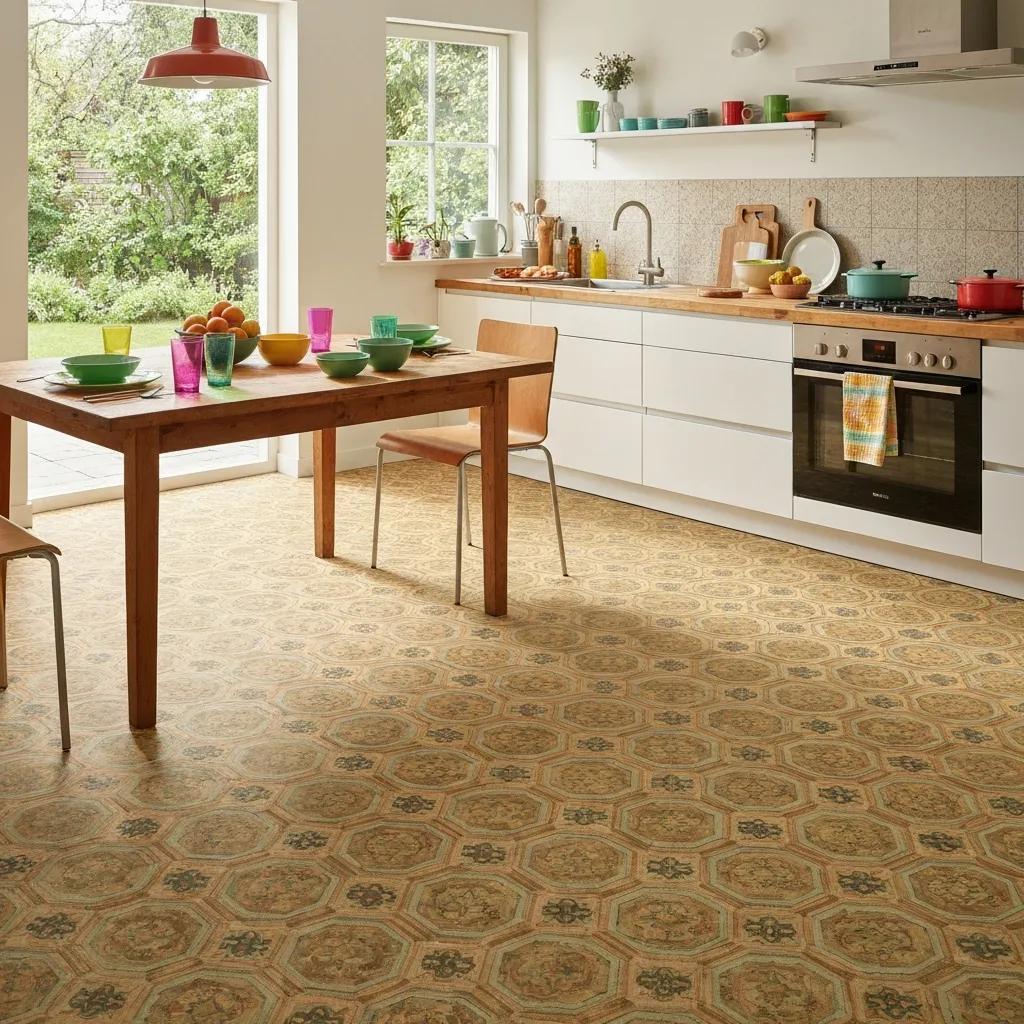
New flooring technology lets you get vintage looks with modern performance. Engineered wood gives you real grain and appearance with a stable core; LVP and laminate offer patterned, textured surfaces that mimic vinyl, linoleum and tile but are simpler to fit and maintain. Cork and responsibly treated bamboo can also deliver warm, tactile floors with better sustainability credentials. Each route balances authenticity, upkeep and cost differently.
Choose engineered wood when appearance and longevity are key, LVP or laminate for high-traffic or wet areas where pattern matters, and reclaimed wood when true historic character is worth extra care. These options let you recreate memory triggers while keeping day-to-day life practical.
How Do Sustainable and Durable Flooring Materials Fit Nostalgic Designs?
Reclaimed wood, cork and responsibly sourced bamboo can all carry a nostalgic, warm quality while lowering environmental impact. Durability varies: reclaimed and engineered wood need occasional care, cork can dent, and LVP is highly wear-resistant though it won’t develop a true patina. The trick is picking materials that reproduce the sensory cues you prioritised while fitting your maintenance tolerance and sustainability goals.
In practice, reclaimed wood is often used in period restorations for authenticity, while LVP and engineered formats are chosen where low-maintenance durability is essential. Balancing these factors helps you capture the feel of an original floor without inheriting impractical upkeep.
Product-finding tip: filter collections by era, texture and sustainability to find options that match both look and values.
Why Did Childhood Homes Always Have ‘That One Floor’?
Many childhood homes had a memorable floor because floors are stable, everyday backdrops that stick around for years. Economic choices, available materials and popular trends of each era created common looks, while families chose durable or budget-friendly finishes for high-traffic areas. The result: certain floor types became widespread across a generation or region and now act as shared memory anchors.
Floors also played clearly functional roles — tiles for busy hallways, wood for formal rooms, carpet for bedrooms — so these practical decisions reinforced their presence in daily life. Because routines concentrate memory encoding on repeated surfaces, floors often outlast wallpaper or décor as the strongest recall cue. Knowing this helps when deliberately recreating a “signature” floor.
How Does Spatial Memory Link Flooring to Childhood Home Layouts?
Flooring helps structure space: different floor types define rooms and pathways, and repeated transitions — from hall to kitchen, or carpet to lino — create sequences our brains learn. These transitions act as landmarks in spatial memory, so stepping onto checkerboard tiles can trigger a different cluster of memories than padding into a carpeted bedroom. Keep transition cues like thresholds or runners if you want to preserve those route-based associations.
When renovating to match memory, pay attention to how floors change between rooms — maintaining those cues helps the space feel familiar and true to your recollection.
What Emotional Comfort and Identity Does Flooring Provide in Childhood Homes?
Floors hold emotional weight because they form the stage for everyday rituals — sitting on a kitchen floor, racing down a creaky hallway, or the familiar give of a worn stair tread. Repeated interactions create attachments to material qualities (the warmth of wood, the softness of carpet) and symbolic meanings (an heirloom floor, or patched boards that tell a family story). Floors become physical storybooks of identity and belonging.
To recreate that effect, choose materials and finishes that invite the same interactions and gentle wear — finishes that encourage bare feet, informal seating or play — and accept that a bit of ageing adds to the emotional value. That approach naturally ties into the current trends blending authenticity with sustainability.
What Are the Latest Vintage Flooring Trends in the UK for Nostalgic Home Design?
UK trends now favour a move from cool greys back toward warm, honeyed flooring tones, a revival of checkerboard and herringbone patterns, and greater use of biophilic and reclaimed materials. The shift comes from a wider desire for tactile, sustainable interiors that combine heritage character with modern performance. Warm oak and caramel finishes are popular for creating a lived-in, homely feel, while patterned tiles make a comeback in kitchens and hallways as visual anchors.
Sustainability plays a role too: reclaimed timber and natural materials are chosen for both ethics and the authentic ageing they offer. Designers often pair these floors with plants and natural textures to amplify sensory richness. The takeaway: prioritise material and finish when aiming for contemporary spaces with a nostalgic heart.
Which Warm-Toned and Classic Patterns Are Making a Comeback?
Warm palettes — honey, caramel and chestnut — are back in vogue, and classic patterns like checkerboard, herringbone and small-scale terrazzo are used as focal points in kitchens and hallways. Herringbone restores period elegance, checkerboard injects retro contrast into utility areas, and terrazzo brings durable texture with vintage charm. Smart pattern placement — bold in small transitional zones — preserves intimacy while adding memorable visual anchors.
Pairing warm tones with period patterns gives an authentic nostalgic feel without sacrificing modern function.
How Are Biophilic and Sustainable Flooring Trends Enhancing Nostalgic Styles?
Biophilic materials such as reclaimed timber, cork and natural stone introduce texture, warmth and ecological credibility that amplify nostalgic character. Visible repair and reuse don’t just signal sustainability — they add story and depth to a floor. By combining reclaimed elements with modern installation standards (engineered backs, moisture barriers), you can achieve floors that feel historic yet perform reliably today.
This blend of sustainability and nostalgia creates floors that tell a story while meeting modern needs — a practical and emotional win for long-term satisfaction.
How Should You Care for and Maintain Your Memory-Evoking Flooring?
Looking after a nostalgic floor protects both appearance and emotional value. Aim to stabilise and preserve surfaces without erasing the patina that gives them character. Follow material-specific cleaning routines, perform measured restorations that keep surface history, and ensure correct installation to avoid premature damage. These habits extend both function and the memories a floor holds.
| Material | Maintenance | Recommended Care |
|---|---|---|
| Reclaimed wood | Cleaning | Dry mop and use an approved wood cleaner; avoid harsh chemicals |
| Engineered wood | Restoration | Light sanding and recoat only where the manufacturer allows |
| LVP / Vinyl | Stain resistance | Damp mop with a pH-neutral cleaner; avoid abrasive tools |
| Ceramic / Encaustic tile | Grout care | Seal grout regularly and use gentle scrubbing |
| Carpet (pile) | Vacuuming | Vacuum often and arrange periodic professional deep cleans |
This quick guide highlights how care differs by material and points you to practices that preserve aged character while extending lifespan.
What Are Best Practices for Installing Vintage and Retro Flooring?
Good installation starts with proper substrate prep: moisture checks, acclimatisation for timber and the right underlay to get the acoustic and tactile feel you want. Professionals are worth hiring for patterns like checkerboard or herringbone to keep lines true, whereas click-fit LVP is a solid DIY option for retro looks. The right underlay influences comfort and sound — both crucial for recreating the original sensory profile.
If authenticity matters, pick installers with period experience; for cost-effective retro styles, reputable laminate or LVP plus careful subfloor prep will deliver consistent results. Correct installation prevents problems and preserves the sensory cues that feed memory.
How Can You Maintain Flooring to Preserve Its Emotional and Aesthetic Value?
Everyday care should prevent damage while respecting patina. Avoid over-enthusiastic sanding, use manufacturer-recommended cleaners, and deal with spills fast to prevent stains. Small repairs — spot refinishing, sympathetic regrouting or careful patching — restore function without wiping away the story a floor tells. Seasonal routines like humidity control on timber floors reduce movement and protect acoustic properties.
Practical steps: vacuum carpets regularly, clean vinyl with pH-neutral solutions and check reclaimed planks now and then for loose nails or gaps. Don’t erase history with over-restoration — choose conservation-minded repairs that keep the worn elements that carry emotional meaning. Retailers with broad ranges can often help source matching materials and accessories to keep the look consistent.
Many retailers now curate vintage and retro collections across hardwood, laminate, vinyl, carpet and tiles, with filters for era, texture and sustainability to help you find the right match. Comparing collections by material and finish helps balance nostalgia with budget and longevity.
Understanding the neuroscience behind tactile memory deepens our appreciation for how surfaces shape experience.
Cognitive and Neural Correlates of Tactile Memory
This article reviews the recent literature concerning the cognitive and neural correlates of tactile memory. We commence by defining our use of the term tactile memory, noting that it is employed herein as a concise descriptor for memories pertaining to the perception of tactile/haptic information and its representation within the brain.
The cognitive and neural correlates of tactile memory., A Gallace, 2009
- Sample wisely: Order several samples and view them at different times of day before you decide.
- Prioritise sensory cues: Spend on the attributes that trigger the strongest memories — pattern, texture or sound.
- Match maintenance expectations: Pick a material whose care routine fits your lifestyle.
These simple tips connect the emotional aim of recreating “that one floor” with the realities of buying, installing and living with it — so your new or restored surface becomes a living backdrop for the next chapter of family stories.


About The Author