


Why Flooring Is the Hardest Product to Return in E-commerce
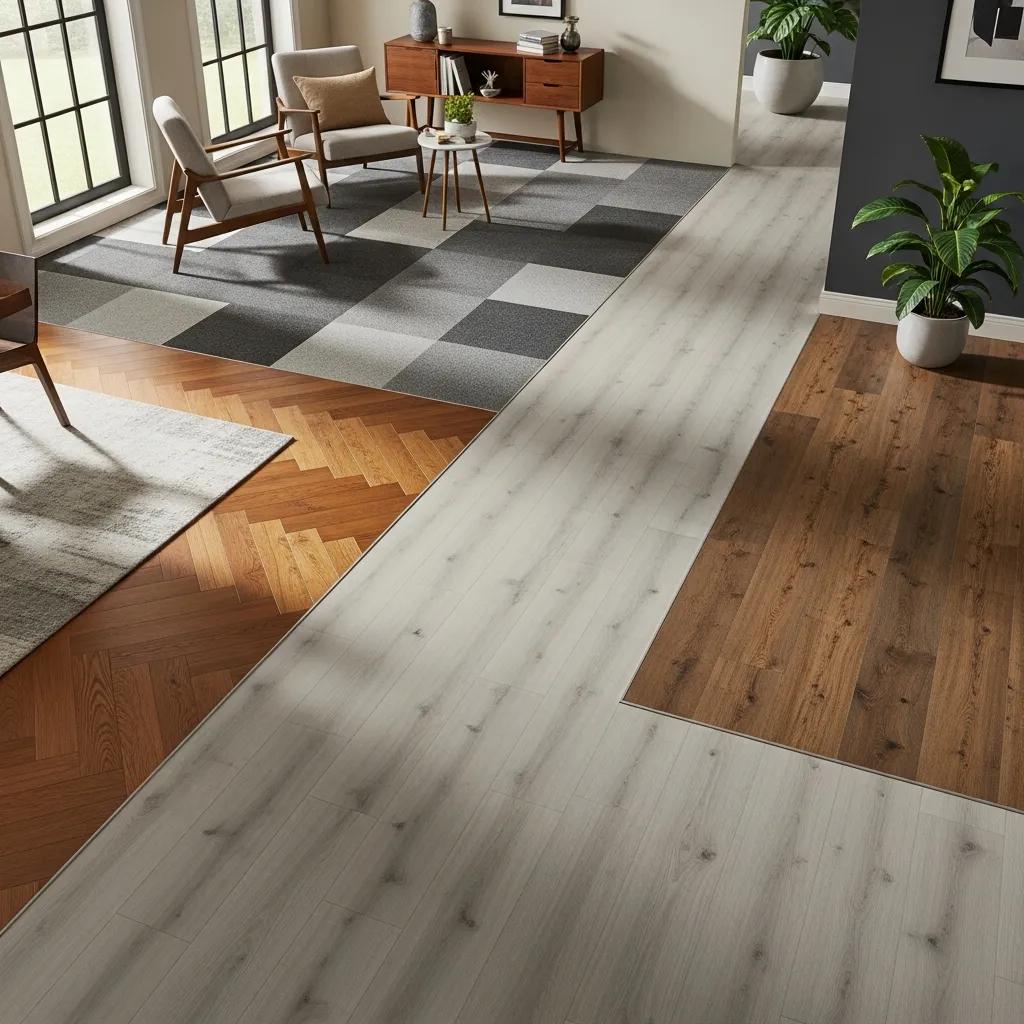
Returns for flooring are more expensive and complex than most online purchases. That’s because flooring combines large, heavy packages, surfaces that must look perfect, and installation details that vary from site to site. This guide explains why products from engineered wood and laminate to luxury vinyl plank and carpet rolls drive higher reverse‑logistics costs, more return rejections and greater customer friction than standard parcel items. You’ll get the three main drivers behind tricky flooring returns, the common buyer reasons for sending product back, how retailers calculate the burden, and practical policy and product‑discovery steps that cut returns. Along the way we offer clear checklists, easy comparison tables and implementable ideas — sample programmes, visualisers and measurement tools — to boost buyer confidence. The piece is written for retailers wanting tighter operations and for customers who want predictable online buying outcomes, with each section pointing to the next logical step. Keywords like online flooring, flooring e‑commerce challenges, flooring returns policy and virtual flooring visualiser are included to help discoverability and practical use.
What makes flooring returns uniquely challenging in e-commerce?
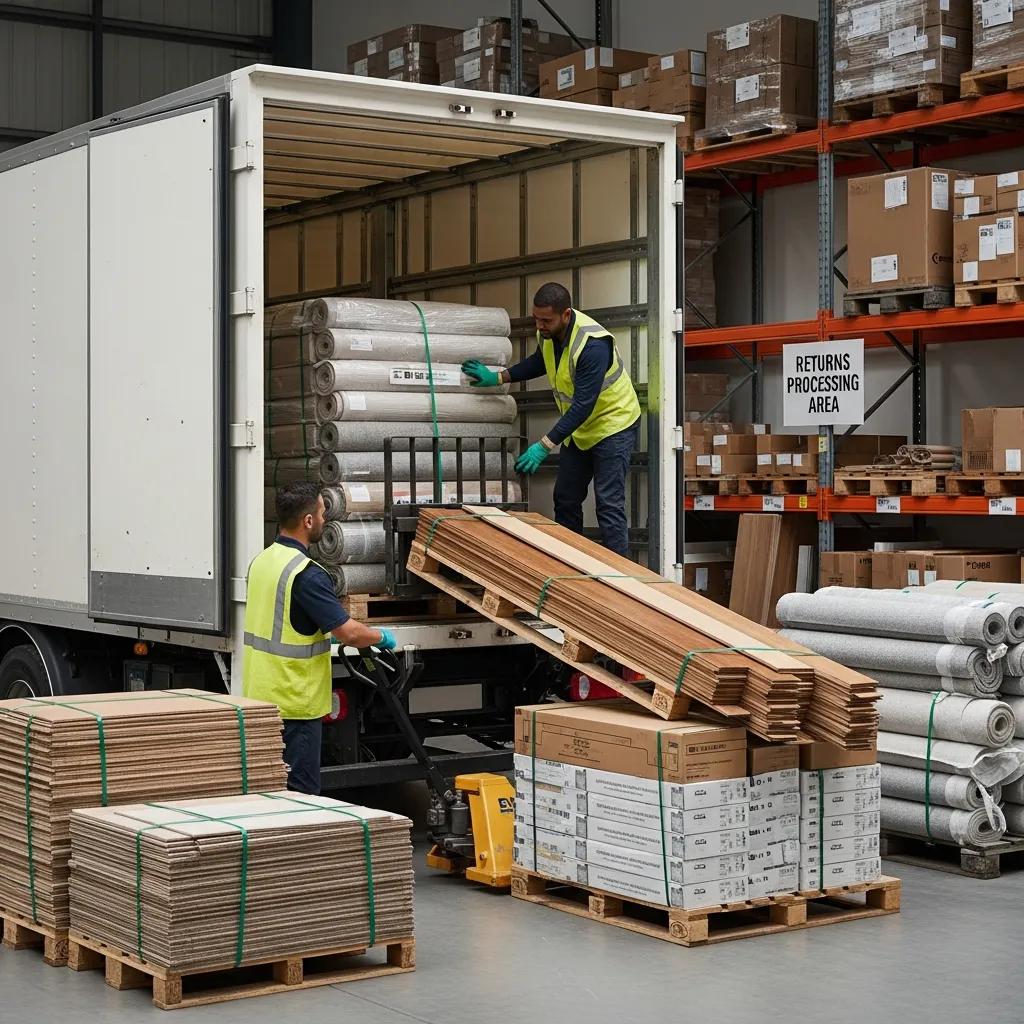
Flooring returns are driven by three interacting factors: physical scale, shipping and handling needs, and product variability. Big boxes of planks or rolls usually need palletised freight, tail‑lift or lift‑gate services and specialist handling that standard parcel carriers don’t offer — all of which raise return costs and complicate scheduling. Surface‑sensitive materials raise the risk of rejection because scratches or edge damage reduce resale value, and natural variation in colour and grain makes exact restocking difficult. Put together, heavy, bulky packs with visible, hard‑to‑repair surface damage create reverse‑logistics paths that are costly, slow and often end in write‑offs. The sections that follow separate the freight and fragility issues and compare common flooring types so you can see how logistics change by material and packaging.
Different flooring products have distinct handling footprints and packaging needs that influence reverse logistics and freight classification.
| Flooring Type | Typical Pack Weight / Size | Return Handling Complexity |
|---|---|---|
| Luxury vinyl plank (LVP/LVT) | 20–30 kg per carton; stacked on pallets | Medium: needs secure strapping and surface protection; restockable if undamaged |
| Laminate flooring | 15–25 kg per carton; sensitive to edge damage | Medium–high: can swell if moisture hits it; careful inspection required |
| Engineered wood flooring | 18–35 kg per carton; single‑layer boards | High: finish damage often non‑repairable; exchanges preferred over refunds |
| Carpet tiles / Rolls | 25–50 kg per roll; awkward dimensions | High: bulky and may need specialist freight for returns |
| Solid hardwood flooring | 20–40 kg per crate; bulkier crates | Very high: bespoke batches, risk of lot mismatch and visible defects |
This table shows how product choice affects reverse logistics: heavier or surface‑sensitive materials need better packaging and a higher‑cost return pathway. The next section digs into how weight and scheduling affect reverse logistics.
Weight, bulk, and reverse logistics complexity
When weight and bulk are involved, a return stops being a simple parcel and becomes an organised freight move requiring palletisation, lift‑gates and booked collection windows — all of which add time and cost. Returns often need a different carrier service level to the original delivery (for example, a tail‑lift collection or an appointment slot), and carriers may levy surcharges for residential pickups or non‑standard locations. These operational differences can make a return several times more expensive than the initial delivery. Many retailers therefore work with third‑party freight partners to manage collections and short‑term storage, and they set stricter return rules or higher restocking thresholds for large items to offset these costs. Knowing these freight multipliers helps you design targeted returns rules and prioritise prevention measures like samples and accurate measurement tools.
Fragility, packaging, and transit damage risks
Visible surface damage — scratches, chipped edges, delamination or dents — can render flooring unsaleable even if the product is structurally sound. Inspection failures often lead to write‑offs or costly reconditioning. Best practice packaging for flooring includes full‑surface protective films, corner boards, banding and shrink‑wrap to prevent movement, but damage can still happen during transfers or loading. Inspection criteria must be strict and consistent: minor scuffs may be reconditioned, but finish damage that alters appearance usually cannot be returned to retail standard. Make these acceptance rules clear to buyers at purchase and at returns intake to manage expectations and reduce disputes. The next section looks at the buyer‑side reasons that most often trigger returns.
What are the primary reasons flooring products are returned?
The main reasons customers return flooring bought online fall into four groups: shipping damage and delivery problems, colour and texture mismatch with online images, measurement or quantity mistakes that cause fit issues, and change‑of‑mind. Each cause needs a different response — claims, exchanges or education — and different prevention measures such as sample programmes or clearer measurement tools. Retailers do well to be explicit about what’s covered and what evidence is needed, while buyers should follow inspection steps at delivery to protect their claim rights. The subsections below cover delivery checks and expectation mismatches and offer practical steps sellers and buyers can take to reduce returns.
Common return triggers for online flooring purchases include:
- Shipping damage and delivery problems: Carriers mishandle pallets or drop cartons, causing visible surface or structural harm.
- Colour and texture discrepancies versus online visuals: Studio lighting and screen settings can misrepresent the material, leading to unmet expectations.
- Quantity and measurement errors: Ordering the wrong square metres or linear metres leaves installers short of material.
- Buyer’s remorse / change of mind: Seeing the product in the room leads the customer to choose a different finish or colour.
These triggers require different evidence and dispute pathways; the next section explains what to do at delivery to preserve claims.
Shipping damage and delivery problems
When your flooring arrives, inspect the packaging and the visible surfaces before signing for it. Take time‑stamped photos of cartons and unpacked boards or rolls to document any transit damage. If you spot visible damage, refuse delivery where appropriate, contact the seller and the carrier, and upload photos to the seller’s claims portal within the stated window. Liability can depend on the carrier service or agreed delivery terms — the seller may be responsible until handover, while the carrier may be liable after acceptance — so clear photographic records and quick notification speed resolution. Pre‑purchase visual checks and sample use also help avoid colour and texture disputes later on.
Colour and texture discrepancies versus online visuals
Colour and texture differences usually come from photography choices, studio lighting and customers’ screen calibration, while natural variation in wood and stone‑look products adds another layer of unpredictability. Best practice is to offer physical samples, multiple high‑resolution images with standardised lighting references, and clear product copy that explains expected natural tolerances. Publishing acceptable variation guidelines — for example, small shade differences across a production run — helps buyers know what counts as a claim versus natural variation. Presenting these expectations at point of sale and before purchase reduces disputes and improves satisfaction. The next section looks at the costs retailers face when returns happen.
What is the financial and operational burden of flooring returns for retailers?
Flooring returns carry several stacked costs: reverse shipping, handling and inspection, reconditioning or repackaging, restocking or disposal, plus admin time and lost margin when items sell as clearance or are written off. Per‑return freight charges are often much higher than the original delivery, and there’s labour for inspection and repackaging plus possible disposal fees for unsaleable items. Beyond these direct costs, poor return experiences damage reputation and reduce repeat business, while overly generous policies can invite abuse. Quantifying these elements helps retailers set sensible restocking thresholds and refund rules; the subsections that follow break down cost components and look at customer‑loyalty impacts and policy trade‑offs.
Across e‑commerce, managing and reducing returns is essential to avoiding significant financial and operational strain.
Mitigating High Costs & Complexity of E-commerce Returns
Large volumes of e‑commerce returns create substantial costs for online retailers, weaken competitiveness and make returns management complex. Cutting returns helps retailers reduce these negative effects.
Reducing ecommerce returns with return credits, FJ Martínez‑López, 2023
Returns combine discrete cost items that together can make many flooring returns unprofitable.
| Cost Component | Typical Charge | Notes |
|---|---|---|
| Return shipping (pallet/residential) | £60–£200+ per return | Depends on distance, lift‑gate needs and appointment requirements |
| Handling & inspection | £20–£50 per return | Labour to inspect, unpack, grade and process the item |
| Reconditioning / repackaging | £10–£100 | Varies with damage severity and whether surface restoration is possible |
| Restocking / administrative | £5–£30 | Refund processing and stock ledger adjustments |
| Disposal / write‑off | Variable | When product is unsaleable; treated as inventory loss |
When you add these components up, even a modest return rate can erode margins on low‑margin floor ranges. The next subsection looks at how retailers use restocking fees and other levers to balance this.
Reverse logistics costs and restocking fees
Many retailers introduce restocking fees or an exchange‑first policy to offset reverse‑logistics costs, calculating fees as a percentage of sale or as fixed charges where freight and handling are high. The logic is straightforward: if processing a return regularly costs more than the product margin, the return becomes a net loss unless mitigated by a fee or resale as clearance stock. Clear rules — for example, a full refund if returned unopened within X days, or a reduced refund for surface‑damaged stock — set expectations and reduce disputes. Some retailers waive fees when buyers use pre‑paid labels or agree to an exchange, encouraging outcomes that preserve value. These mechanisms are important inputs to policy design, discussed next.
Impact on customer loyalty and reputation
A clunky returns process damages trust and reduces repeat purchases: customers who face friction or unexpected charges are less likely to buy again or recommend the retailer. On the other hand, transparent, consistently applied policies that favour exchanges and education can preserve satisfaction while controlling costs, boosting lifetime value. Track customer satisfaction specifically for returned orders and monitor whether policy tweaks cut churn; small changes that remove friction often pay for themselves through better retention. The next section outlines practical policy elements that balance fairness with cost control to protect customers and margins.
How can flooring return policies be transparent, fair, and effective?

A practical flooring returns policy is short, visible at point of sale, and clearly differentiates stock, custom and damaged goods while explaining timeframes, required evidence and who pays for return freight. Core elements include a defined return window, condition requirements, an exchange‑first option for finish‑sensitive items, restocking fee rules and special return instructions for heavy or palletised orders. Policies must also meet consumer‑rights rules and show escalation routes to reduce disputes. Below is a checklist‑style policy framework you can use in customer copy or internal SOPs, followed by notes on consistent application and legal compliance.
Flooring policies should be easy to scan and apply; the checklist below covers what buyers expect to see.
- Return window and eligibility: Say exactly how many days returns are allowed and whether opened packaging is eligible.
- Refunds vs exchanges: Prioritise exchanges or store credit for finish‑critical items to avoid reselling visually mismatched stock.
- Restocking and handling fees: Explain when fees apply and give examples (e.g., freight surcharge for residential collection).
- Specialised return instructions: List carrier requirements, photo evidence steps and appointment booking for pallet pickups.
- Custom orders policy: Be clear that bespoke or cut‑to‑size items are usually non‑returnable unless faulty.
- Dispute & escalation route: Show how to escalate a claim and expected resolution times.
Clear return windows, refunds vs exchanges, and restocking terms
Clear timing and condition rules are the foundation of a workable policy: state the number of days from delivery when returns are accepted, define “undamaged and in original packaging,” and explain how refunds are calculated if packaging is opened. Wherever possible, offer an exchange‑first route for finish‑sensitive products like engineered wood or LVP to protect inventory value and customer satisfaction; exchanges cut freight costs and raise the chance of successful resale. Make restocking fee language explicit — for example, a fixed percentage or a freight‑recovery surcharge — and list waiver conditions for carrier‑attributed damage. Example‑driven policy copy reduces enquiries and sets realistic expectations, easing returns handling. The next subsection covers custom versus stock items and UK consumer rights.
Consistent policy application across flooring types and legal compliance
Policies should separate custom or bespoke orders from standard stock: custom items altered to a customer’s specs are typically non‑returnable unless faulty, while off‑the‑shelf products follow standard returns rules. In the UK, consumer rights protect buyers against faulty goods but don’t always guarantee change‑of‑mind returns on customised items — say that plainly to avoid confusion. Internally, use documented decision trees so staff apply rules consistently, and keep records of return authorisations and photos to support dispute resolution. Train front‑line teams on these distinctions and provide a clear escalation path to reduce subjectivity and build customer trust. After covering policy mechanics, the next section looks at proactive measures that cut returns in the first place.
Once your policy is clear and compliant, review product discovery paths that help buyers commit with confidence — many retailers encourage customers to use samples and visualisers before placing large orders.
Which strategies reduce flooring returns and improve post-purchase satisfaction?
Preventing returns is cheaper than processing them, so focus on pre‑purchase confidence: high‑fidelity product visualisation (AR and room visualisers), physical sample programmes, accurate measurement tools and clear installation guidance. These tackle the common root causes — expectation mismatch and measurement errors — and, combined with robust packaging and responsive claims support, can noticeably lower return rates. Choose mitigation measures by weighing effort, cost and expected impact; the table below compares common approaches, and the following subsections expand on visualisation, measurement and packaging tactics with practical steps for retailers and buyers.
Mitigation measures differ in cost and impact and should be chosen to match your product mix and return drivers.
| Strategy | Implementation Effort | Estimated Return Reduction |
|---|---|---|
| Physical sample programme | Medium: logistics for small‑sample fulfilment | 20–40% reduction for visual‑mismatch returns |
| AR/3D virtual visualiser | High: development and content creation | 15–35% reduction; especially effective for finish choices |
| Measurement calculator & guides | Low–Medium: content plus UX integration | 25–50% reduction for quantity/fit errors |
| Enhanced protective packaging | Medium: material and packing changes | 10–30% reduction in transit damage |
| Dedicated customer support for installation | Low–Medium: training and scripted workflows | Reduces escalations and improves first‑fit success |
This comparison shows that sample programmes and measurement tools often deliver strong ROI because they directly prevent the most frequent return causes. The following subsections explain how to operationalise these tactics and which customer touchpoints matter most.
Enhanced product visualisation and sample programmes
High‑quality photography, 3D models, AR room visualisers and physical sample kits each cut uncertainty by showing buyers how a product will look in their home. Sample programmes typically dispatch small swatches or single planks for a small fee (sometimes refundable), so customers can check colour, texture and finish in their own lighting before ordering big quantities. AR and room visualisers let users place a virtual product in a photo of their room, bridging the gap between studio shots and real life. Together these tools make visual decisions more reliable and reduce colour/texture returns. Operationally, sample programmes need SKU tracking and clear incentives to convert samples into orders to stay economical.
Accurate measurement tools, robust packaging, and strong customer support
Measurement calculators and step‑by‑step guides cut quantity and fit errors by walking buyers through area calculations, waste allowances and measuring irregular rooms; a brief confirmation prompt at checkout for square metre totals prevents many mistakes. Robust packaging standards — protective films, corner supports, pallet strapping and moisture barriers where appropriate — lower transit damage rates, while scripted workflows for support teams ensure consistent inspection, claim intake and collection booking. Train customer service to offer installation guidance and to flag likely measurement shortfalls during order capture to reduce downstream returns. Together, these operational steps reduce return volume and improve satisfaction by addressing the most common failure points before they happen.
- Pre‑purchase checklist for buyers: Confirm measurements, order a sample, view products in your room lighting and include a recommended waste margin.
- Packaging checklist for retailers: Use full‑surface protective film, corner boards, pallet strapping and moisture barriers where needed.
- Support checklist for returns: Require photos on arrival, schedule collection appointments, and offer exchange‑first resolutions where feasible.
These practical lists align operational controls with customer safeguards to reduce returns and protect margin. This guide has covered the main drivers, buyer triggers, cost impacts and mitigation tactics — the next step is to combine product discovery tools with clear policy to prevent returns before they start.


