


What Flooring Buyers Regret Most, and Why They Never Talk About It

Many homeowners call "flooring regret" the slow realisation that a once‑exciting choice now creates daily hassle — more cleaning, faster wear or a look that ages badly. Regret usually follows mistakes in selection, installation or maintenance and shows up as premature failure, stubborn dirt, moisture damage or reduced resale appeal. This guide points out the common triggers — from wet subfloors to trend-led colour picks — and gives clear, practical steps to avoid them. You’ll get a snapshot of the top regrets in UK homes, the installation and upkeep failures that cause them, the worst choices to avoid in 2025, and a simple decision framework to match flooring to your lifestyle and budget. We also list expert installation checks and durable alternatives that suit 2025 UK trends, plus practical next steps if you’re planning a replacement or first fit. Read on to spot risks, compare realistic options and learn the maintenance routines that stop small problems becoming costly replacements.
What Are the Most Common Flooring Regrets Among Homeowners in the UK?

Most regrets come from a simple mismatch: the material chosen doesn’t suit the room’s moisture, traffic or maintenance needs. People often pick a finish because it looks great in a showroom, only to find it scratches easily, is hard to clean or reacts badly with underfloor heating or damp subfloors. Knowing these failure patterns helps you prioritise durability, the right installation and realistic upkeep. Below we show which materials commonly cause complaints, why they fail and why homeowners sometimes hide these mistakes.
The most frequent flooring regrets we see across UK homes are:
- Choosing the wrong material for the room: Beautiful finishes that can’t cope with moisture or heavy use.
- Poor subfloor preparation or installation: Issues that cause buckling, gaps or squeaks.
- Following short‑lived trends: Colour or style choices that make a space look dated and can harm resale.
Each of these leads to measurable costs — higher lifetime spend and extra disruption — which we’ll unpack next, along with practical fixes.
Which Flooring Types Cause the Most Buyer Regret?
Different floor types have different failure modes when used in the wrong place. Carpet often suffers staining and pile wear in busy, pet‑friendly homes. Solid hardwood can scratch, cup or warp if installed over damp subfloors. Thin‑layer LVT and laminate show wear sooner or buckle if expansion gaps are ignored. Porcelain and natural stone are long‑lasting but glossy small tiles can be slippery and grout adds ongoing maintenance. Most problems are avoidable by selecting the right subtype — for example low‑pile commercial carpet, engineered wood with a thick wear layer, or high‑grade LVT — and by matching installation to the room’s conditions.
These material‑specific points show why a short requirements checklist — covering moisture, traffic, aesthetics and resale — is essential before you buy.
Why Do Homeowners Often Stay Silent About Their Flooring Mistakes?
People often keep quiet about flooring mistakes because replacement is costly, stressful and very public — visible to guests and sometimes embarrassing. Money is a big factor: early replacement disrupts daily life and typically blows budgets. There’s also a knowledge gap: many owners don’t know about repair options such as targeted repairs, professional deep cleaning or switching to a better‑suited material. Social factors matter too — folks prefer small fixes or hiding the problem rather than admitting a choice that now feels wrong. Understanding these reasons helps professionals offer discreet, cost‑effective solutions and encourages homeowners to act before damage becomes structural.
Spotting problems early means cheaper, less invasive fixes — and avoids the shame of a visible, long‑standing mistake.
How Do Flooring Mistakes Impact Durability, Maintenance, and Resale Value?
Flooring mistakes shorten lifespan, raise maintenance needs and lower perceived value at sale. Poor subfloor preparation or the wrong adhesive speeds up failures like buckling, delamination or hollow spots; picking a material that doesn’t suit your lifestyle leads to visible wear, stains and homeowner disappointment. The result is more repairs, higher cleaning bills and a weaker position when selling compared with a properly chosen and installed floor. The table below summarises common mistakes by flooring type and their typical effects on durability, upkeep and resale — a quick reference to help you decide.
| Flooring Type | Typical Mistake | Impact on Durability / Maintenance / Resale |
|---|---|---|
| Carpet | Installing high‑pile in areas with pets or heavy traffic | Fast pile collapse, staining and higher cleaning costs; reduces buyer appeal |
| Hardwood (solid) | Poor moisture control or wet installation | Cupping, warping and limited refinishing options; risky in damp areas |
| LVT / Laminate | Too thin a wear layer or no expansion gaps | Buckling, surface wear and shorter life; can look cheap to buyers |
| Porcelain / Tile | Small glossy tiles with wide grout lines | Slip risk, grout staining and frequent cleaning; can date a room |
This quick view links specific mistakes to clear outcomes so you can prioritise fixes that protect lifespan and value.
What Installation and Subfloor Errors Lead to Flooring Problems?
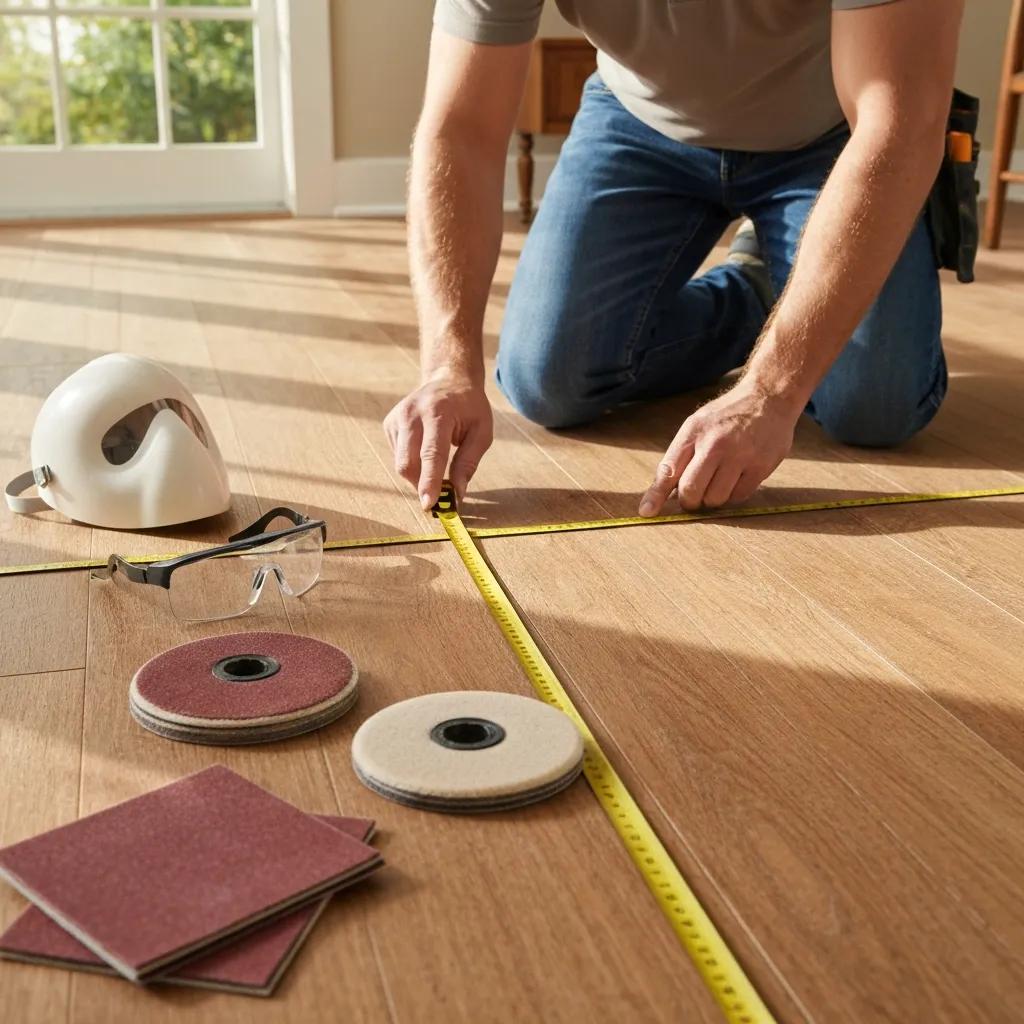
Installation and subfloor errors are common because they’re often hidden until the floor fails. Not testing or fixing subfloor moisture leads to swelling, adhesive breakdown and cupping in wood floors; uneven bases create hollow spots, cracked grout and tile lippage. Using the wrong adhesive or skipping acclimatisation for engineered boards causes expansion problems and early wear. A simple mitigation checklist helps: always moisture‑test the subfloor, clean and level the surface, use adhesives specified for the material and the environment, and allow boards to acclimatise before fixing.
Preventing Failures in Floor Coatings: Testing Concrete Subfloor Moisture Content
Pinelle, Dennis J. Journal of Protective Coatings & Linings; Pittsburgh (Nov 2008): 53–54, 57, 59–62, 64–67.
Testing Moisture Content in Concrete Subfloors: Preventing Floor Coating Failures, 2008
Follow these professional steps and the risk of early failure falls sharply — which is why certified installers are recommended for tricky substrates or wet‑area work.
How Does Neglecting Maintenance Increase Flooring Regret?
Skipping routine care turns small issues into expensive replacements. Missed sealant or grout care on tiled floors lets staining and water ingress set in, while slow spill cleanup on carpets or unprotected wood allows stains and finish damage. Without a simple maintenance schedule, wear becomes uneven and the floor looks tired sooner. A straightforward recurring checklist — sweep or vacuum high‑traffic areas weekly, clean spills immediately, reseal grout annually and use manufacturer‑approved cleaners — preserves appearance and avoids the regret of premature replacement.
Stick to these routines and you’ll protect both the look and the value of your floor.
What Are the Worst Flooring Choices to Avoid in 2025 UK Homes?
Some once‑fashionable choices now carry higher regret risk in 2025: trend colours and high‑maintenance finishes that age quickly or demand constant care. Grey flooring is an example — many buyers and designers are moving back to warmer, natural tones that feel more timeless. High‑maintenance materials — like delicate natural stone in busy kitchens or glossy small tiles in wet rooms — raise upkeep and safety concerns and increase the chance of regret.
Below are the specific choices to avoid in 2025 and why they cause problems.
- Grey, overly cool wood tones in main living areas: Tend to date faster and narrow buyer appeal.
- Glossy small‑format tiles in bathrooms and kitchens: Slip risks and grout traps grime.
- Delicate natural stone in high‑traffic family rooms: Prone to stains and chipping, increasing repair costs.
Each has practical, lower‑risk alternatives that keep the look but reduce long‑term hassle — we cover those next.
Why Is Gray Flooring Considered Outdated and Regretted?
Gray was everywhere for a while, but by 2025 it’s showing signs of trend fatigue. Interiors are shifting toward warmer, natural wood tones and textured finishes. Grey can make rooms feel colder and may pick up dated decor trends as surrounding styles change, which can hit resale. Homeowners who picked grey for a contemporary look sometimes regret it when buyers prefer warm neutrals and wide planks. A better bet is mid‑tone natural woods or engineered boards with warm undertones and texture — they age more gracefully and hold resale value.
Choosing timeless finishes over fashion‑led tones lowers the chance you’ll want to replace a still‑functional floor in a few years.
Which High-Maintenance Flooring Types Cause Frequent Problems?
High‑maintenance floors are those that show wear quickly or need specialist care — plush carpets, untreated delicate stone and glossy tiles with lots of grout are common culprits. Plush carpet traps dirt and stains in homes with kids or pets, natural stone that isn’t sealed stains or erodes with acidic spills, and small glossy tiles can be slippery and demand frequent grout work. Practical alternatives include large‑format porcelain, durable LVT in wet zones, and low‑pile commercial carpets in family areas to balance comfort with ease of upkeep.
When you factor time and cost, low‑maintenance options usually win for busy households.
How Can Homeowners Choose Flooring That Fits Their Lifestyle and Budget?
Start with a short needs assessment: note room function, moisture risk, foot traffic, household members (pets/children) and resale priorities. Use that to balance durability, maintenance and cost against the look you want. The decision matrix below maps common flooring types to lifestyle fits and risk levels so you can quickly narrow choices. Before you buy, request samples, check slip resistance and ask about warranties and recommended care to match expectations with likely lifespan.
| Flooring Type | Lifestyle Fit (Pets / Kids / Traffic / Moisture) | Recommended Use / Risk Level |
|---|---|---|
| LVT (Luxury Vinyl Tile) | Great for pets and kids; waterproof and easy to clean | Ideal for kitchens, hallways; low regret risk |
| Porcelain Tile | Handles high traffic and moisture; needs grout care | Good for bathrooms and utility areas; medium maintenance |
| Engineered Wood | Suitably durable for moderate traffic; pick a strong wear layer for pets | Good in living spaces; moderate risk in damp basements |
| Cork / Bamboo | Eco‑friendly and comfortable; moderate water sensitivity | Best for bedrooms and offices; low risk if well sealed |
This matrix clarifies trade‑offs so you can choose materials that suit how you live and what you can maintain.
To provide useful information and guide users to discover and purchase a wide range of flooring products at competitive prices, ensuring customer satisfaction.
What Flooring Options Are Best for Pets, Kids, and High-Traffic Areas?
When pets, kids or constant footfall are a factor, prioritise scratch resistance, waterproofing and easy‑clean surfaces. LVT is a top low‑regret choice — waterproof, scratch‑resistant and available in realistic wood and stone looks. Porcelain is extremely durable for kitchens and utility spaces but needs grout attention. Engineered wood with a thick wear layer gives warmth and timber aesthetics while tolerating moderate traffic, though extra protection is needed at wet entry points. Practical tips: use protective pads, put mats at doors and choose stain‑resistant finishes.
These choices reduce daily upkeep and lower the chance of an early, regret‑driven replacement.
How Does Budget Influence Flooring Regret and Quality Decisions?
Budget matters because the cheapest upfront option often costs more over time through earlier replacement or heavier maintenance. Low‑cost materials without adequate wear layers or moisture resistance may need replacing within a few years. Mid‑range durable choices often give a lower cost‑per‑year and less disruption. Premium materials can pay off for resale or long‑term satisfaction — but only if installation and subfloor prep are done well. A useful rule: divide upfront cost by expected lifespan to estimate cost‑per‑year and compare real value instead of just price.
A balanced strategy — spending more where it counts and saving where it doesn’t — usually delivers the best long‑term satisfaction.
What Expert Advice Helps Avoid Flooring Regret and Ensure Satisfaction?
Expert advice centres on prevention: pick the right material, assess the subfloor thoroughly and hire professionals when complexity demands it. Pros begin with moisture testing, subfloor levelling and specifying the correct adhesive and underlay — actions that reduce buckling and delamination. Design guidance leans toward timeless colours, suitable plank widths and textures that hide wear while appealing to buyers. The practical takeaway: informed purchases and comparing product ranges and pricing prevent many regret scenarios by aligning choice with real use.
To provide useful information and guide users to discover and purchase a wide range of flooring products at competitive prices, ensuring customer satisfaction.
How Can Professional Installation and Subfloor Preparation Prevent Regret?
Professional installers follow a reliable protocol: moisture testing, precision levelling, the right adhesive and board acclimatisation. Tools like moisture meters and levelling compounds catch hidden risks DIYers may miss, and certified installers often back their work with warranties that protect you. Consider a pro when substrates are complex, you have underfloor heating or there are signs of rising damp. In many cases, hiring a pro saves time and money versus fixing a botched DIY job.
When these essential steps are taken, floors are far more likely to reach their expected lifespan and performance.
Why Are Timeless Designs and Sustainable Materials Better Choices?
Timeless designs and sustainable materials reduce regret by keeping broad buyer appeal and meeting modern environmental expectations. Classic plank widths, warm undertones and textured finishes remain desirable across changing trends, while responsibly sourced engineered wood, cork or recycled LVT lower ecological impact. Sustainable options may cost a little more up front but often bring resale and reputation benefits, and can be durable when specified correctly. Choosing timeless design and responsible materials builds lasting value and lowers the risk of a dated look.
These choices protect both household budgets and long‑term satisfaction with the finished space.
What Smart Flooring Alternatives Reduce Regret and Meet UK Market Trends?
Smart alternatives in 2025 balance durability, low maintenance and the market’s move toward warm, natural finishes and sustainability. LVT remains a practical choice for kitchens and busy areas because it’s waterproof with realistic visuals. Large‑format porcelain reduces grout maintenance and, when finished correctly, lowers slip risk. Engineered wood with a robust wear layer is safer than solid hardwood in homes with variable moisture, and cork or responsibly sourced bamboo offer eco‑friendly comfort where moisture is controlled. Use product discovery tools and compare materials and pricing to find the best fit and reduce regret.
| Recommended Alternative | Key Benefits (Durability / Maintenance / Sustainability) | Why It Reduces Regret |
|---|---|---|
| LVT (High-grade) | Waterproof, scratch‑resistant and low maintenance | Reduces replacement risk in busy households |
| Large-format Porcelain | Durable, minimal grout and stain resistant | Cuts cleaning time and improves safety |
| Engineered Wood (thick wear layer) | Timber look with better moisture resilience | Maintains aesthetic value with less moisture risk |
| Cork / Bamboo (sustainably sourced) | Comfortable, renewable with good thermal properties | Appeals to eco‑conscious buyers and reduces regret |
This comparison ties each alternative to the regret it solves, making it easier to pick a flooring type that matches both lifestyle and 2025 trends.
Which Flooring Materials Offer Durability and Low Maintenance in 2025?
Top low‑regret options for 2025 combine resilience with easy upkeep: LVT for kitchens and family areas, large‑format porcelain for wet and high‑traffic rooms, and selected engineered woods for living spaces that need warmth with lower moisture risk. Cork and responsibly sourced bamboo give comfortable, sustainable options for bedrooms and offices where moisture is controlled. Maintenance varies — LVT needs sweeping and occasional mopping, porcelain requires grout sealing and cleaning, and engineered wood benefits from manufacturer‑approved cleaners and protective pads. Pick the right material for the room and commit to a simple care routine to minimise replacement risk and keep satisfaction high.
Matching materials to rooms lowers daily upkeep and cuts the chance of early replacement driven by regret.
How Do Flooring Alternatives Improve Resale Value and Customer Satisfaction?
The right material increases resale appeal by signalling durability, low maintenance and current style — qualities buyers look for in 2025 UK market trends. Homes with practical, well‑installed floors report better buyer satisfaction and fewer sale‑time repairs. For example, replacing a high‑maintenance carpet in a ground‑floor kitchen with LVT can stop buyers factoring in immediate replacement costs. One homeowner we know switched to LVT and avoided early replacement, which improved buyer perception and helped at sale — a clear example of how fit‑for‑purpose materials and proper installation protect enjoyment and resale value.
Choosing the right alternative and installing it correctly reduces regret and supports better financial outcomes.
To provide useful information and guide users to discover and purchase a wide range of flooring products at competitive prices, ensuring customer satisfaction.


