


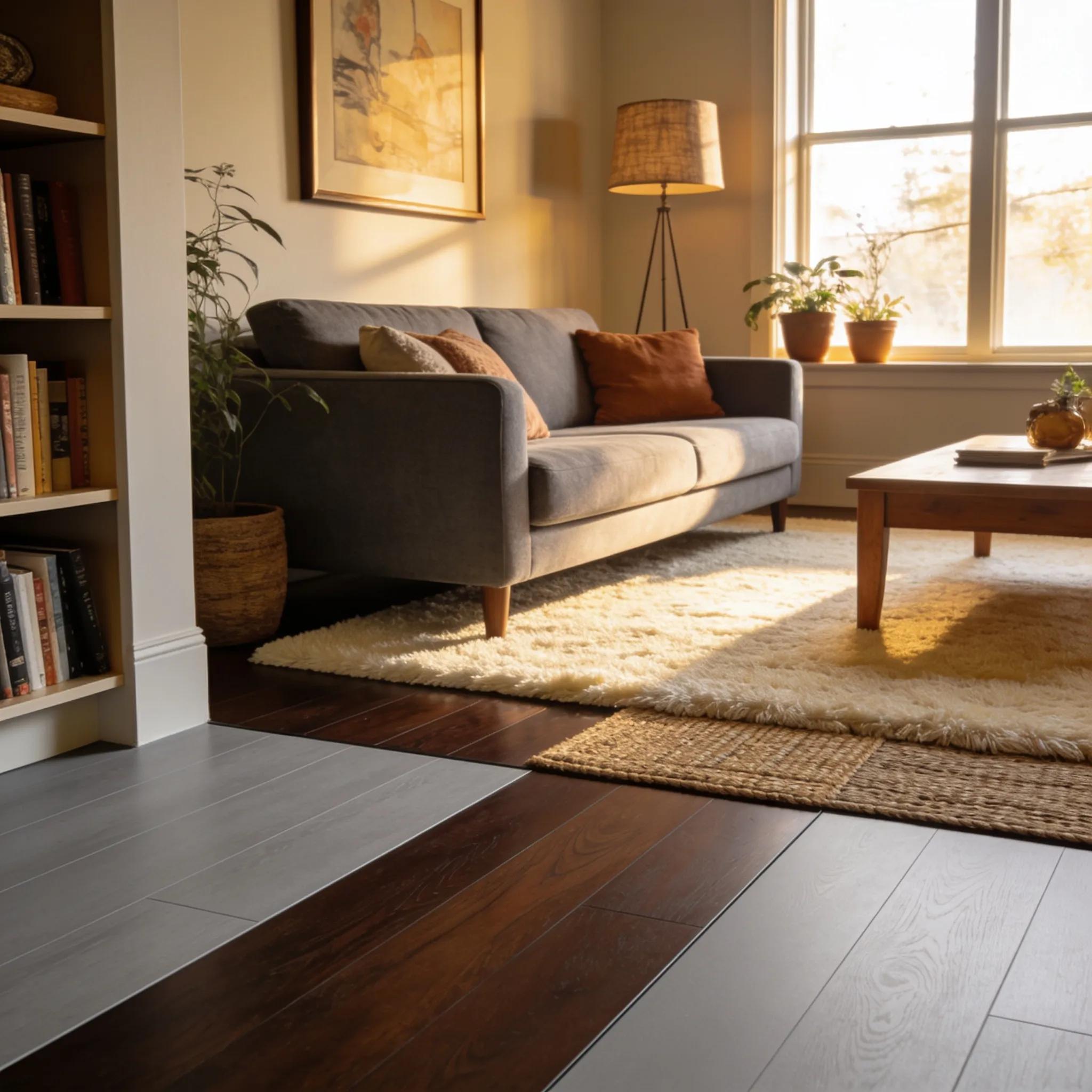
The right flooring can change how a room feels the moment you step inside. Material, surface texture, and design all influence whether a floor feels welcoming, practical, or luxurious. This guide walks through what makes flooring comfortable, how to match materials to different rooms, the latest design directions that balance style with feel, and how your choices affect home value and sustainability. Use these insights to pick floors that work for your life and your house.
Which Flooring Materials Create an Instantly "Right" Feel?
Material selection is central to underfoot comfort. Every surface brings its own tactile and thermal qualities that shape a room’s atmosphere. Learning what each option offers helps you design spaces that feel purposeful and pleasant.
How Do Texture, Warmth, and Softness Shape Flooring Comfort?
Texture, warmth, and softness are the main cues your feet use to judge a floor. Texture is the surface feel — smooth, grained, or slightly textured. Warmth refers to how the material holds temperature, and softness describes how much the surface yields under pressure. Carpets deliver plush warmth, ideal for bedrooms and lounging areas. Hardwood feels firmer and can be warmed with rugs. Understanding these qualities lets you combine materials to achieve the exact feel you want.
What Are the Most Comfortable Flooring Materials for Homes?
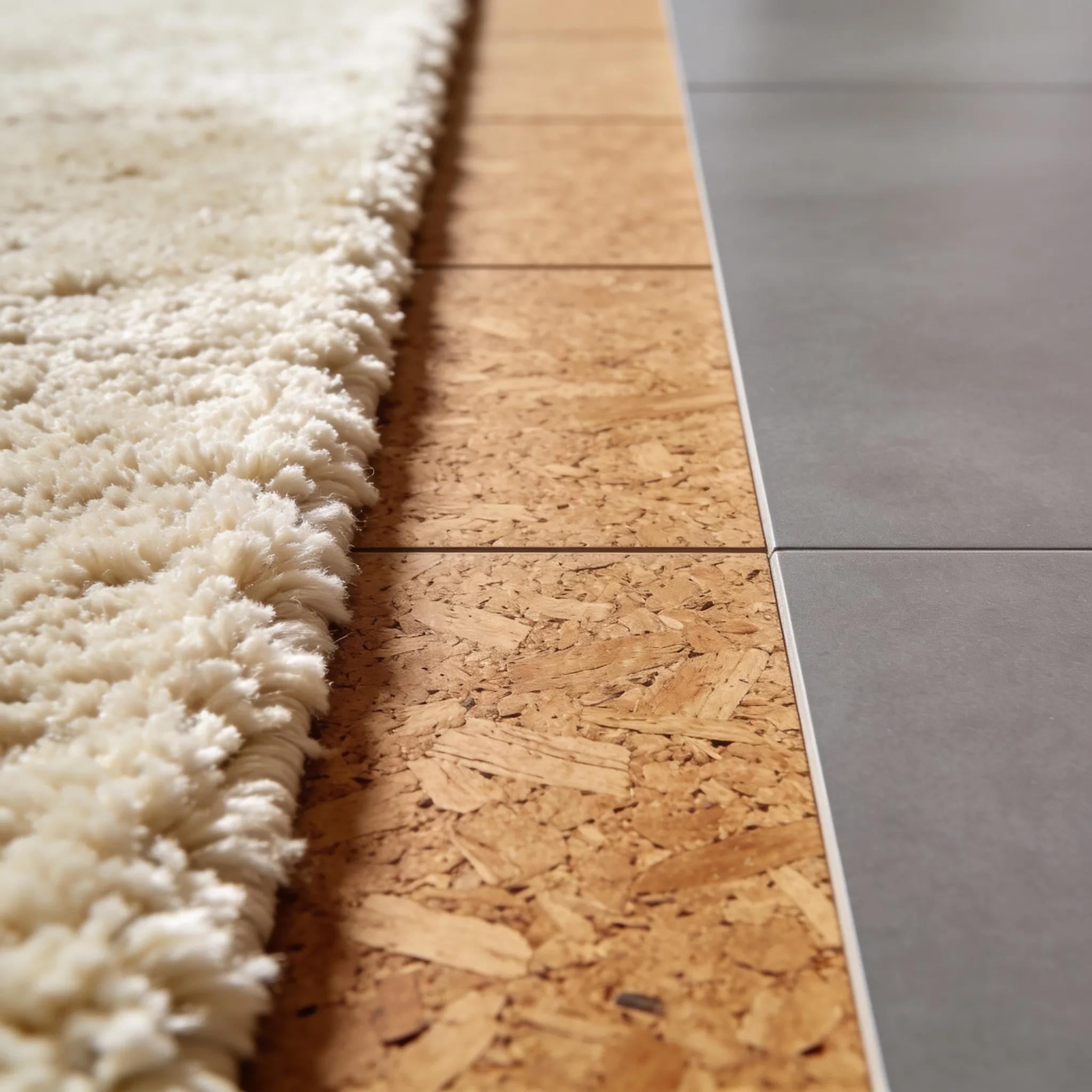
When comfort is a priority, these materials consistently perform well:
- Carpet Flooring: Soft and insulating, carpet creates a cozy, quiet surface—perfect for bedrooms and family rooms.
- Vinyl Flooring: Versatile and forgiving underfoot, modern vinyl can mimic wood or stone while offering a softer feel—good for kitchens and bathrooms.
- Cork Flooring: Naturally cushioned and warm, cork provides comfort, sound dampening, and thermal insulation—great for living areas and playrooms.
Each option blends comfort with visual character, so you can prioritize feel without sacrificing style.
How to Choose Flooring That Feels Right for Your Home?
Picking the best floor starts with the room’s purpose, your daily habits, and your aesthetic preferences. Think about traffic, moisture, and how much maintenance you want to handle.
Which Flooring Materials Suit Different Rooms Best?
Rooms have different needs, so match material to use:
- Living Rooms: Hardwood or quality laminate offers a timeless look; add area rugs for softness and warmth.
- Kitchens: Durable, easy-to-clean choices like vinyl or tile stand up to spills and heavy use.
- Bathrooms: Waterproof options such as tile or luxury vinyl protect against moisture and keep maintenance low.
Choosing the right material for each space keeps your home comfortable and functional.
What Factors Should Guide Your Flooring Selection?
Consider these essentials when choosing floors:
- Budget: Set a realistic range for materials and installation costs.
- Maintenance: Some floors need regular care; others are virtually hands-off.
- Durability: Match the material to the room’s foot traffic and wear-and-tear.
Balancing cost, upkeep, and durability helps you pick flooring that lasts and suits your lifestyle.
What Are the Modern Flooring Design Ideas That Enhance Comfort and Style?
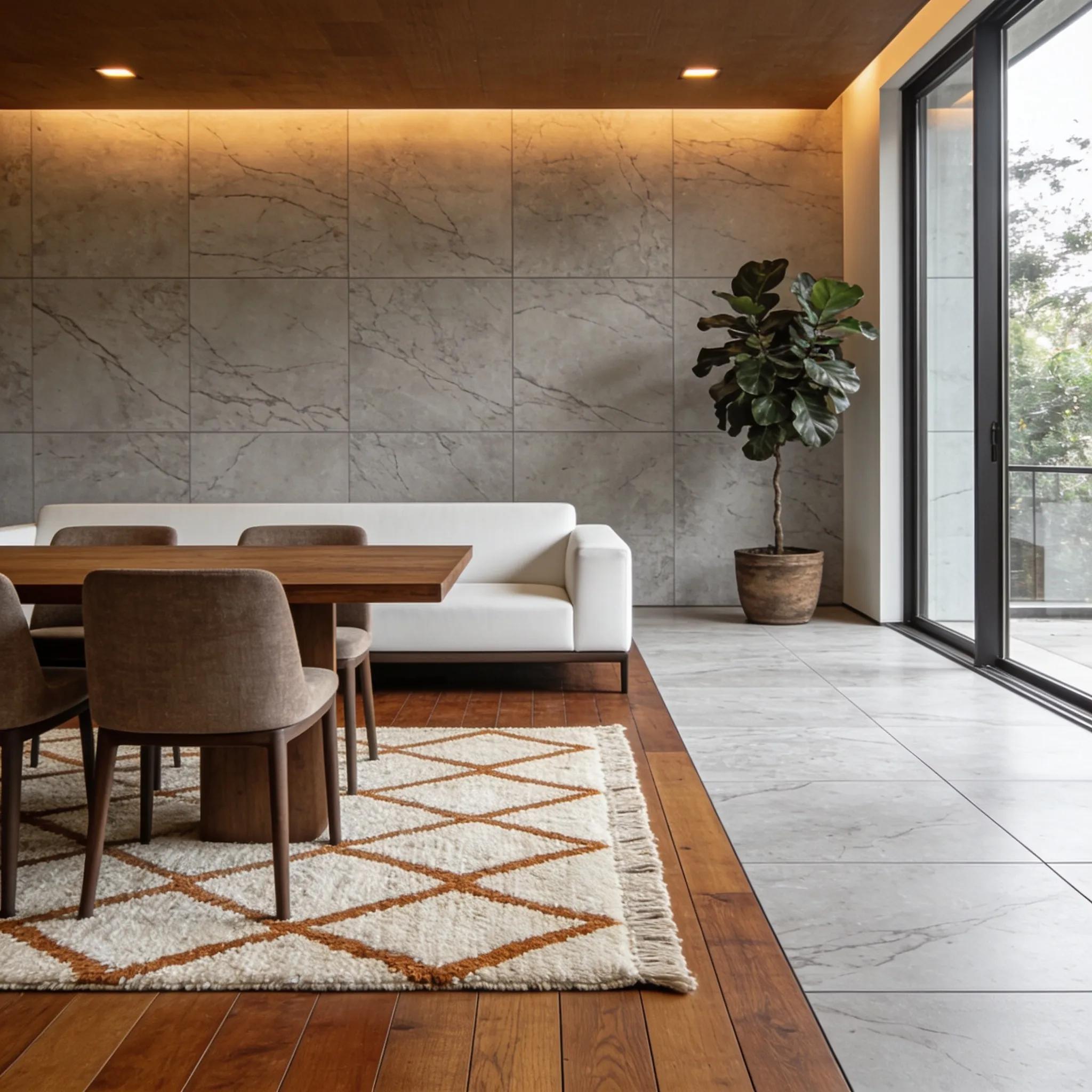
Today’s flooring trends prioritize comfort without sacrificing design. Homeowners seek materials and finishes that feel inviting while supporting a cohesive look throughout the home.
Which 2023 Flooring Colors and Patterns Are Trending?
Recent trends lean toward natural hues and subtle patterns that calm and connect spaces to the outdoors. Earthy browns, muted greens, and wood- or stone-inspired textures are popular for their timeless appeal and easy pairing with different décor styles.
How Do Design Styles Affect the Feel of Your Floor?
Style choices shape how flooring reads in a room. Minimalist spaces often use sleek, cool surfaces like polished concrete or large-format tile to create an open, airy feel. Traditional interiors tend toward warm hardwoods and plush carpets that foster coziness. Picking a floor that supports your overall design ensures the sensory experience matches your vision.
How Does Flooring Impact Property Value and Sustainability?
Flooring can boost resale appeal and reflect sustainable values. High-quality materials often increase perceived value, while eco-conscious choices appeal to buyers focused on longevity and environmental impact.
Which Flooring Options Increase Home Value the Most?
Hardwood remains a top-value choice for many buyers, often commanding higher prices. Sustainable alternatives like bamboo or reclaimed wood are also gaining traction with eco-minded buyers and can enhance a property’s marketability.
What Are the Benefits of Sustainable Flooring Materials?
Choosing sustainable flooring brings clear advantages:
- Environmental Impact: Eco-friendly materials reduce pressure on forests and support responsible sourcing.
- Health Benefits: Many sustainable options avoid harsh chemicals, improving indoor air quality.
- Durability: Long-lasting materials lower the need for replacements, saving resources over time.
Sustainable floors help you make a home that’s both beautiful and responsible.
Cork as a Sustainable Building and Flooring Material
This review surveys cork as a renewable, natural material well suited to construction and flooring. Cork’s combination of insulation, wear resistance, and durability makes it useful for buildings and interior applications. The article summarizes cork production, its structure and chemistry, and how cork is processed into products like agglomerates and composites. It also discusses cork’s performance in meeting green-building and energy-efficiency goals, highlighting why designers and engineers consider cork for sustainable projects.
Cork as a building material: a review, S Knapic, 2016
Frequently Asked Questions
What flooring options are best for homes with pets?
For pet-friendly homes, prioritize scratch resistance and easy cleaning. Luxury vinyl and tile are top picks for durability and stain resistance. Laminate can work well if you choose a high-quality product with a tough wear layer. If you prefer carpets, look for low-pile, stain-resistant styles designed to hide pet hair and reduce odors.
How does climate influence flooring choices?
Climate matters: humid regions do best with moisture-resistant floors like tile, vinyl, or properly sealed laminate to avoid warping or mold. Cold climates benefit from warmer surfaces such as cork or carpet for added insulation. In dry areas, materials that handle low humidity without cracking—like ceramic tile or well-sealed hardwood—are smart choices.
Are there eco-friendly flooring materials available?
Absolutely. Bamboo grows quickly and is a renewable option; cork is harvested sustainably from tree bark; reclaimed wood repurposes existing materials; and many manufacturers now make carpets and vinyl using recycled content. These choices lower environmental impact while offering attractive finishes.
What maintenance is required for different flooring types?
Maintenance varies: carpet needs regular vacuuming and occasional deep cleaning; hardwood should be swept and refinished periodically; tile is simple to sweep and mop; vinyl needs only damp mopping; cork benefits from resealing every few years. Consider how much upkeep you’re willing to do when selecting a floor.
Can you change the flooring in a single room without affecting the entire house?
Yes—replacing flooring in a single room is common. To keep a cohesive flow, choose transition pieces and complementary colors or textures in adjoining spaces. Thoughtful transitions and coordinated palettes help the change feel intentional, not abrupt.
How can flooring designs influence mood and ambiance?
Flooring sets the tone of a room. Light floors make spaces feel larger and brighter; dark floors add warmth and intimacy. Texture and pattern affect tactile interest and visual energy—textured or patterned floors can make a space feel vibrant, while smooth, uniform surfaces lend calm and order.
What Makes One Floor Feel Instantly "Right"?
Picking the right floor impacts comfort, style, and value. By understanding materials like carpet, vinyl, and cork—and matching them to each room’s needs—you can create spaces that feel right and stand up to everyday life. Think about your lifestyle, traffic patterns, and maintenance preferences as you choose. Ready to find the floor that fits your home? Explore our range of flooring options today and discover what feels best underfoot.


