The Flooring Choices That Start Arguments at Dinner Parties
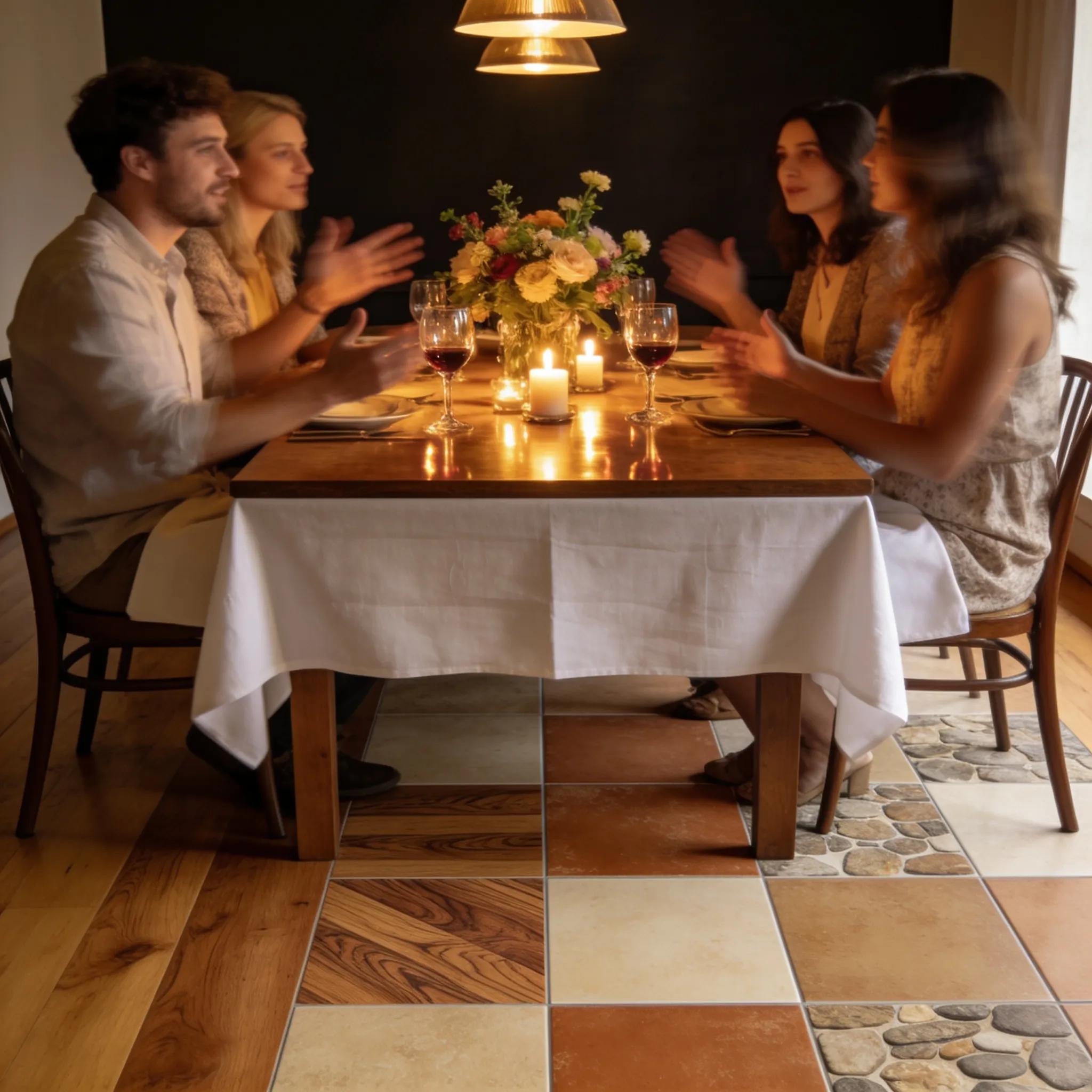
Flooring often reveals as much about a home as its decor — and at a dinner party it can spark lively opinions. This guide compares hardwood, laminate, vinyl, tile, and bamboo so you can explain the trade‑offs in style, upkeep, and practicality the next time guests weigh in.
Which flooring materials usually spark dinner‑party arguments?
The floor is more than a backdrop: it’s a conversation starter. Hardwood is celebrated for warmth and timeless appeal but draws critique for care and scratching. Laminate wins praise for cost and durability, while tile and vinyl split opinions based on function and feel.
How do hardwood and laminate compare in appearance and durability?
Hardwood offers natural variation and can be refinished to extend life, though it’s vulnerable to scratches and humidity. Laminate reproduces the wood look with a wear layer that resists scratches and fading; lifespans are typically shorter but maintenance is easier.
What pros and cons do vinyl, tile, and bamboo add to the debate?
Vinyl excels at water resistance and variety at a low cost, while tile is extremely durable and low‑maintenance but can feel cold. Bamboo appeals for renewability and a modern look but may react to moisture, which limits its suitability in some spaces.
Which flooring choices are best for high‑traffic and entertaining areas?
For entertaining, prioritize durability and easy cleanup. Many homeowners choose hardwood for warmth despite occasional refinishing, while tile and vinyl are preferred where spills and heavy use are likely.
Below is a snapshot of durability and maintenance expectations for commonly debated flooring types:
| Flooring Type | Durability | Maintenance Frequency |
|---|---|---|
| Hardwood | Moderate | Every 5-10 years |
| Laminate | High | Low — simple cleaning |
| Vinyl | High | Low — simple cleaning |
| Tile | Very High | Low — simple cleaning |
| Bamboo | Moderate | Every 3-5 years |
The table illustrates how each choice balances appearance with practical needs when hosting.
How does durability and maintenance affect flooring during dinner parties?
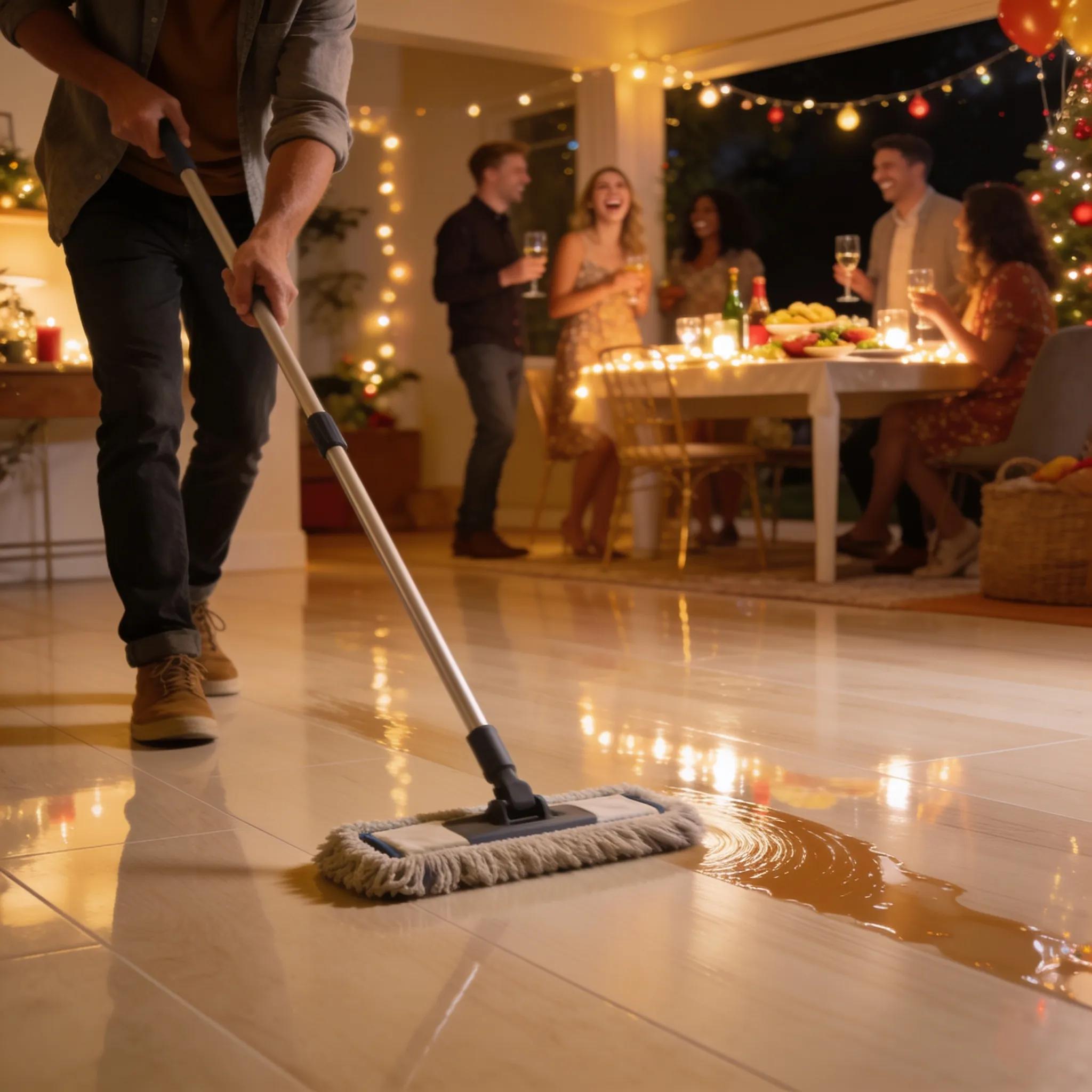
Spills and dropped utensils are inevitable during gatherings. Hard surfaces can show marks but are often easier to clean; hardwood may need occasional refinishing, whereas vinyl and tile typically shrug off stains and wear, letting hosts focus on guests.
What are the eco‑friendly options that influence opinions at social gatherings?
Reclaimed hardwood adds character while reducing new timber demand; bamboo is renewable and stylish. Both invite conversation about sustainability versus performance, especially around moisture sensitivity and sourcing.
Which 2026 flooring trends are fueling new arguments at dinner parties?
Design trends like large‑format tiles, mixed materials, and textured finishes are increasing. These choices make bolder statements and often prompt guests to compare aesthetics and practicality in the room.
Bolder colors and tactile surfaces also shape impressions and mood, producing easy talking points at gatherings.
How do colors and textures impact guest impressions and controversies?
Color and texture set the room’s tone: warm tones feel sociable, cool palettes calm, and texture divides opinion between comfort and a modern, minimal look. These differences fuel lively debates.
Are technology‑enhanced finishes shaping flooring preferences and disputes?
Scratch‑resistant and stain‑repellent treatments make floors more practical for busy homes, but some worry these treatments can alter the natural look or raise environmental questions. The trade‑off between convenience and tradition keeps the conversation nuanced.
What are the most common flooring controversies and debates at dinner parties?
Conversations typically center on upkeep, appearance, and function — polished hardwood versus low‑maintenance tile is a perennial split. Anecdotes about scratched floors or easy‑clean surfaces keep debates going well after dessert.
Which flooring types cause maintenance complaints among hosts and guests?
Hardwood and carpet often spark upkeep complaints because they show wear; vinyl and tile are praised for easy cleaning. The core question is whether initial investment justifies ongoing maintenance.
How do noise, softness, and water resistance spark differing opinions?
Soft floors reduce noise and add intimacy, while hard floors can feel livelier but louder. Water resistance is also divisive: some prioritize flawless looks, others want durable, spill‑tolerant surfaces for family life.
Frequently Asked Questions
What are the key differences in maintenance between hardwood and laminate flooring?
Hardwood typically needs periodic refinishing to remove surface wear; laminate requires routine sweeping and occasional mopping and is less prone to visible scratches.
Which flooring options are best for allergy sufferers?
Hardwood and tile are easiest to keep allergen‑free because they don’t trap dust like carpet; high‑quality laminate with low‑VOC finishes is also a good option with regular cleaning.
How does underlayment affect the performance of laminate flooring?
The right underlayment cushions the floor, reduces noise, improves comfort, and can boost insulation; follow manufacturer recommendations for best results.
What should homeowners consider for pet‑friendly flooring?
Durability and easy cleanup are key. Vinyl and tile resist scratches and moisture well; laminate can work if it has a robust wear layer, while hardwood may need refinishing after heavy wear.
What impact do flooring materials have on indoor air quality?
Flooring can affect VOC levels. Natural hardwood often emits fewer compounds than some synthetics; choosing low‑VOC products and keeping floors clean helps indoor air quality.
Are there any cost‑effective flooring options that don’t sacrifice style?
Laminate offers convincing wood looks for less, vinyl provides many styles at budget prices, and engineered wood can give a real‑wood appearance at lower cost than solid hardwood.
What are the long‑term financial implications of choosing different flooring types?
Consider lifecycle costs: hardwood is pricier up front but can add lasting value; laminate and vinyl cost less initially but may need earlier replacement; tile usually keeps maintenance costs low over time.
Conclusion
Floors shape how a home feels and how guests remember an evening. From hardwood to laminate and bamboo, each choice balances style, maintenance, and lifestyle needs. Understanding those trade‑offs helps you pick the floor that fits your home and hosting habits.


About The Author