


Is There Such a Thing as the Perfect Floor?
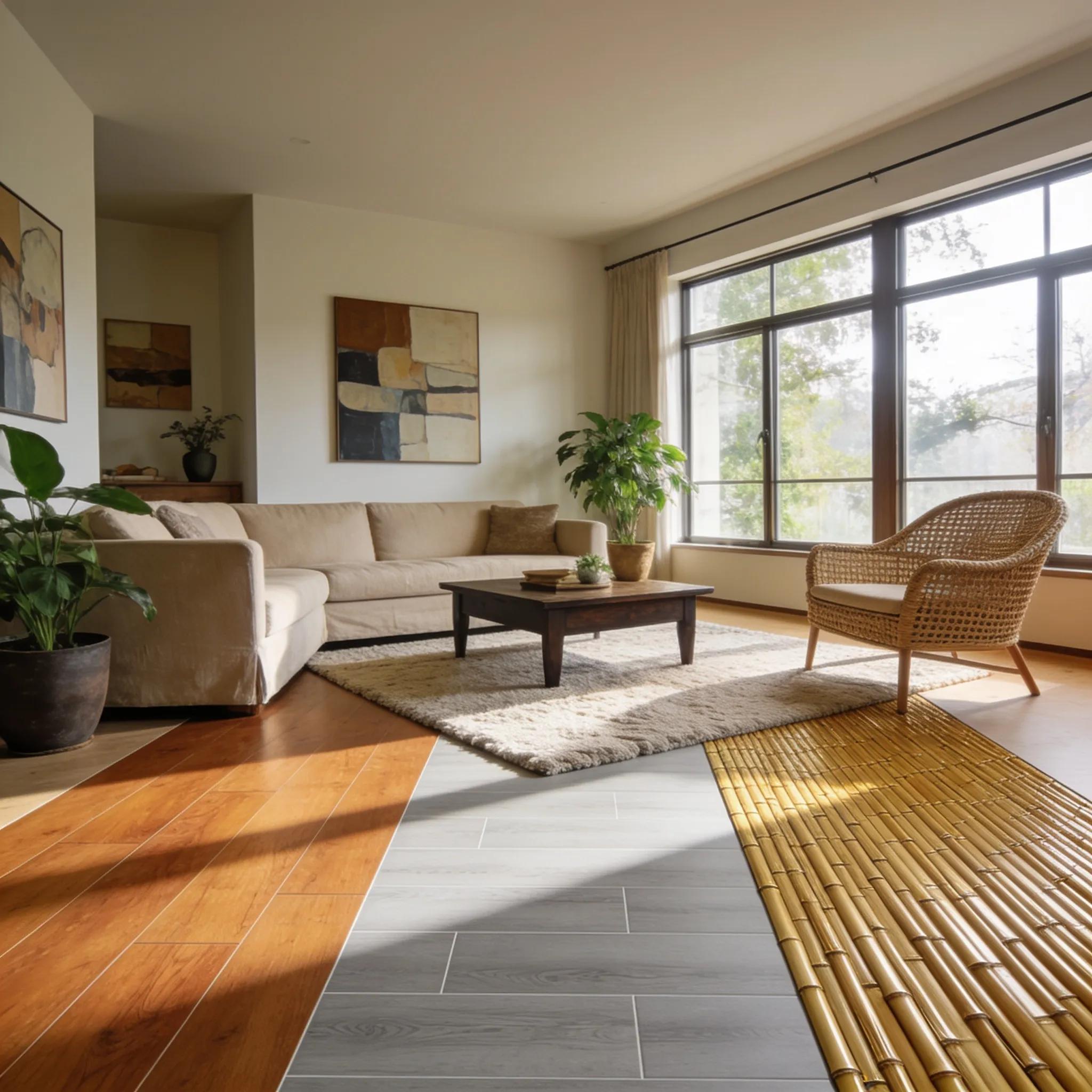
Picking the right floor means balancing how it looks with how it performs. With so many materials on the market, choosing the one that fits your life can feel overwhelming. This guide breaks down common flooring types, their strengths and trade-offs, and the trends worth watching so you can choose a floor that’s both beautiful and built to last.
Which Flooring Materials Stand Up Best Over Time?
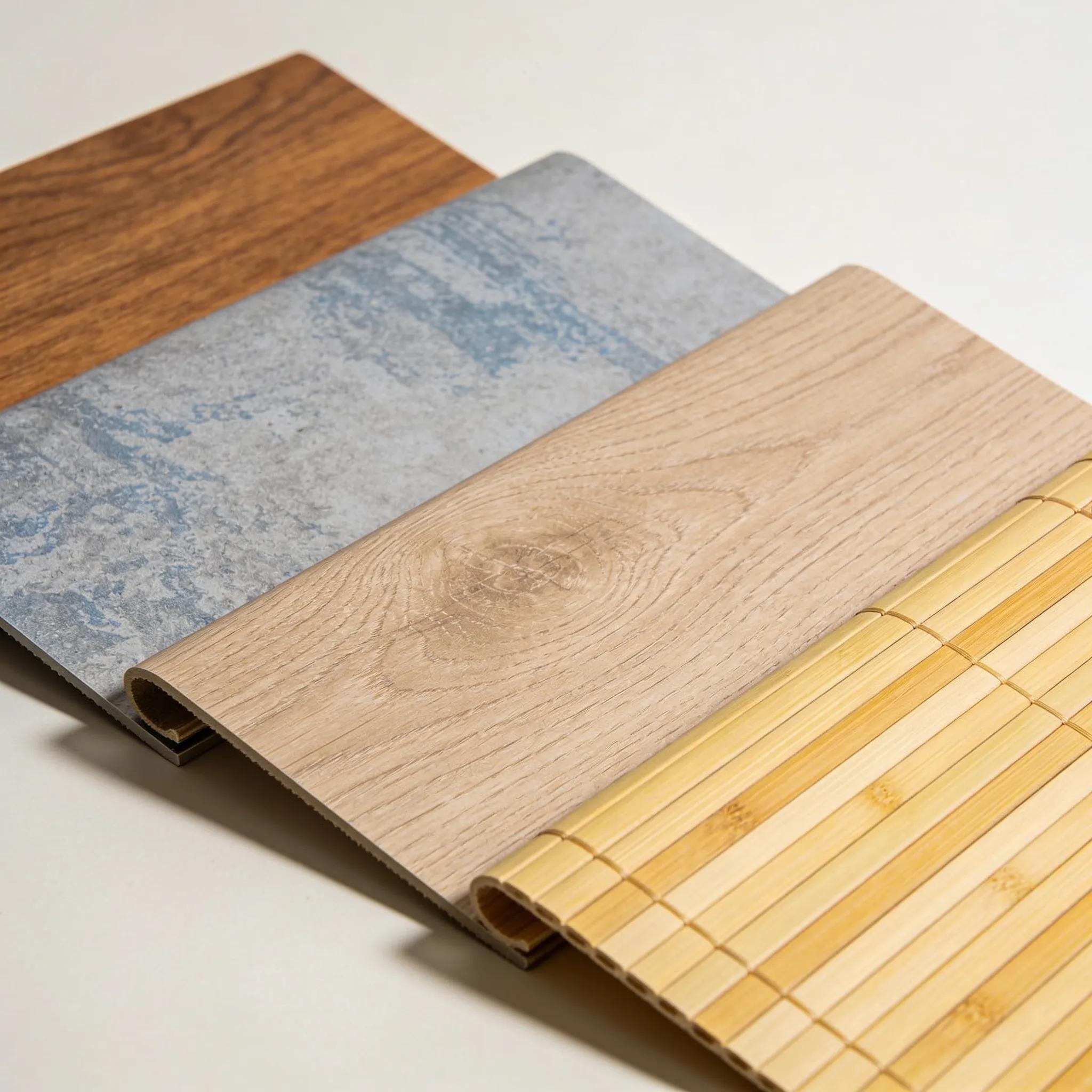
Durability is often the top priority for busy homes. The most reliable choices today include hardwood, vinyl, laminate, and bamboo. Each has distinct traits that affect how well it wears in different rooms and lifestyles.
| Material | Durability Rating | Maintenance Requirements |
|---|---|---|
| Hardwood | Moderate | Regular sweeping and cleaning; refinishing every 3–5 years as needed |
| Vinyl | High | Simple upkeep—vacuum or damp mop; no refinishing required |
| Laminate | Moderate to High | Easy care—sweep and occasional damp mop; no refinishing needed |
| Bamboo | Moderate | Routine cleaning and periodic refinishing similar to hardwood |
This side-by-side view highlights each material’s wear resistance and upkeep. Use it to match a flooring type to your household’s traffic, pets, and cleaning habits.
How Do Hardwood, Vinyl, Laminate, and Bamboo Stack Up for Durability?
Hardwood brings classic character but can show scratches and dents in active homes. Vinyl is built to resist scuffs and moisture, so it’s great for high-traffic or wet areas. Laminate delivers wood-like visuals at a lower cost with solid durability. Bamboo can be very tough, though quality and manufacturing affect how it performs long-term.
What Maintenance Does Each Durable Flooring Type Need?
Care varies by material. Hardwood benefits from gentle cleaning and occasional refinishing to restore its finish. Vinyl requires minimal effort—regular sweeping and mopping keep it looking fresh. Laminate is similarly low-maintenance. Bamboo needs the same careful cleaning as hardwood and may need refinishing to stay its best.
Hardwood Flooring: What to Weigh Before You Buy
Hardwood floors deliver timeless style and can boost home value, but they also come with trade-offs you should consider.
- Pros of Hardwood Flooring:Timeless Look: Brings warmth and elegance to almost any room.Long Lifespan: With proper care, hardwood can last for decades.Resale Value: Often viewed as a premium upgrade by buyers.
- Cons of Hardwood Flooring:Higher Cost: Typically more expensive to buy and install than alternatives.Can Be Damaged: Prone to scratches, dents, and water damage if not protected.Ongoing Maintenance: Requires periodic refinishing to maintain appearance.
How Does Hardwood Affect Longevity and Style?
Hardwood’s biggest strengths are its aesthetic versatility and potential longevity—well-cared-for floors can be refreshed and enjoyed for generations. The upfront investment and care routine are trade-offs that many homeowners accept for the long-term payoff.
What Installation and Care Challenges Should I Expect with Hardwood?
Hardwood installation requires accurate measurements and proper acclimation to the room’s humidity. Ongoing care includes regular cleaning and occasional refinishing—tasks that add time and cost but preserve the floor’s beauty.
Which Eco-Friendly Flooring Options Are Truly Sustainable?
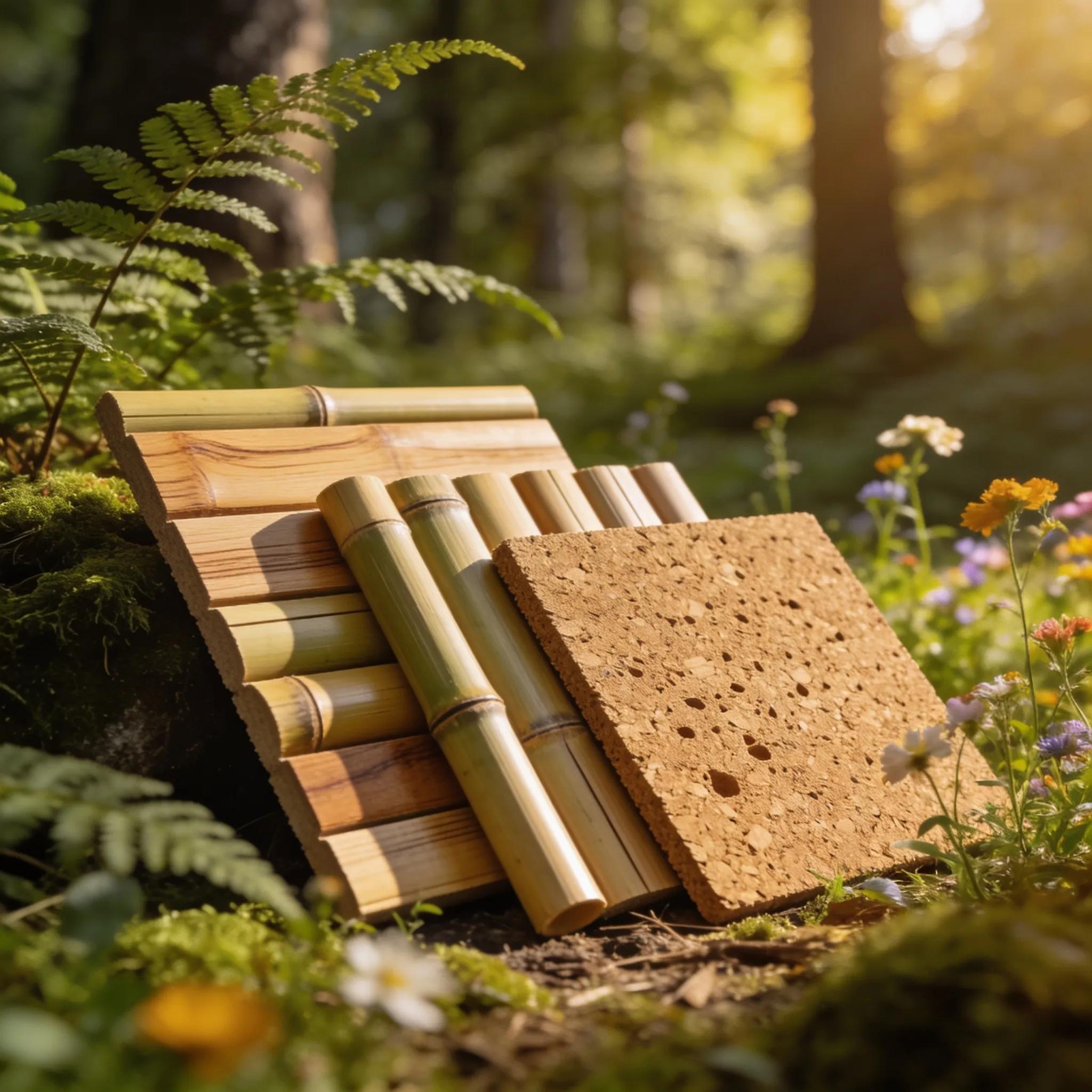
More buyers want floors that look good and have a smaller environmental footprint. Options like bamboo, cork, and reclaimed wood offer sustainable credentials without sacrificing style.
- Bamboo: Rapidly renewable and often harder than some hardwoods, making it a strong eco alternative.
- Cork: Harvested from tree bark without cutting the tree—biodegradable and naturally insulating.
- Reclaimed Wood: Reuses existing materials, reducing demand for new lumber and adding unique character.
Which Certifications Confirm a Floor Is Eco-Friendly?
Look for labels like the Forest Stewardship Council (FSC) to verify responsible sourcing. Certification helps you compare products and choose flooring with verifiable environmental standards.
How Do Sustainable Floors Compare on Cost and Durability?
Eco-friendly floors can cost more upfront but often deliver durability and lower lifecycle costs. Bamboo and cork, for example, can be surprisingly resilient and economical over time when matched to the right use case.
What's Trending in Flooring Right Now?
Flooring continues to evolve with practical innovations and design shifts. Here are the trends shaping modern choices.
- Hybrid Flooring: Blends materials to offer the look of hardwood with enhanced durability and moisture resistance.
- Waterproof Options: Increasingly common in kitchens, bathrooms, and family rooms for practical, worry-free performance.
- Sustainable Materials: Growing consumer interest in low-impact products is driving more eco-friendly offerings.
How Do Hybrid Floors Merge Style with Strength?
Hybrid floors pair a realistic surface layer with a core engineered for stability and water resistance. The result is a floor that looks like real wood while standing up to daily life.
Why Are Waterproof Floors Becoming More Popular?
Waterproof flooring gives homeowners confidence—spills, pets, and humidity are less likely to cause damage. That practicality, combined with improved looks, makes these products a favorite for busy households.
Frequently Asked Questions
1. What should I prioritize when choosing flooring for my home?
Focus on durability for high-traffic zones, moisture resistance for kitchens and baths, the look that fits your design, and the upkeep you’re willing to do. Set a realistic budget that balances quality and long-term value.
2. How do I clean and care for different flooring types?
Care depends on the material: hardwood needs gentle cleaners and limited water, vinyl and laminate tolerate regular sweeping and damp mopping, and bamboo follows hardwood care with occasional refinishing. Always follow the maker’s care instructions to protect warranties.
3. Which flooring is best for people with allergies?
Hard surfaces like tile, laminate, and vinyl are easier to keep allergen-free than carpet. Cork is naturally hypoallergenic and can help reduce dust buildup, making these good choices for allergy-sensitive homes.
4. How long does each flooring type typically last?
Hardwood can last 30+ years with proper care; laminate often lasts 15–25 years; vinyl generally lasts 15–20 years; and bamboo varies by quality but can range from 10–25 years. Quality installation and maintenance extend each floor’s life.
5. What flooring is best for high-moisture areas?
Choose waterproof or highly moisture-resistant materials like vinyl or tile for bathrooms and kitchens. Engineered hardwood can work if it’s rated for moisture exposure, but solid hardwood is usually a poor choice in damp spaces.
6. Why install underlayment with flooring?
Underlayment improves comfort and performance—reducing sound, adding thermal insulation, and protecting against moisture. It also helps even out minor subfloor imperfections for a smoother finish.
7. Can new flooring be installed over existing floors?
Often yes—laminate and vinyl planks are commonly installed over existing, level surfaces. Hardwood usually needs a proper subfloor for stability. Always confirm compatibility and follow installer recommendations to ensure a lasting result.
Is There Such a Thing as the Perfect Floor?
Choosing flooring comes down to the balance between how it looks, how it performs, and how much care you’re willing to give it. Understanding each material’s strengths and limits makes the decision easier. Explore your options with your lifestyle in mind, and you’ll find a floor that brings years of style and durability to your home. Ready to see what fits your space? Browse our curated selection to get started.


