


The Environmental Impact of Sustainable Flooring
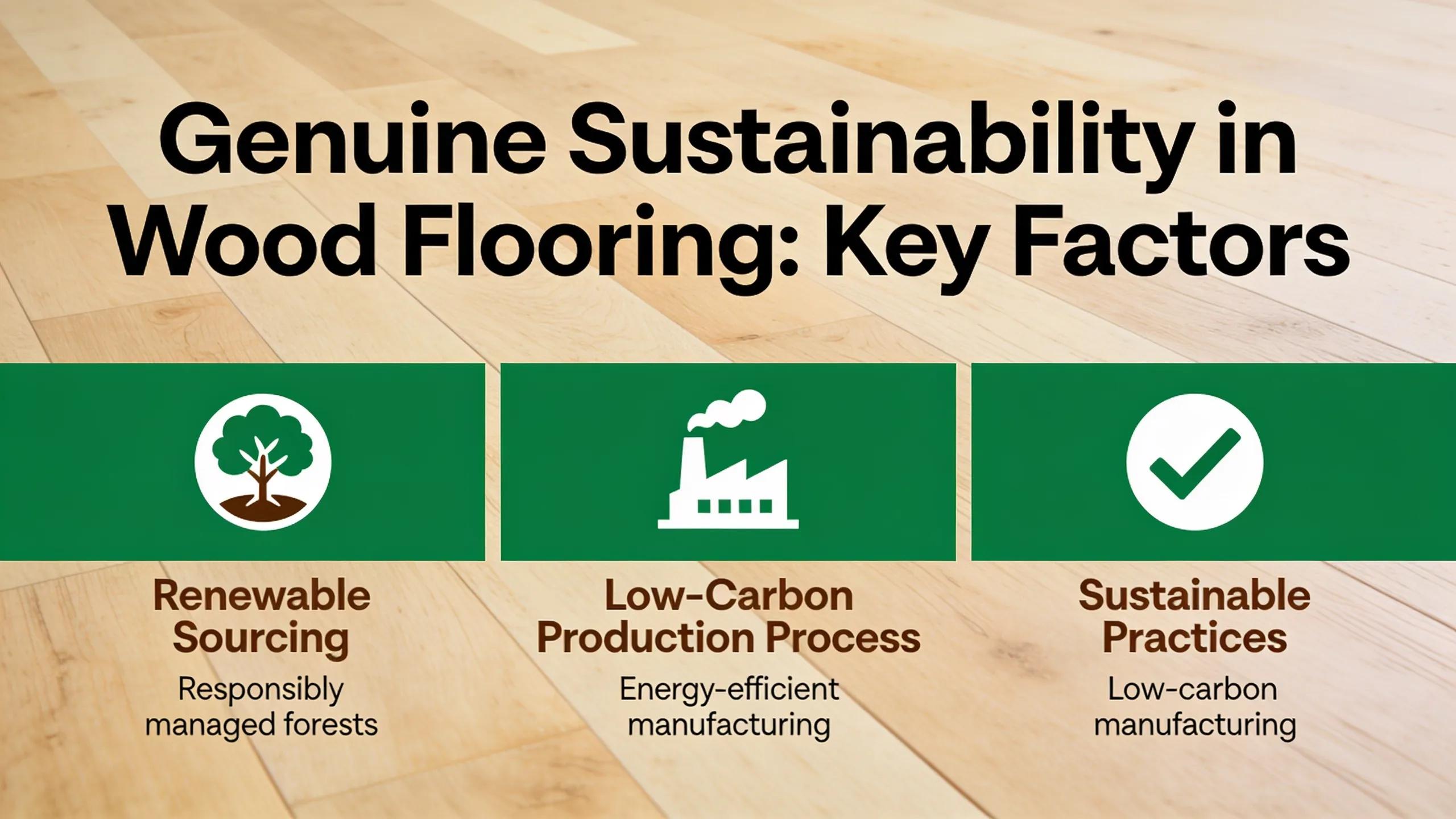
Genuine environmental impact depends on renewable sourcing, low-energy manufacturing, and long-term durability. Hardwood forests in the United States grow more than twice as fast as they're harvested, according to the National Wood Flooring Association, making wood a naturally replenishing material. Engineered wood adds stability and durability, extending floor lifespan and reducing replacement frequency, which lowers overall resource consumption and long-term ecological footprint.
Key Takeaways
-
Renewable wood resources regrow after harvesting, replacing materials used in sustainable flooring production.
-
Sustainable flooring market grows at 5.1% annually between 2021 and 2031 globally.
-
Durable finishes and coatings extend floor lifespan, reducing environmental waste over decades.
What Makes Wood Flooring Genuinely Sustainable?
Genuine sustainability in wood flooring rests on three factors: renewable sourcing, a low-carbon production process, and a service life measured in decades rather than years. None of these depend on marketing claims — they show up in forestry data and manufacturing figures.
Start with the raw material. According to the National Wood Flooring Association, hardwood forests in the United States regrow more than twice as fast as they're harvested. The supply replenishes itself instead of depleting. That renewability sets environmentally friendly flooring made from hardwood apart from finite materials like stone or virgin plastic.
Production matters too. Sustainability of Hardwood Floors: 5 Important Facts finds hardwood's carbon footprint lower than concrete or steel. That gap comes from the low energy needed to harvest and mill timber compared with mining or smelting.
Is engineered wood as sustainable as solid wood?
Engineered wood earns its place among sustainable flooring options through construction, not just material choice. Its multi-layer build gives it the strength to handle hallways and living rooms without needing early replacement, which stretches out the product's useful life. Herringbone engineered wood floors, in particular, pair the natural grain of solid timber with modern manufacturing methods designed for durability.
|
Factor |
Solid Hardwood |
Engineered Wood |
|---|---|---|
|
Renewability |
High - regrowth outpaces harvest |
High - uses less timber per plank |
|
Durability in high-traffic rooms |
Good |
Strong, layered construction |
Stories Flooring's herringbone ranges reflect that same combination of natural character. Sustainable manufacturing, giving eco-conscious renovators a durable option that doesn't compromise on eco-friendly flooring credentials.
Which Flooring Choices Cut Long-Term Waste?
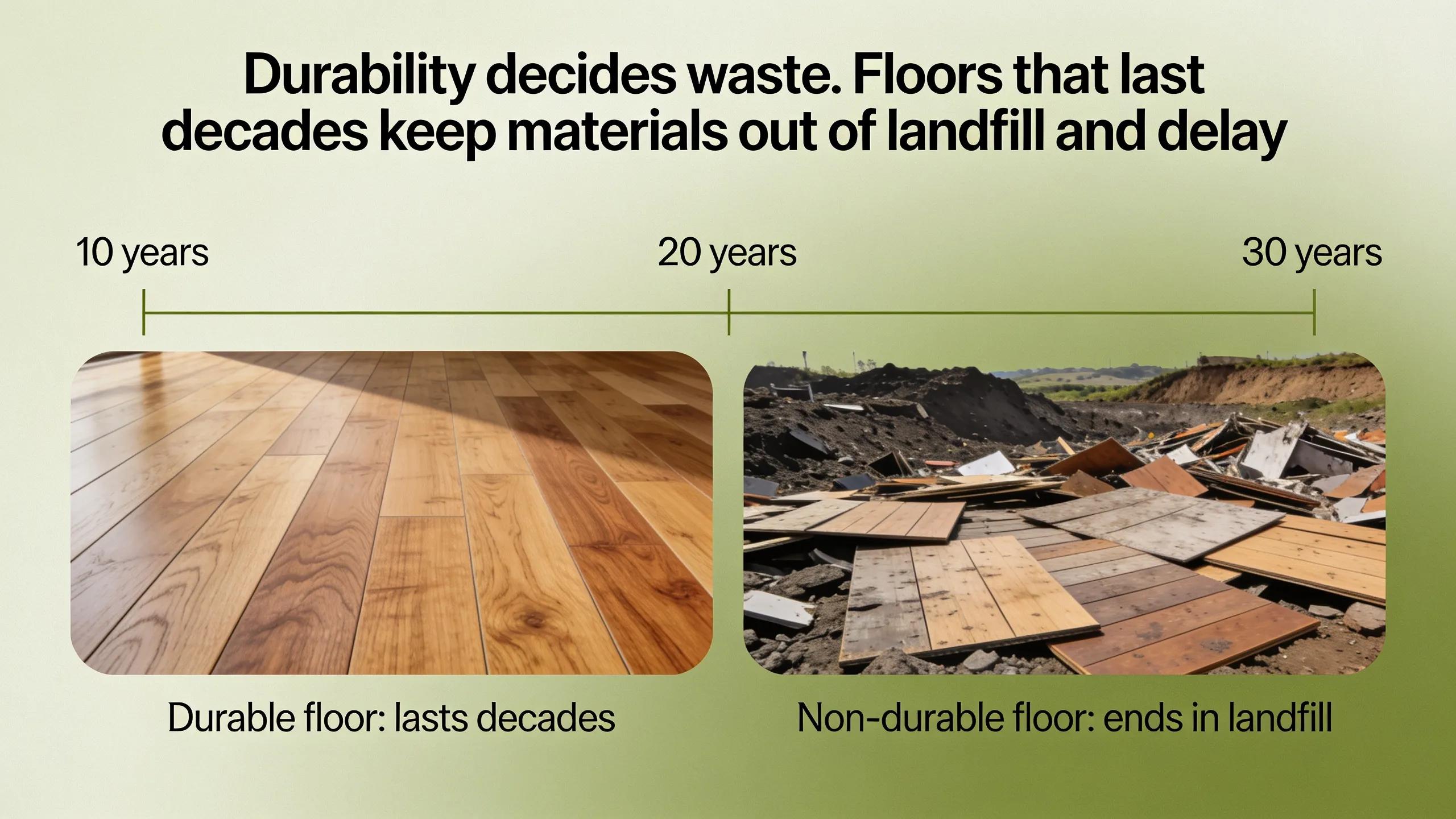
Durability decides waste. Floors that last decades keep materials out of landfill and delay the resource cost of a full replacement. Sustainable flooring appeals to buyers who want fewer replacement cycles. Demand for these lower-impact materials is projected to keep climbing through the early 2030s as more homeowners factor environmental impact into renovation decisions.
Not every material earns that longevity. Some flooring types wear out fast in wet or high-traffic rooms, forcing an early tear-out that wastes both product and labor.
Which flooring type lasts longest in kitchens and bathrooms?
Waterproof vinyl performs best in moisture-heavy rooms. Karndean LVT, for example, is built to resist water and heavy wear, making it suitable for kitchens, bathrooms, bedrooms, living rooms, and busy office floors without early replacement.
What range of options supports lower-waste choices?
Stories Flooring stocks Herringbone, Engineered Wood, Vinyl (LVT), Laminate, Solid Oak, and SPC Click Vinyl, each with a different lifespan and environmental profile. That spread lets renovators match a floor's expected service life to the room's demands rather than defaulting to one material everywhere.
|
Priority |
Suggested Category |
|---|---|
|
Wet rooms |
Vinyl (LVT) or SPC Click Vinyl |
|
Long-term character |
Solid Oak or Engineered Wood |
|
Design detail |
Herringbone |
Sourcing matters too. More than 25 years spent supplying discount branded floors reflects a preference for established, durable product lines over short-lived stock, supporting genuinely eco-friendly flooring decisions.
How Should You Pick Eco-Friendly Flooring?
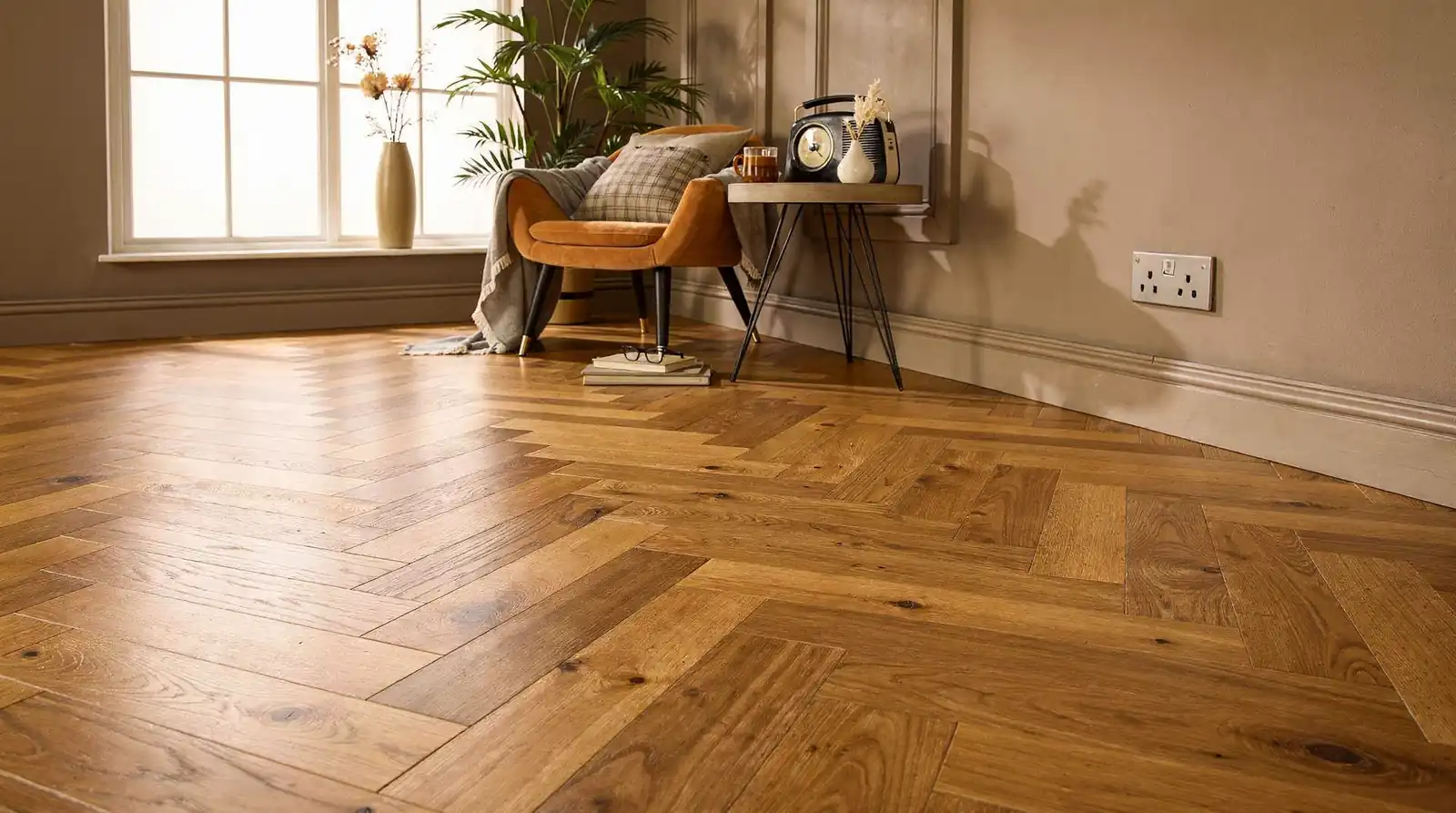
Genuine eco-friendly flooring earns that label through its full lifecycle, not just its raw material. A floor that recycles or renews easily at the end of its life carries a lighter environmental footprint than one built to be torn out and thrown away after a decade.
What Makes a Floor Genuinely Sustainable?
Longevity matters as much as origin. Sustainable flooring should hold up under daily wear while remaining recyclable or renewable when replacement finally arrives, rather than adding to landfill volume.
Material choice plays a role too. Engineered wood, for instance, earns its popularity through an authentic timber appearance paired with stability advantages over solid hardwood, which supports a longer service life and fewer replacements over time.
How Can Buyers Avoid Costly Mistakes?
Ordering free next-day samples allows a proper look at color and texture before purchase. Checking samples in person, under actual room lighting, reduces the odds of buying flooring that ends up discarded because it never suited the space.
Budget and durability often pull in opposite directions. Shopping through a UK supplier of discount branded floors widens access to established manufacturer ranges, making it easier to balance:
-
Long-term durability against upfront cost
-
Recognized branded quality against environmentally friendly flooring goals
-
Style preferences against practical lifespan expectations
FAQ
What factors determine genuine flooring sustainability?
Genuine sustainability rests on renewable sourcing, low-carbon manufacturing, and long service life. Hardwood forests regrow more than twice as fast as they're harvested. Hardwood's carbon footprint stays lower than concrete or steel, according to the article's cited sources.
Does engineered wood flooring qualify as sustainable?
Yes, engineered wood earns its place through construction rather than material alone. Its multi-layer build withstands high-traffic rooms, extending useful life and using less timber per plank than solid hardwood.
The Environmental Impact of Sustainable Flooring
In closing, truly sustainable flooring balances material sourcing, manufacturing practices, longevity, and end-of-life disposal. No single factor determines environmental impact; rather, the full lifecycle matters. Choosing durable options that withstand decades of use, sourcing from responsible suppliers, and selecting materials designed for recycling or biodegradation collectively reduce environmental burden. The most sustainable flooring is ultimately the one that performs reliably for years, minimizing replacement cycles and waste.


