The Flooring Rulebook Nobody Actually Follows
Flooring rules exist for good reason — yet homeowners routinely ignore them. The most broken rule is matching material to environment: engineered wood, for instance, handles moisture. Underfloor heating far better than solid wood. Clients still install the wrong product in the wrong room.
Key Takeaways
- The Rule of 3 in flooring prevents visual chaos by limiting material variety across connected spaces.
- Matching flooring material to environment and installation method determines long-term performance and aesthetic success.
What Are the Flooring Rules Nobody Actually Follows?
The most overlooked rule in flooring is straightforward: match the material to the installation environment before making any other decision. Room function, foot traffic. Climate conditions all determine whether a floor performs beautifully for decades — or fails within years.
Most homeowners focus on aesthetics first. That instinct is understandable. Selecting a product without accounting for environmental factors is one of the costliest mistakes in home design. A floor that looks stunning in a showroom can warp, scratch, or degrade rapidly when placed in the wrong setting.
Why Does Material-Environment Compatibility Matter So Much?
Compatibility between material and environment is the foundation of long-term flooring performance. Ignoring it means replacing floors far sooner than necessary — a significant financial and logistical burden for any household.
Which Flooring Type Handles High-Traffic Areas Best?
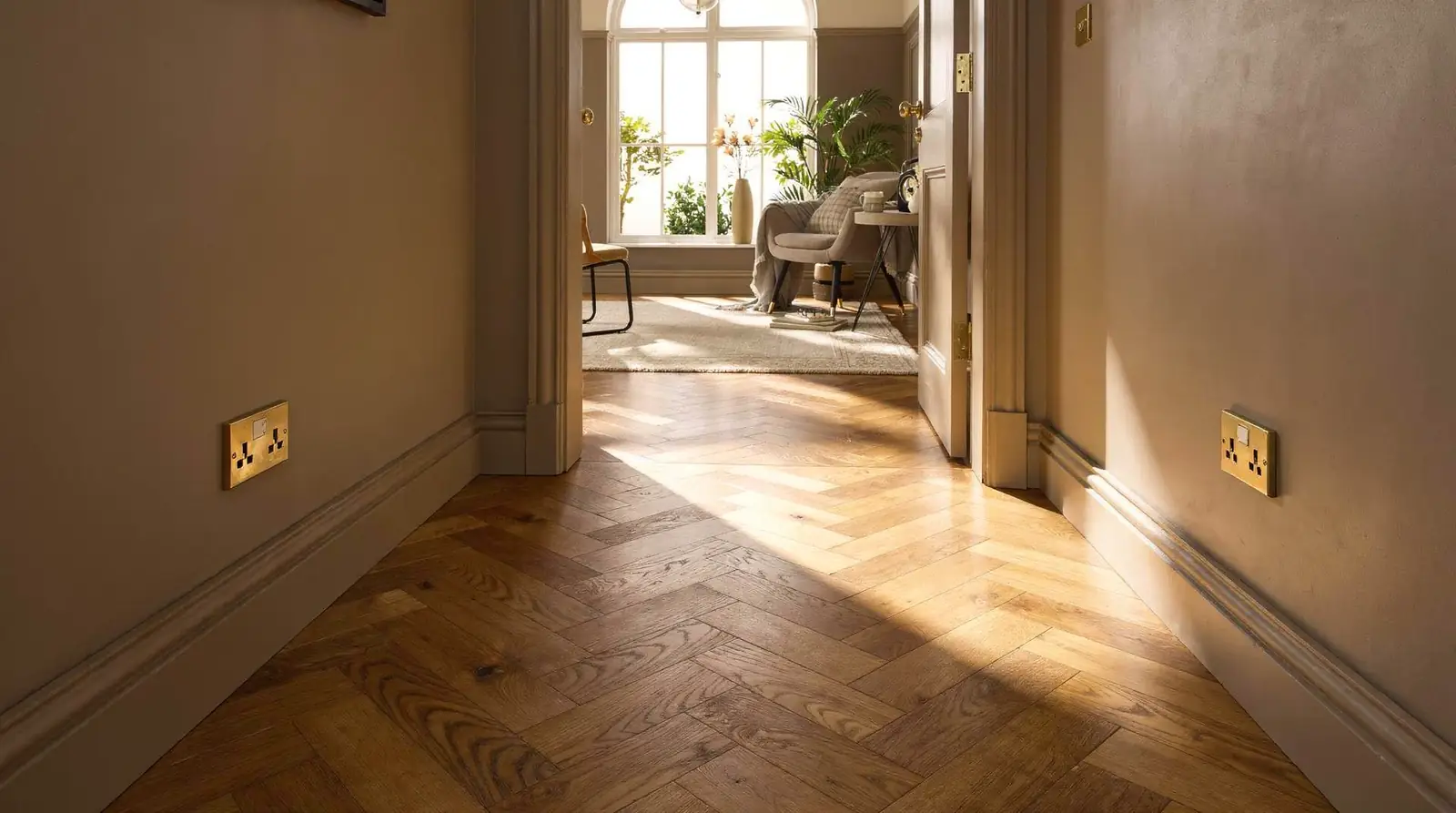
Engineered wood flooring is widely recognized for superior durability and dimensional stability, making it particularly well suited to demanding spaces such as hallways and living rooms. The multi-layered construction of engineered wood distributes stress across the board, resisting the movement and wear that solid wood cannot always withstand.
Stories Flooring has been delivering floors for more than 25 years. That depth of experience consistently reinforces one principle: the right material in the right environment is the decision that protects every other investment made in interiors.
How Does the Rule of Three Improve Your Home?
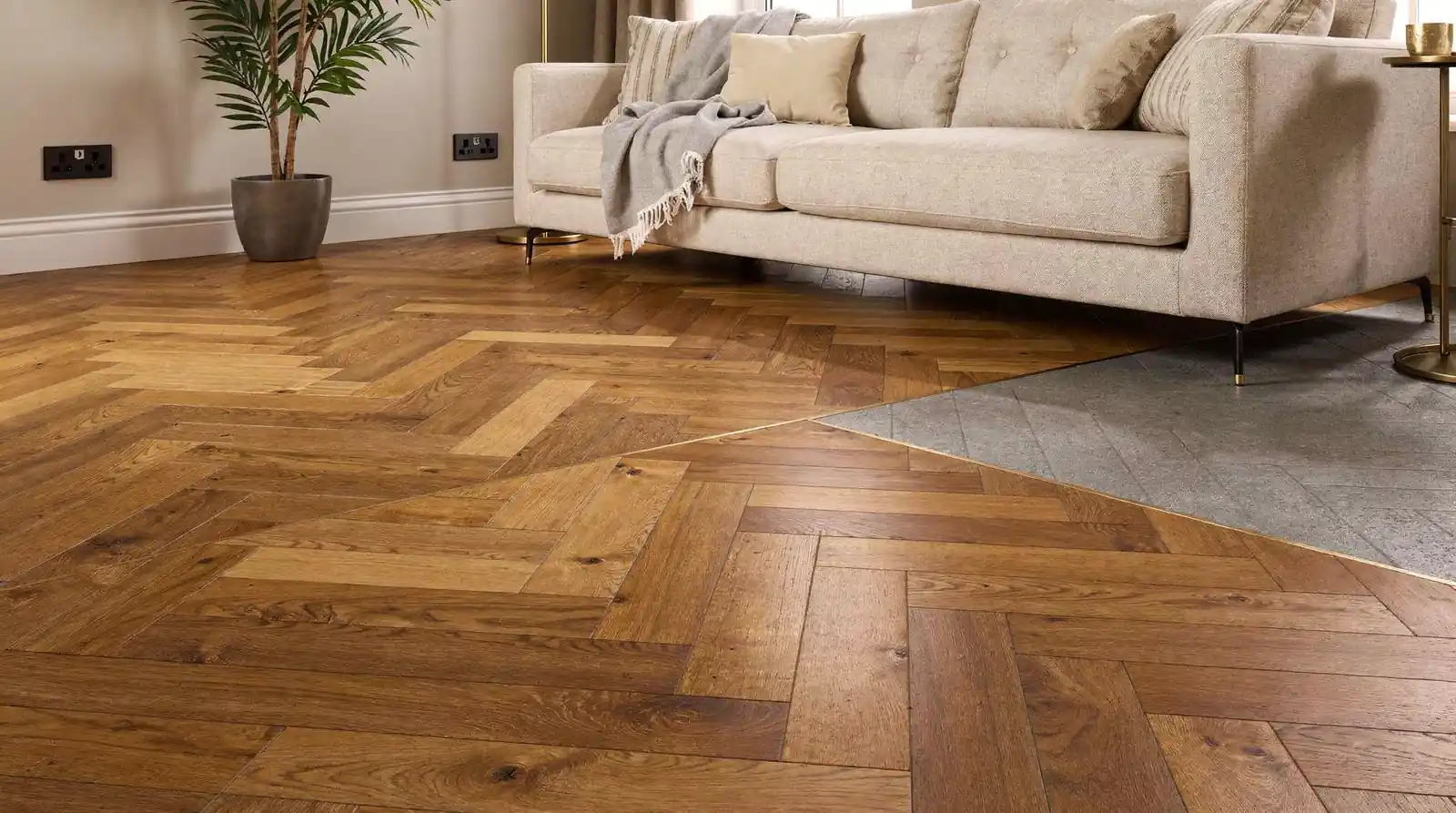
The Rule of 3 in flooring limits any home to no more than three flooring types, tones, or surface variations. Applying this principle creates a calmer, more cohesive interior without requiring additional investment.
Homes that ignore this principle often feel visually fragmented — even when individual rooms look polished in isolation. The problem is contrast without restraint. Too many competing surfaces pull the eye in conflicting directions, making spaces feel smaller and less considered.
What counts as one of the three flooring choices?
Each distinct material, tone, or surface pattern counts as one selection. A warm oak engineered wood in the living room, a neutral laminate in the bedrooms. A stone-effect vinyl in the kitchen would represent three well-balanced choices. Staying within that limit ties the home's design together at a foundational level.
How does herringbone flooring fit within the Rule of 3?
Herringbone engineered wood flooring functions as a single, high-impact choice within the three-type framework. Each plank showcases rich textures and vibrant color, adding luxury. Sophistication to almost any room without overwhelming the broader scheme.
Stories Flooring supports the Rule of 3 across a single supplier, offering styles that include:
- Engineered Wood and Solid Oak
- Herringbone and SPC Click Vinyl
- Vinyl (LVT) and Laminate
Sourcing all three selections from one range makes it straightforward to coordinate tones. Ensure the finished interiors feel intentional rather than assembled by chance.
Which Flooring Materials Best Reward Rule-Following?
Materials that align with their environment deliver measurably better long-term performance than those chosen for aesthetics alone. Three flooring categories stand out for rewarding the discipline of matching material to space: luxury vinyl tile, engineered wood, and herringbone laminate.
What Makes a Flooring Material Truly Versatile?
Karndean luxury vinyl tile earns its reputation through waterproof construction and high durability across every room type. From kitchens and bathrooms to busy office environments. Few materials perform equally well in moisture-heavy and high-traffic zones simultaneously. That dual capability makes Karndean a benchmark for rule-following design decisions.
Does Engineered Wood Hold Up Better Than Solid Hardwood?
Engineered wood flooring holds the position of the most popular real wood option precisely because authentic appearance does not come at the cost of stability. Its multi-layered construction outperforms solid hardwood in resistance to movement and wear, particularly in high-traffic areas. Homeowners and commercial clients who prioritize longevity consistently favor engineered wood for that reason.
Herringbone laminate adds another dimension to considered interiors planning. The Lusso Siena Helsinki Herringbone Laminate, for example, is verified as compatible with underfloor heating systems. A detail that illustrates why confirming material-environment compatibility before installation protects the investment entirely.
| Material | Key Strength | Ideal Environment |
|---|---|---|
| Karndean Luxury Vinyl | Waterproof, highly durable | Kitchens, bathrooms, offices |
| Engineered Wood | Authentic look, superior stability | Living rooms, hallways |
| Herringbone Laminate | Underfloor heating compatible | Heated residential spaces |
While flooring rules exist for sound reasons, the reality is that homeowners. Designers often prioritize personal preference and practical lifestyle needs over rigid guidelines. The most successful spaces emerge when aesthetic vision aligns with durability requirements and budget considerations. At Stories Flooring, we recognize that your flooring choice should reflect your unique story rather than conform to conventional standards. Our diverse selection—from classic herringbone to modern vinyl options—empowers you to make informed decisions that balance style, functionality. Longevity for your distinctive space.
FAQ
What is the most broken flooring rule?
Matching material to environment is the most overlooked rule. Installing the wrong product, like solid wood in a moisture-prone room, causes floors to warp, scratch, or degrade rapidly.
What is the Rule of 3 in flooring?
The Rule of 3 limits a home to no more than three flooring types, tones. Surface variations, creating a cohesive interior without additional investment.
Why is engineered wood better suited to high-traffic areas than solid wood?
Engineered wood's multi-layered construction distributes stress across the board, resisting movement. Wear that solid wood fails to withstand in demanding spaces like hallways and living rooms.


About The Author