The Most Successful Flooring Trend Was Never a Trend
Design fashions come and go, but some flooring quietly outlasts them. Classic choices like hardwood and traditional tile pair longevity with enduring style. This article outlines why certain materials stand the test of time, how they suit homes and businesses, and the practical benefits of choosing low‑maintenance, durable floors so property owners can select options that look better longer and need less upkeep.
What Are Timeless Hardwood and Classic Flooring Styles?
Timeless hardwood and classic flooring describe materials and patterns that reliably complement interiors while delivering long‑term performance. Hardwood is valued for strength and natural grain, offered in many species and finishes to fit varied tastes. Classic styles—traditional tile patterns or well‑made laminate—provide familiar, versatile looks that read as intentional design rather than a short‑lived fad.
Why Is Hardwood Flooring Considered the Ultimate Durable Choice?
Hardwood combines toughness with character; with routine care it can last for decades. Its dense structure and the ability to be refinished extend usable life. Hardwood’s grain and color add warmth and resale value, making it a sound long‑term investment for homes and businesses when periodically sealed or refinished.
Which Classic Flooring Styles Never Go Out of Style?
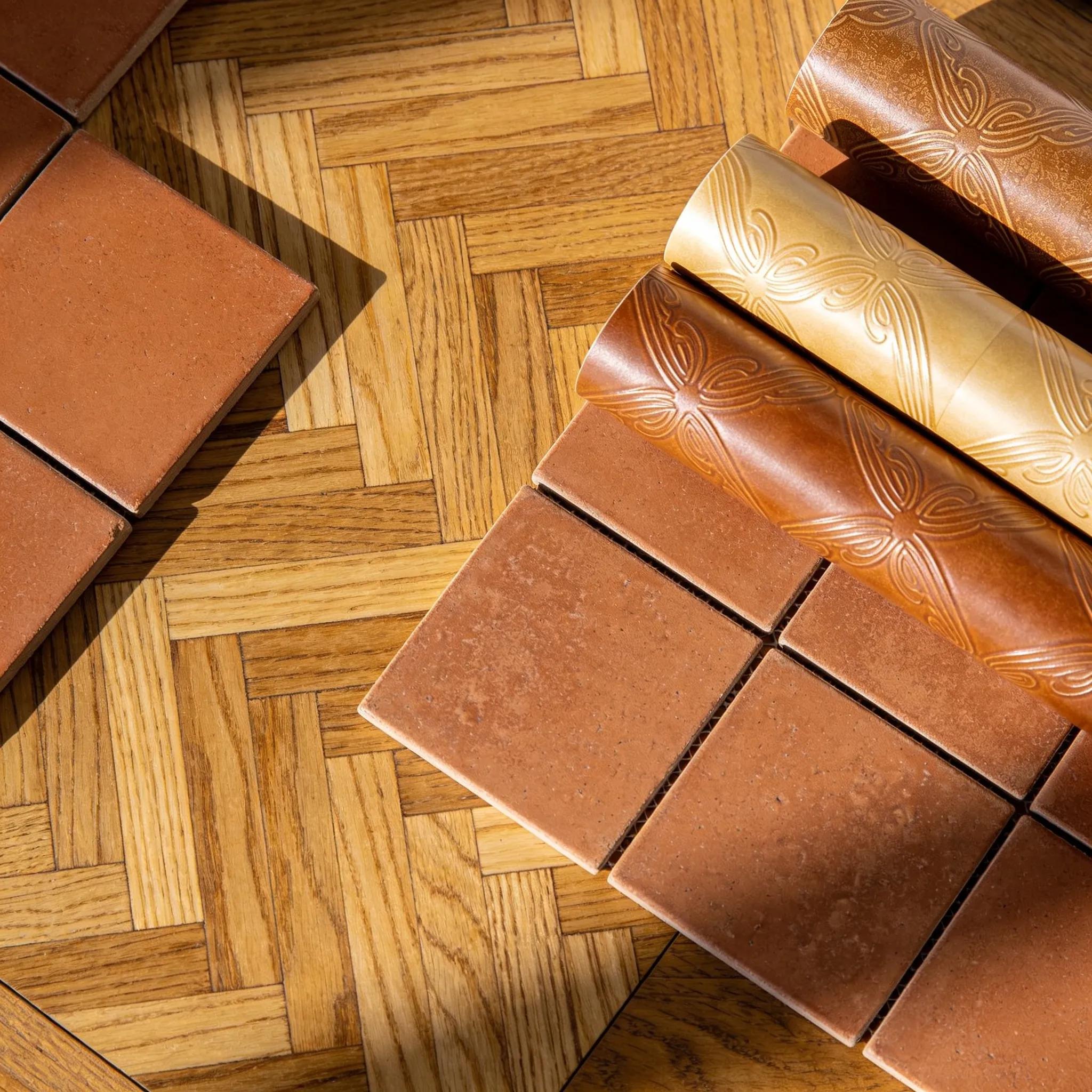
Some designs endure because they work across contexts: herringbone wood, terracotta tile, and tasteful vinyl patterns are visually pleasing, adaptable, and often easy to clean. Their historical or cultural associations lend character to modern interiors and help spaces feel timeless rather than trendy.
Which Durable Flooring Materials Perform Best in High Traffic Areas?
In busy spaces, choose materials that preserve appearance and function under regular use. Some flooring types tolerate heavy footfall and frequent cleaning much better than others, so material selection is critical for longevity.
How Does Durable Vinyl Flooring Compare for Commercial and Residential Use?
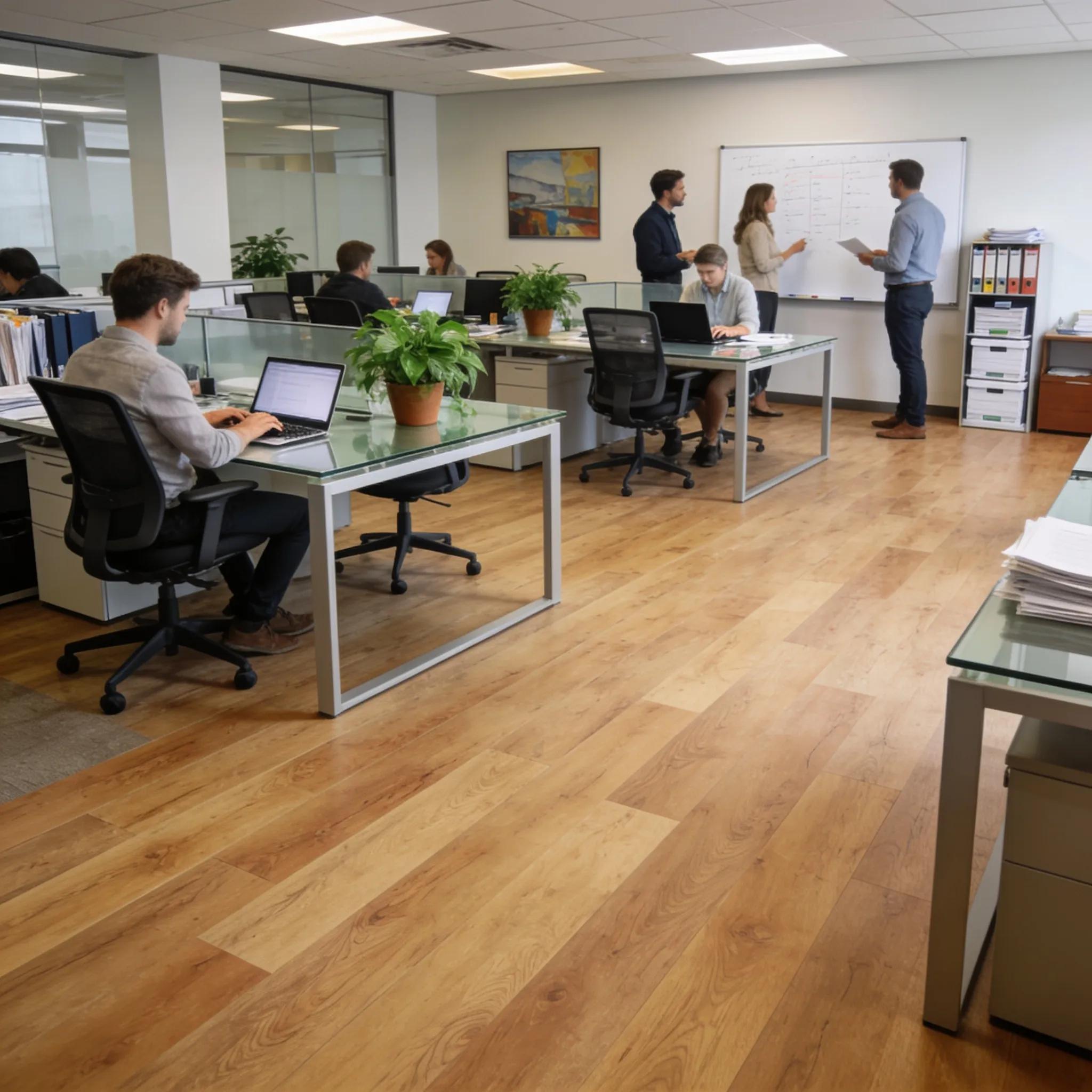
Vinyl pairs resilience with design flexibility. In commercial settings it resists scratches, stains, and heavy wear, while at home it can mimic wood or stone at lower cost and with simpler upkeep—an attractive, practical compromise for durability without sacrificing style.
What Makes Classic Tile Flooring a Long-Lasting Option?
Porcelain and ceramic tile resist moisture, scratches, and heavy use, making them natural for kitchens, bathrooms, and entryways. With many colors and finishes, tile adapts to a range of designs and stays easy to clean; periodic grout sealing and basic maintenance keep tile looking fresh for years.
How Can Low Maintenance Flooring Solutions Save Time and Costs?
Low maintenance floors reduce cleaning time and replacement expenses, benefiting homes and businesses alike. Durable materials mean fewer repairs and less downtime—savings that accumulate over a floor’s lifespan.
What Are the Benefits of Low Maintenance Laminate Floors?
Laminate mimics wood or stone with an engineered surface that resists stains, scratches, and fading. It usually needs only sweeping and damp mopping and is often more affordable than solid hardwood. Easy installation—sometimes DIY—makes laminate accessible for those who want a polished look with less time and cost.
How to Maintain Durable Hardwood and Vinyl Floors Effectively?
Simple routines keep hardwood and vinyl looking their best. For hardwood: sweep regularly, clean spills promptly, and refinish or buff as needed; use rugs or pads in high‑traffic areas. For vinyl: mop gently with mild cleaners and avoid harsh chemicals that dull the finish. These habits extend appearance and lifespan for both materials.
Why Has the Most Successful Flooring Trend Never Actually Been a Trend?
Trends flare, but the most reliable flooring choices endure because they meet real needs—durability, low maintenance, and broad visual appeal. Floors that balance these qualities remain relevant because they’re useful and attractive, not merely fashionable.
How Does Investing in Timeless Flooring Benefit Your Home or Business?
Classic, durable flooring delivers tangible returns: sustained curb appeal, stronger resale value, and improved customer perception in commercial spaces. Well‑chosen floors invite foot traffic and provide a reliable foundation for the rest of the design—a smart long‑term investment.
What Role Do Durability and Style Play in Flooring Popularity Over Time?
Durability and style reinforce each other: floors that look good and hold up remain desirable. Long‑lasting materials reduce replacement cycles and waste, appealing to budget‑ and eco‑minded buyers. As sustainability matters more, durable, stylish flooring becomes both practical and responsible.
Frequently Asked Questions
1. What factors should I consider when choosing flooring for a multi-purpose space?
Assess durability, maintenance, and appearance. Hardwood or luxury vinyl tolerate heavy use, while water resistance matters where spills occur. Consider how the space will be used—dining, work, or play—and choose a floor that balances look and function.
2. Are there environmentally friendly options for timeless flooring?
Yes. Bamboo and cork are rapidly renewable, and reclaimed wood repurposes existing material while adding character. Look for certifications like FSC to ensure responsible sourcing; eco‑friendly floors can boost value while lowering environmental impact.
3. How often should I refinish hardwood floors?
Refinishing depends on wear; for many homes every 5–10 years is typical. High‑traffic areas may need attention sooner. Signs such as persistent dullness, deep scratches, or finish failure signal it’s time to refinish.
4. How can I determine the best flooring for my climate?
Match materials to local conditions. Hardwood can swell or shrink with humidity swings, while tile handles damp climates well. Engineered wood and some resilient products better tolerate temperature and moisture shifts than solid wood—research a material’s behavior locally before choosing.
5. What maintenance practices extend the life of classic tile flooring?
Regular sweeping or vacuuming removes grit that can scratch tiles. Mop with a mild cleaner and reapply grout sealant every few years to guard against stains and moisture. Keeping grout clean prevents discoloration and preserves tile for decades.
6. Can I install flooring myself, or should I hire a professional?
It depends on the material and your skills. Laminate and some vinyl are DIY‑friendly; hardwood and tile often require precise cuts and substrate prep best handled by professionals. Consider budget, tools, and experience before deciding.
7. What is the average lifespan of various flooring materials?
Lifespan varies: hardwood can last 20–100 years with care; laminate typically 10–20 years; vinyl often 10–15 years; and well‑maintained tile can last 50+ years. Choose based on how long you expect the floor to perform and the maintenance you’re willing to do.
The Most Successful Flooring Trend Was Never a Trend
Timeless flooring—hardwood and classic tile—combines lasting performance with enduring style, making it a practical choice for homes and businesses. These materials lower replacement costs, boost resale value, and provide a reliable design foundation. Choosing durable, low‑maintenance floors is a future‑proof way to invest in your space—explore durable flooring options to find the right fit.
About The Author