Reclaimed Wood Flooring: The Sustainable Future
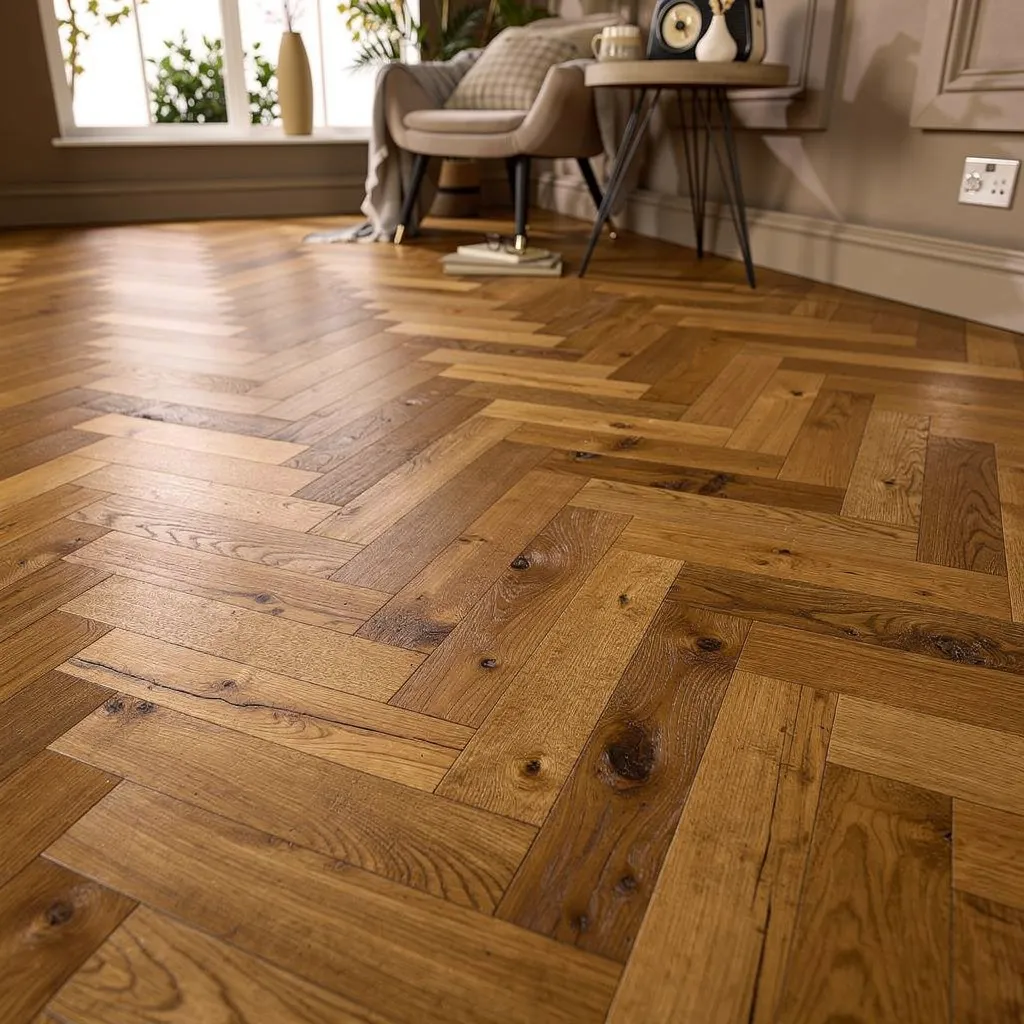
When it comes to reclaimed wood flooring, manufacturers are cutting environmental impact through greener production methods, a shift that gained momentum in the mid-1990s alongside the green building movement. Engineered wood flooring, built in multi-layered construction, reduces raw timber use while maintaining durability. Homeowners and designers benefit from responsibly sourced wood options that lower waste without sacrificing strength, stability, or long-term performance in busy household areas.
Key Takeaways
- The flooring industry embraced sustainability initiatives since the mid-1990s green building movement gained momentum.
- Engineered wood and resilient flooring materials significantly reduce environmental impact compared to traditional building options.
- Stories Flooring offers a wide selection of sustainable solutions in the UK market.
- Modern manufacturers now prioritize material efficiency and sustainable practices throughout their entire production processes.
Why Is Sustainable Wood Flooring Gaining Ground?
Homeowners and renovators are turning to sustainable wood flooring because manufacturing standards and buyer expectations have shifted together. Green building principles started reshaping the flooring industry in the mid-1990s, pushing manufacturers toward greener production methods. That shift laid the groundwork for the options available today.
Demand hasn't just grown steadily; it has accelerated. Ross Leonard, director of architectural and design marketing with C&A Floor Coverings, described the rise in interest and awareness as stunning over a recent three-year period, according to Flooring Industry Steps Toward Sustainability. Property renovators researching materials now expect environmental credentials alongside style and price.
What Makes Engineered Wood a Sustainable Choice?
Engineered wood flooring ranks as the most popular real-wood option, prized for an authentic timber look combined with stronger stability than solid hardwood. That durability reduces replacement frequency, which matters for anyone weighing long-term environmental impact. Herringbone-style engineered wood extends this further, pairing the character of solid wood with modern, resource-conscious manufacturing techniques.
For buyers comparing materials, the practical range typically includes:
Stories Flooring's collection covers these categories, giving interior designers and homeowners several wood-based routes toward a durable, environmentally considered finish without sacrificing appearance.
Can Recycled Flooring Cut Environmental Impact?
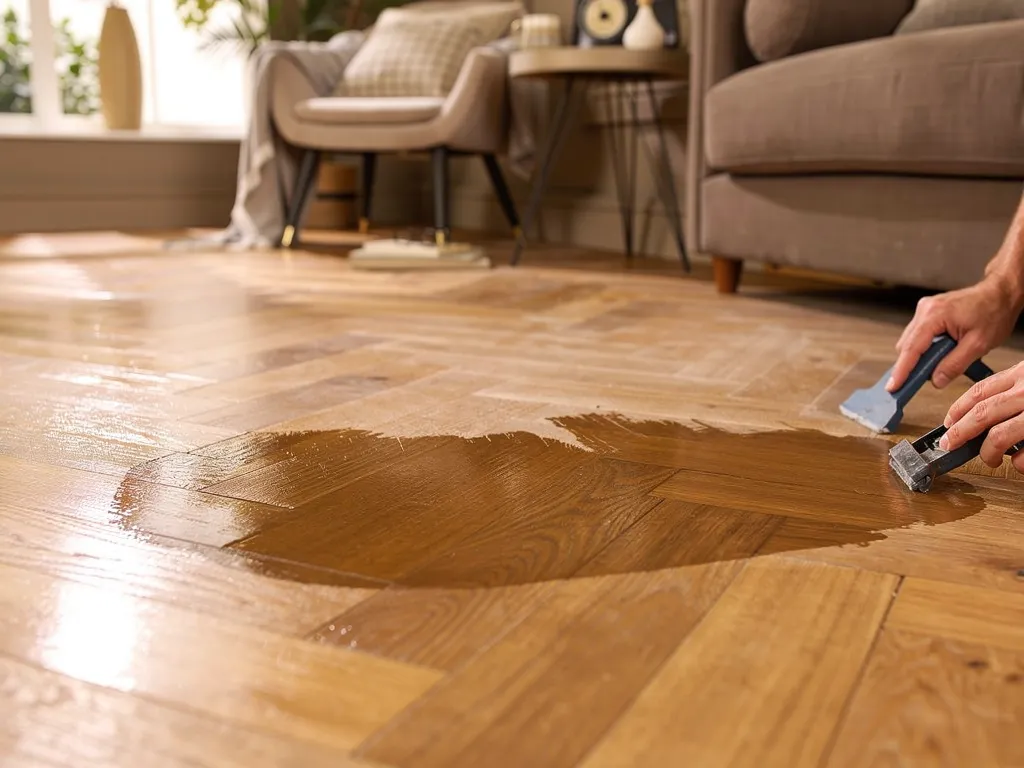
Yes — renewing a resilient floor surface instead of tearing it out cuts environmental impact substantially. An IVL Swedish Environmental Research Institute study found that renewing resilient flooring surfaces cuts carbon footprint. The same approach also reduces energy resource use, instead of full replacement. Skipping full replacement also avoids the toxic fumes typically released during removal. Installation, protecting indoor air quality during the project.
Recycled flooring fits into this picture as a lower-impact category, but it works best alongside resilient options built to last. Karndean LVT flooring, for example, is waterproof and durable enough for kitchens, bathrooms, bedrooms, and busy commercial spaces, which extends the usable life of the floor and delays the next replacement cycle. SPC Click Vinyl offers a similar durability advantage, giving property renovators a resilient alternative to ripping up and starting over.
Does resilient flooring count as sustainable wood flooring?
Not in the traditional sense, since resilient flooring is vinyl-based rather than timber. It earns its sustainability credentials through longevity and lower replacement frequency rather than material origin.
For homeowners weighing cost against impact, Stories Flooring supplies discount branded floors, making resilient and recycled-content options more accessible without inflating the budget.
How Do You Verify Genuine Green Flooring Claims?
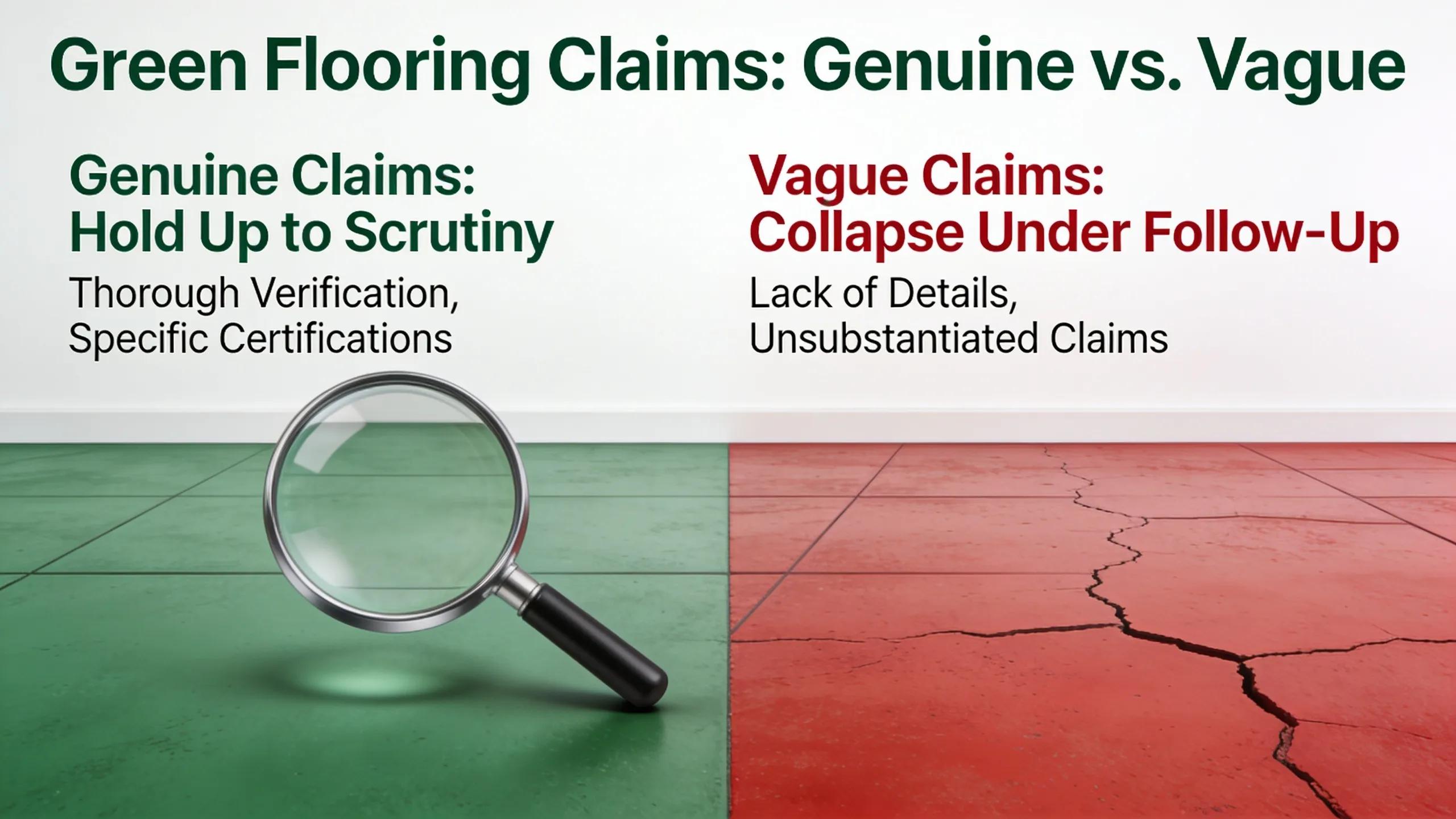
Genuine green flooring claims hold up to scrutiny; vague ones collapse under a single follow-up question. Sustainability has become one of the most overused and misused terms in flooring marketing, which makes many claims difficult to trust at face value. Shoppers browsing showrooms or manufacturer websites meet a steady stream of green labels: recycled content, carbon neutral, eco-certified, low-emission. Some of these labels rest on verifiable standards. Others amount to little more than a sticker.
What Should a Buyer Ask Before Trusting a Green Label?
Ask what the claim actually measures. A vague label rarely stands up next to a real manufacturing standard, so specifics matter more than badges. Requesting a physical sample helps too, since finish and construction quality reveal build standards no marketing copy can substitute for.
Does Experience in Flooring Signal Trustworthy Sourcing?
Longevity in the trade suggests familiarity with sourcing standards, though it doesn't replace direct verification. A supplier delivering floors for more than 25 years has typically handled engineered wood flooring, laminate, and vinyl categories long enough to understand where materials originate. That history is worth checking alongside product-level evidence.
Practical checks matter more than marketing copy:
- Request a sample, ideally with fast next-day delivery, to inspect the veneer and finish directly.
- Look for engineered construction beneath a real oak veneer, which signals durability rather than a decorative surface layer.
- Compare reclaimed wood flooring and recycled flooring options against standard ranges to judge whether sustainability claims translate into visible material differences.
FAQ
When did the flooring industry start focusing on sustainability?
The shift gained momentum in the mid-1990s alongside the green building movement, pushing manufacturers toward greener production methods that continue shaping standards today.
Why is engineered wood considered a sustainable flooring option?
Engineered wood uses multi-layered construction, reducing raw timber use while offering stronger stability than solid hardwood, which lowers replacement frequency and long-term environmental impact.
Does renewing flooring instead of replacing it help the environment?
Yes, an IVL Swedish Environmental Research Institute study found renewing resilient flooring surfaces cuts carbon footprint and energy resource use compared to full replacement.
Reclaimed Wood Flooring: The Sustainable Future
In closing, the flooring industry's shift toward sustainability reflects a fundamental recognition that environmental responsibility and quality craftsmanship aren't opposing forces. Manufacturers now prioritize recycled materials, reduced emissions, and responsible forestry practices without compromising durability or aesthetics. For consumers, this evolution means selecting flooring that performs well while aligning with broader environmental values—a choice that benefits both immediate spaces and long-term ecological health.
About The Author