


Glass Floors, Transparent Spaces & Why They Work
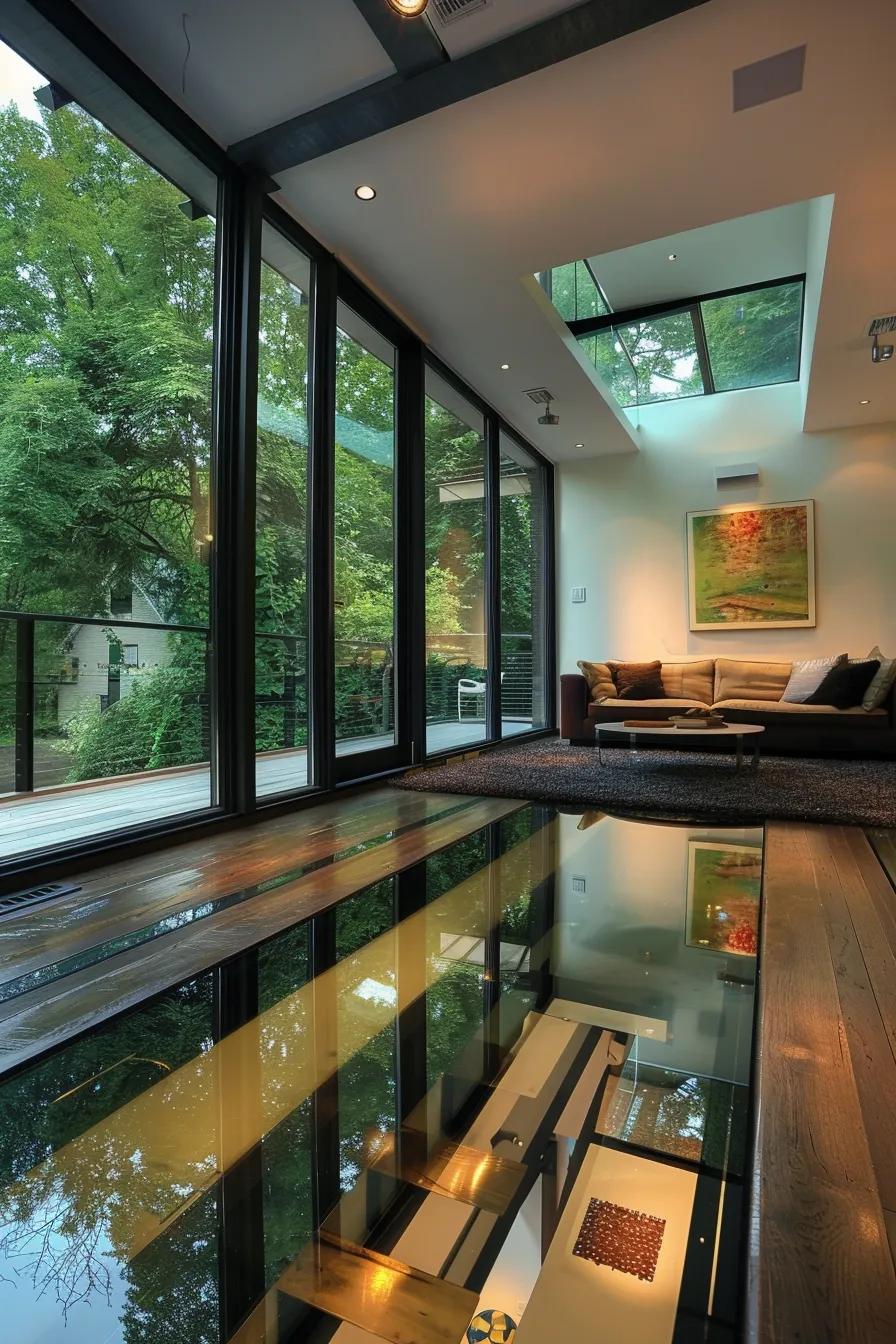
Glass floors and transparent elements are increasingly common in modern architecture because they blend striking looks with practical benefits. This guide walks through the design principles, advantages, safety rules and installation steps you need to know in the UK. You’ll see how structural glass can transform a room — letting light travel deeper, opening up spaces and creating visual connections — whether you’re working on a home or a commercial project. We cover materials, regulatory considerations, design ideas, installation best practice and the trends shaping the future of transparent architecture.
What are glass floors and transparent spaces? Defining structural glass flooring and architectural transparency
Structural glass floors are engineered glass elements designed to carry pedestrian loads while offering a clear view below. Architects use them in homes, shops, galleries and workplaces to create striking, airy interiors. Architectural transparency more broadly means using glass and clear materials to connect indoors with outdoors and to let light move freely through a building. The result is brighter, more open-feeling spaces that strengthen the relationship between a building and its surroundings.
What materials make up structural glass floors and what are their key features?
Most structural glass floors combine toughened (tempered) and laminated glass to meet strength and safety requirements. Toughened glass is heat-treated to improve impact and thermal resistance. Laminated glass bonds multiple panes with a polymer interlayer so, if the glass fractures, fragments remain held together — maintaining integrity and reducing injury risk. These material choices follow strict standards and are selected to balance safety, performance and appearance.
To underscore why careful design matters, research draws attention to the growing role of laminated glass in structural uses and how standards are evolving across Europe.
Laminated safety glass: structural design & European standards
Use of laminated glass in construction continues to rise. To achieve reliable post-breakage behaviour and cost-effective designs, engineers increasingly consider how the polymer interlayer transfers shear between panes. This factor is becoming central to structural calculations and links directly to emerging harmonised European product and design standards for glass construction.
Engineering design of laminated safety glass considering the shear coupling: a review, M Schuster, 2019
How do transparent spaces improve design and the user experience?

Glass floors and transparent partitions allow daylight to travel further into a building, reducing the need for artificial lighting and improving the atmosphere. They make rooms feel bigger and more connected, and they bring occupants closer to outside views — a design move that can lift mood and wellbeing. In workplaces and public spaces this transparency also supports wayfinding and visual connectivity, helping people feel more comfortable and engaged with their environment.
What are the benefits of glass floors? Maximising light, space and wellbeing
Beyond their visual impact, glass floors deliver clear, practical advantages: they increase natural light, create a sense of openness and offer measurable wellbeing benefits. Carefully specified and installed, they turn ordinary spaces into vibrant, welcoming places for living and working.
- Maximising natural light: Glass floors let daylight pass through to lower levels, cutting dependence on electric lighting and improving energy performance.
- Creating a feeling of space: Transparency visually links floors and rooms, making areas feel larger and more cohesive.
- Wellbeing benefits: Better daylight and external views can improve mood, reduce stress and support productivity.
There are several glass-floor systems to choose from, including walkable glass panels and modular transparent flooring solutions to suit different projects and aesthetics.
How do glass floors maximise natural light and improve energy efficiency?
By allowing daylight to penetrate deeper into a building, glass floors reduce daytime reliance on electric lighting and can help lower energy use. Well-lit spaces also feel healthier and more productive; research consistently links daylight with improved occupant performance and wellbeing. When integrated with a building’s lighting strategy and thermal design, glass floors contribute to more energy-efficient, pleasant interiors.
In what ways do transparent floors create a sense of openness and psychological benefits?
Transparent floors visually connect different levels and areas, opening up sightlines and reducing feelings of confinement in smaller spaces. This transparency helps users orient themselves and can create a calm, transparent atmosphere where people feel safer and more connected. Those visual links to nature and daylight also contribute positively to mental wellbeing, making glass floors a strong choice for both homes and workplaces.
How do UK safety regulations affect glass floor design and installation?
UK safety and building regulations are central to any glass-floor project. They set out performance requirements and design guidance to ensure installations are safe for users and durable over time. Anyone specifying or installing structural glass should be familiar with the relevant documents and work with competent engineers and installers.
What are the key UK building regulations governing structural glass flooring?
Key references include the Building Regulations 2010 and Approved Document K (Protection from falling, collision and impact), which cover safety and construction expectations. Designers also look to standards such as BS EN 1991-1-1 (Eurocode 1: Actions on structures) for load and structural design guidance. Meeting these regulations ensures glass-floor systems perform safely under expected use.
How do toughened laminated glass and anti-slip treatments ensure safety compliance?

Toughened laminated glass combines mechanical strength with a holding interlayer so broken panes remain supported — a key safety feature. Surface treatments or textured finishes provide slip resistance without compromising clarity. Specifying the correct glass thickness, interlayer type and anti-slip solution, and following documented testing regimes, is essential to meet UK safety requirements and provide long-term reliability.
What are popular glass floor design ideas for homes and commercial projects?
Glass floors adapt well to many styles. They can be used subtly to extend daylight or boldly as a focal point — think floating stair treads, glazed mezzanines or transparent walkways. The right detailing lets glass sit comfortably alongside timber, metal and stone, creating balanced, contemporary interiors.
How can glass floors be integrated with modern interior design styles?
In contemporary schemes, glass floors work well with minimalist detailing, slender metal frames and warm timber accents. They can emphasise lightness and craft, for example in floating staircases or gallery walkways, becoming a striking but refined feature that complements other materials.
What creative lighting solutions complement transparent floor designs?
Lighting plays a key role: concealed LED strips under glass panels create a soft glow, while spot lighting can highlight architectural features or artwork. Daylight combined with carefully considered artificial lighting adds depth and drama without overwhelming the transparency of the floor.
How is professional installation and maintenance carried out for glass floors?
Correct installation and ongoing care are crucial for safety and longevity. Projects need skilled design input, accurate site surveys and experienced installers who understand the behaviour of structural glass and supporting frames.
What does the professional glass floor installation process involve?
Typical steps include a structural assessment, detailed design and exact measurements, followed by factory fabrication and careful on-site installation. Installers check load paths, tolerance details and sealant interfaces to avoid stresses that could cause damage. Independent testing and certification are commonly used to verify performance before handover.
What are best practices for maintaining and cleaning glass floors?
Routine cleaning with non-abrasive, pH-neutral cleaners and soft cloths keeps glass looking its best without scratching. Regular inspections should look for chips, sealant failure or wear in anti-slip surfaces. Promptly addressing any issues and following the manufacturer’s maintenance guidance preserves both safety and appearance.
What are emerging trends and future innovations in glass flooring and transparent architecture?
Glass flooring is evolving with new materials and smart technologies that expand what’s possible. Innovations focus on comfort, sustainability and adaptable performance to meet modern building needs.
How is smart glass technology changing transparent floor applications?
Smart glass can change opacity or light transmission on demand, adding privacy or glare control while still admitting daylight. Applied to flooring or surrounding partitions, this technology makes transparent solutions more flexible and better suited to mixed-use environments.
Research supports the wider benefits of smart glass in reducing energy use and improving indoor comfort.
Smart glass benefits: energy, light & indoor climate
Studies show that EVA and TPU-based smart-glass films can reduce energy consumption and improve indoor climate. These materials offer good light transmission and thermal insulation, making them useful in variable climates. In healthcare and other sensitive settings, smart glass provides hygienic, adjustable transparency that improves comfort and privacy.
Smart glass in architecture and design: technological features, applications and impact on sustainable development, 2024
What role do sustainability and biophilic design play in the future of glass flooring?
Sustainability is increasingly influential: recycled glass, lower-energy manufacturing and designs that encourage natural ventilation and daylight are priorities. Biophilic strategies — bringing natural materials, planting and daylight into buildings — work well with glass floors to create healthier, nature-connected interiors.
| Material type | Key features | Benefits |
|---|---|---|
| Toughened glass | Heat-treated for greater strength | High impact and thermal resistance |
| Laminated glass | Multiple panes bonded with an interlayer | Post-breakage integrity and improved safety |
| Anti-slip treatments | Surface textures or coatings | Improved traction and reduced slip risk |
This table summarises common materials used in glass-floor systems and their practical benefits, emphasising safety and durability as primary design considerations.
Glass flooring combines distinctive aesthetics with real functional advantages. With the right materials, design and professional installation, it can improve light, space and wellbeing in both homes and commercial projects. As materials and smart technologies advance, glass floors will become even more adaptable, efficient and sustainable — a convincing option for future-focused architecture.


